

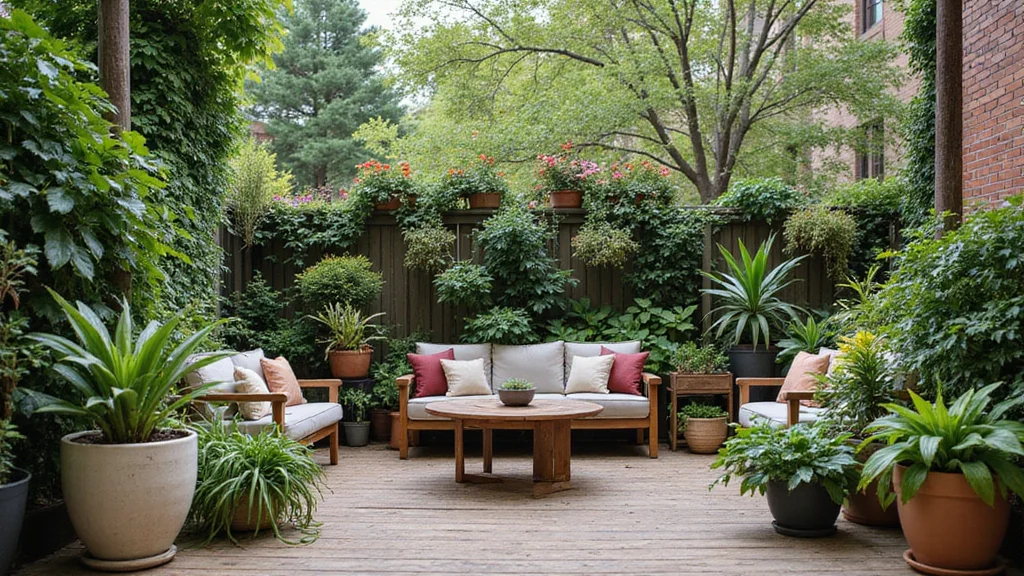
Creating a beautiful garden can feel overwhelming, especially if you’re working with limited space or don’t have a lot of time to spare. Many of us want that lush green oasis, but the thought of constant upkeep can be daunting. That’s why I put together this guide on small garden design low maintenance. I aim to simplify your gardening journey. You deserve a space that brings you joy without the stress of endless chores.
If you’re someone who loves the idea of gardening but worries about keeping it neat and tidy, this post is for you. Maybe you live in an urban area with limited outdoor space, or perhaps you’re just looking for ways to make your gardening efforts more manageable. Whatever your situation, you’ll find inspiration tailored to your needs.
In this post, you’ll discover 18 easy-care inspirations for your small garden. From low-maintenance plants to clever container designs, I’ll share tips that are not only practical but also aesthetically pleasing. Whether you want to embrace sustainable gardening practices or create a vibrant urban retreat, you’ll find ideas that fit your style and lifestyle. So, let’s dive into the world of small garden design that’s as easy to care for as it is beautiful!
Key Takeaways
– Small garden ideas like vertical gardens can help you maximize space while keeping maintenance low.
– Choosing low-maintenance plants such as perennials means you can enjoy beauty without constant care.
– Using container planting offers flexibility; you can change your layout and move plants as needed.
– Implementing drip irrigation systems can save water and reduce the time spent on watering.
– Embracing sustainable gardening practices not only benefits the environment but also enhances your garden’s health.
1. Vertical Gardens: Maximize Your Space
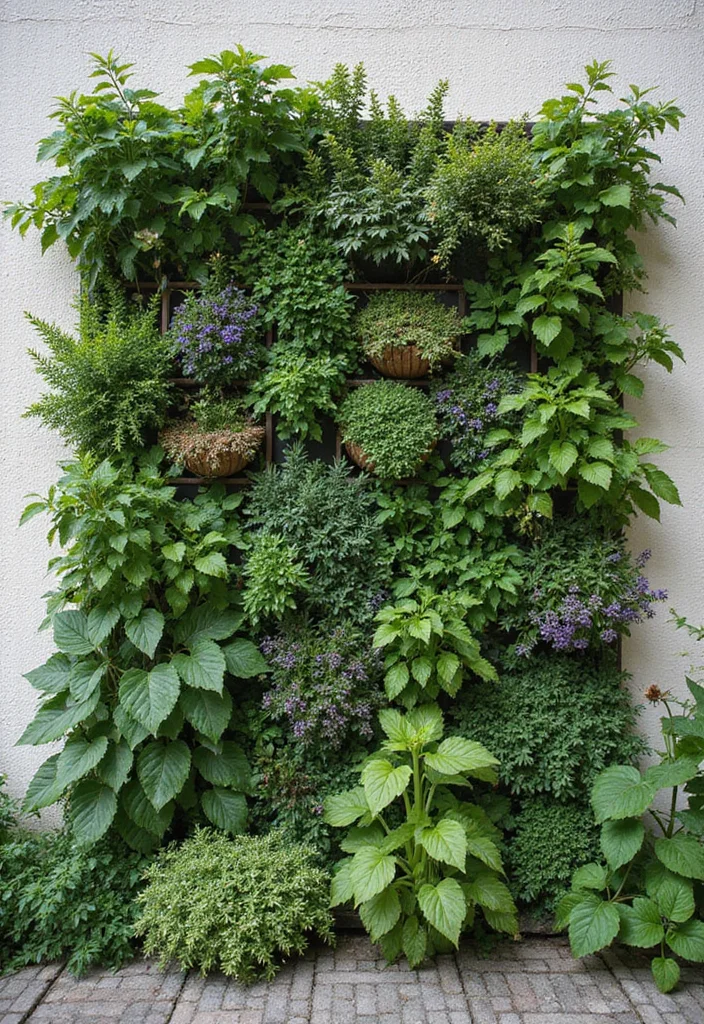
If you’re short on space, vertical gardens are the perfect solution. They create stunning visual displays while allowing you to maximize every inch. Think about using wall planters or trellises to showcase herbs and colorful flowers. Pinterest showcases many creative examples of this trend, making it easy to find inspiration.
For a successful vertical garden, start with lightweight containers that won’t weigh down your walls. Select climbing plants like peas or flowering vines for a natural look. Remember to check sunlight and watering needs, as vertical setups can dry out quickly. With vertical gardens, you’ll turn bland walls into vibrant displays, enhancing both your garden’s beauty and your living space’s charm.
2. Container Planting: A Moving Canvas
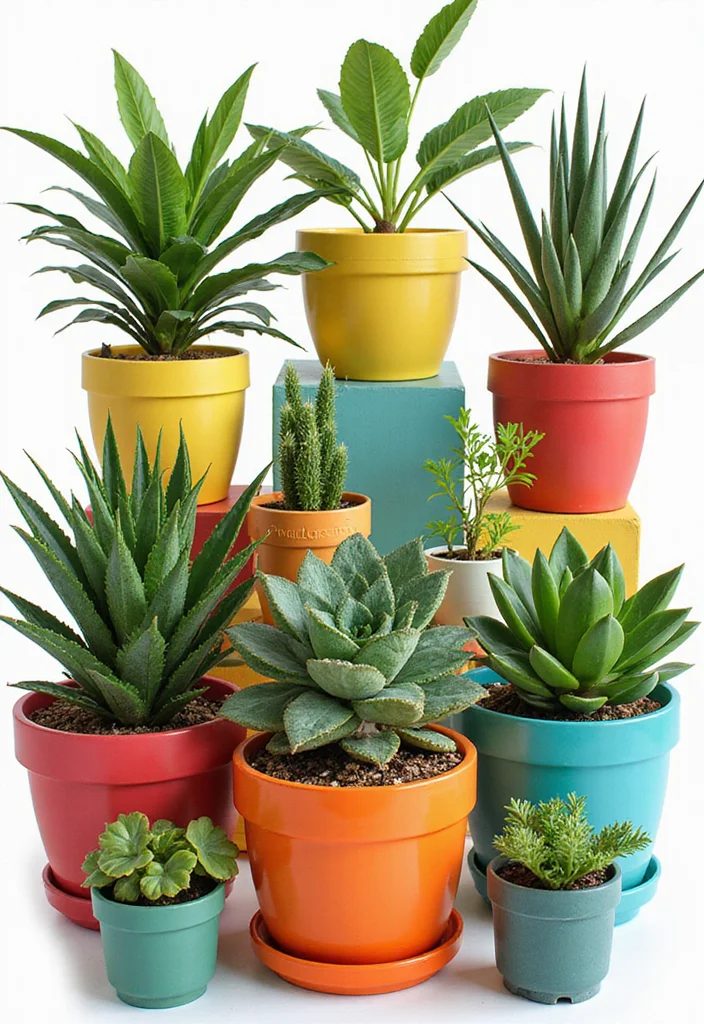
Container gardening is a simple way to breathe life into small areas. With a variety of pot sizes and styles, you can create a display that truly reflects your personality. From cheerful flowers to fragrant herbs, containers allow for fun and easy maintenance.
When choosing plants for containers, consider resilient options like lavender for its wonderful scent, or succulents that thrive on little water. Small fruit plants like strawberries add both beauty and edibility. Arrange your pots at varying heights for an eye-catching look, making care easier as plants grow. With container gardening, you can enjoy a lively garden that suits your style without overwhelming you.
3. Native Plants: The Easy Choice
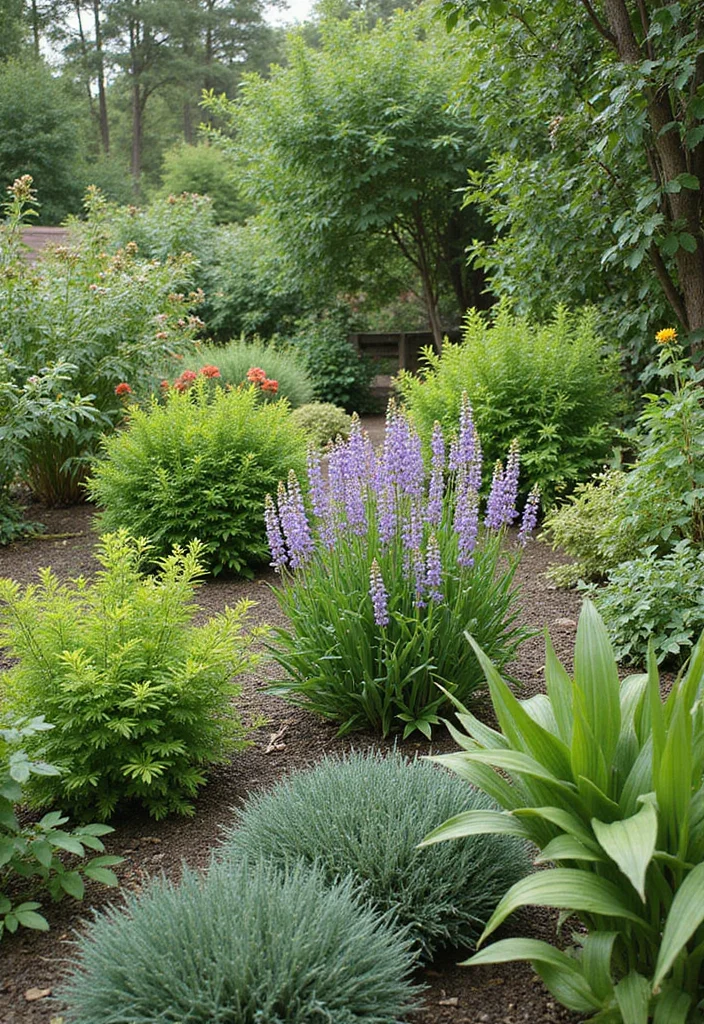
Opting for native plants can simplify your gardening experience. These plants are naturally suited to your area, needing less water and care while attracting local wildlife. Incorporating native varieties helps you build a sustainable garden that supports the ecosystem.
Native plants require less watering once established and are often naturally resistant to pests, cutting down on chemical use. Plus, you can find local varieties that thrive in your specific conditions. This strategy promotes biodiversity, ensuring your garden remains low-maintenance and visually appealing throughout the seasons.
4. Raised Beds: Simplicity at Its Best
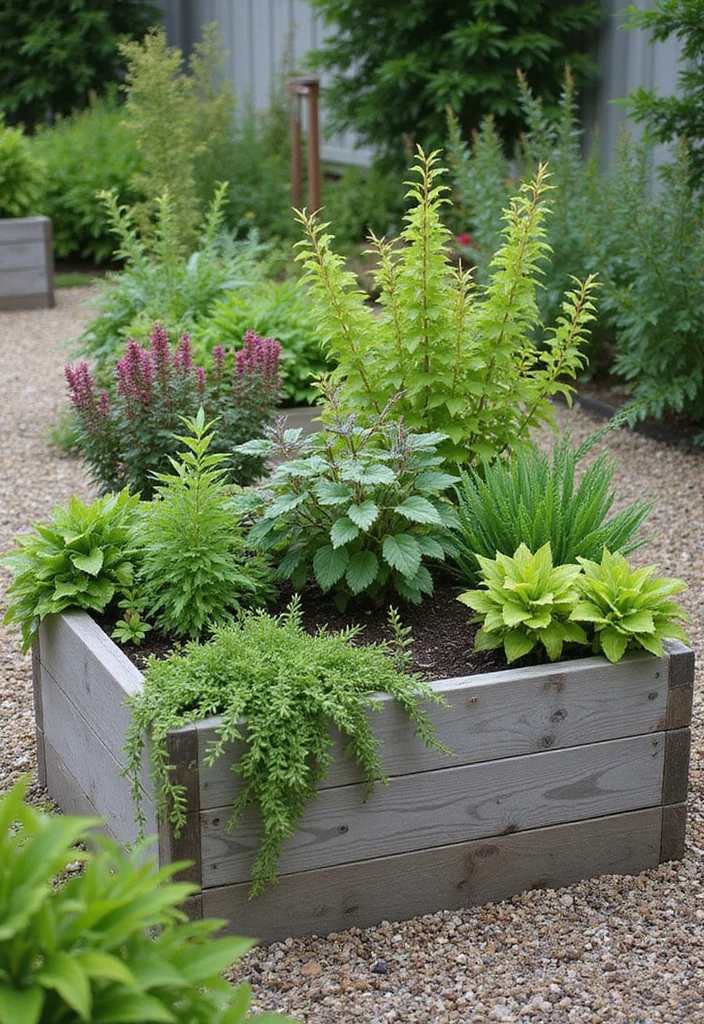
Raised beds are a smart choice for small gardens, providing better drainage and reducing weed problems. They elevate your plants, making them easier to care for without the strain of constant bending. You can create them with wood, stone, or even repurpose old furniture for a unique touch.
Make sure to fill your raised beds with high-quality soil for the best growth. Opt for easy-care crops like radishes or lettuce for quick results, and add perennial herbs such as rosemary for ongoing flavor. Raised beds let you cultivate a functional and attractive garden space, all while minimizing effort.
5. Edible Landscaping: Beauty Meets Utility
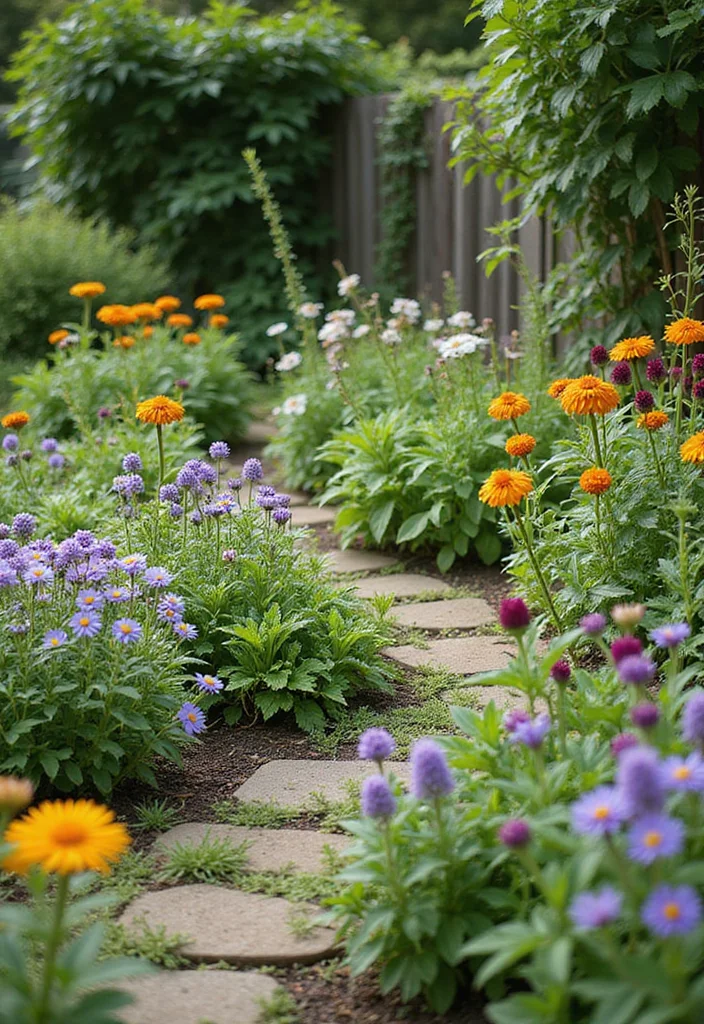
Why not blend beauty with practicality? Edible landscaping mixes fruits, vegetables, and herbs into your ornamental designs. By selecting attractive edible plants, you can enjoy a garden that’s both beautiful and productive. Imagine colorful tomatoes growing alongside vibrant petunias!
Consider using berry bushes as natural hedges, or planting nasturtiums, which are both lovely and edible, among your flowers. Creating a herb spiral can help maximize your space while giving you easy access to various herbs. This approach makes it simple to gather fresh ingredients for meals, keeping your garden visually appealing and functional.
6. Low-Maintenance Perennials: Set It and Forget It
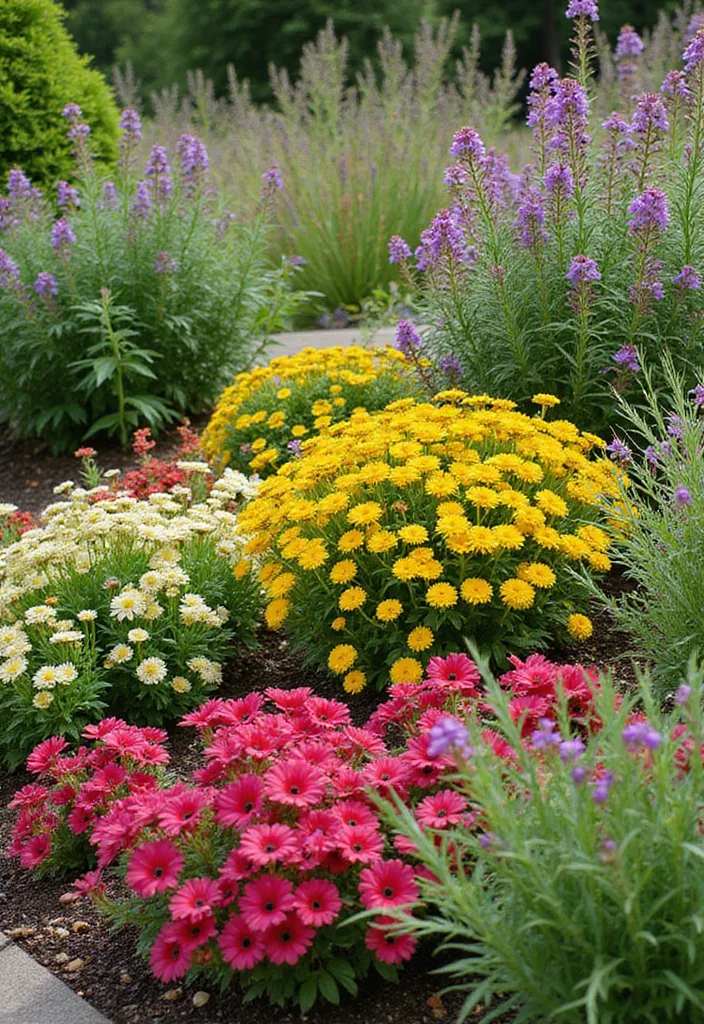
Perennials offer a low-effort way to maintain a colorful garden year after year. By choosing varieties that require little upkeep, you can enjoy beautiful blooms without constant replanting.
Some top choices for low-maintenance perennials include daylilies for their vibrant colors, sedum for drought resistance, and coneflowers that attract pollinators. These plants add both structure and color throughout the seasons, allowing you to relish your garden without the hassle of ongoing care.
7. Decorative Mulch: The Finishing Touch
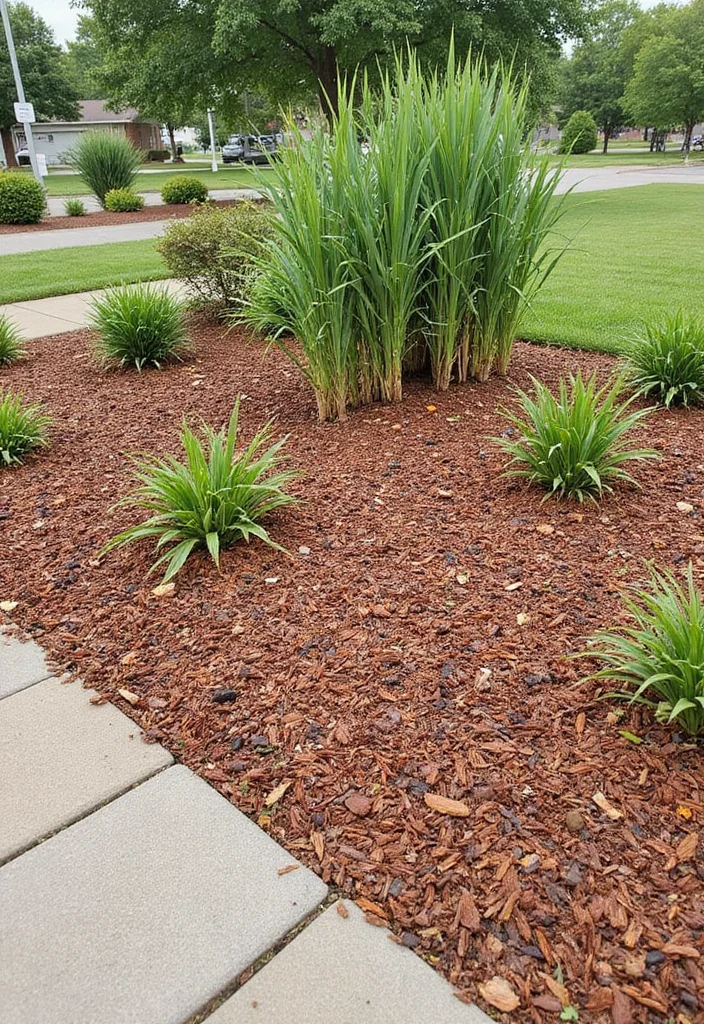
Mulch plays an important role in gardening. It not only gives a polished look to your space but also helps retain moisture and suppress weeds. Using decorative mulch, like colored stones or natural bark, can enhance the visual appeal of your garden.
Mulch reduces how often you need to water by keeping the soil moist. It also helps control weeds, making maintenance easier. Adding mulch can create a professional finish, transforming your small garden into a clean and well-kept retreat.
8. Drip Irrigation: Water Smart
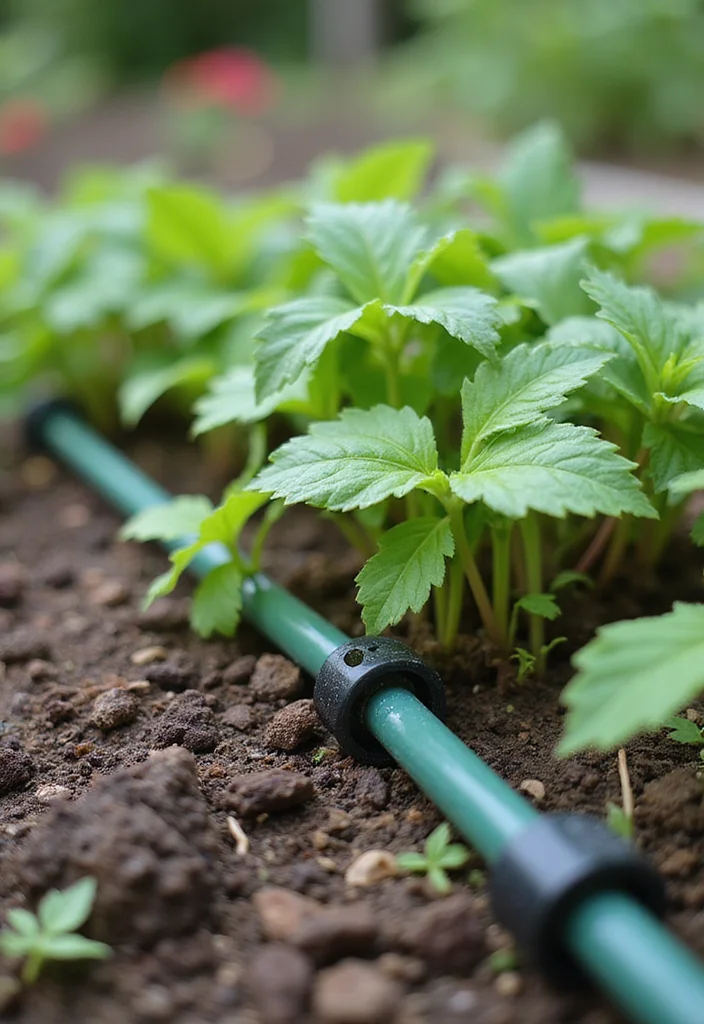
Keeping your plants hydrated can be a hassle, but drip irrigation systems provide a smart solution. These systems deliver water directly to the roots, reducing waste and ensuring your plants get the right moisture.
Opt for drip irrigation to save time with automatic watering and minimize water usage by targeting specific areas. This method also lowers the risk of fungal diseases since it keeps foliage dry. Setting up a drip system is a small investment that can greatly simplify your garden care.
9. Colorful Pots: Bring in the Fun
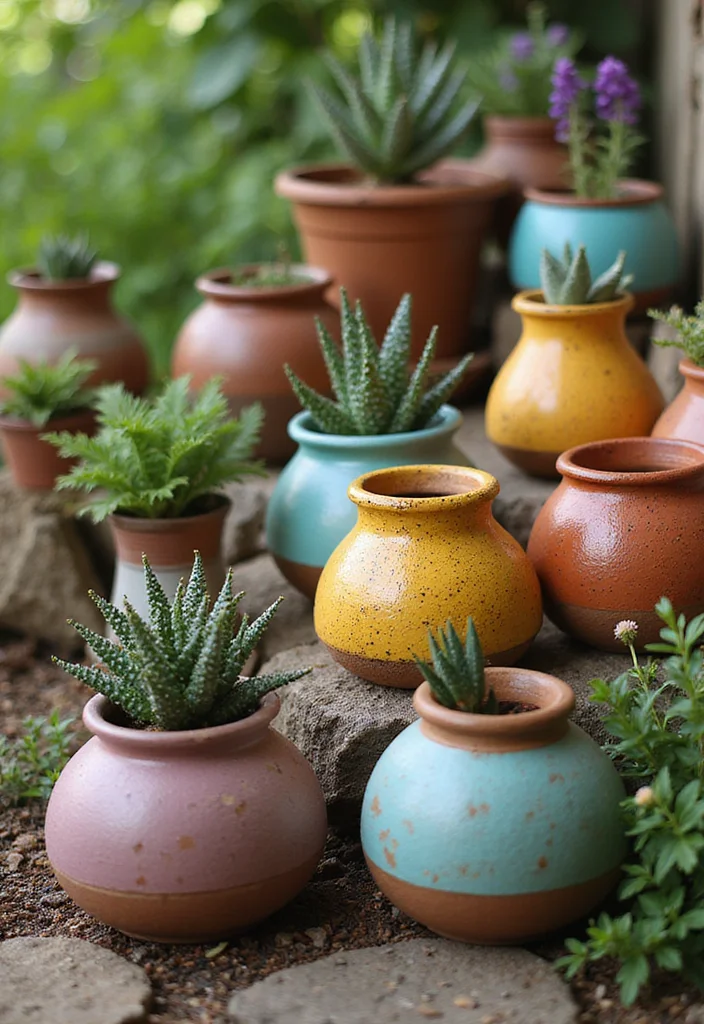
Bright and colorful pots can instantly enhance your small garden. By mixing different colors, shapes, and sizes, you create an inviting atmosphere that reflects your unique style. You can opt for quirky patterns or keep it simple with a monochromatic scheme.
Try using unexpected items like old boots or teacups as planters for a fun twist. Group pots at different heights to create depth and visual interest. By adding a splash of color, your containers will become a lively focal point in your garden.
10. Shade Tolerant Plants: Perfect for Dappled Light
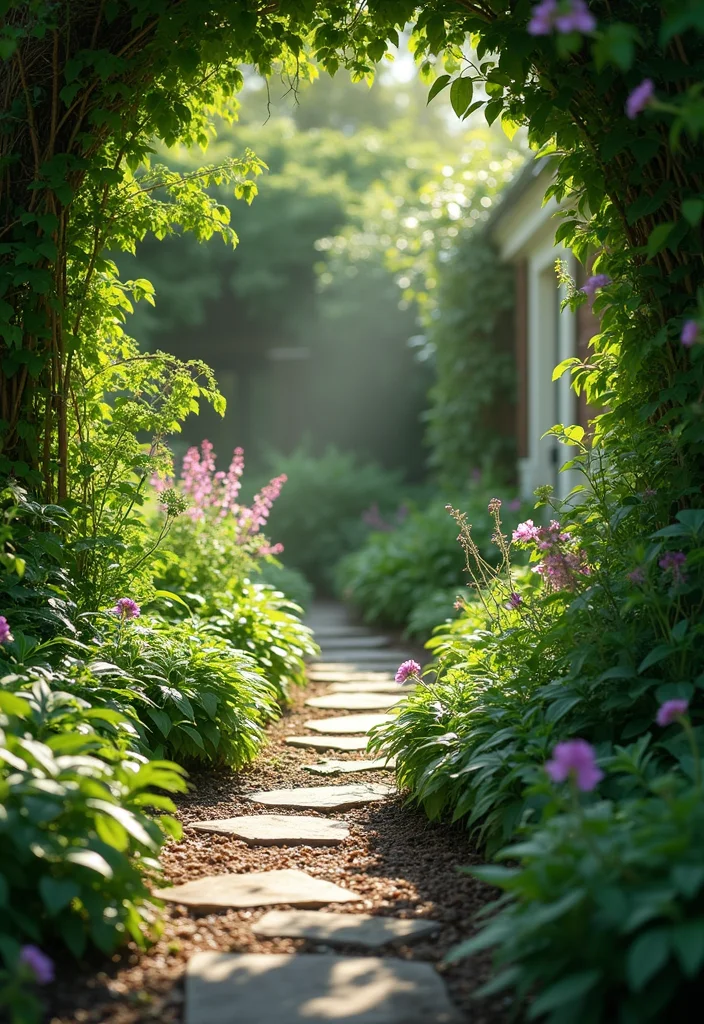
If you have shaded areas in your garden, don’t worry! Many beautiful shade-tolerant plants thrive without direct sunlight. Ferns, hostas, and shade-loving flowers can turn dark corners into serene retreats.
Some great options include impatiens for colorful blooms, astilbe for stunning foliage, and hellebores for early spring color. Designing with these plants can create lush, vibrant spaces that make the most of any dappled light.
11. Eco-Friendly Practices: Go Green
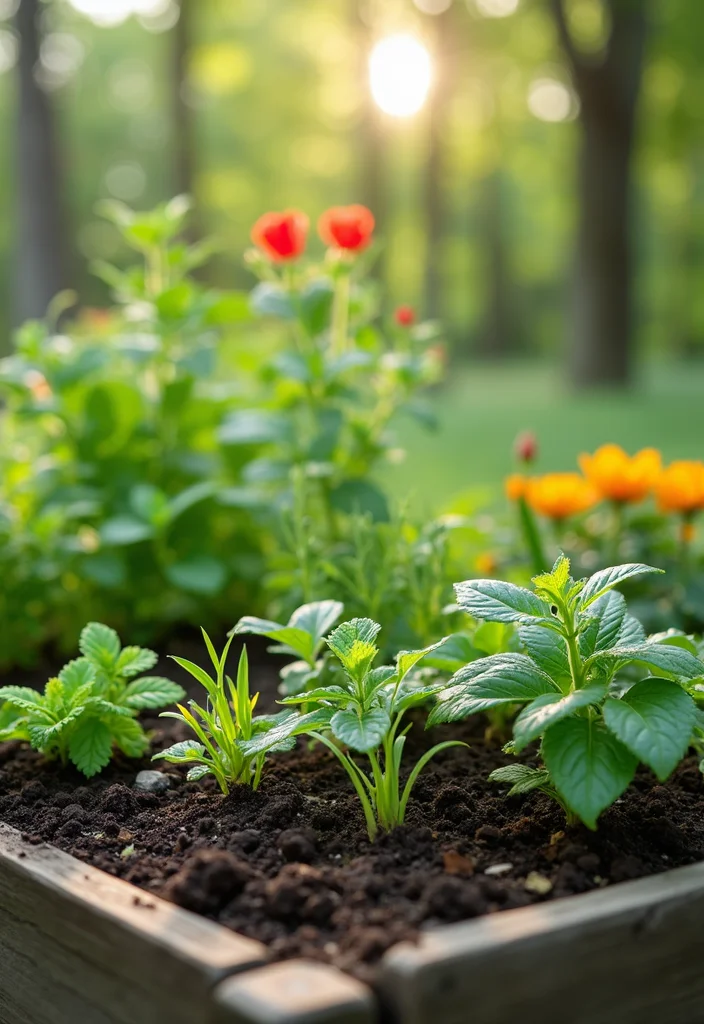
Sustainable gardening is good for both your plants and the planet. By using eco-friendly practices, you can cultivate a thriving garden that does good for the environment.
Try composting kitchen scraps to create rich soil, collecting rainwater for irrigation, and using organic fertilizers to boost growth. These practices not only help your garden flourish but also reduce your environmental impact, leading to a more responsible gardening experience.
12. Seasonal Interest: Year-Round Beauty
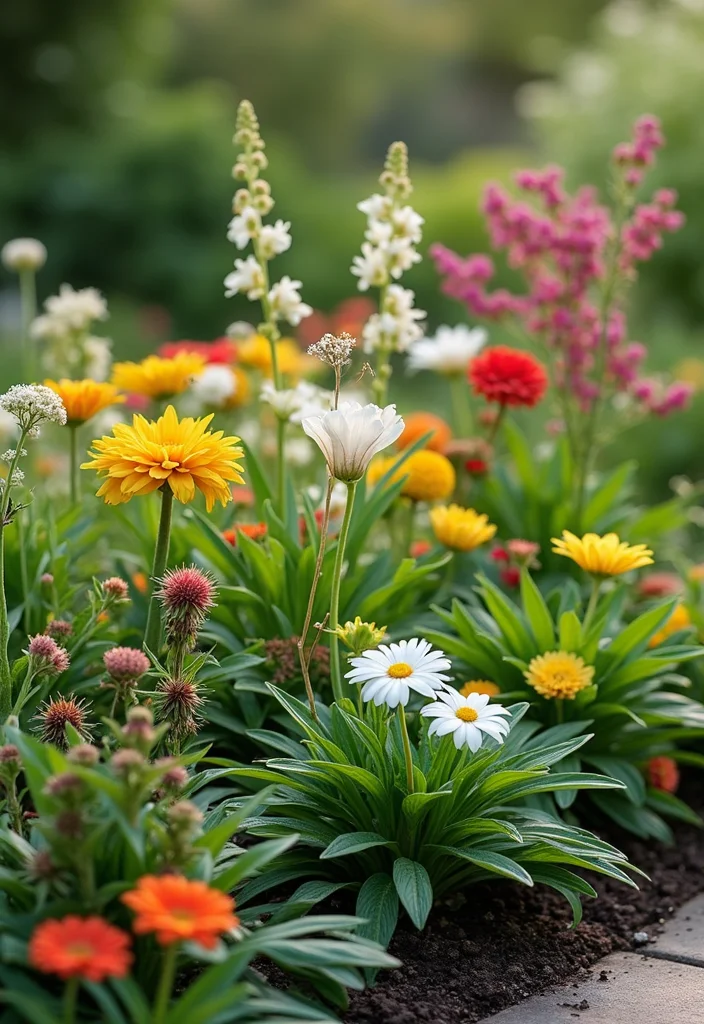
Designing your garden with seasonal interest allows for beauty all year long. By selecting plants that bloom or change color with the seasons, your garden stays vibrant throughout the year.
For spring, consider bulbs like tulips and daffodils. In summer, plant perennials such as sunflowers, and for autumn, add ornamental grasses for stunning foliage. A variety of plants ensures your garden remains a joyful place, no matter the season.
13. Garden Lighting: Create Ambiance
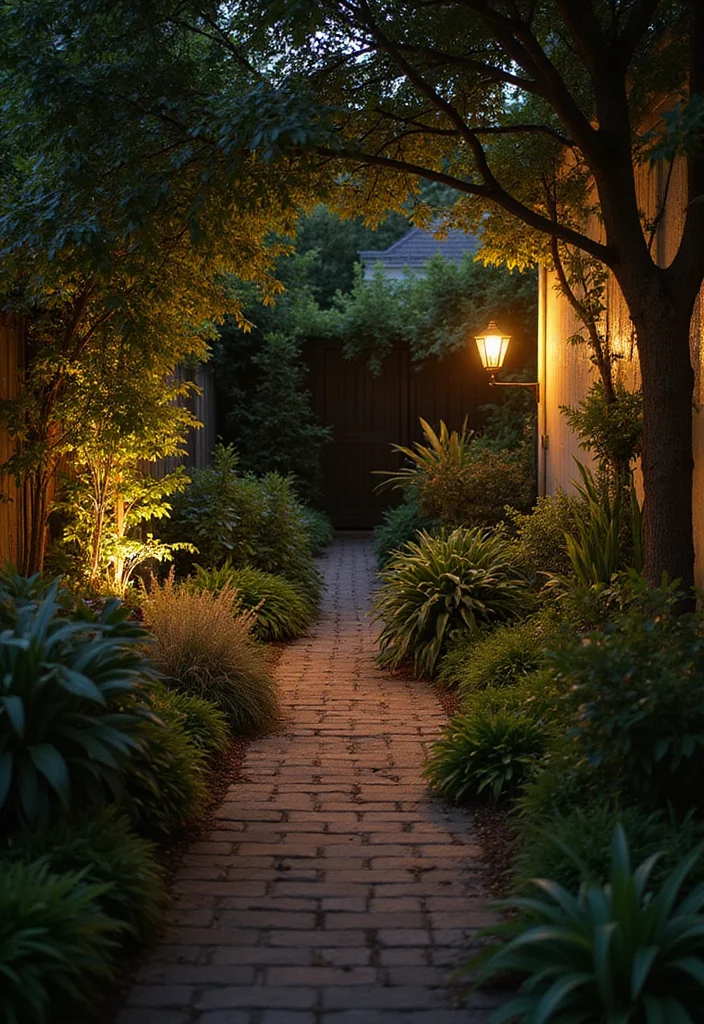
Adding lighting to your garden creates a magical atmosphere, especially in smaller spaces. String lights, solar lamps, or lanterns can help set the mood, allowing you to enjoy your garden even after the sun goes down.
Consider hanging lights along fences or pergolas for a cozy glow. Use solar-powered stake lights to brighten pathways, and place lanterns among plants for whimsical touches. With the right lighting, your garden becomes an enchanting retreat after dark.
14. Aromatic Plants: Engage the Senses
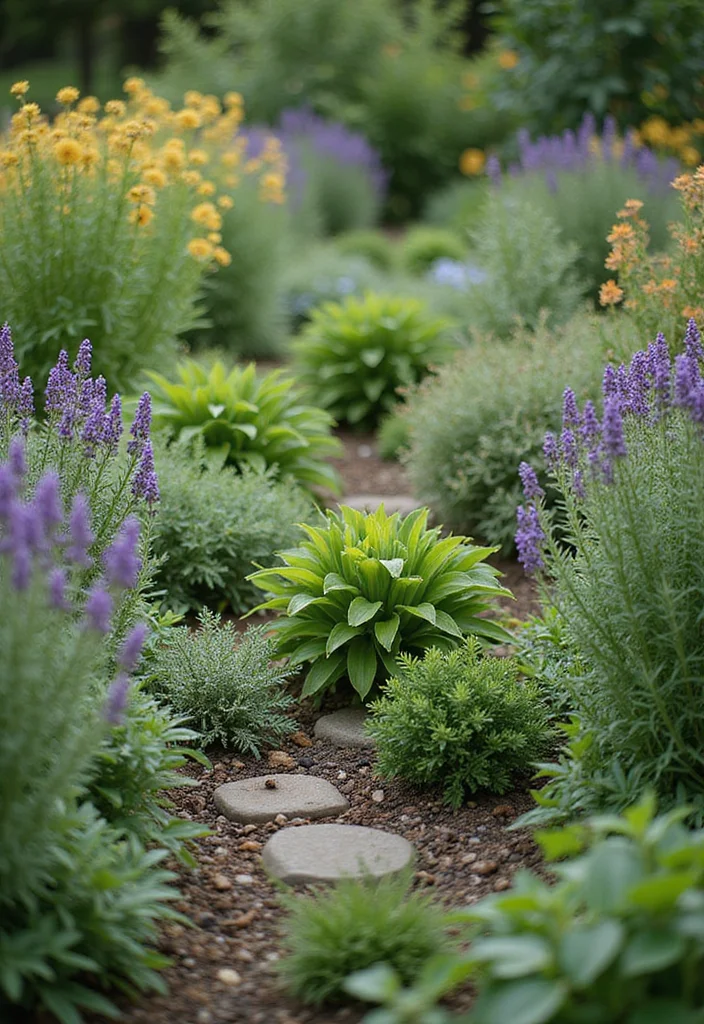
Aromatic plants can elevate your garden experience, filling the air with delightful scents. Mixing fragrant herbs and flowers creates an inviting atmosphere that enhances relaxation and enjoyment.
Some top aromatic plants include basil and mint for their inviting scents, lavender for calming aromas, and jasmine for its sweet fragrance, especially at night. Incorporating these plants beautifies your garden and creates a sensory experience for anyone who visits.
15. Fairy Gardens: Add a Touch of Whimsy
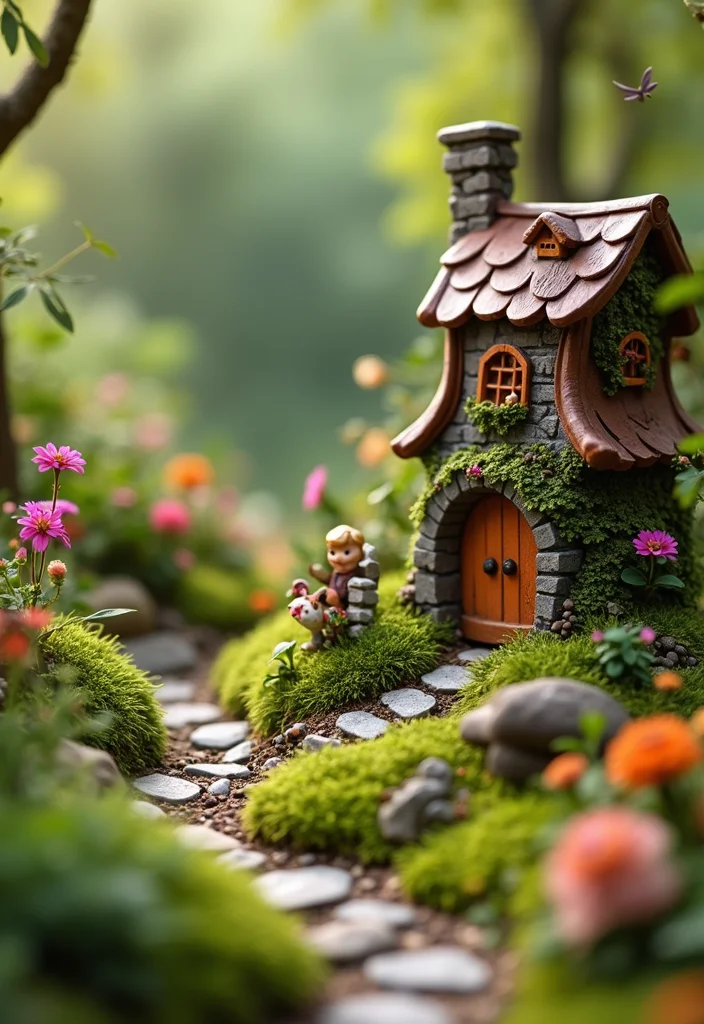
Fairy gardens can bring a whimsical touch to your small space, encouraging creativity and storytelling. These miniature gardens can be set up in containers or small patches of earth, decorated with tiny figurines and pebbles.
Use succulents for low-maintenance greenery and add miniature furniture for charm. Create pathways leading to a ‘fairy house’ using small stones for delightful detail. These enchanting gardens can spark joy and imagination for both kids and adults.
16. Group Planting: Unity in Diversity
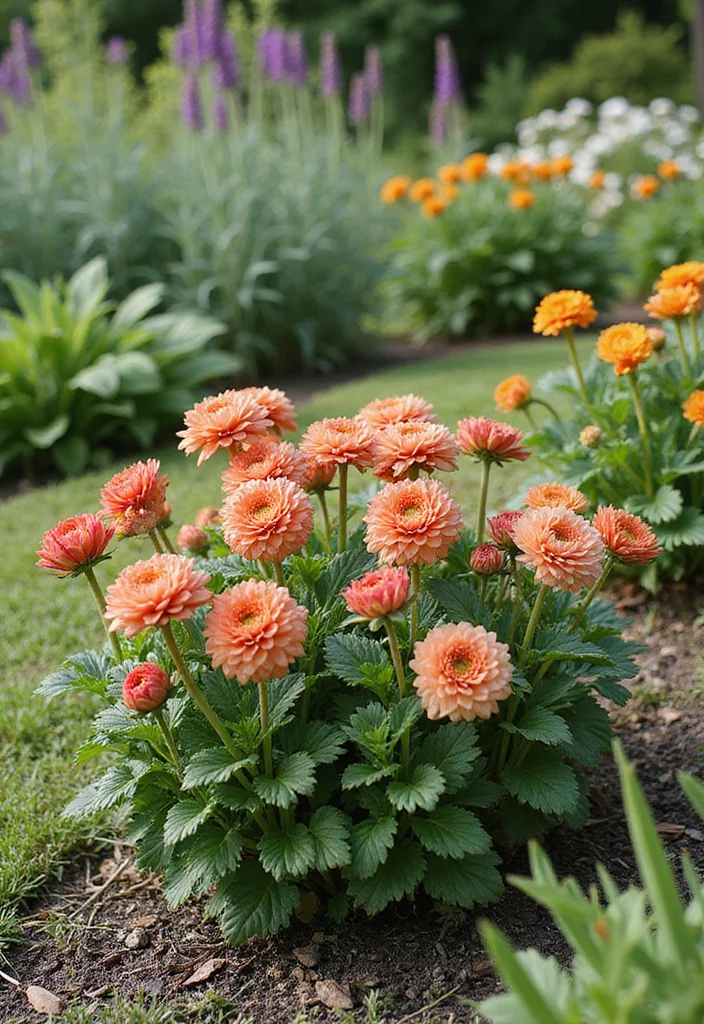
Group planting enhances your small garden’s beauty by clustering plants together. By grouping plants with similar care needs, you can create a harmonious look while simplifying maintenance.
Mix colors and textures for added interest. Plant taller species in the back or center, surrounding them with shorter ones. Ensure that the plants have compatible watering and sunlight needs. This method creates a stunning visual impact while giving your garden a cohesive feel.
17. Minimalist Design: Less is More
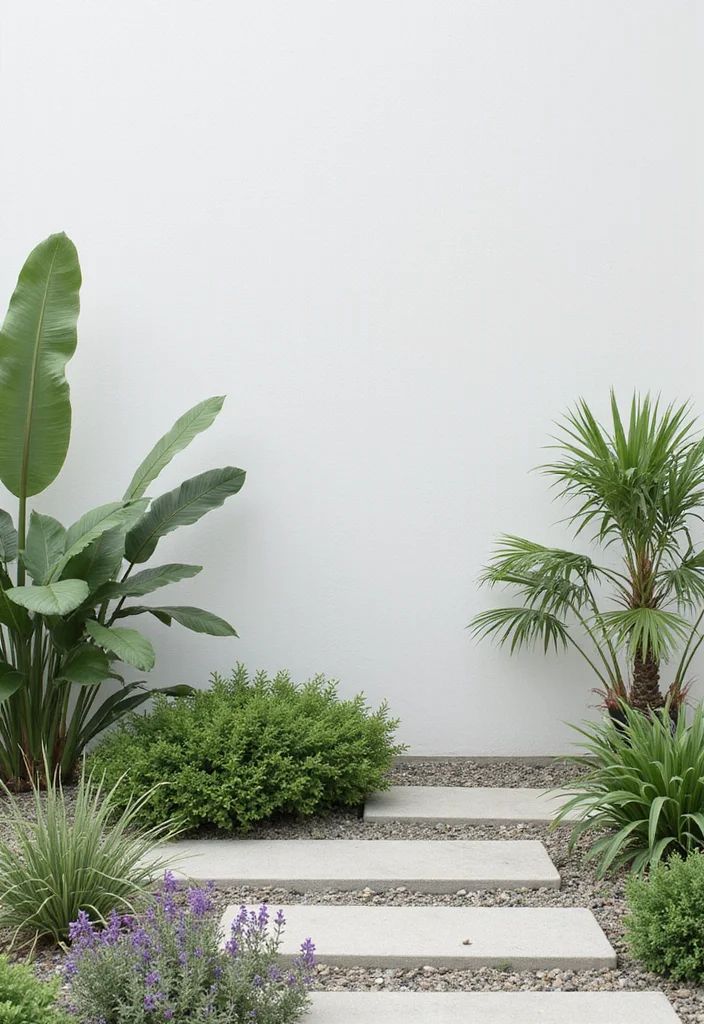
If you prefer a clean and streamlined look, minimalist gardening focuses on simplicity and practicality. This style emphasizes fewer plants but with greater impact. Choosing a few well-placed plants and cutting down on clutter can create a serene environment.
Select a limited color palette to keep things harmonious. Choose large statement plants instead of many smaller ones. Keep pathways clear and free from obstructions. Embracing minimalism brings peace to your outdoor space, making it an ideal escape from a busy world.
18. Community Gardening: Connect with Like-Minded Souls
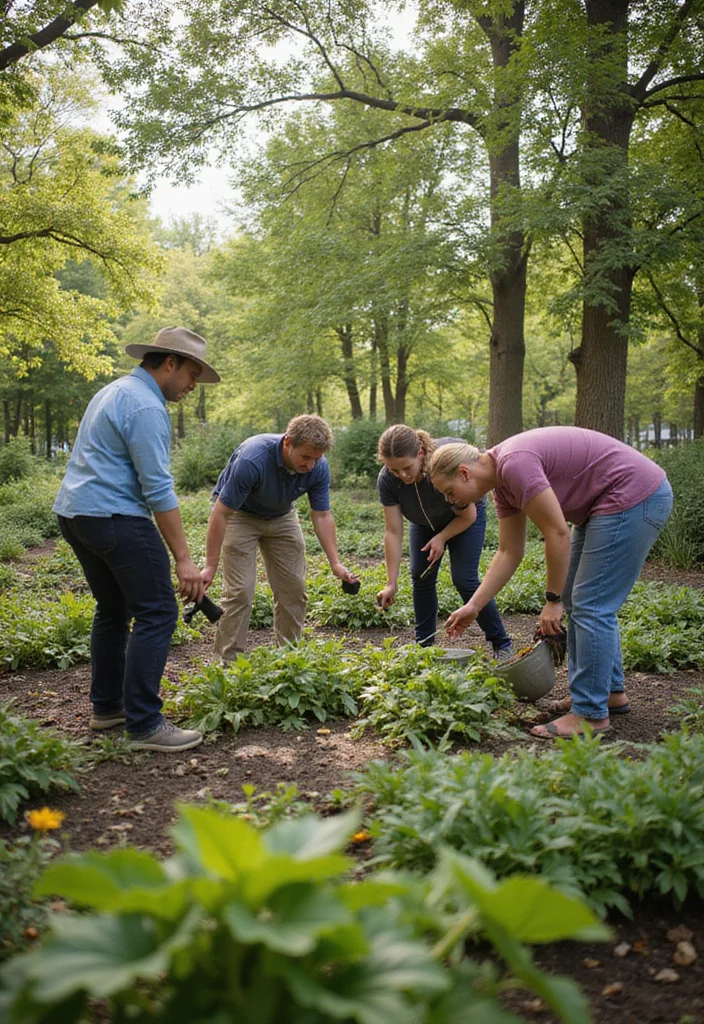
Participating in a community garden can be a rewarding experience, especially in urban areas. These shared spaces let you work with neighbors, learn new gardening techniques, and grow together.
Benefits include the chance to socialize and connect with others, access to shared resources and tools, and opportunities to learn from experienced gardeners. Being part of a community garden enriches your gardening journey and helps build friendships while positively impacting the environment.
Conclusion
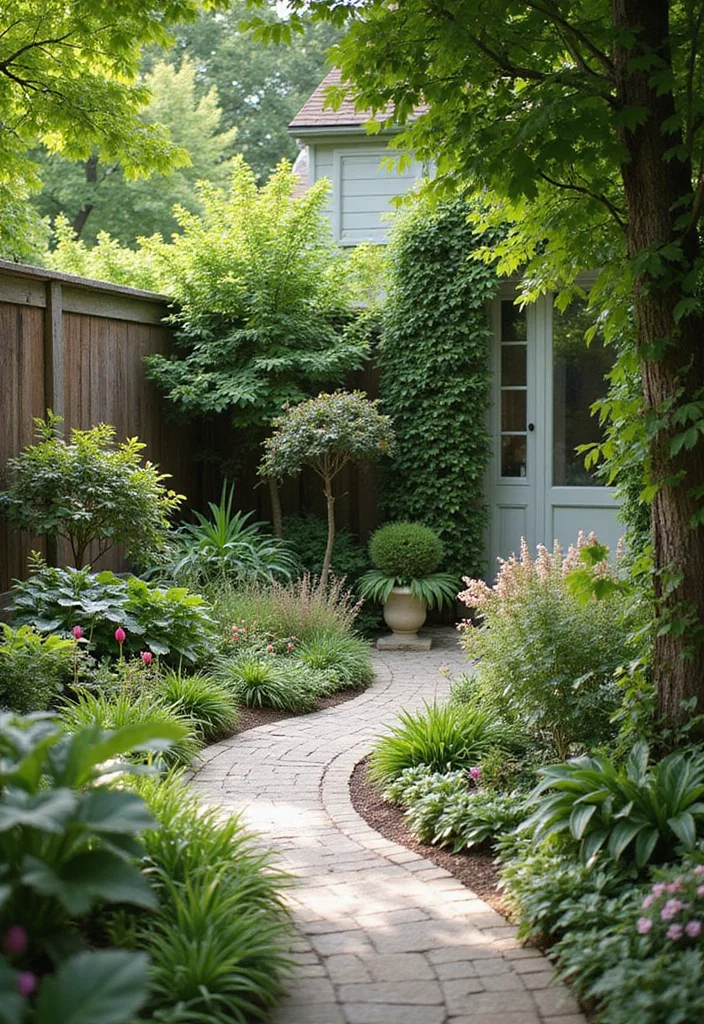
Creating a low-maintenance small garden can transform your urban space into a lush escape, requiring minimal effort.
By incorporating easy-care plants and clever design elements, you can cultivate a vibrant outdoor oasis that brings joy throughout the seasons.
Explore these inspiring ideas, and let your garden reflect your personal style while being kind to both you and the environment.
Frequently Asked Questions
What are some great small garden ideas for low maintenance?
If you’re looking for small garden ideas that are low maintenance, consider incorporating native plants that naturally thrive in your local climate. These plants typically require less water and care, making them perfect for busy urban spaces.
Additionally, using containers can simplify plant care. You can choose easy-care plants like succulents or herbs that not only look great but also require minimal attention.
Which low maintenance plants are best for container gardening?
When it comes to low maintenance plants for container gardening, you can’t go wrong with succulents and cacti. These hardy options require little water and thrive in sunny spots. Other great choices include lavender and rosemary, which not only add beauty but also provide lovely scents and culinary benefits.
Consider using self-watering pots to further reduce the maintenance needed!
What are some easy-care gardening tips for urban spaces?
To make gardening easier in urban spaces, start by choosing compact garden designs that maximize your limited area. Use vertical gardening techniques, such as wall planters or trellises, to save space and add interest.
Embrace sustainable gardening practices like composting kitchen scraps and using rainwater for irrigation to keep your garden thriving without too much fuss.
How can I create a sustainable garden in a small space?
Creating a sustainable garden in a small space starts with selecting low maintenance plants that are suited for your environment. Use organic compost to enrich your soil while reducing chemical usage.
Incorporate a rainwater collection system to minimize water waste and consider using mulch to retain moisture and suppress weeds. This way, you can enjoy a beautiful garden with minimal environmental impact!
What should I consider when designing compact garden layouts?
When designing compact garden layouts, think about maximizing vertical space with climbing plants and shelves for potted herbs. Choose plants that complement each other in terms of sunlight and moisture needs to simplify care.
Remember to leave room for walking paths to make maintenance easier, and utilize container gardening to add flexibility and style to your small garden.