

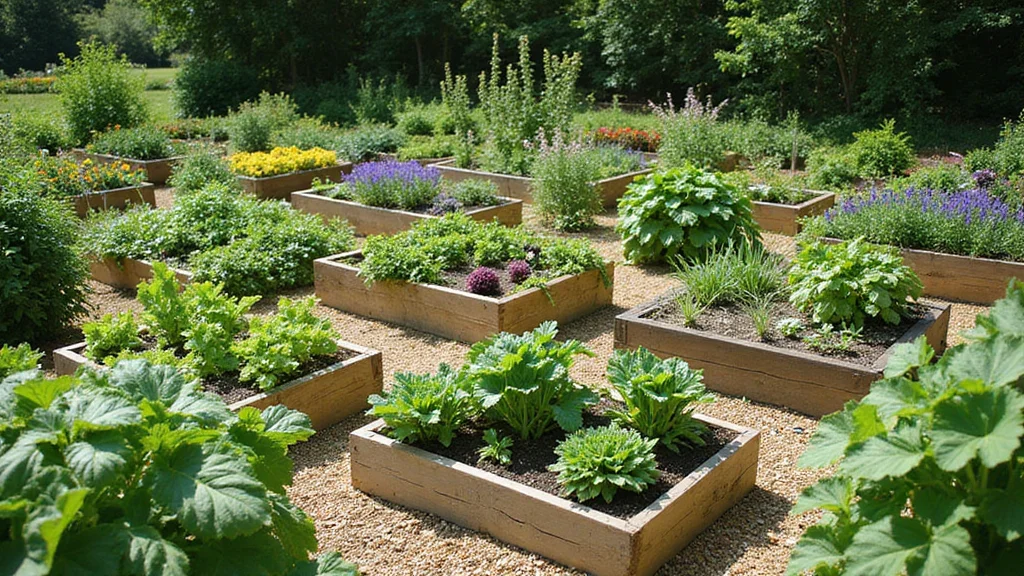
Are you dreaming of a lush vegetable garden but feeling cramped for space? You’re not alone! Many gardeners face the same challenge, especially when working with small yards or urban settings. That’s why I created this post. I want to help you make the most of your available space with unique and functional raised vegetable garden designs.
If you love gardening but feel limited by your surroundings, this guide is for you. Whether you’re a seasoned gardener or just starting out, you’ll find inspiration and practical advice that speaks directly to your needs. You care about creating a garden that not only looks great but also produces delicious veggies. I understand that need, and I’m here to help you achieve it.
In this article, you’ll discover 17 innovative layout inspirations tailored for small spaces. From vertical garden towers to DIY pallet gardens, each idea is designed to maximize your growing potential. You’ll gain valuable gardening tips that will simplify the design process and guide you toward creating functional garden spaces that suit your lifestyle. So, roll up your sleeves, grab your gardening gloves, and get ready to transform your small area into a green oasis!
Key Takeaways
– Explore 17 unique raised garden designs that cater to small spaces, including vertical solutions and DIY options.
– Learn about Container Gardening and how it can suit limited areas without sacrificing plant health.
– Discover the benefits of Square Foot Gardening, which allows you to grow more in less space by maximizing planting efficiency.
– Understand how to incorporate trellises in your raised beds for climbing plants, freeing up ground space for other veggies.
– Get tips on seasonal rotation layouts to keep your garden productive and healthy throughout the year.
1. Vertical Garden Towers
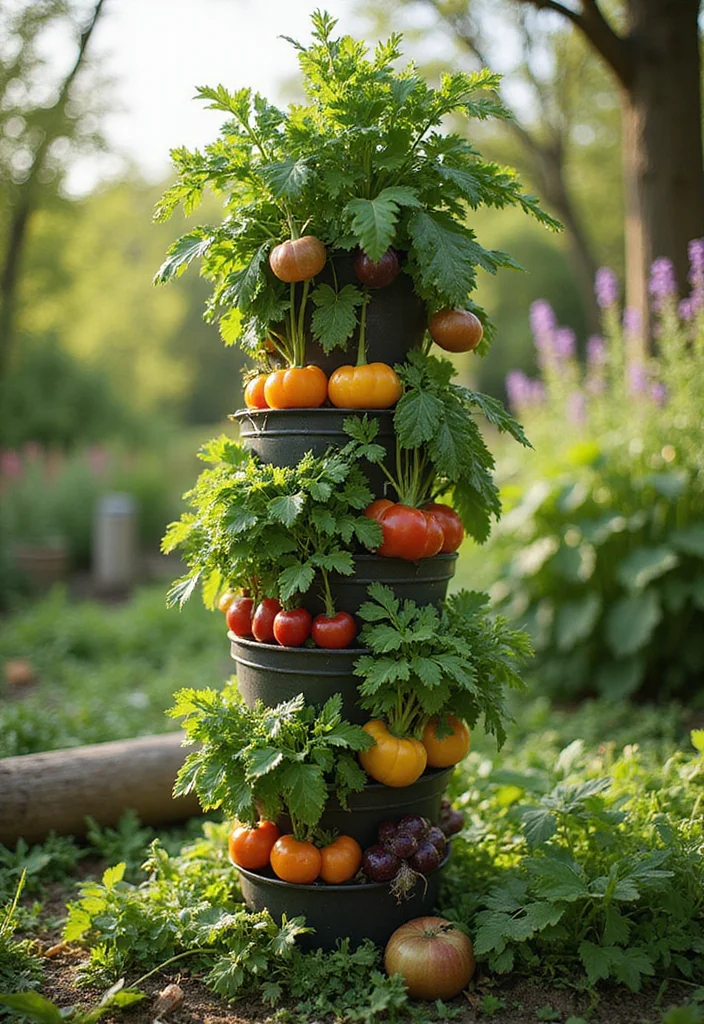
Vertical garden towers are a smart solution for tight spaces! Imagine a towering structure where you can grow leafy greens, fragrant herbs, and even strawberries. These tiered designs not only save space but also catch more sunlight, making them a treat for the eyes and the palate. Pinterest is buzzing with these creative setups, showcasing how they can elevate your gardening game.
To make your own, consider using affordable materials like PVC pipes or reclaimed wood. You can build a simple, stylish tower that fits your budget and style. Just remember, easy access to your plants is key, making maintenance a breeze and your garden feel thriving and lush.
• Use PVC pipes or wooden pallets for a DIY tower
• Ensure drainage holes to prevent water buildup
• Choose sun-loving plants for the best yields
• Add colorful flowers for extra visual appeal
With these tips, you can create a stunning vertical garden that makes the most of your space while adding charm.
2. Raised Beds with Trellises
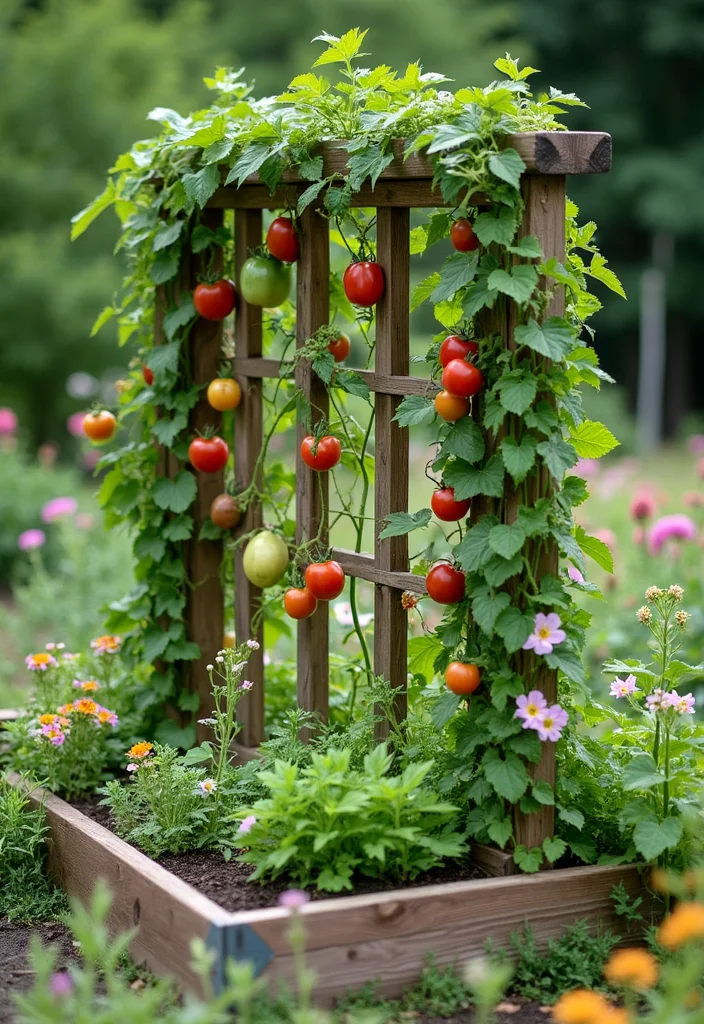
Raised beds paired with trellises are a fantastic way to maximize your garden’s potential! You can grow climbing plants like tomatoes, cucumbers, and beans, saving valuable ground space. This design not only keeps your plants healthy and off the soil but also introduces an appealing vertical element. Many gardeners are embracing this method for its beauty and practicality.
To get started, build a simple trellis from wood or wire that supports your climbing plants. This approach is budget-friendly and encourages healthy growth. Additionally, consider mixing in flowers to attract pollinators, enhancing both beauty and productivity in your garden.
• Train climbing plants to grow along the trellis
• Use a soil and compost mix for nutrition
• Plant flowers nearby to lure beneficial insects
• Ensure adequate sunlight for all plants
With these ideas, your garden will flourish, creating a vibrant and productive space.
3. Square Foot Gardening
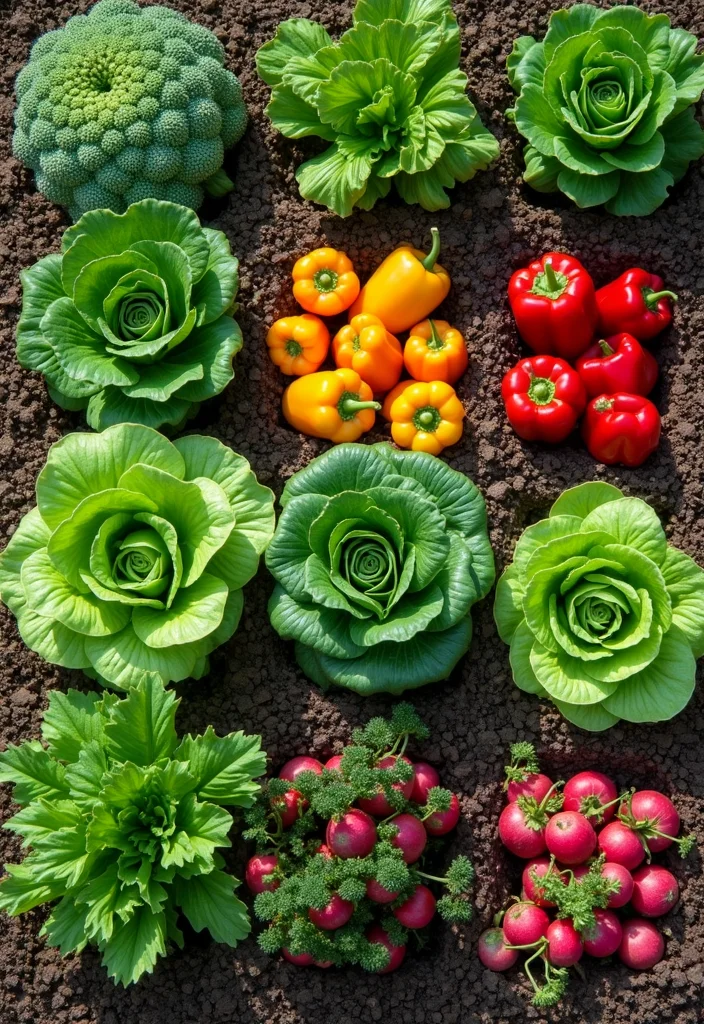
Square foot gardening is a brilliant way to maximize your raised bed space! By dividing your garden into square sections, you can plant a variety of vegetables in a small area. This method allows you to keep things organized and ensures that you can grow more in less space. Many gardeners love this technique for its efficiency and ease of maintenance.
Start by marking off squares in your raised bed, and choose different plants for each section. This method works best when you plant according to the seasons. Keeping a grid layout will help you manage what you’ve planted and when to harvest it, making your gardening experience smoother and more productive.
• Use a grid layout to divide your space
• Plant seasonally appropriate crops for continuous growth
• Rotate crops annually to maintain soil health
• Keep records of your plantings for better planning
By adopting square foot gardening, you’ll enjoy a diverse and thriving garden that’s easy to manage.
4. Container Gardening
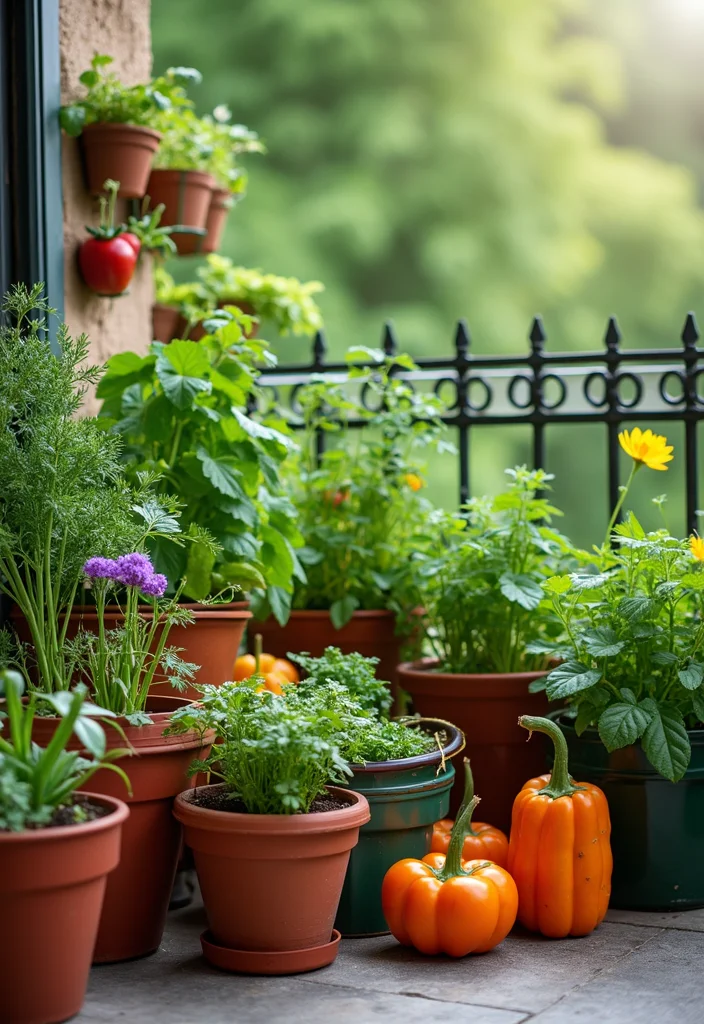
Container gardening offers endless flexibility for your green thumb! With pots, window boxes, or even recycled materials, you can grow your favorite vegetables like peppers and cherry tomatoes right where you live. This style works beautifully on patios, balconies, or even indoors if you have enough light. It’s a practical choice that makes gardening accessible for everyone.
To keep your plants happy, select containers with drainage holes and use a quality potting mix. Arranging your containers not only enhances the look of your space but also gives you the freedom to move them around for optimal sunlight. This method turns any area into a garden haven, making it feel cozy and inviting.
• Choose pots with drainage holes to avoid overwatering
• Use quality potting mix for healthier plants
• Arrange for aesthetic appeal and practicality
• Change out plants seasonally for fresh looks
With these tips, container gardening will bring life and color to your home.
5. Raised Bed with pathways
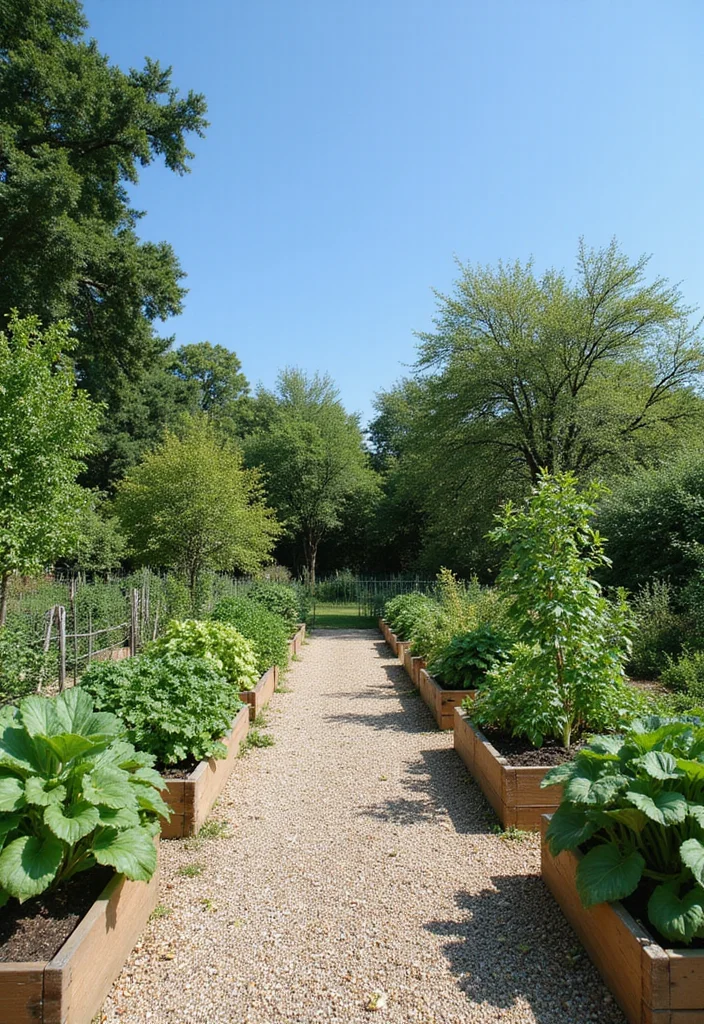
Adding pathways to your raised bed design enhances accessibility and maintenance! By incorporating walking paths between your beds, you prevent soil compaction and protect your plants. This layout allows you to easily reach every vegetable without stepping on the soil, keeping your garden healthy and thriving.
Consider using gravel or wood chips for your pathways to create a neat and tidy look. Keeping your beds at a uniform height not only looks good but also makes care easier. Positioning taller plants on the north side will prevent them from shading shorter ones, ensuring everything gets enough sunlight.
• Use gravel or wood chips for easy pathways
• Keep raised beds at uniform height for a neat look
• Place taller plants on the north side
• Ensure easy access to all areas of your garden
With these ideas, your garden will be both beautiful and functional.
6. Tiered Garden Beds
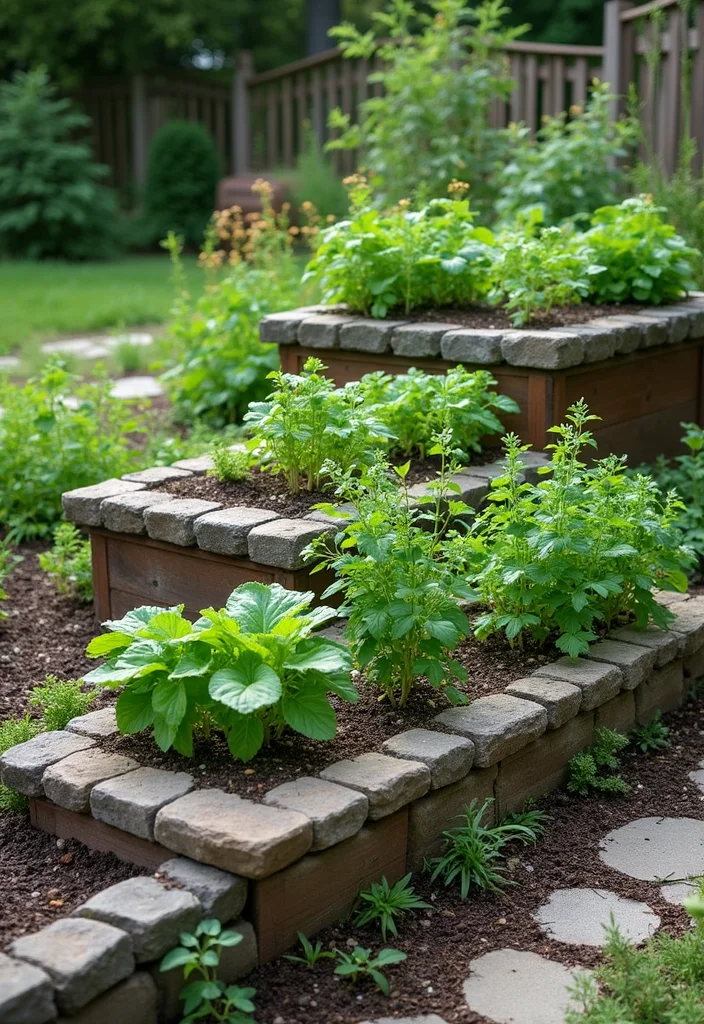
Tiered garden beds bring a unique flair while maximizing vertical space! These beds slope upward, making them ideal for planting various heights of plants. This setup improves water drainage and sunlight exposure, resulting in healthier and more productive plants.
Consider mixing plants with different root depths to make efficient use of your space. You can also create terraces on a slope for an eye-catching arrangement. Using native plants that require less care will fill the lower tiers beautifully, keeping your garden looking fresh and lively.
• Mix plants with different root depths for efficiency
• Create terraces for an attractive layout
• Use native plants for low-maintenance beauty
• Ensure good drainage with sloped beds
With tiered beds, your garden will not only be functional but also visually stunning.
7. DIY Pallet Garden
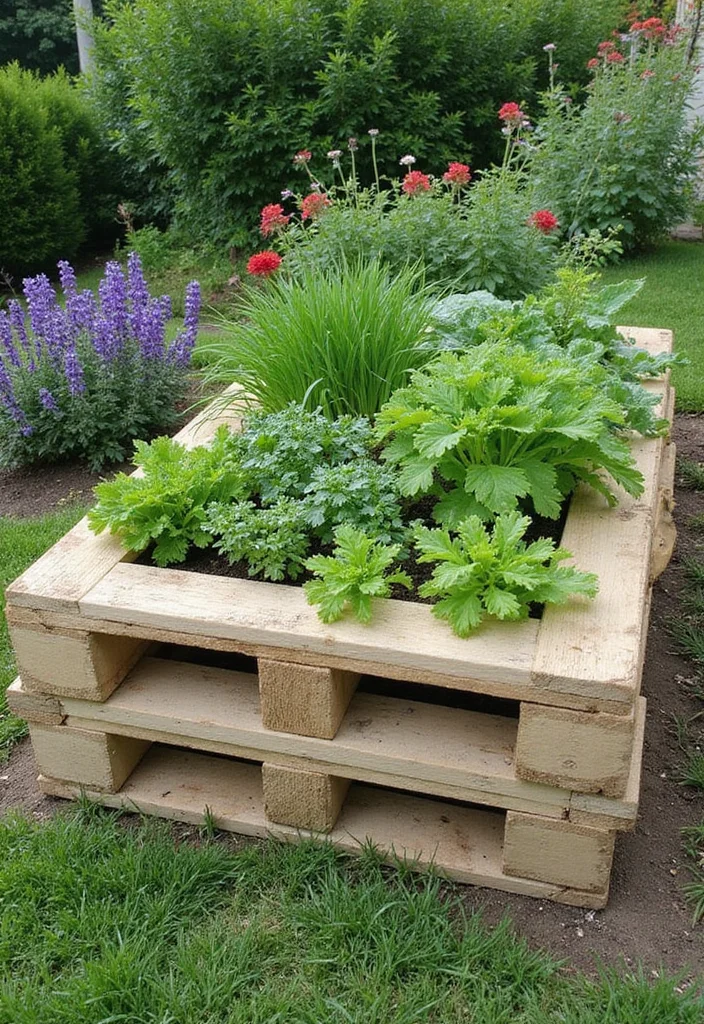
Building a garden from repurposed pallets is both eco-friendly and stylish! You can create a vertical or horizontal bed using old wooden pallets to grow herbs and small vegetables. The slats allow for excellent drainage and air circulation, which keeps your plants healthy and thriving.
Make sure to clean and sand the pallets before planting to ensure they’re safe for your food. Lining them with landscape fabric will help hold the soil in place while letting excess water escape. Using herbs and trailing plants can create a beautiful cascading effect, making your garden a standout feature.
• Clean and sand the pallets for safety
• Line with landscape fabric to hold soil
• Use herbs and trailing plants for beauty
• Position your pallets for maximum sunlight
With these tips, your DIY pallet garden can be a charming and productive addition to your yard.
8. Horizontal and Vertical Combos
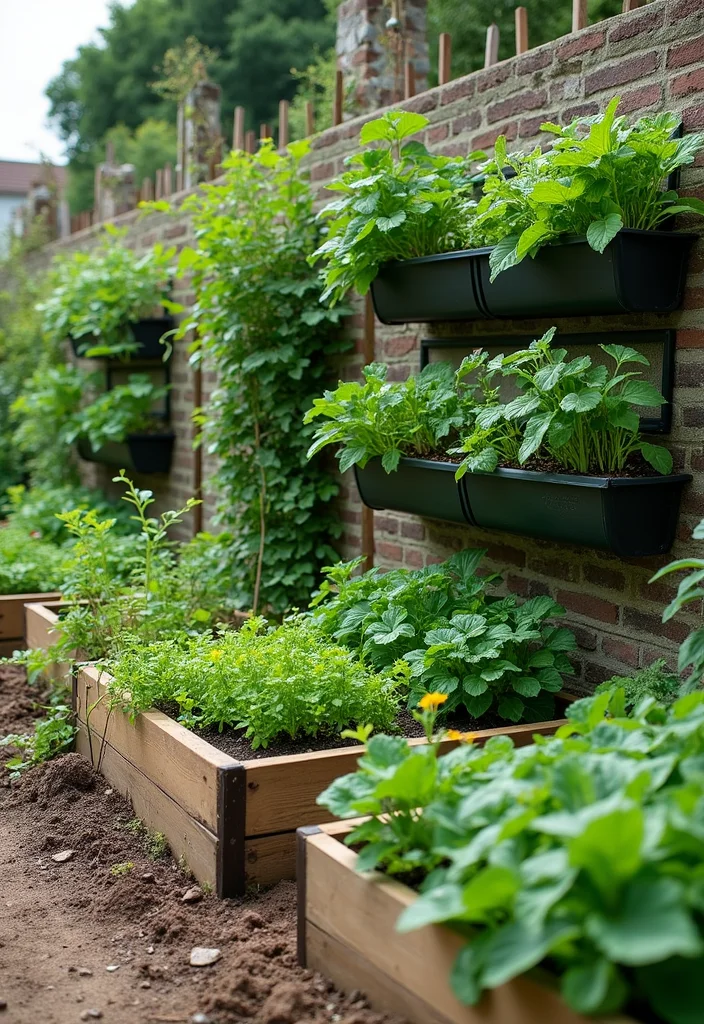
Mixing horizontal and vertical gardening techniques can create a stunning garden in smaller spaces! You might plant herbs in horizontal rows while using a wall-mounted planter for climbing vegetables. This not only boosts productivity but also adds a lush visual appeal to your garden design.
Choose plants that complement each other’s sunlight and water needs for the best results. A color scheme can enhance the visual impact, making your garden a delightful sight. Incorporating vertical elements like lattice will support climbing plants and add dimension to your space.
• Select complementary plants for better growth
• Create a color scheme for visual interest
• Use lattice or trellises for climbing plants
• Arrange plants for maximum sunlight exposure
With these strategies, your garden will be both productive and beautiful.
9. Hugelkultur Raised Beds
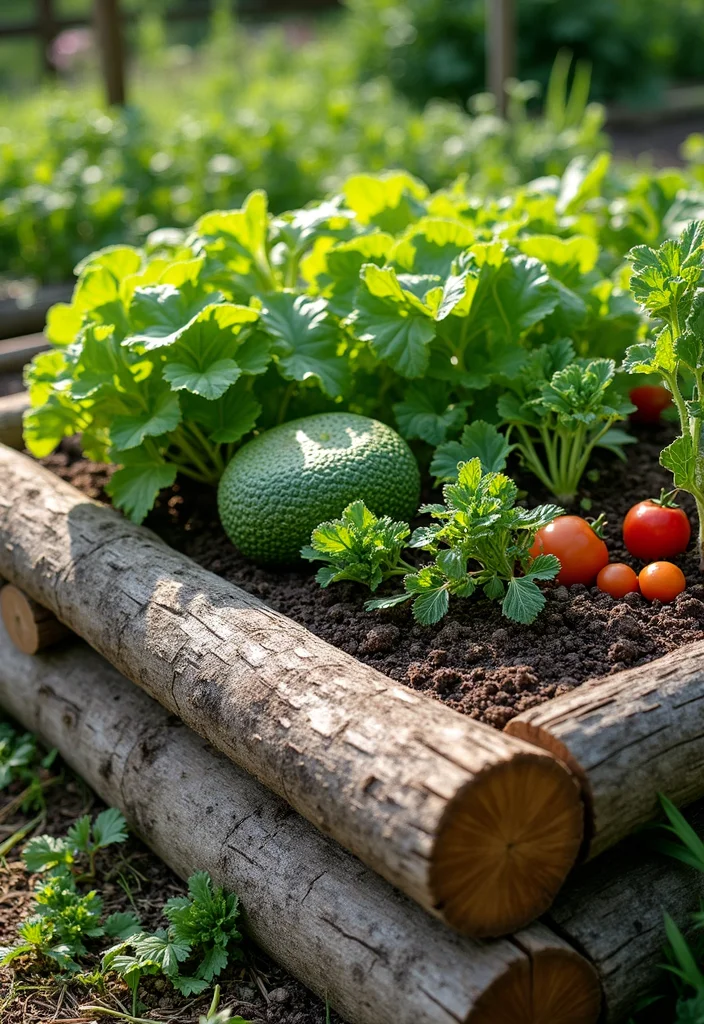
Hugelkultur is a fascinating gardening method that uses decomposing wood and plant materials in raised beds! This technique not only enriches the soil as the wood breaks down but also retains moisture, benefiting your vegetables with minimal watering. It’s an eco-friendly choice that can lead to thriving plants.
Start by layering logs, branches, and leaves in your raised beds, then cover them with soil before planting. Keep in mind that it takes time for the wood to decompose, so patience is key. This method can yield a lush garden while promoting sustainability.
• Layer logs and branches for a strong base
• Cover with soil before planting
• Be patient while the wood breaks down
• Keep your garden well-watered during the initial phase
With Hugelkultur, your garden will not only thrive but also support eco-friendly practices.
10. Spiral Herb Garden
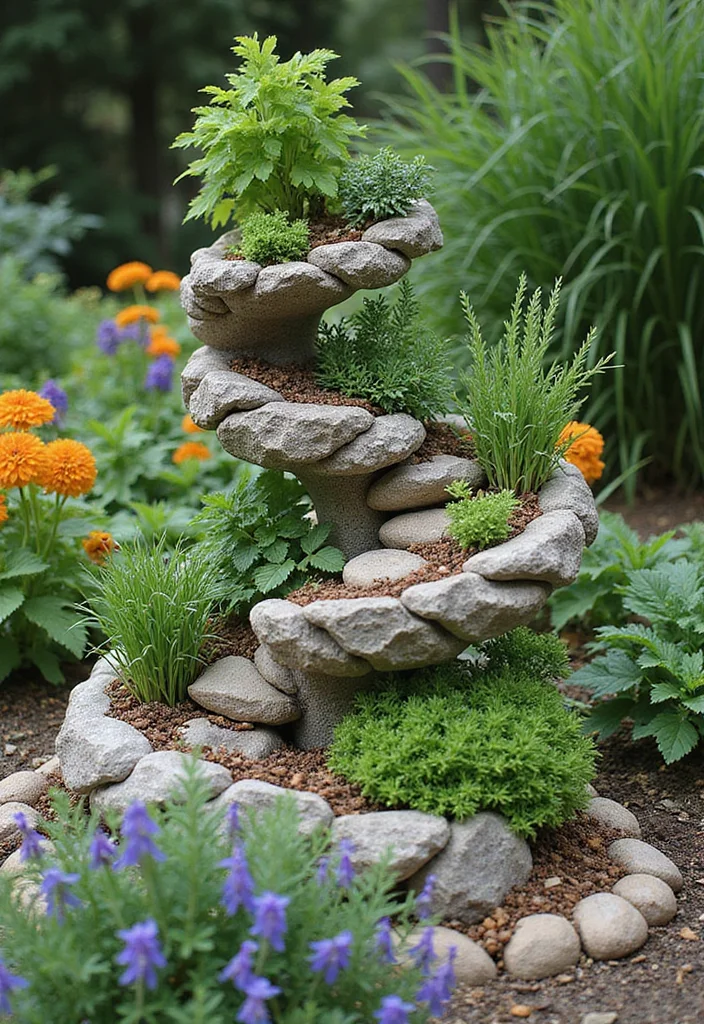
A spiral herb garden is both functional and a beautiful centerpiece! This design creates different micro-climates, allowing various herbs to thrive in one spot. You can easily snip fresh herbs for cooking right from your garden, providing convenience and flavor.
Build the spiral structure using stones or bricks to create a sturdy design. Plant sun-loving herbs at the top and moisture-loving ones at the bottom for optimal growth. Mixing annual and perennial herbs ensures you have fresh picks year-round, enhancing your culinary adventures.
• Build the spiral using stones or bricks for structure
• Plant sun-loving herbs at the top
• Include moisture-loving herbs at the bottom
• Combine annual and perennial herbs for varied harvests
With these tips, your spiral herb garden will be a delightful and useful addition to your home.
11. Wheelbarrow Garden
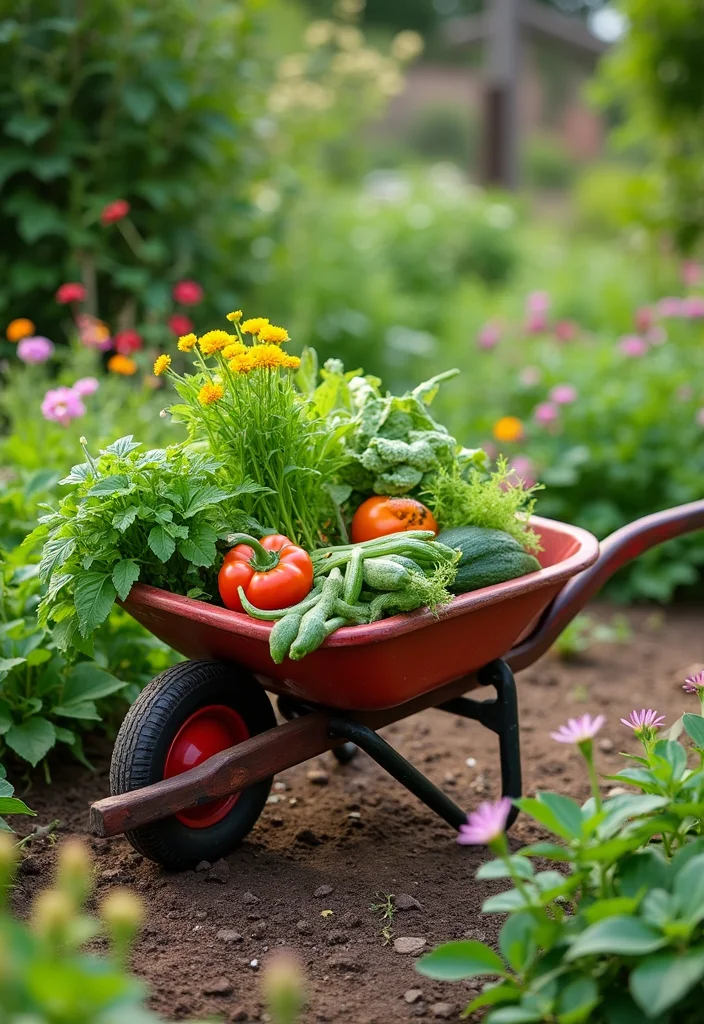
Why not transform an old wheelbarrow into a quirky garden bed? This fun idea adds charm and practicality to your gardening space! You can plant herbs and small vegetables directly in the wheelbarrow, making it easy to move around for sunlight or to showcase on your patio.
To make it work, ensure proper drainage by drilling holes in the bottom. Using high-quality potting soil will help your plants thrive, while changing out plants seasonally keeps things fresh and colorful. This method can be a great conversation starter, too!
• Drill holes for drainage in the bottom
• Use quality potting soil for plant health
• Change out seasonal plants for freshness
• Place in a sunny spot for optimal growth
With these tips, your wheelbarrow garden can be a unique and charming feature in your outdoor space.
12. Vertical Wall Planters
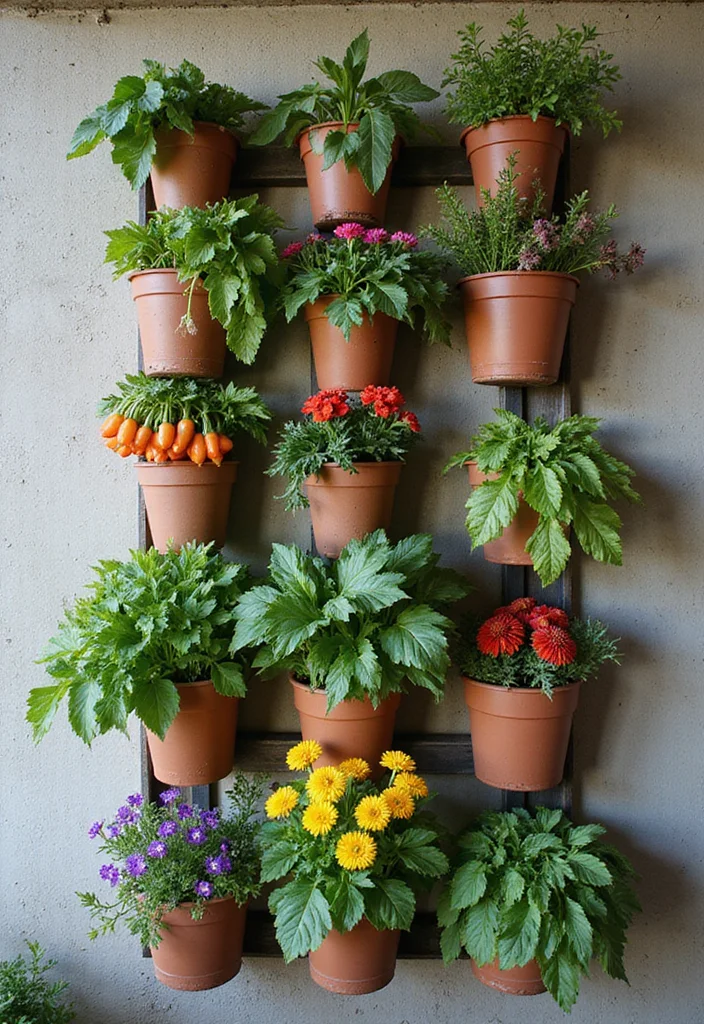
Turn a plain wall into a vibrant vegetable display with vertical wall planters! These planters can hold multiple pots, creating a lush vertical garden that dazzles the eye. You can grow trailing plants that spill over, making for a beautiful and practical addition to your home.
Ensure the wall gets adequate sunlight, and choose lightweight pots to avoid damaging the surface. A drip irrigation system can make watering easy and efficient, allowing your plants to thrive.
• Ensure the wall gets enough sunlight for growth
• Use lightweight pots to protect your wall
• Install a drip irrigation system for easy care
• Group pots by plant needs for better management
With these ideas, your vertical wall planters will become a stunning focal point in your garden.
13. Community Garden Beds
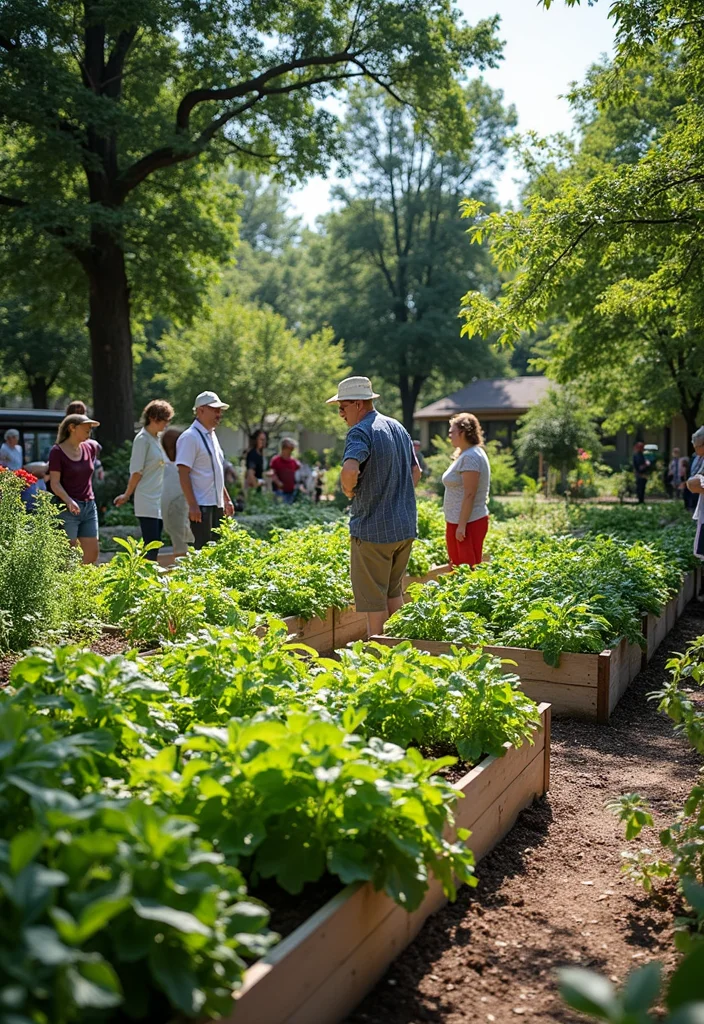
Participating in a community garden can expand your gardening horizons! You can share raised beds with neighbors, grow fresh produce together, and enhance your social circle. This collaboration often leads to shared knowledge, making gardening even more enjoyable.
Organizing seasonal events keeps enthusiasm high and fosters community spirit. Sharing your harvest will make the experience even sweeter, promoting friendship and cooperation among gardeners.
• Organize seasonal events for engagement
• Share your harvest to build community
• Rotate responsibilities for bed maintenance
• Collaborate on gardening tips and techniques
With these strategies, a community garden can be a vibrant and rewarding experience.
14. Greenhouse Raised Beds
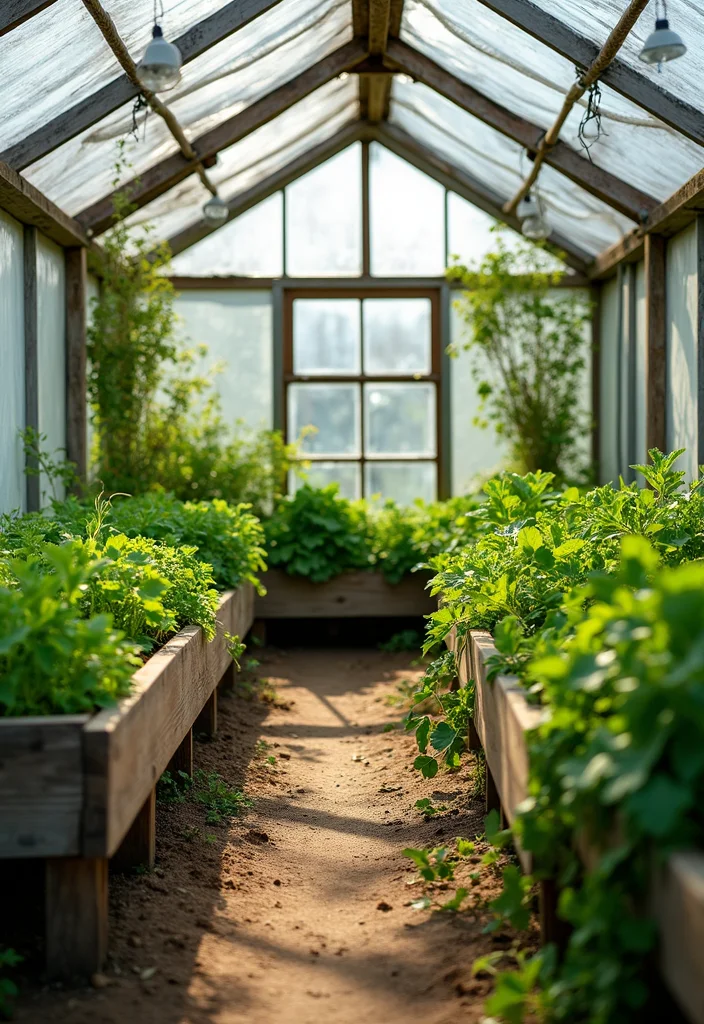
If you’re serious about gardening, consider adding raised beds inside a greenhouse! This setup allows you to grow year-round, protecting your plants from harsh weather and providing a perfect environment for growth. You can experiment with various plants, extending your harvest season beyond the usual limits.
Make sure to maintain proper ventilation to avoid overheating inside the greenhouse. Using raised beds will help maximize your space and ensure good drainage, creating an ideal setting for your plants.
• Ensure ventilation to prevent overheating
• Use raised beds for space efficiency
• Install heating mats for optimal growth
• Choose hardy plants for greenhouse conditions
With these tips, your greenhouse will become a thriving hub for your gardening dreams.
15. Edible Landscaping
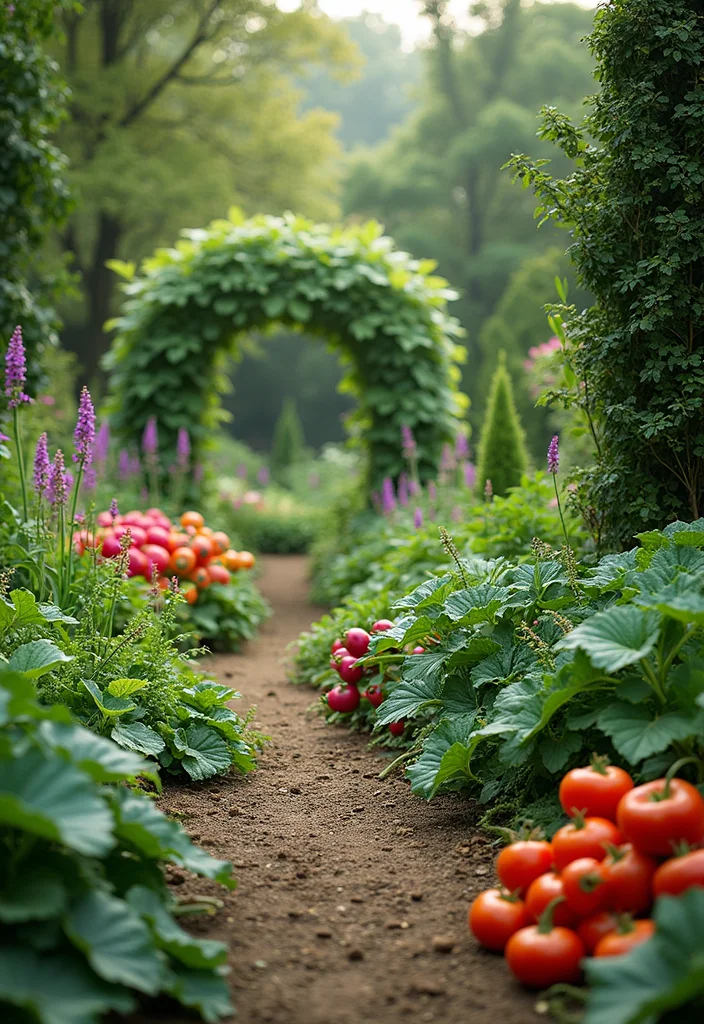
Blend beauty and functionality with edible landscaping! This approach mixes vegetables and herbs with ornamental plants, creating a stunning outdoor aesthetic. You can have a beautiful garden that not only pleases the eye but also provides fresh produce for your table.
Consider mixing colorful flowers with your vegetables for a visual feast. Opting for perennial plants can reduce maintenance while adding lasting beauty. Using shrubs or decorative fencing can help define your garden spaces, creating a structured yet inviting environment.
• Mix colorful flowers with vegetables for aesthetics
• Choose perennial plants for low-maintenance beauty
• Use shrubs or fencing to define areas
• Plan your layout for visual interest and access
With these ideas, your garden will be both beautiful and productive.
16. Companion Planting Beds
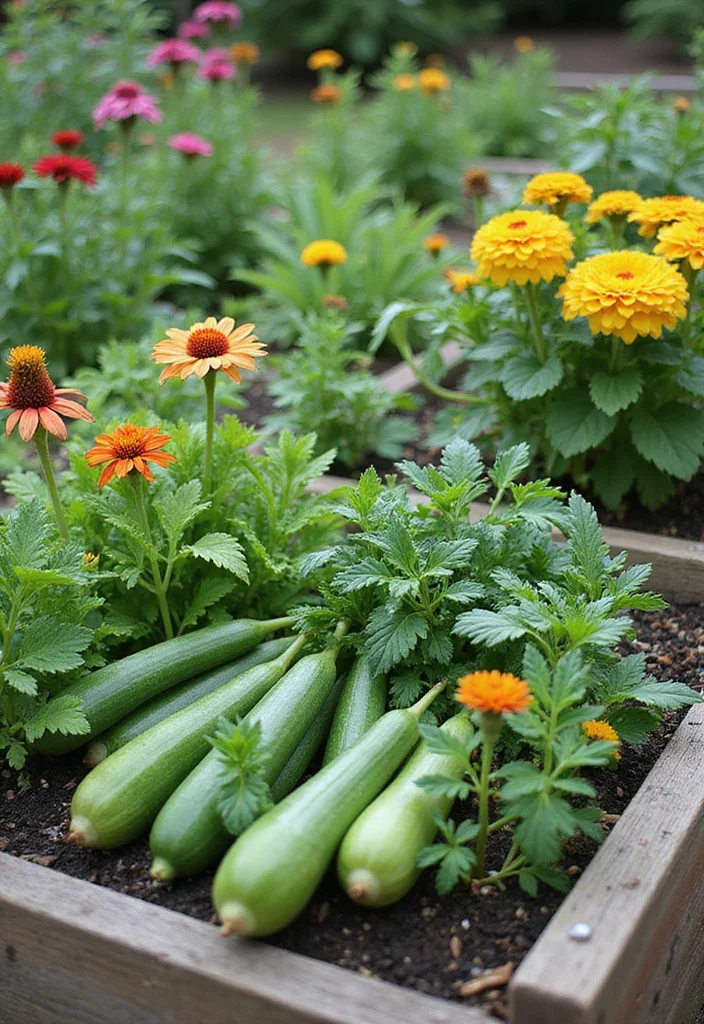
Create a thriving ecosystem by incorporating companion planting in your raised beds! Some plants do much better when grown together, enhancing growth and deterring pests. For example, tomatoes flourish when planted near basil, which can improve their flavor.
Research compatible pairs to ensure optimal yields in your garden. Rotating your crops each season helps prevent nutrient depletion and keeps your soil healthy. Including flowering plants will attract beneficial insects, enhancing your garden’s health.
• Research compatible plant pairings for success
• Rotate crops each season to maintain soil health
• Include flowers to attract beneficial insects
• Monitor growth for best results
With companion planting, your garden will flourish with a healthy balance of plants.
17. Seasonal Rotation Layout
Using a seasonal rotation layout can optimize your gardening efforts! By changing what you plant with each season, you enhance soil health and prevent pest problems. This method allows different plants to make the most of nutrients available at various times.
Keep a gardening journal to track your plantings and changes throughout the year. Using cover crops in the off-season enriches the soil, keeping it healthy for your next planting season. Planning ahead will make transitions seamless and successful.
• Keep a gardening journal to track growth
• Use cover crops to enrich soil in the off-season
• Plan ahead for smooth transitions between crops
• Rotate crops to maintain variety and health
With these strategies, your garden will thrive throughout the seasons.
Conclusion
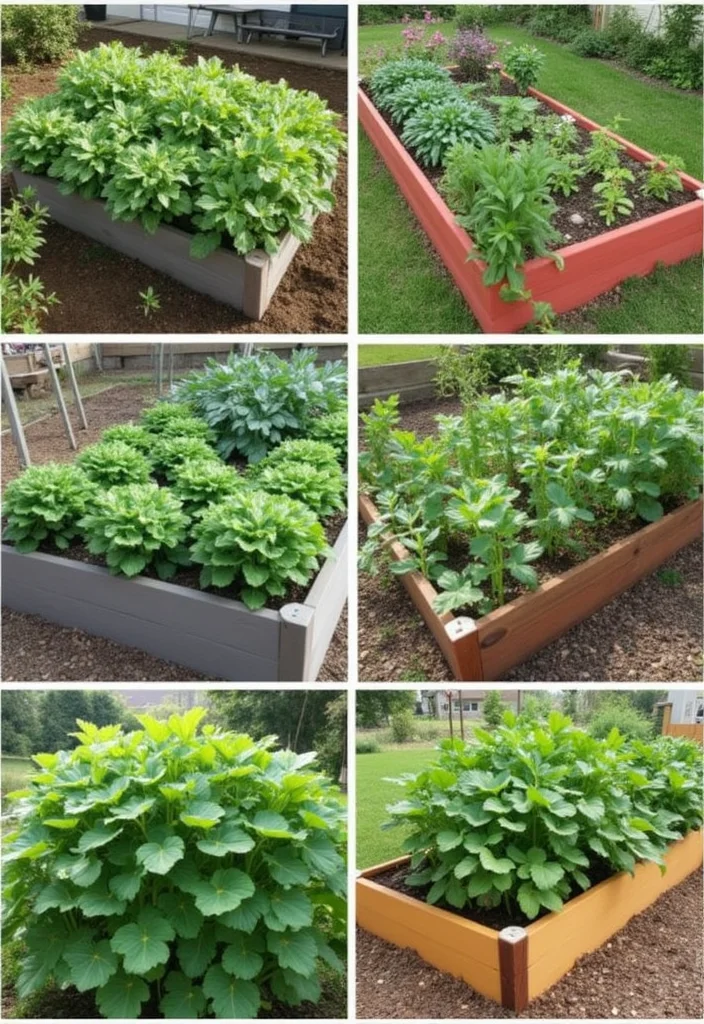
Creating a raised vegetable garden can transform small spaces into productive and beautiful havens!
With these 17 design inspirations, you can tailor your gardening experience to fit your lifestyle and preferences.
Get inspired, start planning, and enjoy the satisfaction of growing your own food right at home!
Frequently Asked Questions
What are the benefits of using raised garden beds for vegetables?
Raised garden beds offer numerous benefits for vegetable gardening! They improve drainage and soil quality, making it easier to grow healthy plants. You’ll also enjoy less weed competition and reduced soil compaction, which is great for root development. Plus, raised beds can be easier on your back and knees, allowing for a more comfortable gardening experience. So if you’re considering designs for your vegetable garden layout, raised beds are definitely worth exploring!
How can I design a functional vegetable garden layout in a small space?
Designing a functional vegetable garden layout in a small space can be both fun and rewarding! Start by selecting vertical gardening options like trellises or wall planters to maximize your space. Consider companion planting—growing plants that benefit each other together—to make the most of your garden area. Using raised garden beds can also help delineate your garden space and keep things organized. Remember, creativity is key, so think outside the box with your garden design ideas!
What are some gardening tips for beginners setting up raised vegetable gardens?
If you’re new to gardening and setting up raised vegetable gardens, don’t worry! Start with easy-to-grow vegetables like tomatoes, lettuce, and radishes to boost your confidence. Make sure to choose a sunny spot with good drainage and fill your beds with quality soil. Regularly check for pests and weeds, and don’t forget to water consistently. Following these basic gardening tips will help you enjoy a successful harvest season after season!
What are some innovative garden design ideas for small spaces?
When it comes to garden design ideas for small spaces, innovation is key! Consider using container gardening for flexibility—pots can be moved to capture sunlight or create visual interest. You can also incorporate hanging planters or vertical shelves to save ground space while still growing delicious veggies. Utilizing pathways and compact layouts can also enhance accessibility while maximizing your gardening potential. Get creative, and let your small space shine!
How do I maintain a raised vegetable garden throughout the growing season?
Maintaining a raised vegetable garden throughout the growing season is essential for a fruitful harvest! Regularly check your plants for signs of pests and diseases, and use organic methods to control them when possible. Keep your soil healthy by adding compost and organic fertilizers. Water consistently, especially during dry spells, aiming for deep watering to encourage root growth. Finally, don’t forget to regularly harvest your vegetables—this encourages more growth and keeps your garden productive!