

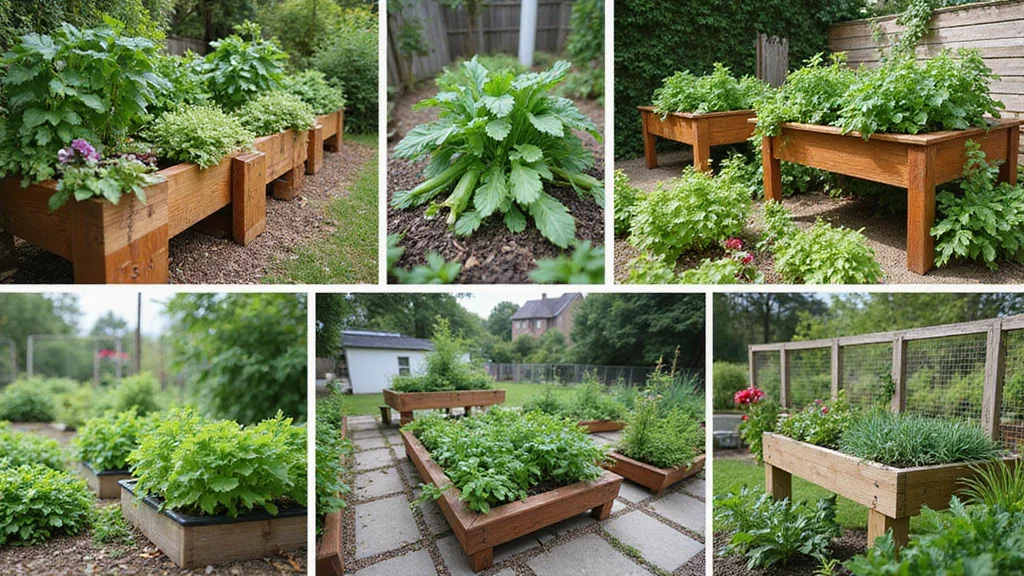
Are you looking to bring your gardening dreams to life, but feel like space is holding you back? I created this post to help you tackle that problem head-on. Raised garden beds are a fantastic solution for anyone wanting to grow their own vegetables and flowers without needing a sprawling yard. Whether you have a tiny balcony, a small backyard, or just a bit of outdoor space, building your own raised beds can open up a world of gardening possibilities.
If you’re someone who loves to dig into DIY projects and wants to cultivate your own greenery, this guide is perfect for you. You’ll find inspiration and practical ideas that cater to both beginner and seasoned gardeners alike. It doesn’t matter if you’re short on space or just looking for a new way to garden; the creative designs in this post will help you make the most out of your available area.
In this hands-on guide, I’ve gathered 20 creative build inspirations that are not only functional but also bring a unique flair to your gardening space. From pallet planters to vertical hydroponic systems, you’ll discover diverse options that suit your style and needs. Get ready to learn about backyard gardening tips that will have you planting in no time. Not only will you grow your favorite veggies, but you’ll also have fun building your own raised garden beds while adding beauty to your surroundings.
So grab your tools and let’s dive into the world of raised garden beds! You’ll find practical tips and tricks that make gardening accessible, enjoyable, and oh-so-rewarding.
Key Takeaways
– Discover 20 unique designs for raised garden beds that fit any space, from balconies to backyards.
– Learn how to utilize recycled materials like pallets and wine barrels for eco-friendly gardening.
– Explore vertical gardening solutions that maximize your growing area without sacrificing style.
– Get practical tips on maintenance and care for your DIY garden beds to ensure a bountiful harvest.
– Find inspiration to create an inviting garden space that not only produces food but also enhances your home’s outdoor aesthetic.
1. Pallet Planter Box
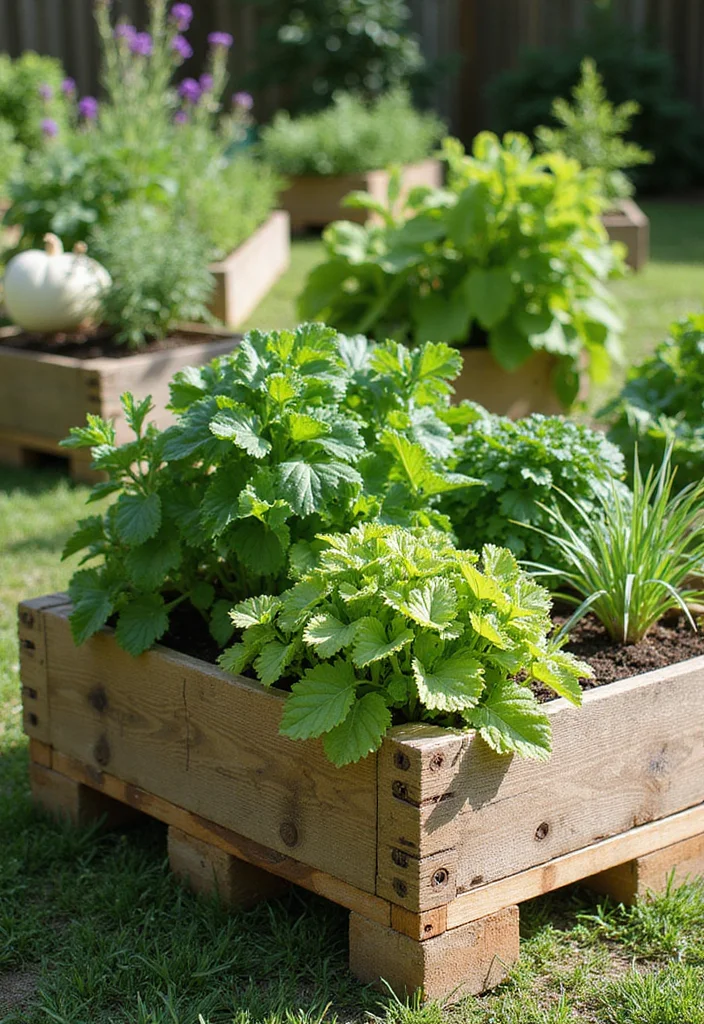
Creating a raised garden bed from wooden pallets brings a rustic charm to your outdoor space. You can easily dismantle a pallet and reassemble it into a box shape, securing the sides with screws. Consider using a natural wood finish or a splash of color with non-toxic outdoor paint to personalize it. Pinterest is filled with ideas showcasing these eco-friendly planters, and they truly stand out in any garden setting.
To keep costs low, look for pallets at local hardware stores or online marketplaces. Line the bottom with landscape fabric to retain soil while allowing for drainage. This simple design is perfect for growing herbs, small vegetables, or even flowers, making your garden feel vibrant and alive.
• Use reclaimed pallets for an eco-friendly option
• Paint with non-toxic outdoor paint for color
• Add landscaping fabric for drainage
• Fill with quality soil and compost for best results
With this pallet planter, you can create a cozy garden space that reflects your personality while being kind to the environment.
2. Vertical Hydroponic System
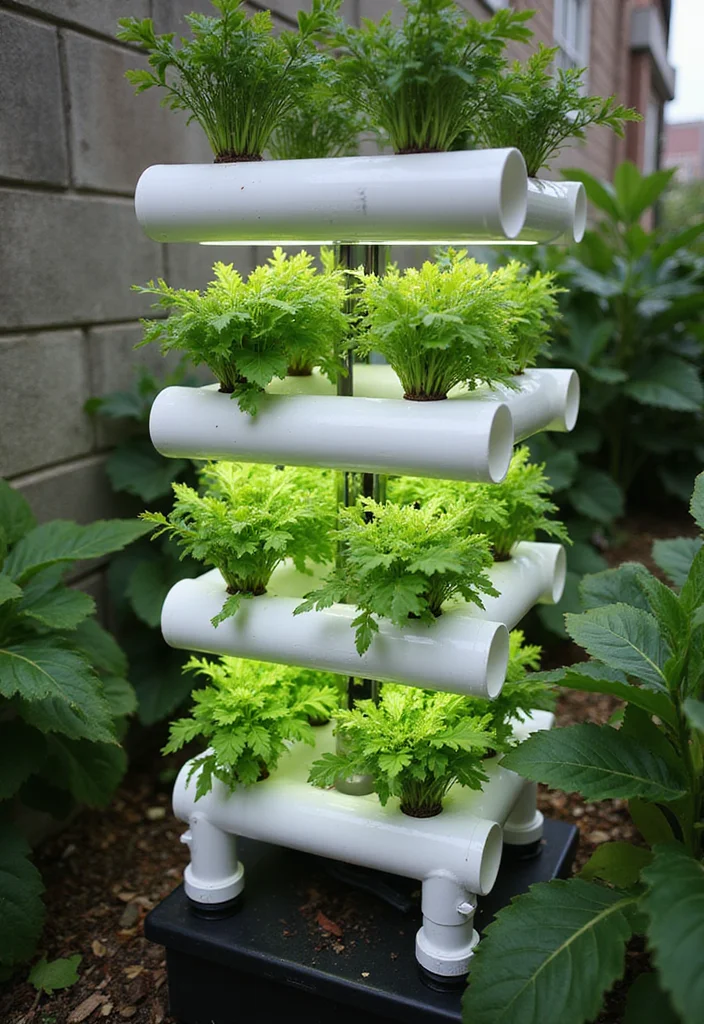
Imagine growing your favorite plants in a vertical hydroponic system that saves space and looks stunning! This method involves using vertical PVC pipes, where you can cut holes to insert your plants. The water pump circulates nutrients directly to the roots, making it an efficient way to garden. Many gardening blogs showcase these systems, illustrating how they can become a beautiful focal point.
For a budget-friendly approach, check local hardware stores for PVC materials. This system is ideal for herbs and leafy greens that thrive in controlled environments. Adding LED grow lights can further boost growth, especially in darker spaces, making your garden flourish year-round.
• Choose PVC pipes for vertical gardening
• Install a water pump for nutrient flow
• Include LED grow lights for extra support
• Plant leafy greens and herbs for best results
With this vertical hydroponic system, you’ll enjoy fresh produce while maximizing your gardening space.
3. Cinder Block Garden
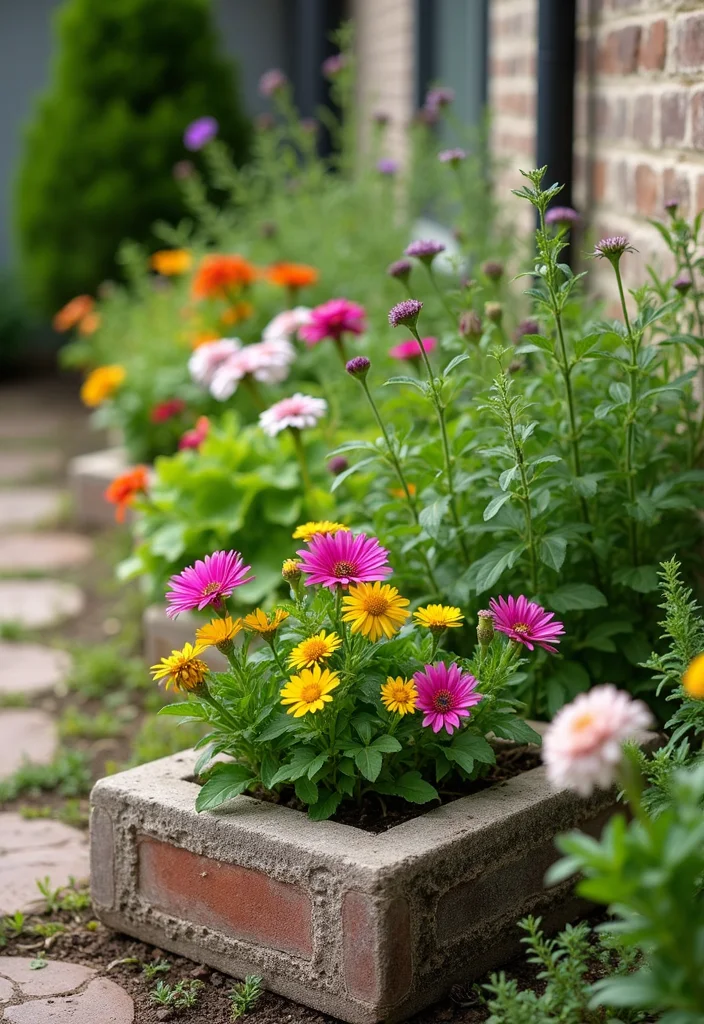
Cinder blocks make for a sturdy and versatile raised garden bed option. You can stack them to create a customized shape that fits your yard perfectly. The hollow centers can be filled with soil for planting or left empty for a unique look. Many garden enthusiasts use this method to create creative layouts, as seen in popular gardening forums.
To enhance your cinder block garden, consider painting the blocks in bright colors for a cheerful vibe. They are durable and weather-resistant, making them a long-term investment. This design is fantastic for maximizing small spaces while allowing for various plant types, from flowers to vegetables.
• Stack cinder blocks for a unique structure
• Fill hollow blocks with soil for planting
• Paint the blocks in bright colors for fun
• Arrange blocks in creative layouts to fit your style
With a cinder block garden, you can easily express your creativity while enjoying a productive gardening experience.
4. Tiered Garden Beds
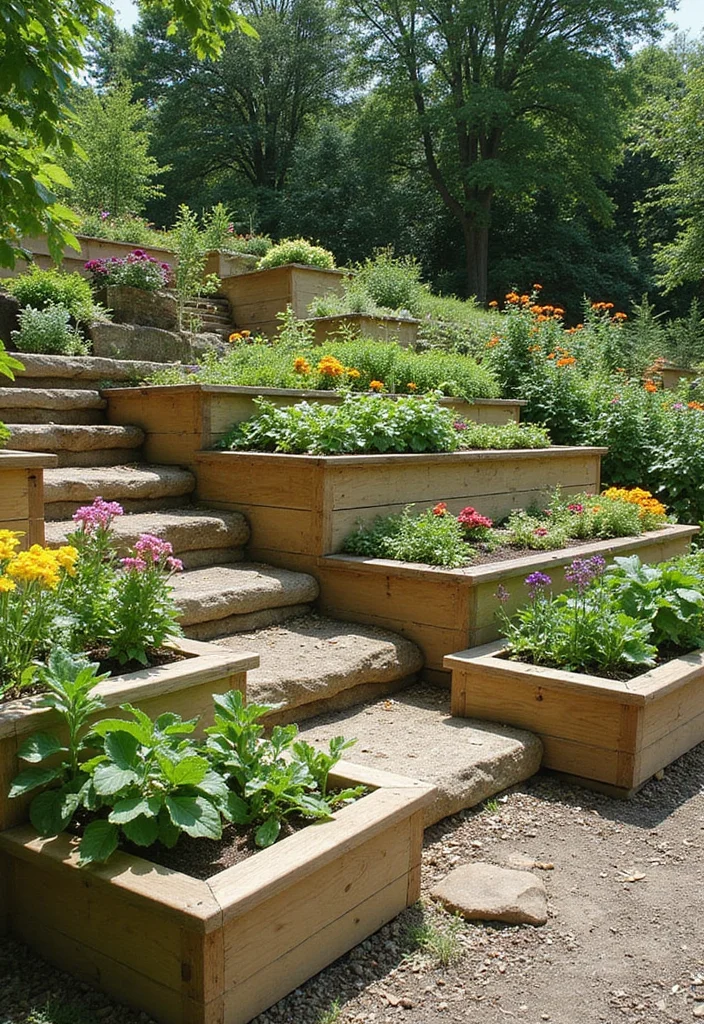
Tiered garden beds offer both beauty and practicality in your gardening space. By stacking layers made from wood or stone, you create a visually appealing design that also maximizes growing area. Each tier can host different plants, allowing for diverse gardening options. This idea is frequently shared on gardening websites, showcasing how to make the best use of vertical space.
When building tiered beds, carve out small pathways between levels for easy access and maintenance. Consider using different soil types for each tier to cater to various plant needs. This setup not only organizes your garden but also enhances its aesthetic appeal, creating a welcoming environment.
• Build wood or stone tiers for structure
• Create pathways for easy access
• Use different soil types for each tier
• Decorate with flowers and vegetables for diversity
With tiered garden beds, you’ll enjoy both a stunning view and a productive garden.
5. Metal Raised Beds
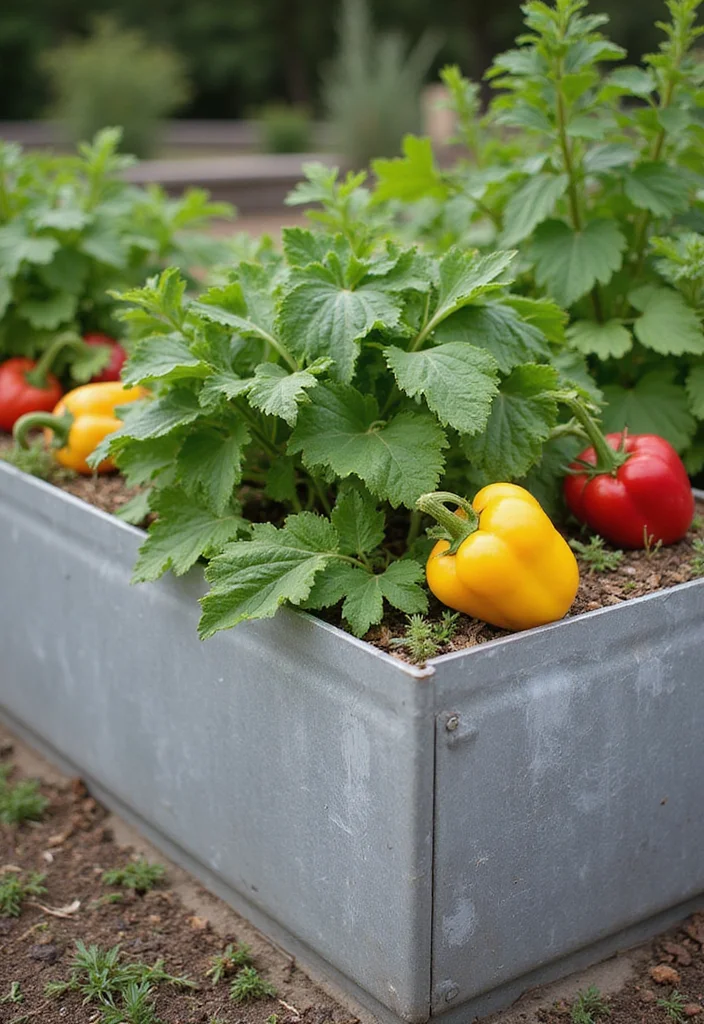
For a sleek, modern look, consider metal raised garden beds made from galvanized steel or corrugated metal. These materials are not only durable but also provide excellent drainage for your plants. Their industrial flair adds a contemporary touch that you’ll often find in urban gardens showcased online.
When selecting metal beds, ensure they are lined with landscaping fabric to protect roots from excessive heat. This design is versatile and comes in various shapes and sizes, fitting easily into any space. Optimal for warm climates, these beds help your plants thrive while looking stylish.
• Choose galvanized or corrugated metal for durability
• Line with landscaping fabric for root protection
• Paint with rust-resistant paint for style
• Perfect for warm climates to ensure drainage
With metal raised beds, you can achieve a contemporary garden that’s both functional and attractive.
6. Recycled Container Garden
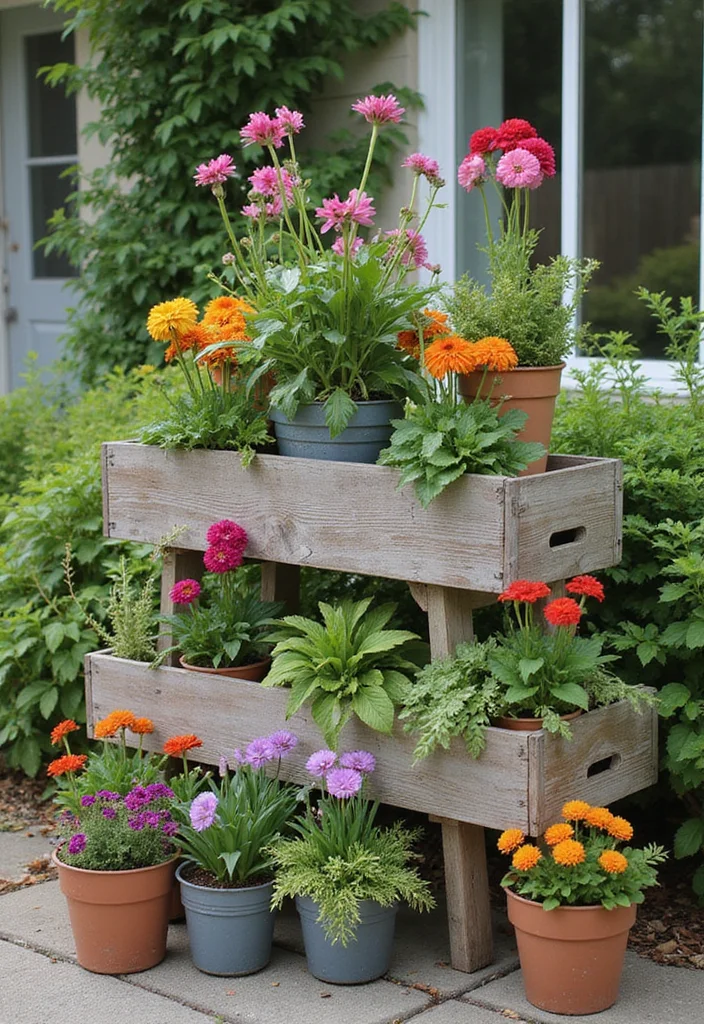
Recycling old containers into raised garden beds is a creative way to garden sustainably. You can repurpose items like wooden crates, bathtubs, or buckets to create a one-of-a-kind garden. This method allows you to fill them with soil and plant a variety of herbs, flowers, or vegetables. Many DIY enthusiasts love this approach, as it adds a personal touch to their outdoor spaces.
To add visual interest, arrange containers at different heights. This makes it easier for plants to receive sunlight while also creating a dynamic garden display. Remember to drill drainage holes in containers that don’t already have them for healthy growth.
• Repurpose old containers for gardening
• Fill with soil and plants for variety
• Arrange at varying heights for interest
• Drill drainage holes for healthy plants
With a recycled container garden, you can express your creativity while being eco-friendly.
7. Raised Beds on Wheels
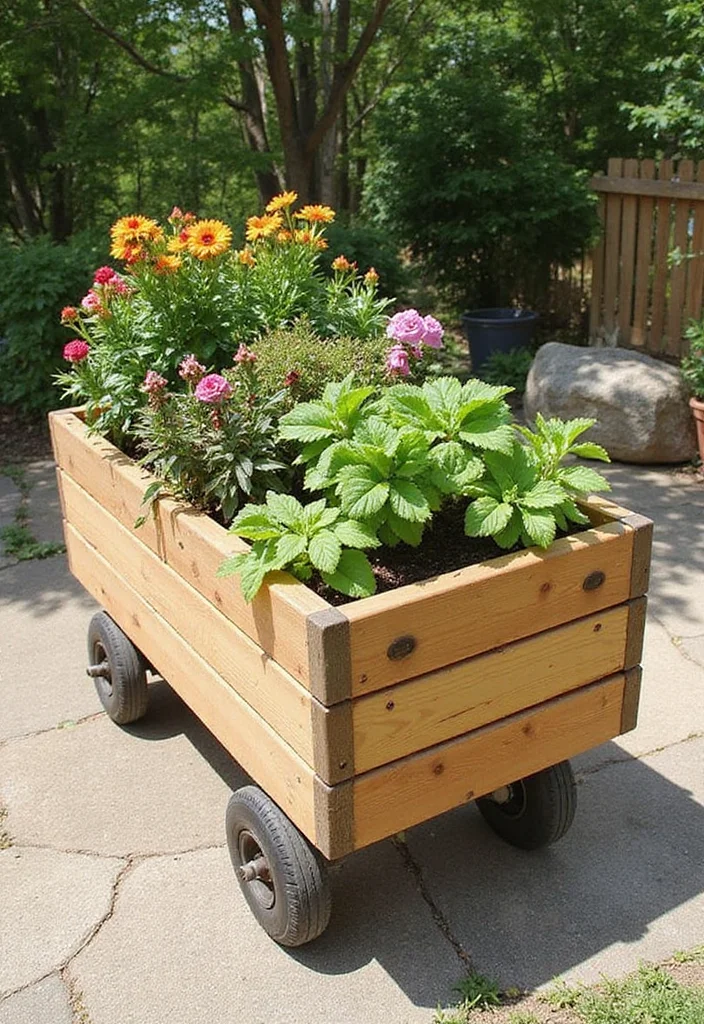
Raised beds on wheels bring mobility to your gardening experience. This design allows you to easily move your garden to catch sunlight or seek shade, depending on your plants’ needs. Use sturdy wooden frames and attach wheels to the bottom for easy maneuverability. This idea is great for patios or small spaces where flexibility is key.
Locking wheels ensure your raised beds stay in place once you’ve found the perfect spot. This setup is especially helpful for those with limited mobility, making gardening accessible and enjoyable.
• Build wooden frames for raised beds
• Add wheels for mobility
• Use locking wheels for stability
• Position according to sunlight and weather needs
With raised beds on wheels, you can enjoy a flexible and manageable gardening experience.
8. Gardening Ladder
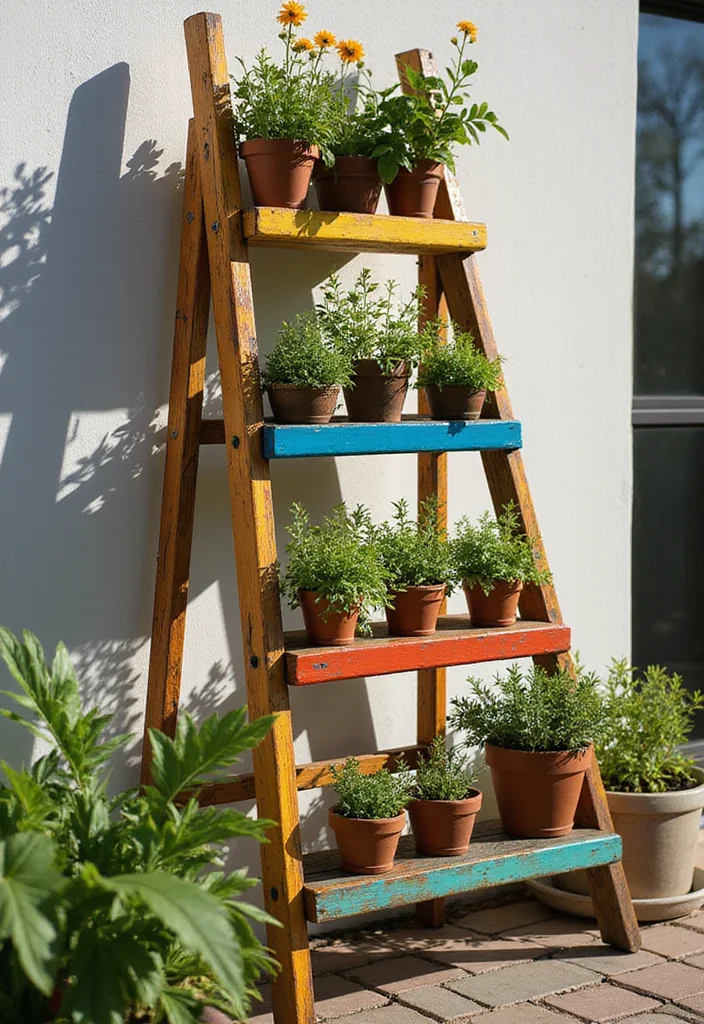
Turn an ordinary wooden ladder into a charming vertical garden! By positioning the ladder horizontally or vertically, you can attach pots at different levels, creating a beautiful display. This idea is perfect for trailing plants, like strawberries or colorful flowers, adding an artistic touch to your garden.
Choose lightweight pots for easy maintenance and to make it simple to rearrange your display. You can also paint the ladder in bright colors or leave it rustic for a unique aesthetic. This approach is great for small urban gardens where space is limited.
• Use an old ladder for your garden
• Attach lightweight pots at varying levels
• Paint or stain for visual interest
• Perfect for trailing plants for added beauty
With a gardening ladder, you can create a stunning vertical space that’s both practical and visually appealing.
9. Gutter Gardens
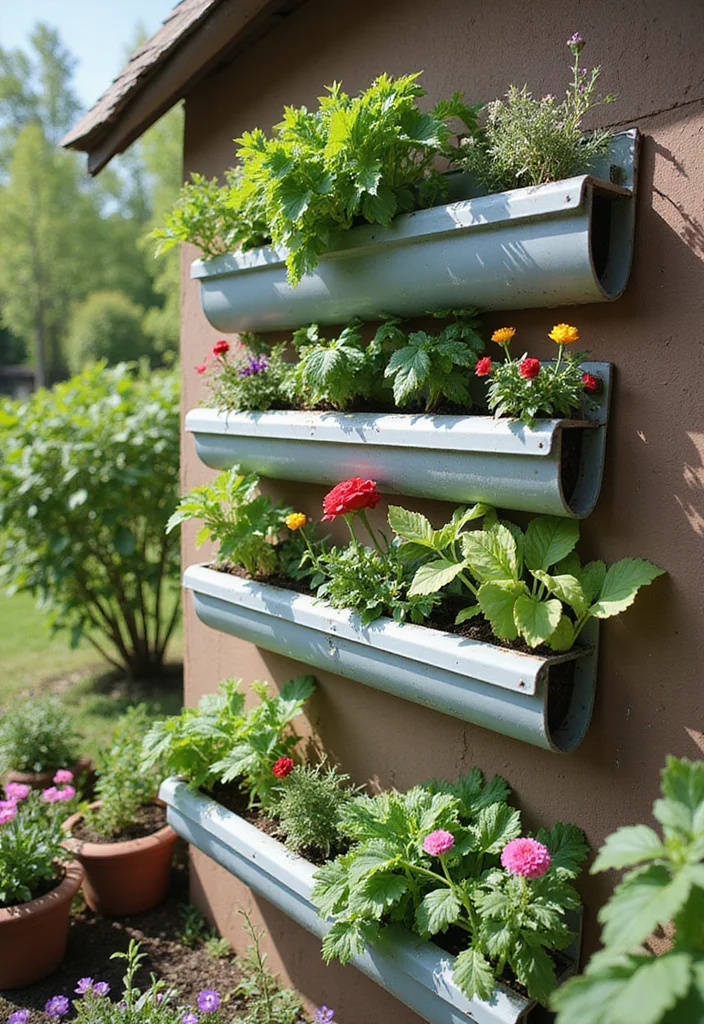
Repurposing old gutters into raised garden beds is a clever and efficient idea! You can attach sections of gutters to a fence or wall, filling them with soil to create a vertical garden. This method is ideal for growing herbs and small flowers, making the most out of limited ground space. Many gardeners appreciate this unique design for its creativity and practicality.
To ensure your plants thrive, drill drainage holes in the bottom of the gutters. This helps prevent water buildup and keeps your plants healthy. This approach not only maximizes space but also adds an attractive feature to your garden.
• Attach gutters to fences or walls
• Fill with soil for planting
• Drill drainage holes for plant health
• Great for herbs and small flowers
With gutter gardens, you’ll enjoy a unique and functional gardening solution that looks beautiful.
10. Brick Raised Beds
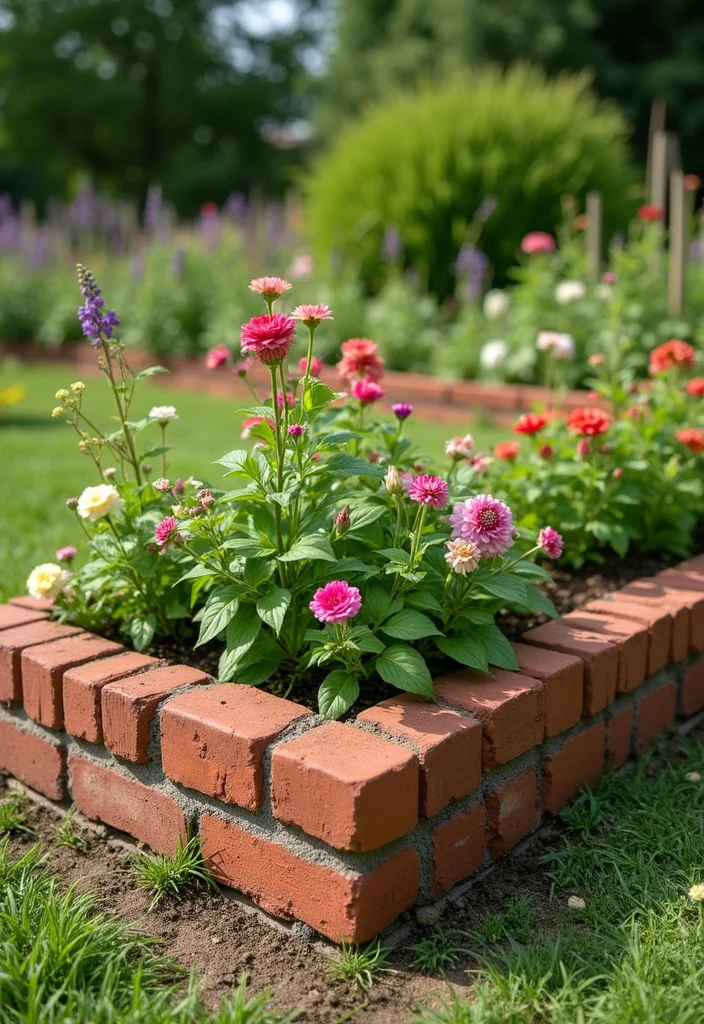
Brick raised garden beds offer a classic and timeless look for your garden. Their durability ensures they last for many years, providing excellent drainage for your plants. You can arrange bricks in various shapes and sizes to fit your space, making them a versatile choice. This style is often showcased in landscaping magazines for its aesthetic appeal.
Consider leaving the bricks in their natural state for a rustic feel, or paint them for a fun pop of color. Filling the bottom with stones can improve drainage, especially if you’re planting in heavier soil. This setup allows for a variety of planting options, from vegetables to flowers.
• Use bricks for a classic look
• Arrange in various shapes for customization
• Fill with stones for drainage
• Suitable for diverse planting options
With brick raised beds, you can create a stunning garden that stands the test of time.
11. Fabric Raised Beds
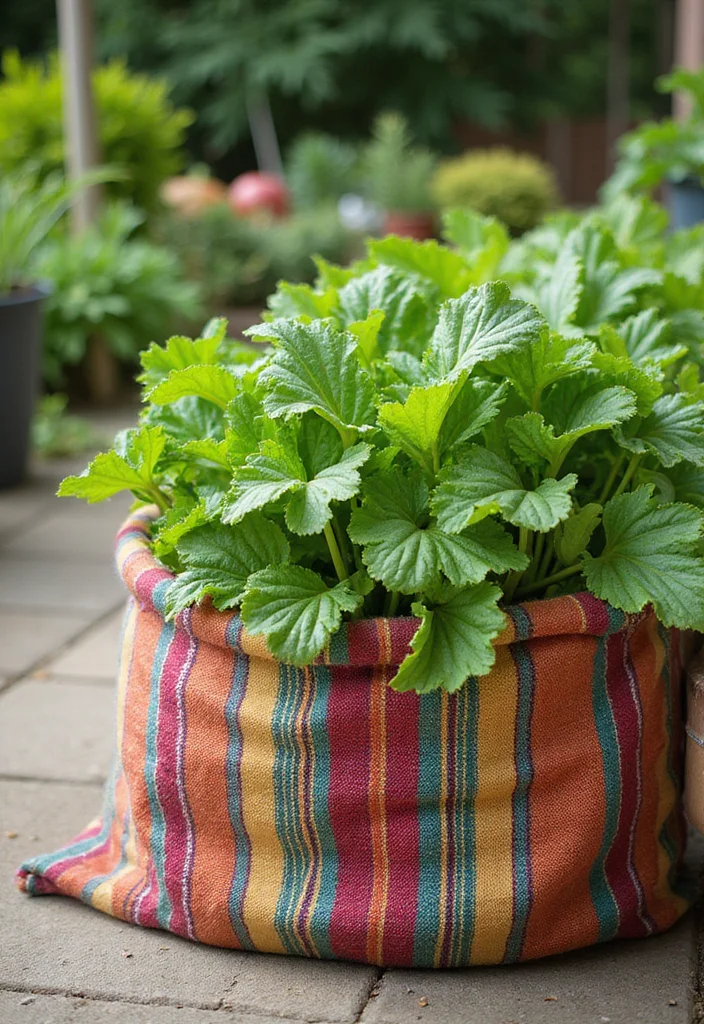
Fabric raised garden beds present a lightweight and portable gardening option. Made from breathable materials, they provide excellent air circulation for plant roots while allowing for good drainage. These beds can easily be moved, making them perfect for small yards or balconies. Many urban gardeners appreciate this flexibility, as shown in various gardening blogs.
Choose UV-resistant fabric to help your garden bed last longer in the sun. Fill with nutrient-rich soil and plant your favorite veggies or flowers. This option enables you to enjoy gardening without the constraints of traditional beds.
• Select breathable fabric for air circulation
• Ensure UV resistance for durability
• Fill with nutrient-rich soil for healthy plants
• Ideal for urban gardening in limited spaces
With fabric raised beds, you can enjoy a flexible and thriving garden in any location.
12. Reclaimed Wood Beds
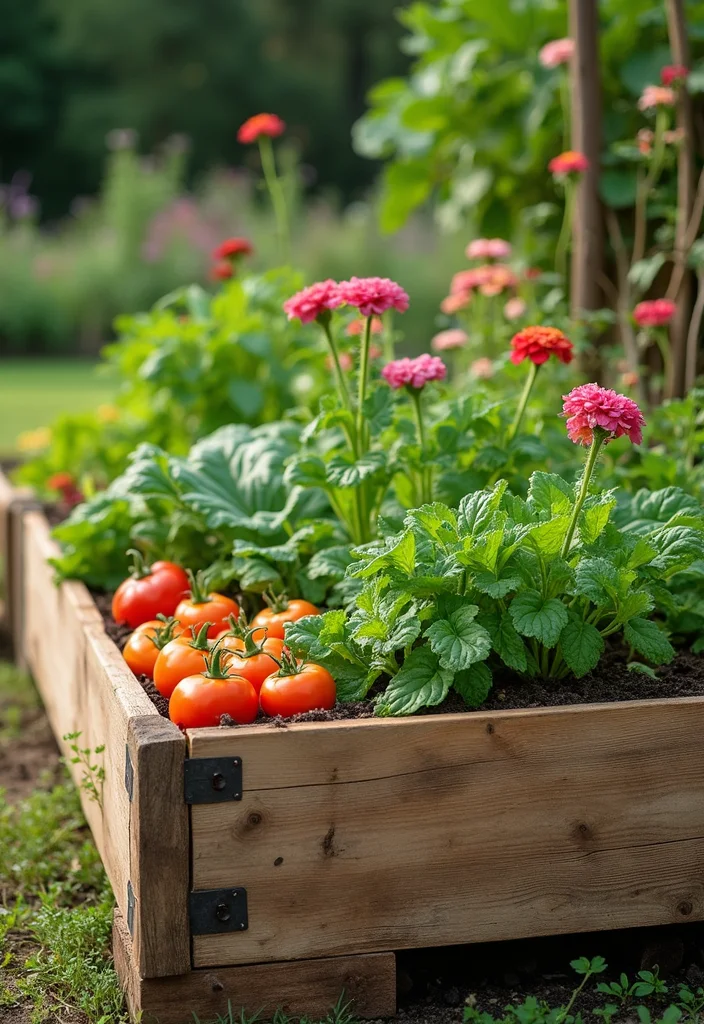
Using reclaimed wood for raised garden beds is a sustainable choice that adds character to your space. Look for old wood from pallets, fences, or furniture to create a rustic bed. Each piece has a story, making your garden unique and personal. This method is often cost-effective, as you can repurpose materials you already have.
Treat the wood to prevent rot and ensure it lasts longer. Mixing different wood types can add texture and visual interest to your garden. This eco-friendly option allows you to showcase your creativity while being kind to the planet.
• Source old wood from various places
• Treat to prevent rot for longevity
• Mix wood types for added texture
• Eco-friendly option for your garden
With reclaimed wood beds, you can create a beautiful and sustainable garden that reflects your values.
13. Wine Barrel Gardens
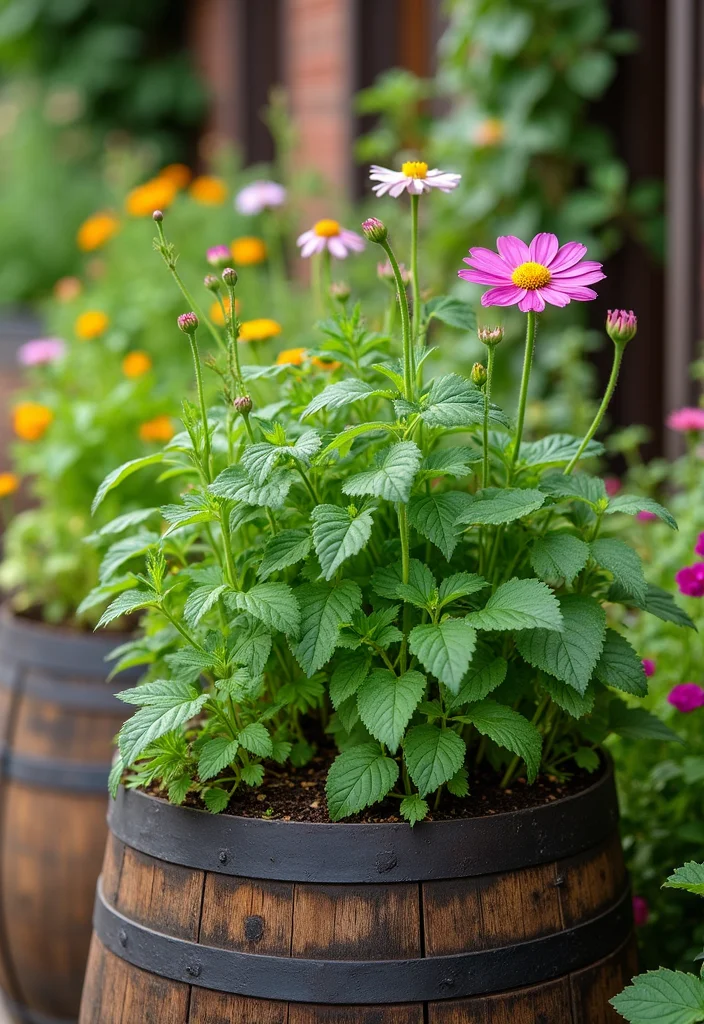
Old wine barrels make for stunning raised garden beds! You can cut them in half or use them whole for a unique look that adds charm to your garden. These barrels provide excellent drainage and are perfect for herbs, flowers, or even small vegetables. Many gardeners love this idea, as it brings a rustic element to their outdoor space.
Lining the inside with landscaping fabric helps prolong the life of the wood and keeps soil intact. Position barrels on decks or patios to create an attractive display that’s also functional. This setup enhances your garden’s character while making it easy to maintain.
• Use old wine barrels for uniqueness
• Cut in half or use whole for style
• Line with landscaping fabric for longevity
• Perfect for herbs and small plants
With wine barrel gardens, you can infuse your space with charm and creativity.
14. Stackable Planters
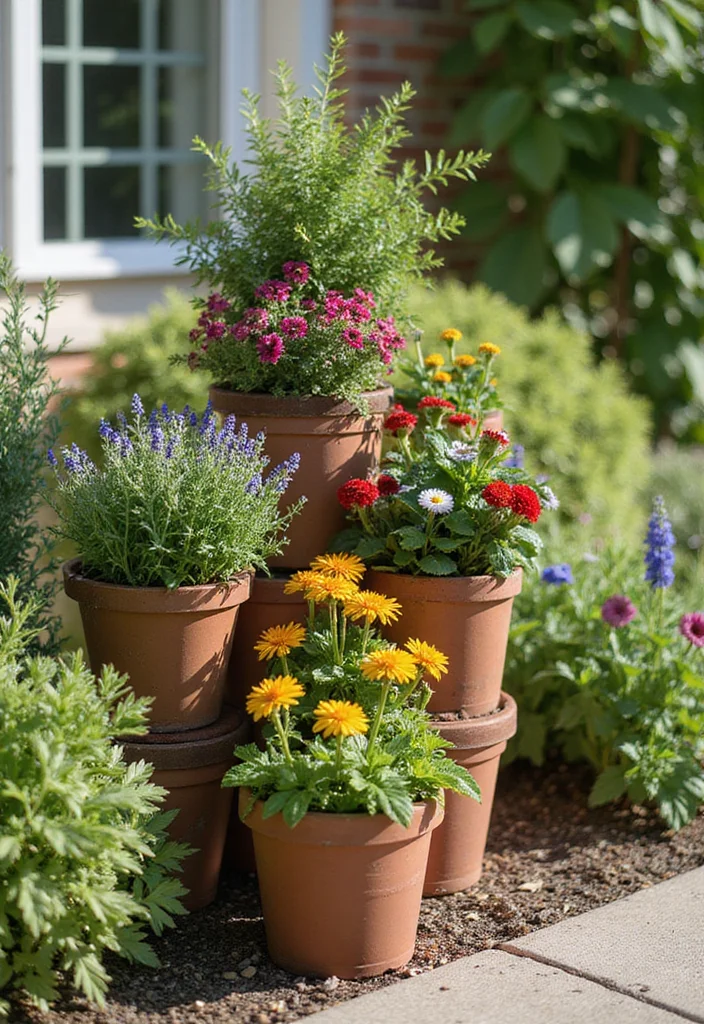
Stackable planters are perfect for maximizing vertical space in your garden. These planters can be easily assembled, allowing you to customize height and shape to fit your area. Each tier can hold different plants, creating an attractive and diverse display. Many urban gardens feature this clever solution, showcasing how to make the most of small spaces.
Ensure proper drainage for each section to keep your plants healthy and thriving. This option not only saves space but also adds visual interest to your garden layout.
• Assemble stackable planters for versatility
• Fill each tier with different plants for variety
• Ensure proper drainage for healthy growth
• Customize height and shape to fit your garden
With stackable planters, you can enjoy a beautiful garden display even in tight spaces.
15. Vertical Trellis Beds
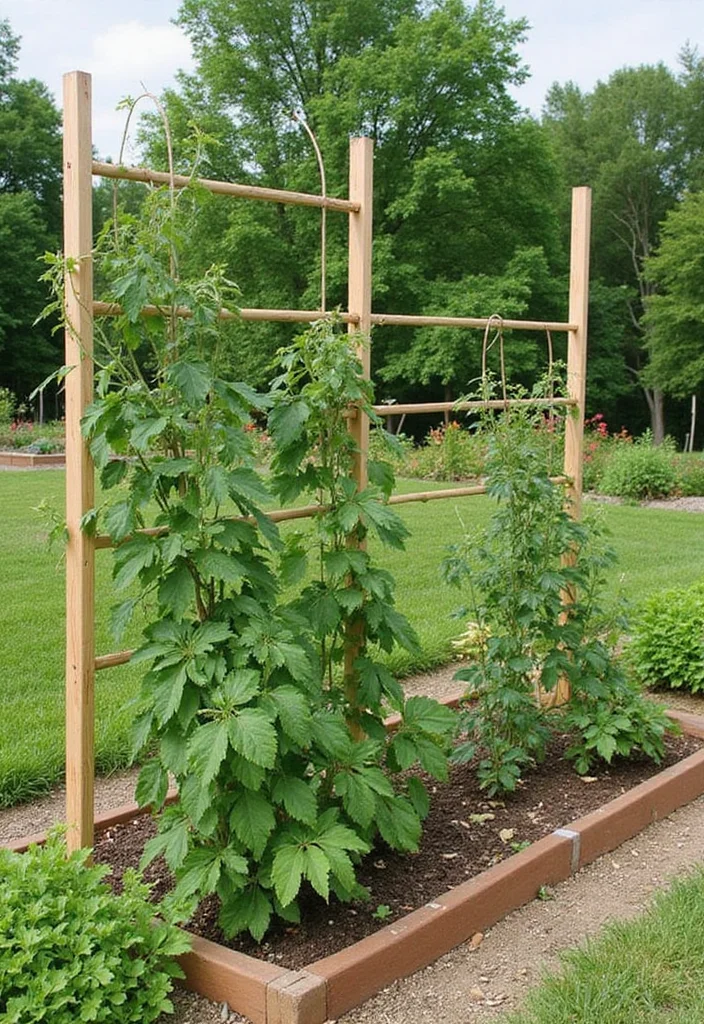
Combining trellises with raised beds is a great way to maximize space while growing climbing plants. You can create a raised bed with a trellis on one side for plants like tomatoes or cucumbers. This design not only organizes your garden but also enhances its beauty, as seen in many gardening magazines.
Secure the trellis well to ensure it supports the plants as they grow. This setup allows you to enjoy a bountiful harvest without taking up too much ground space. You can easily customize the design for your specific needs.
• Build raised beds with a trellis for climbing plants
• Secure the trellis for support
• Choose sturdy plants for the best results
• Organize your garden for easy maintenance
With vertical trellis beds, you can grow an abundant garden while maximizing your planting space.
16. DIY Vertical Pipe Garden
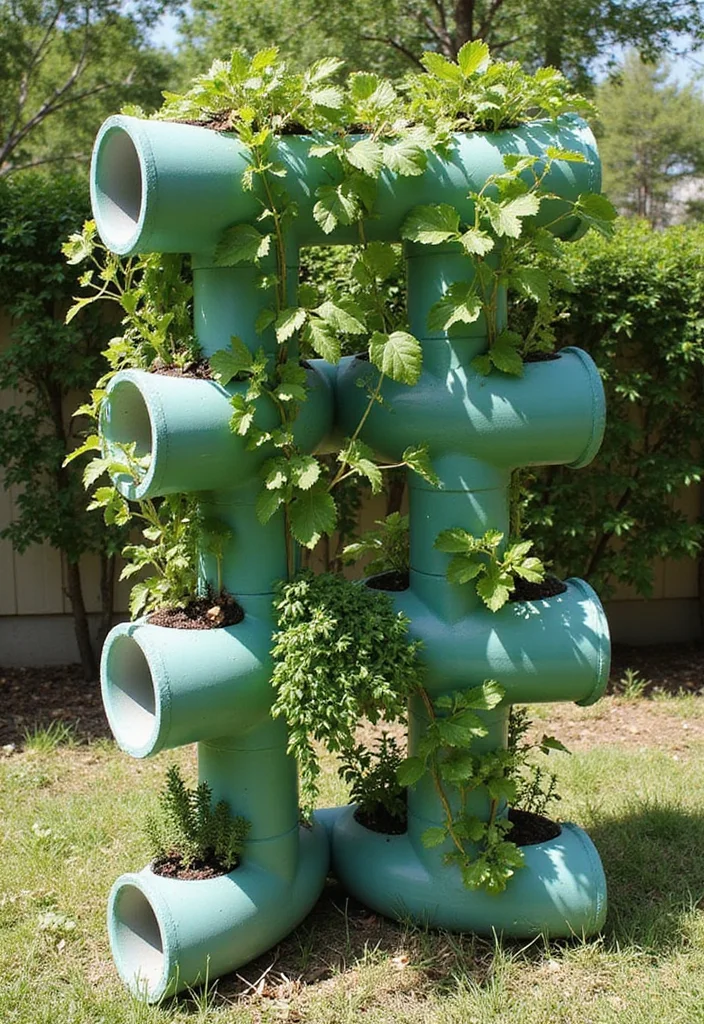
Turn PVC pipes into a stylish vertical garden that saves space and adds interest! You can cut holes in an upright PVC pipe to create planting spots for herbs or small veggies. This method looks great and conserves water through its gravity-fed design. Many DIY gardeners enjoy this creative approach, as it allows for unique displays.
Position the pipe in a sunny area for optimal growth. To personalize it, paint the pipe with outdoor-friendly colors or decorate it as you wish. This vertical garden is not only eye-catching but also practical for small spaces.
• Cut holes in PVC pipes for planting
• Fill with soil for your plants
• Position in a sunny spot for best growth
• Paint or decorate for personal touch
With a DIY vertical pipe garden, you can create a unique and functional feature in your garden.
17. Hanging Garden Beds
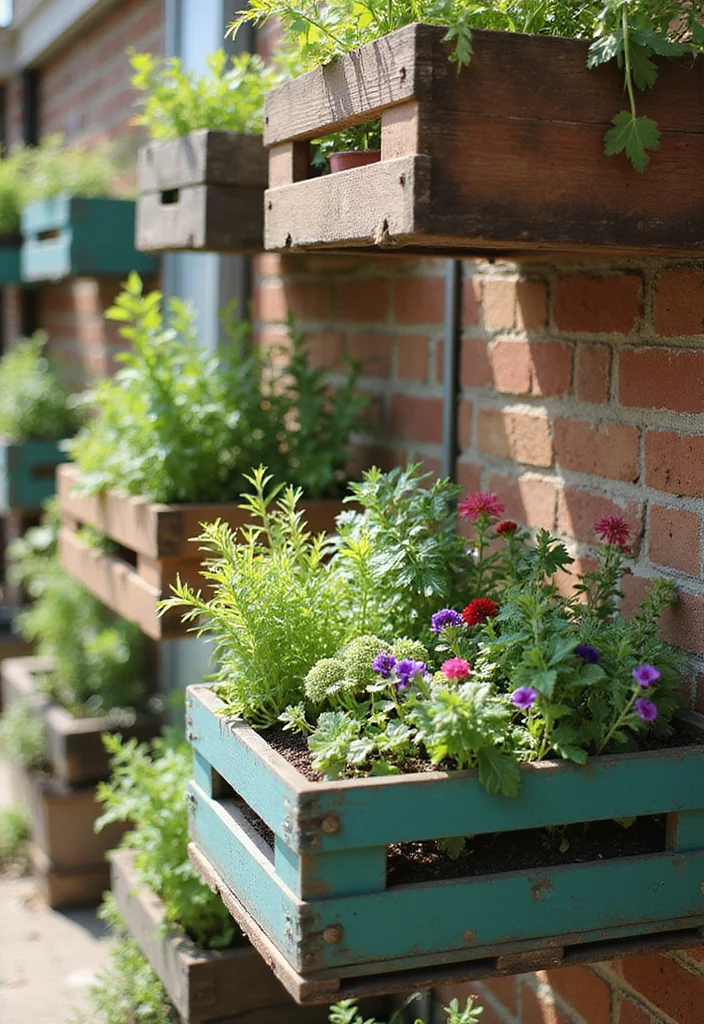
Hanging garden beds offer a fun and creative way to garden above ground! You can use old crates, baskets, or pots hung from a sturdy frame. This design is especially great for trailing plants or herbs, allowing them to overflow beautifully. Many gardeners love this approach for its unique visual appeal.
Make sure everything is securely fastened to prevent accidents. Using lightweight materials allows for easy handling and rearranging. This setup not only saves ground space but also adds a charming touch to your garden.
• Hang old crates or pots for gardening
• Use lightweight materials for easy handling
• Create a cascading effect with trailing plants
• Secure everything well for safety
With hanging garden beds, you can enjoy a creative and visually appealing gardening experience.
18. Herb Spiral
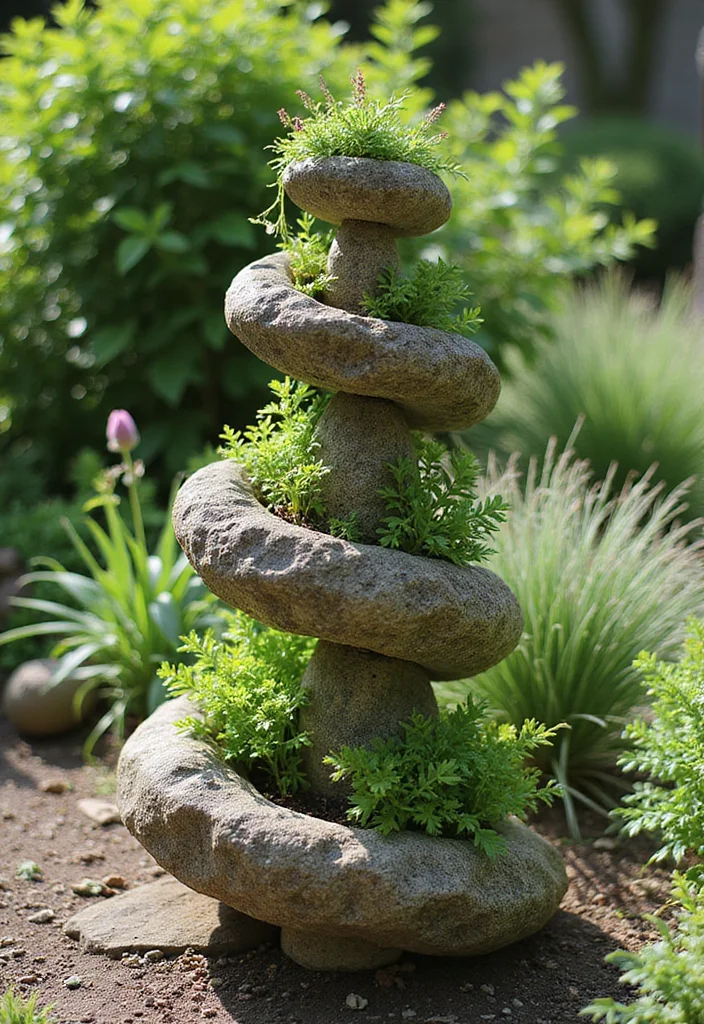
An herb spiral is a unique and efficient way to grow various herbs in a compact design. You can use stones or bricks to create a spiral structure that rises in the center. This design allows for different micro-climates, ensuring that herbs with varying light and water needs can thrive together. Many gardeners find this method both functional and beautiful.
Fill the spiral with compost and plant your favorite herbs for a bountiful harvest. To enhance irrigation, incorporate a water catchment system at the top. This way, you maximize space while adding a stunning feature to your garden.
• Build a spiral structure with stones or bricks
• Fill with compost for planting
• Plant various herbs for diversity
• Add a water catchment system for irrigation
With an herb spiral, you can enjoy a beautiful and productive garden space.
19. PVC Vertical Garden Wall
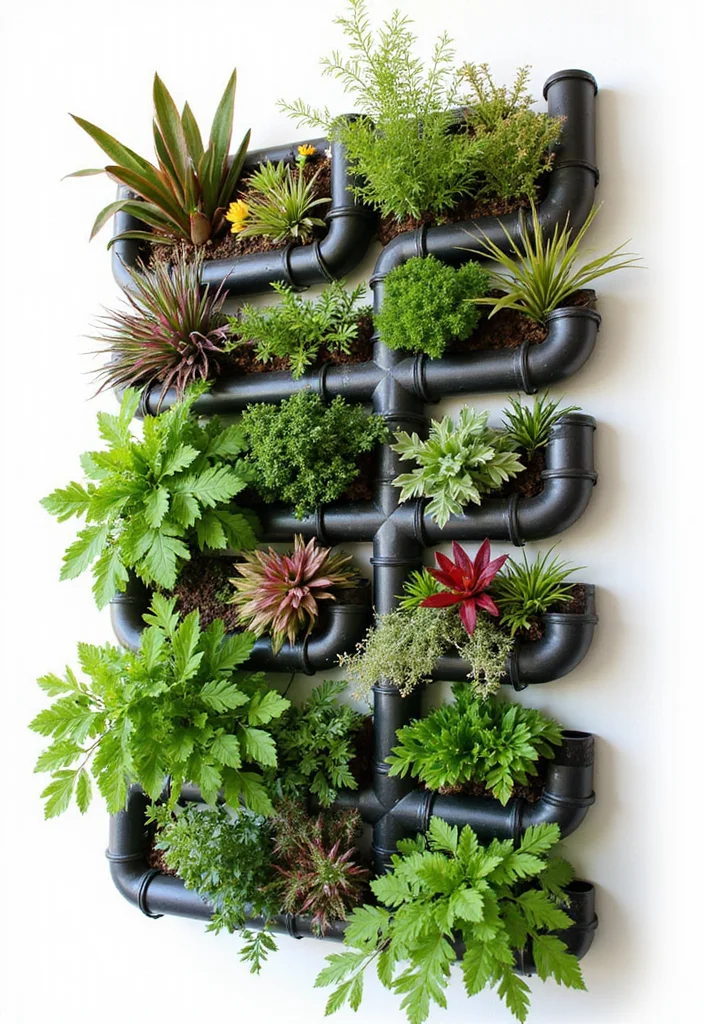
Create a sleek vertical garden wall using PVC pipes for a stylish look! This project combines functionality with aesthetics, providing plenty of space for various plants. Drill holes in the pipes and attach them to a wall or fence for a unique display. Many gardening enthusiasts showcase this idea for its modern appeal.
Fill the pipes with potting soil and your favorite plants for a vibrant display. Using a drip irrigation system can make watering easier and help maintain the plants. This design is perfect for limited gardening areas while adding visual interest.
• Construct a vertical garden wall with PVC pipes
• Drill holes for planting in the pipes
• Use potting soil for healthy growth
• Implement a drip irrigation system for easy care
With a PVC vertical garden wall, you can create an eye-catching feature that’s both practical and stylish.
20. Urban Garden Box
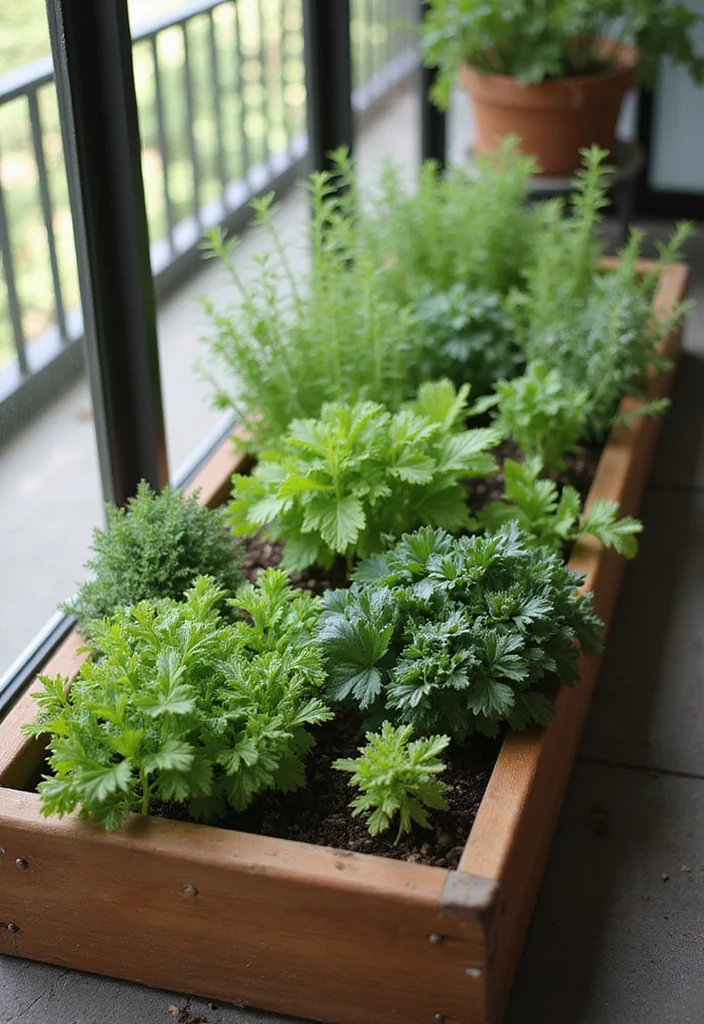
For those living in urban areas, an urban garden box is perfect for gardening in a small space. These rectangular boxes fit snugly on balconies or patios, making them ideal for limited areas. Fill them with soil and choose plants that thrive in confined spaces, like greens and herbs. Many city dwellers find this approach to gardening rewarding and enjoyable.
Position your garden box in the sunniest spot available for optimal growth. This easy-to-manage setup allows you to enjoy gardening even in tight spaces. You can customize the size to fit your specific area, ensuring a perfect fit.
• Choose a rectangular garden box for compact spaces
• Fill with soil for your plants
• Position in the sunniest location for growth
• Customize size to fit your balcony or patio
With an urban garden box, you can enjoy a thriving garden right at home.
Conclusion
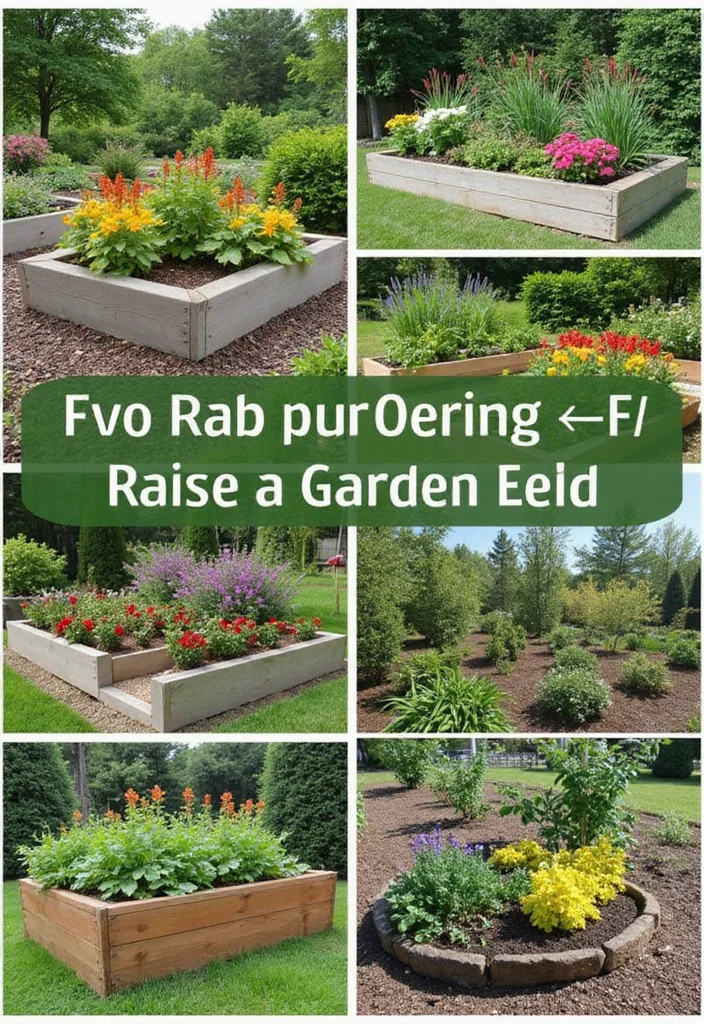
Embarking on DIY raised garden bed projects opens the door to endless creativity and sustainability.
Whether you’re an experienced gardener or just starting out, these ideas cater to all skill levels and space constraints. Experiment with various materials and designs to find what resonates with your garden’s personality.
Embrace the joy of nurturing plants and enjoy the fruits of your labor!
Frequently Asked Questions
What Are the Benefits of Using Raised Garden Beds for Small Space Gardening?
Raised garden beds can be a game-changer for small space gardening! They offer better drainage and soil quality, making it easier to grow healthy plants. Plus, they can create a more organized and visually appealing garden layout.
These beds allow for easier access to your plants, reducing the need to bend over and making gardening a more enjoyable experience. You’ll also find that raised beds can help you control pests and weeds more effectively.
What Materials Are Best for Building DIY Raised Garden Beds?
When it comes to building your own raised garden beds, you have several options! Popular materials include wood, metal, and stone. Cedar and redwood are excellent choices for wood because they are naturally resistant to rot and pests.
If you prefer a modern look, consider using galvanized steel or corrugated metal. Just make sure to avoid treated wood that could leach chemicals into your soil. Each material has its own aesthetic and durability, so choose what best fits your garden design!
How Can I Maximize Space in My Raised Garden Beds?
Maximizing space in your raised garden beds can be both fun and rewarding! Consider using companion planting, where you plant different crops together that benefit each other, like tomatoes and basil.
You can also incorporate vertical gardening solutions by installing trellises or using hanging planters to grow vining plants like cucumbers or peas. Interplanting with quick-growing crops, like radishes or lettuce, can fill gaps and optimize your garden’s yield!
What Should I Consider When Designing a Vegetable Garden with Raised Beds?
Designing a vegetable garden with raised beds can be exciting! Start by considering sunlight exposure—most vegetables thrive in at least 6 hours of direct sunlight. Think about the size and layout of your beds; rectangular shapes are usually easier to manage.
Don’t forget to plan for pathways between beds for easy access, and think about how you can incorporate crop rotation for soil health. Finally, consider adding some decorative elements to enhance the overall look of your backyard!
What Are Some Creative Ideas for Decorating Raised Garden Beds?
Sprucing up your raised garden beds can add a touch of personality to your gardening space! Consider painting the sides of your beds in vibrant colors or using stencils to add designs. You might also use reclaimed materials for rustic charm, like old crates or pallets.
Adding decorative markers or labels for your plants can be both functional and stylish. Incorporating lighting, like fairy lights or lanterns, can create a magical atmosphere for evening gardening or entertaining!