

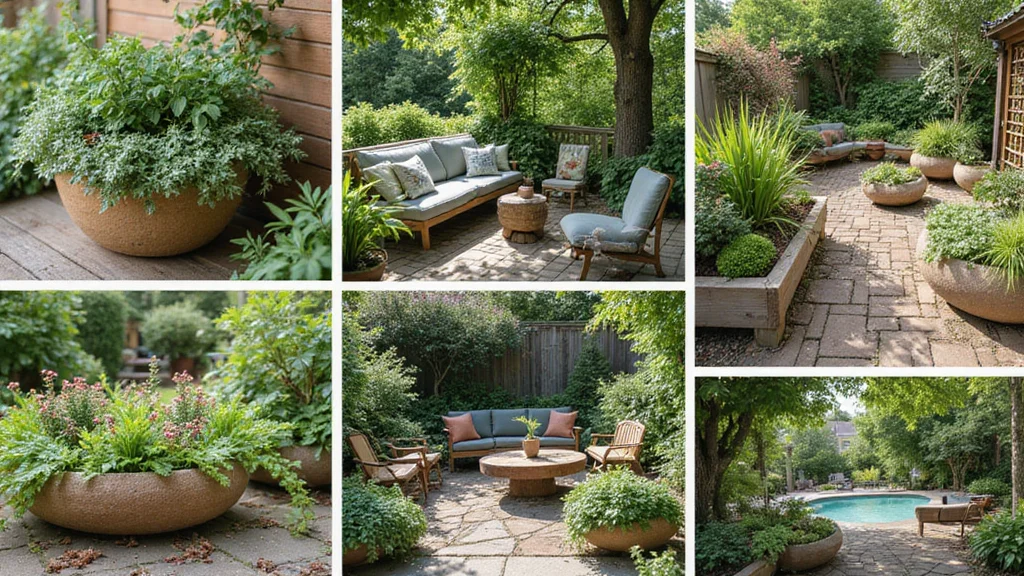
Creating an outdoor space that reflects your personality and connects with nature is something many of us dream about. That’s why I wanted to put together this fresh guide on plant decor outdoor garden ideas. Whether you have a sprawling backyard or a cozy balcony, you can transform your outdoor area into a stunning oasis. The right plants and decor can elevate your garden, making it a functional, beautiful space where you can unwind and enjoy the great outdoors.
This guide is for anyone who loves gardening, no matter your skill level. If you’re passionate about sustainable gardening practices or simply want some inspiring outdoor plant styling ideas, you’re in the right place. You might be a seasoned gardener looking for new ways to express your style or a beginner eager to learn how to create inviting outdoor spaces. Either way, these 18 nature-driven styling inspirations will spark your creativity and help you design a garden that resonates with you.
Inside this post, you will find a variety of ideas for garden decor that embrace the beauty of nature. From vertical gardens to rustic wooden planters, each suggestion is not only stylish but also practical. You’ll discover tips for low-maintenance succulent displays, cozy seating nooks, and wildlife-friendly gardens that invite nature to your doorstep. Each section is packed with insights to help you put your unique stamp on your outdoor environment. Let’s dive in and cultivate your outdoor oasis together!
Key Takeaways
– Discover 18 diverse styling inspirations that cater to various outdoor spaces, from small balconies to larger gardens.
– Learn about sustainable container gardening practices that allow you to create beautiful displays while being kind to the environment.
– Explore practical tips for incorporating low-maintenance plants, ensuring your garden remains vibrant without demanding too much of your time.
– Find ideas for cozy seating areas surrounded by greenery, perfect for relaxation and social gatherings.
– Get inspired by unique concepts like herb spirals and whimsical fairy gardens that add a personal touch to your outdoor decor.
1. Vertical Gardens: Skyscrapers of Green

Turn your walls into stunning vertical gardens that breathe life into dull spaces. Imagine using wall-mounted planters or trellises filled with lush trailing plants, fragrant herbs, or colorful flowers. Pinterest has been buzzing about these living walls, showcasing their beauty for small areas. These green walls not only save space but also create a breathtaking backdrop for your outdoor gatherings.
To get started, consider using affordable materials like recycled wood or metal for your planters. Choose plants that naturally climb or cascade, like pothos or morning glories. This style connects beautifully with other garden themes, giving your space an inviting feel. A vertical garden can make your outdoor area a peaceful retreat, perfect for unwinding after a long day.
• Use trailing plants like pothos or ivy for lushness.
• Ensure proper irrigation for plant health.
• Mix textures and colors for visual interest.
• Consider recycled materials for budget-friendly options.
With a vertical garden, you can transform your outdoor space into a refreshing oasis filled with greenery.
2. Recycled Containers: Eco-Friendly Charm
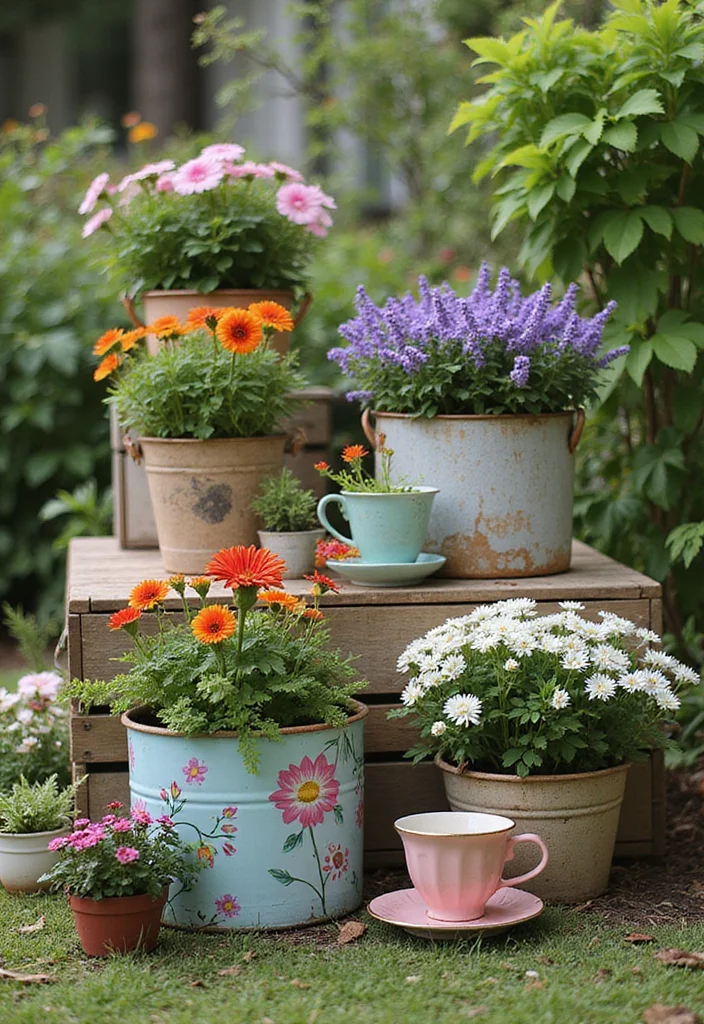
Breathe new life into everyday items by turning them into charming planters. Picture old buckets, teacups, or wooden crates filled with vibrant flowers or herbs. Each recycled container adds a unique touch to your garden, making it special. This eco-friendly approach not only cuts down on waste but also promotes creative gardening.
Start by lining your containers with a plastic bag to keep moisture in. Make sure to add drainage holes for healthy plants. You can even paint or decorate these containers to reflect your personality. Mixing and matching different styles creates a warm, inviting atmosphere that draws the eye. Imagine a colorful path lined with quirky pots, each telling its own story.
• Choose unique containers like teacups or crates.
• Line with plastic bags for moisture retention.
• Add drainage holes for healthy plants.
• Personalize with paint or decorations for charm.
Using recycled containers, you can create a delightful and eco-conscious garden that stands out.
3. Herb Spiral: Functional and Beautiful
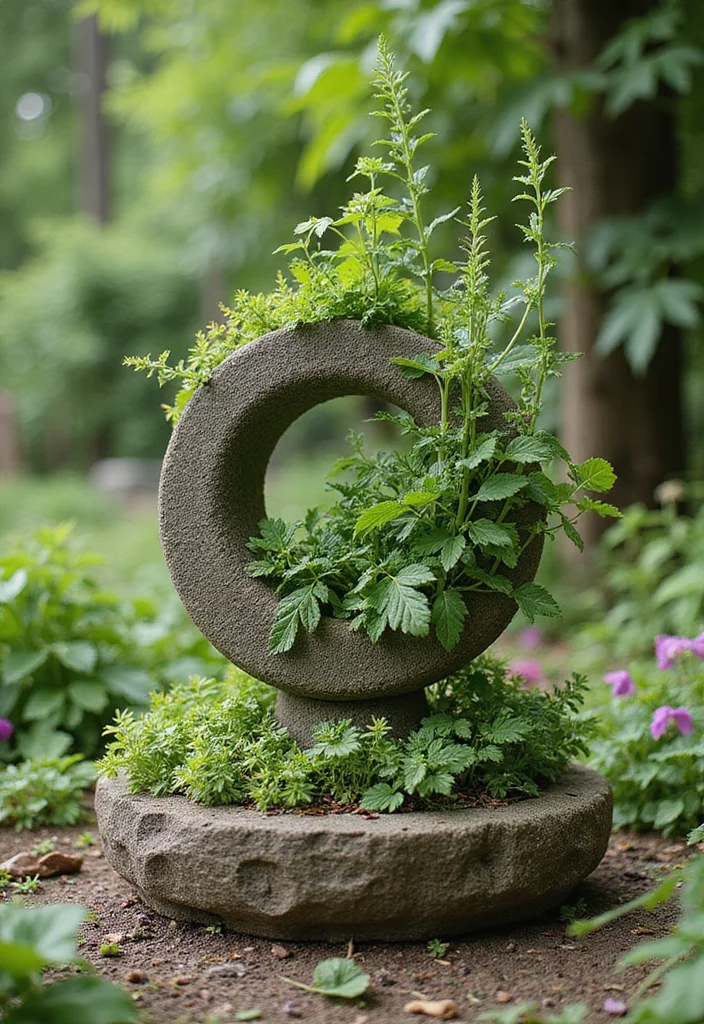
Build an herb spiral to maximize your gardening space while growing a variety of culinary herbs. This spiral design allows different microclimates, letting you plant sun-loving herbs like basil at the top and moisture-loving mint at the bottom. It not only looks gorgeous but also makes it easy to access your favorite cooking herbs right from your kitchen.
To create your spiral, use natural stones or bricks for a rustic look. This design is space-efficient and supports diverse plant growth due to varying light and moisture levels. An herb spiral can become a stunning focal point in your garden, inviting you to explore its aromatic bounty. Imagine stepping outside and picking fresh herbs for dinner.
• Build with natural stones for durability.
• Plant herbs according to their light needs.
• Make it visually appealing with colorful plants.
• Ensure easy access for harvesting.
Creating an herb spiral brings beauty and practicality to your gardening experience.
4. Low-Maintenance Succulent Displays
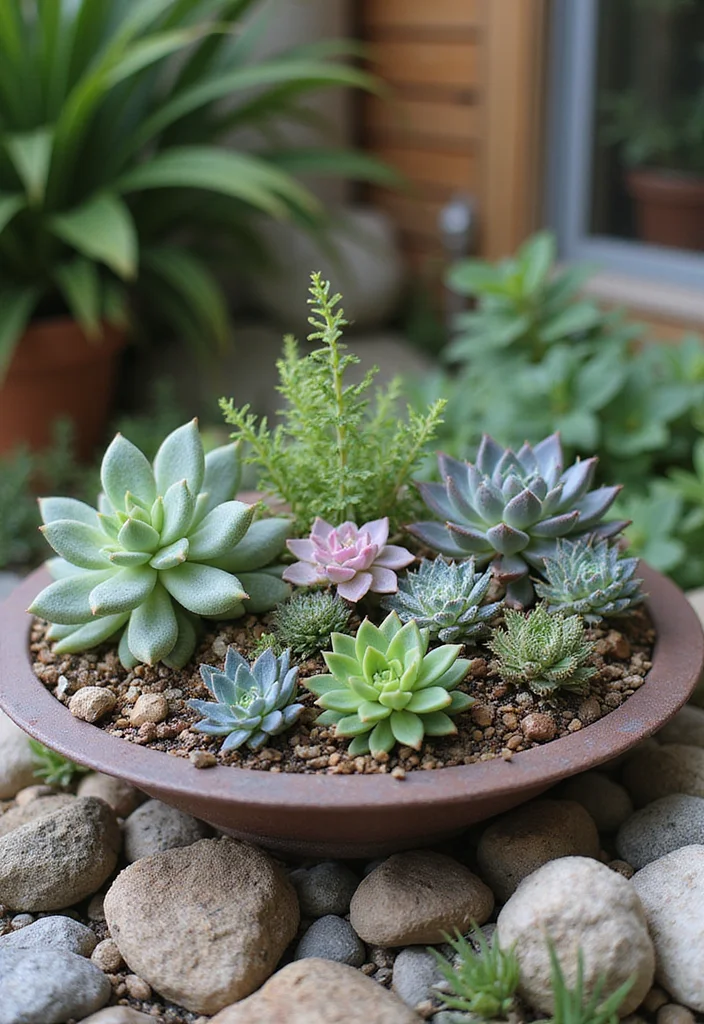
If you love a beautiful garden but lack the time for extensive care, succulents are your best friend. These hardy plants come in many shapes and colors, making them a visually pleasing option that thrives with minimal attention. Create stunning arrangements in shallow pots or terrariums, mixing different varieties for added interest.
To keep your succulents healthy, use well-draining soil to prevent overwatering. Place them in sunny spots to help them thrive. You can also pair them with decorative stones or driftwood to add an artistic touch. Succulent displays are perfect for balconies, patios, or gardens, offering a modern yet organic feel.
• Use well-draining soil for success.
• Position in sunny areas for best growth.
• Pair with decorative stones for style.
• Mix different varieties for visual interest.
With these tips, you can create a captivating succulent display that requires little maintenance.
5. Cozy Seating Nooks with Planters
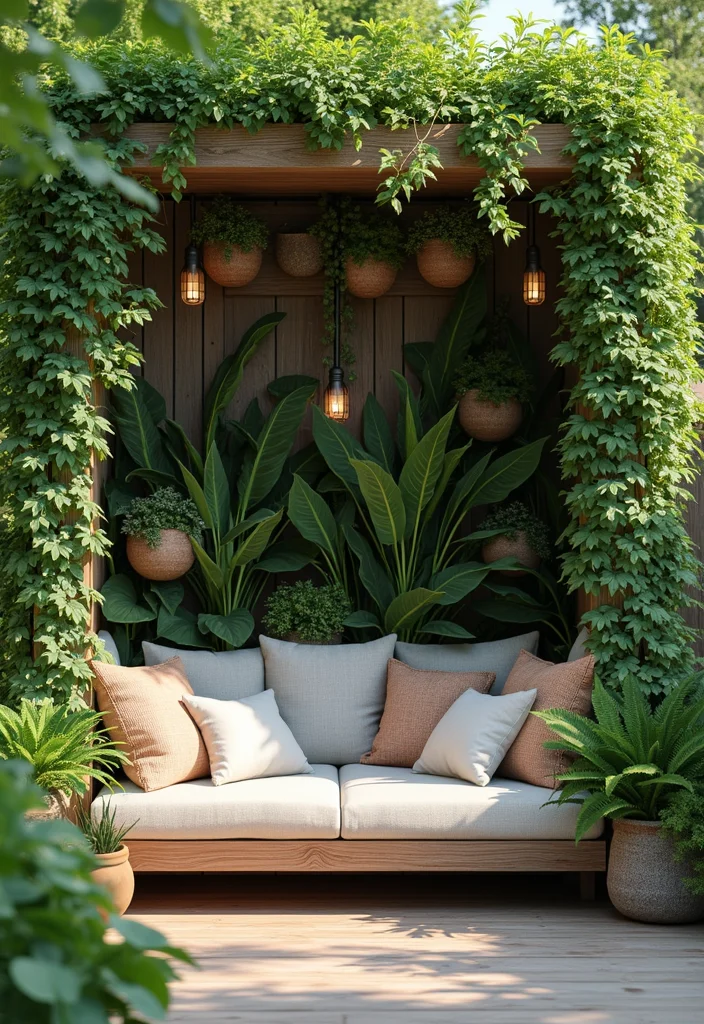
Design inviting seating areas surrounded by greenery, where you can unwind and enjoy your garden. Incorporating built-in planters around your seating allows plants to flow naturally around your furniture. Add comfortable cushions and throw pillows to enhance coziness, creating a perfect spot for reading or sipping coffee.
Consider bench seats with planters on either side for a seamless look. Hanging planters can add height and dimension, making the area feel more inviting. Choose fragrant flowers to enhance the sensory experience. This blend of seating and nature invites you to relax and enjoy the beauty of your outdoor space.
• Opt for bench seating with planters.
• Use hanging planters for added height.
• Choose fragrant flowers for a lovely aroma.
• Arrange comfortable cushions for coziness.
Creating cozy seating nooks can transform your garden into a personal retreat.
6. Natural Pathways with Edible Borders
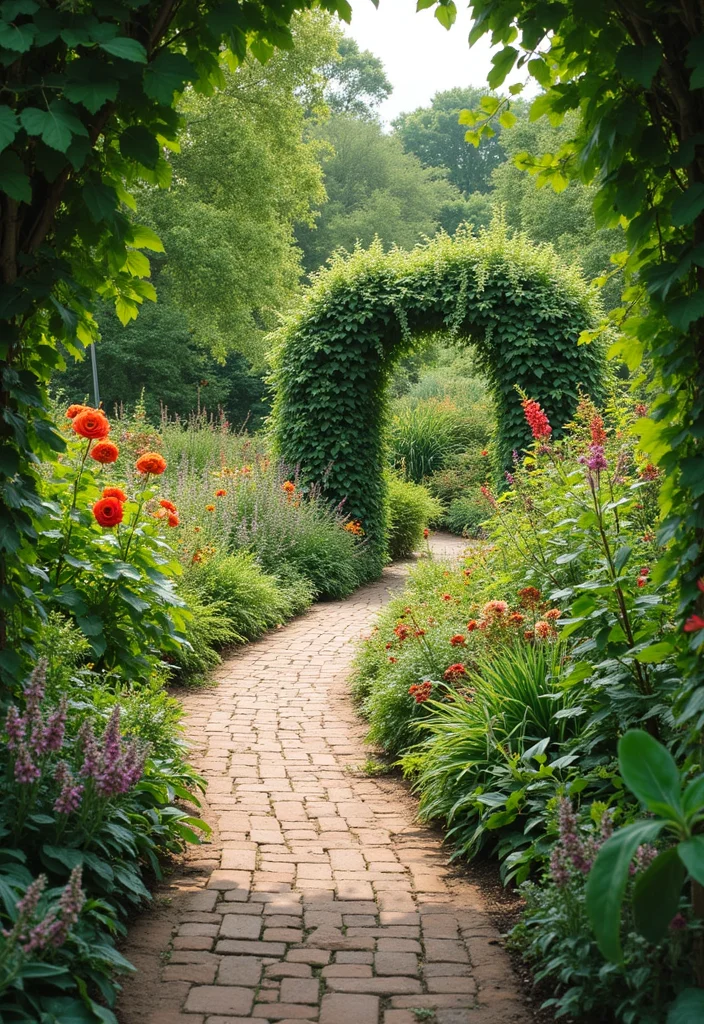
Design enchanting pathways bordered with edible plants and flowers. This idea beautifies your garden while giving you fresh ingredients right at your feet. Consider fragrant herbs or flowering edibles like nasturtiums lining your path for a burst of color and scent.
These edible borders add visual interest with vibrant colors and textures. The aroma of herbs enhances your gardening experience, making every stroll delightful. Plus, it’s practical for cooking or garnishing your meals. Integrating edible plants into your pathways creates a beautiful and functional garden that lets you enjoy the taste of nature.
• Choose edible plants for borders.
• Use fragrant herbs to enhance aroma.
• Mix colors and textures for visual interest.
• Make paths inviting with easy access.
With edible borders, your garden can become a feast for the senses.
7. Terracotta Wonders: Timeless Appeal
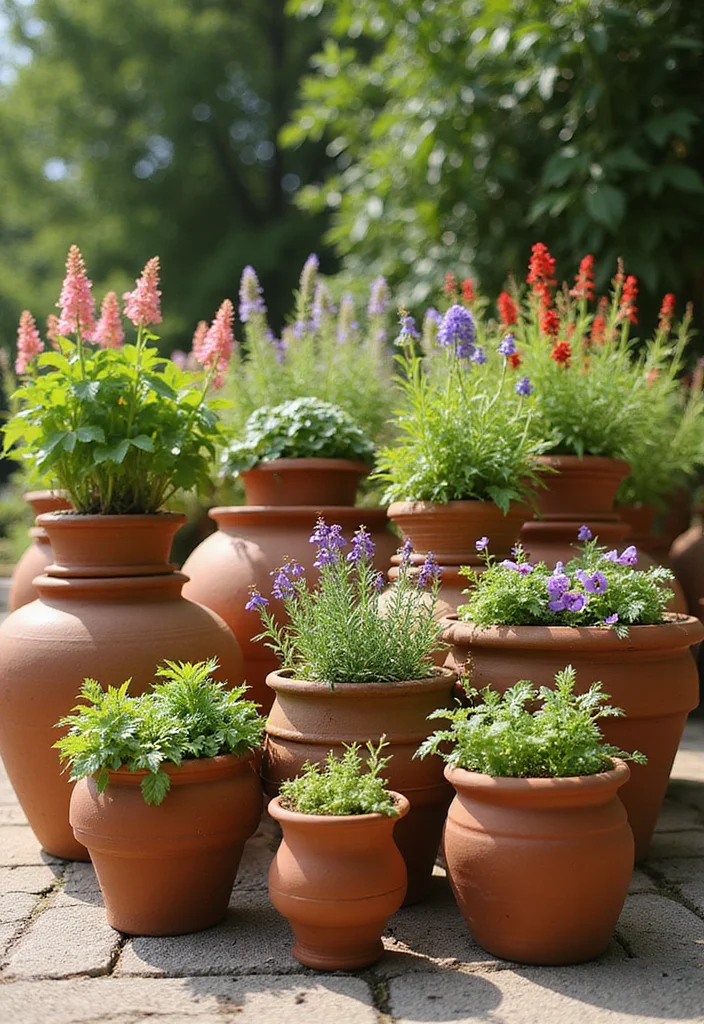
Terracotta pots bring a classic charm to any garden style. These traditional containers are perfect for a range of plants, from bright flowers to lush herbs. Their earthy tones blend beautifully with nature, making them a timeless choice for any outdoor space.
To make the most of your terracotta pots, use saucers underneath to catch excess water. You can decorate them with natural twine or paint for a personal touch. Group different sizes together for added interest. Terracotta’s porous nature allows for excellent drainage, making it an eco-friendly option for your garden.
• Use saucers to catch excess water.
• Decorate with twine or paint for flair.
• Group different sizes for visual interest.
• Choose drainage-friendly soil for plant health.
Incorporating terracotta pots into your garden will enhance its beauty and functionality.
8. Whimsical Fairy Gardens
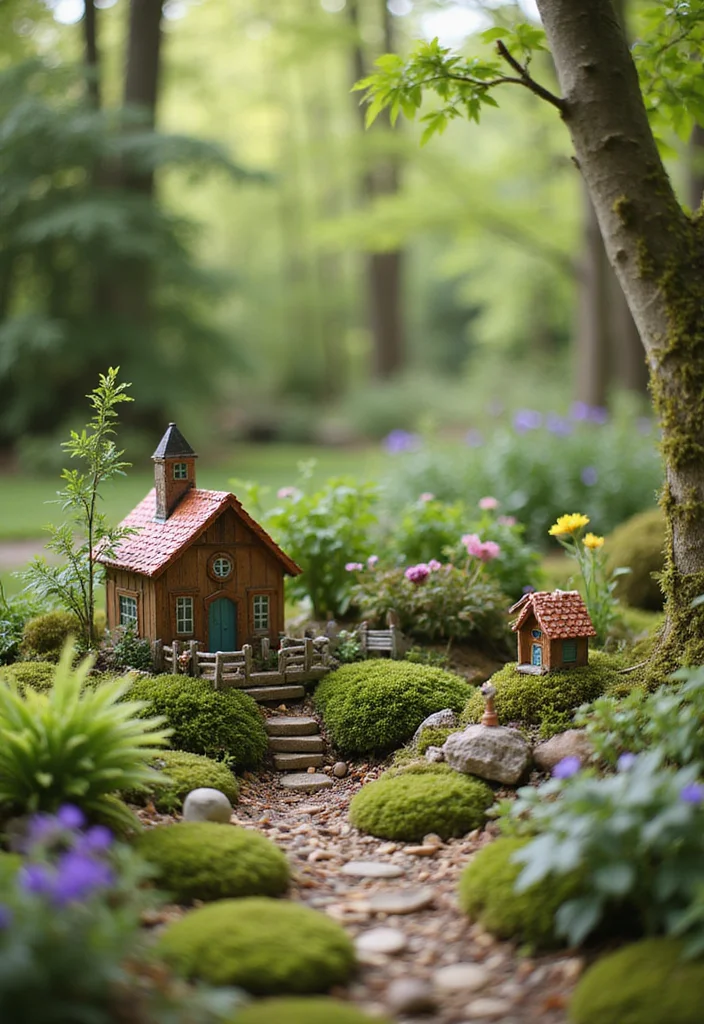
Add a sprinkle of magic to your outdoor area with whimsical fairy gardens, perfect for both kids and adults. You can create these miniature landscapes in pots or designated spots, featuring tiny plants and delightful decor pieces. Include elements like tiny houses, benches, and figurines to build your enchanting world.
Using moss as ground cover can create a lush effect, while small stones or twigs can form charming pathways. Choose slow-growing plants to maintain the fairy garden scale for a magical touch. These gardens encourage creativity and wonder, making them a delightful addition to any home garden.
• Use moss for lush ground cover.
• Incorporate stones or twigs for pathways.
• Choose small plants to fit the scale.
• Add decorative elements for charm.
Whimsical fairy gardens can bring joy and imagination to your outdoor space.
9. Outdoor Lanterns and Lighting
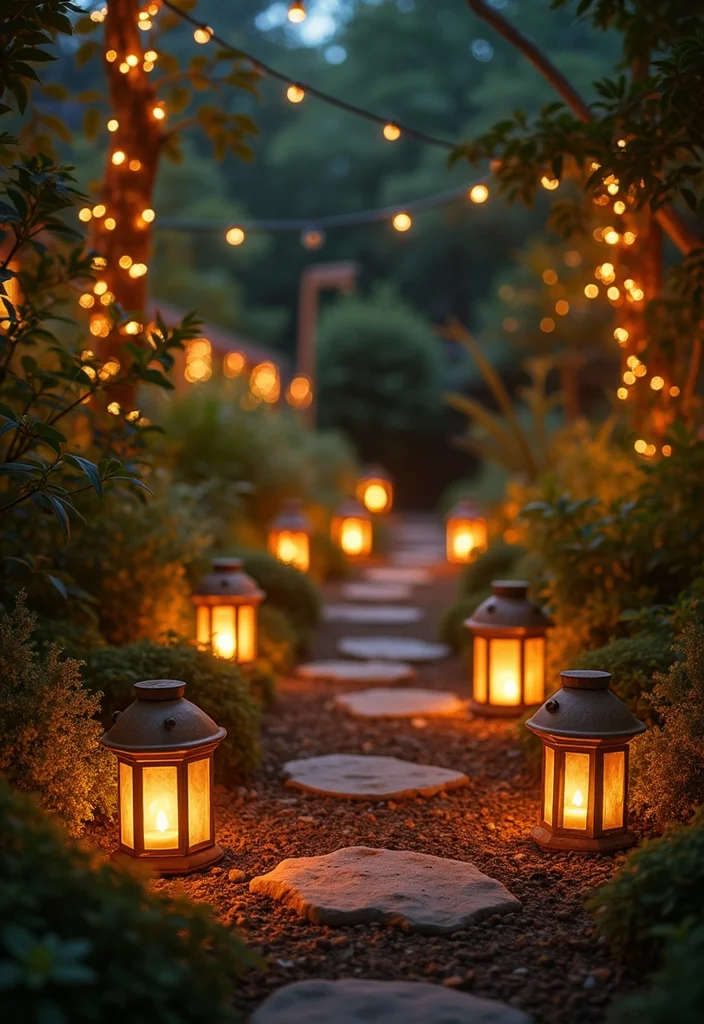
Elevate your garden’s atmosphere with beautiful outdoor lanterns and lighting. Placing lights strategically can create a warm, inviting ambiance for evening gatherings or quiet nights under the stars. Consider using energy-efficient LED lights, solar lanterns, or fairy lights draped around trees for a magical touch.
Choose lanterns made of glass or metal to withstand the weather. Hanging lights in trees can add a whimsical feel, while grouping lights creates focal points throughout your garden. The right lighting can transform your outdoor space into a dreamy retreat, perfect for relaxation and fun.
• Use weather-resistant lanterns for durability.
• Hang lights in trees for a magical effect.
• Group lights to create focal points.
• Choose energy-efficient options for sustainability.
With thoughtful lighting, your garden can become a beautiful nighttime sanctuary.
10. Colorful Container Gardens
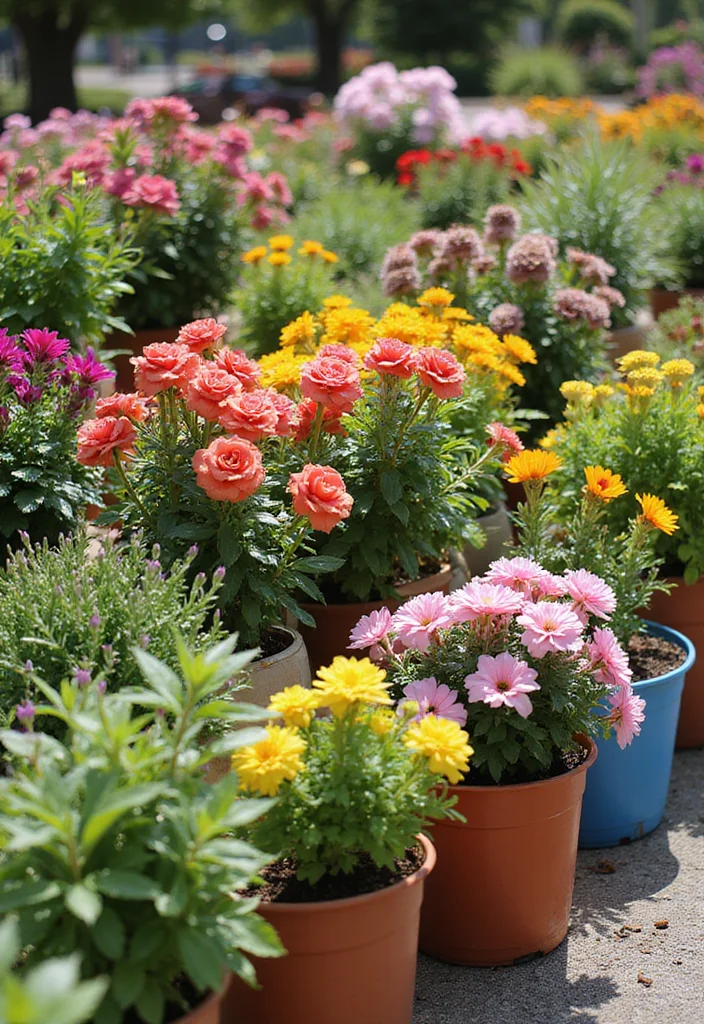
Create a lively display by mixing colorful containers filled with a variety of plants. Selecting pots of different sizes, shapes, and colors can energize your outdoor space, transforming it into a vibrant garden oasis. Incorporate annuals for seasonal color and perennials for lasting beauty to keep your garden dynamic.
Start by picking a unifying color scheme to tie your arrangement together. Consider the height and growth patterns of your plants for balance. Layering plants can add depth and interest to your display. A colorful container garden can serve as a stunning centerpiece on patios or decks, inviting admiration from all who visit.
• Select a unifying color scheme for harmony.
• Consider height and growth patterns for balance.
• Layer plants for depth and interest.
• Mix annuals and perennials for variety.
With these tips, you can create a vibrant container garden that brightens your outdoor space.
11. Rustic Wooden Planters
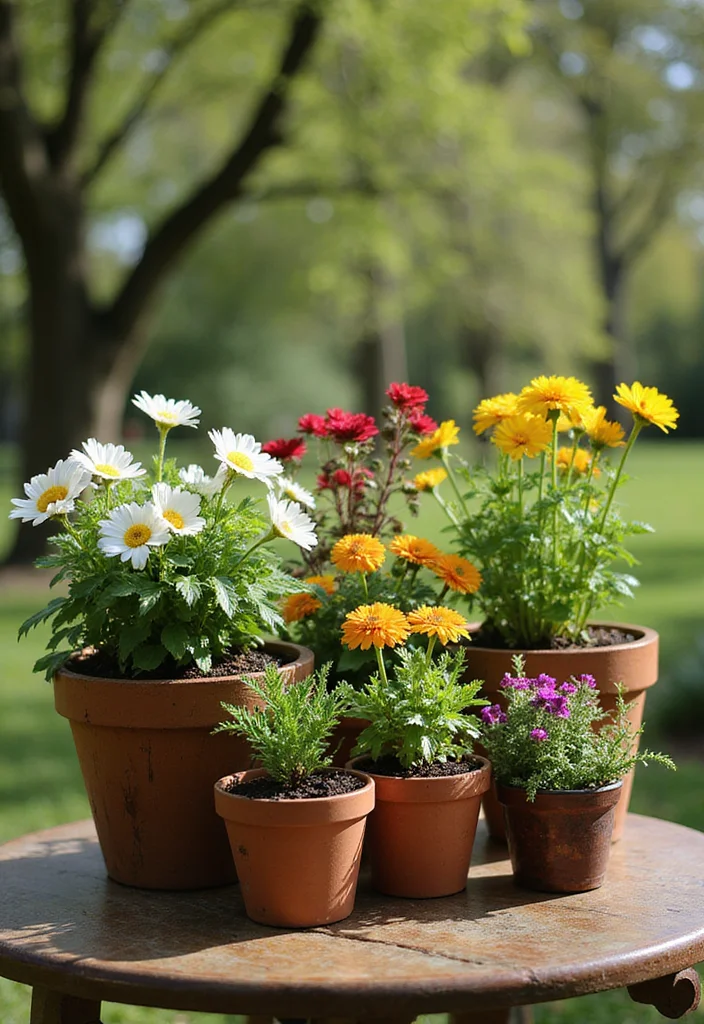
Introduce rustic wooden planters to your garden for a natural, earthy feel. These containers can be crafted from reclaimed wood, providing a sustainable choice that blends beautifully with nature. Use large wooden boxes or raised beds to define planting areas filled with flowers, vegetables, or herbs.
Rustic planters offer benefits like customizable planting arrangements and improved drainage. They also enhance soil quality, making gardening easier and more enjoyable. A rustic wooden planter can add an inviting charm to your outdoor space while being functional and eco-friendly.
• Choose reclaimed wood for sustainability.
• Customize arrangements for unique plantings.
• Enhance drainage with proper design.
• Access plants easily for harvesting.
Rustic wooden planters can bring warmth and function to your garden.
12. Green Roof Garden
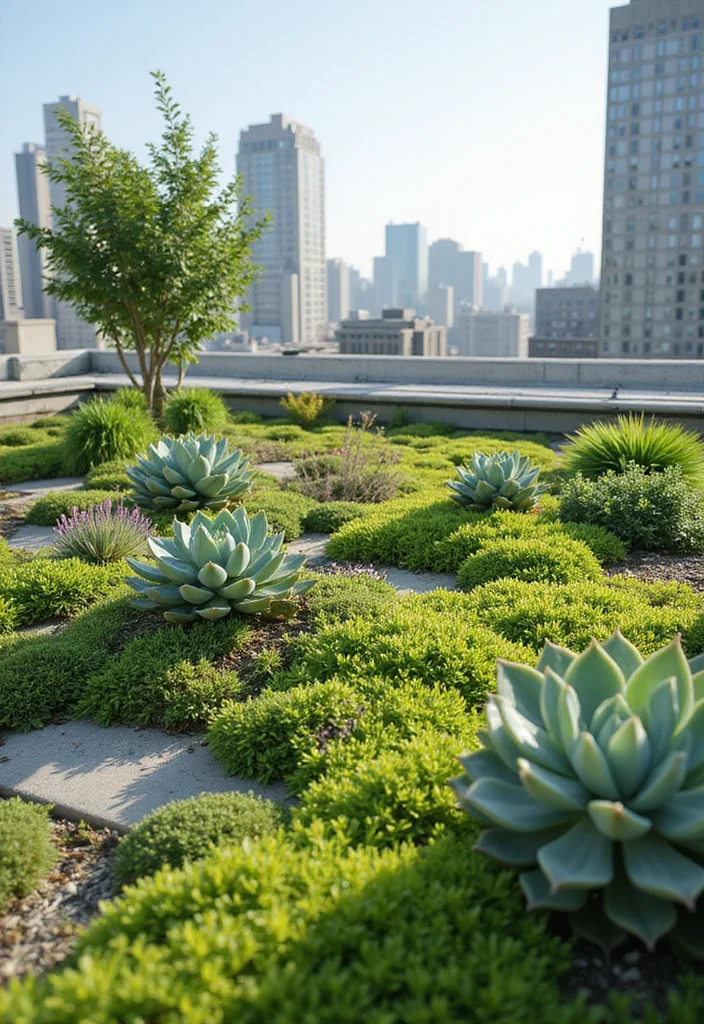
If you have a flat roof, consider creating a green roof garden, a sustainable way to utilize your space while promoting biodiversity. This garden type helps insulate your home and manage rainwater runoff, making it eco-friendly and functional. Choose low-growing plants and succulents that can thrive in such an environment for easy maintenance.
To ensure success, select lightweight soil and drainage materials for your green roof. Incorporating a variety of plant shapes and textures can enhance visual interest. Don’t forget to establish a proper irrigation system to support plant health. A green roof garden can turn an unused area into a flourishing oasis, providing a unique place to relax and enjoy nature.
• Choose lightweight soil for easy maintenance.
• Incorporate diverse plants for beauty.
• Ensure proper irrigation systems for health.
• Create a unique space for relaxation.
A green roof garden can be a stunning addition to your home.
13. Living Fences for Privacy
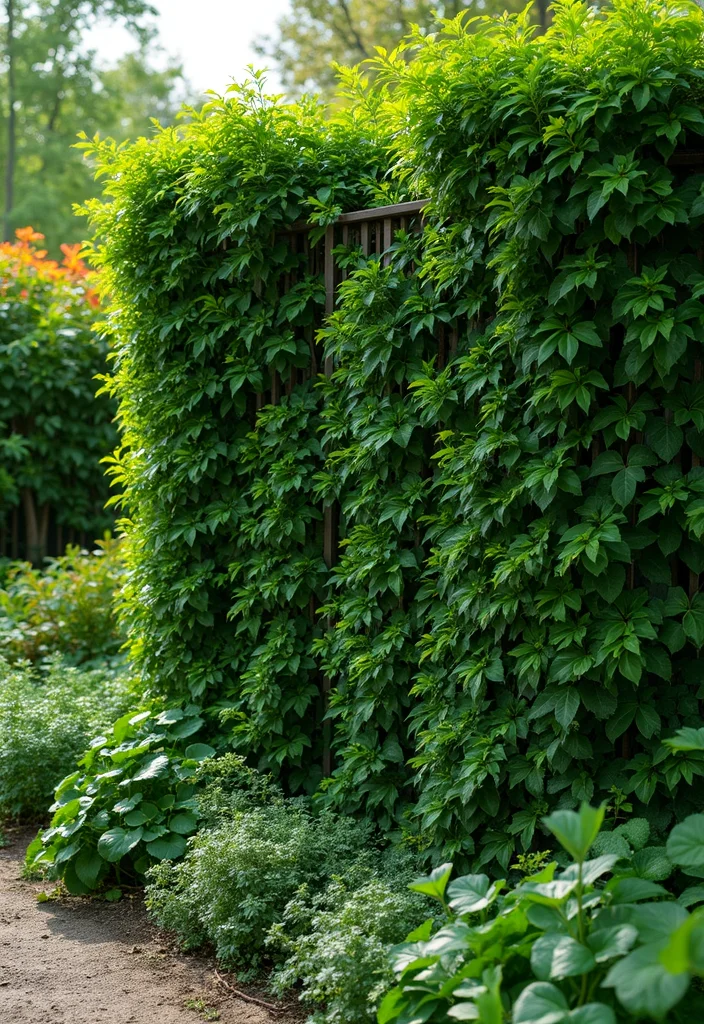
Create a natural privacy screen using living fences made from evergreen plants or climbing vines. This sustainable approach not only enhances your outdoor space but also provides a habitat for local wildlife. Choose fast-growing plants like bamboo or climbing roses to quickly establish your living fence for instant privacy.
Living fences offer benefits such as maintaining airflow and light while providing a beautiful screen. They also support local biodiversity by attracting pollinators to your garden. Compared to traditional fences, living fences can be a cost-effective solution that blends beautifully with your landscape.
• Choose fast-growing plants for quick coverage.
• Maintain airflow and light for comfort.
• Attract pollinators with native species.
• Create a natural aesthetic with plants.
Living fences can provide privacy while beautifying your garden.
14. Elevated Garden Beds
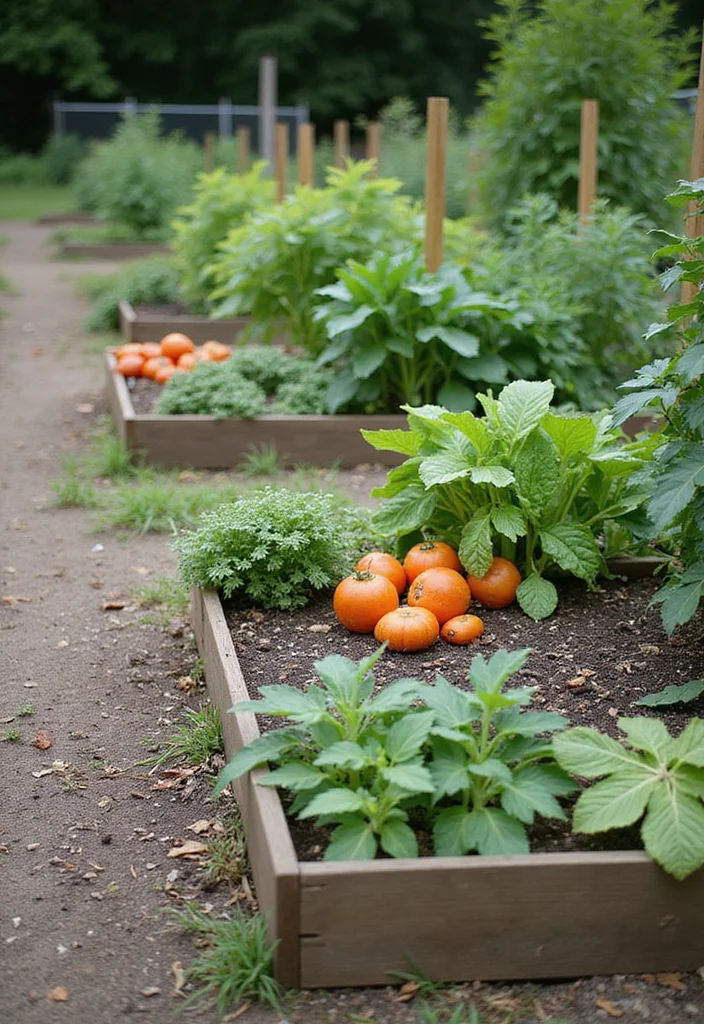
Consider elevated garden beds to make gardening more accessible and reduce strain on your back. These structures not only improve ergonomics but also allow for better drainage and pest control. Using rot-resistant wood or recycled materials enhances sustainability in your garden.
Incorporate a variety of plants to create dynamic visual appeal in your elevated beds. Organize your plants based on their water and light needs for optimal growth. Including pathways between beds makes access easier for watering and harvesting. Elevated garden beds can become a stunning feature in your outdoor space, offering beauty and function while making gardening enjoyable.
• Choose rot-resistant wood for durability.
• Organize plants for optimal growth.
• Include pathways for easy access.
• Create visual appeal with a variety of plants.
Elevated garden beds can enhance your gardening experience while adding charm to your space.
15. Rustic Fire Pits Surrounded by Greens
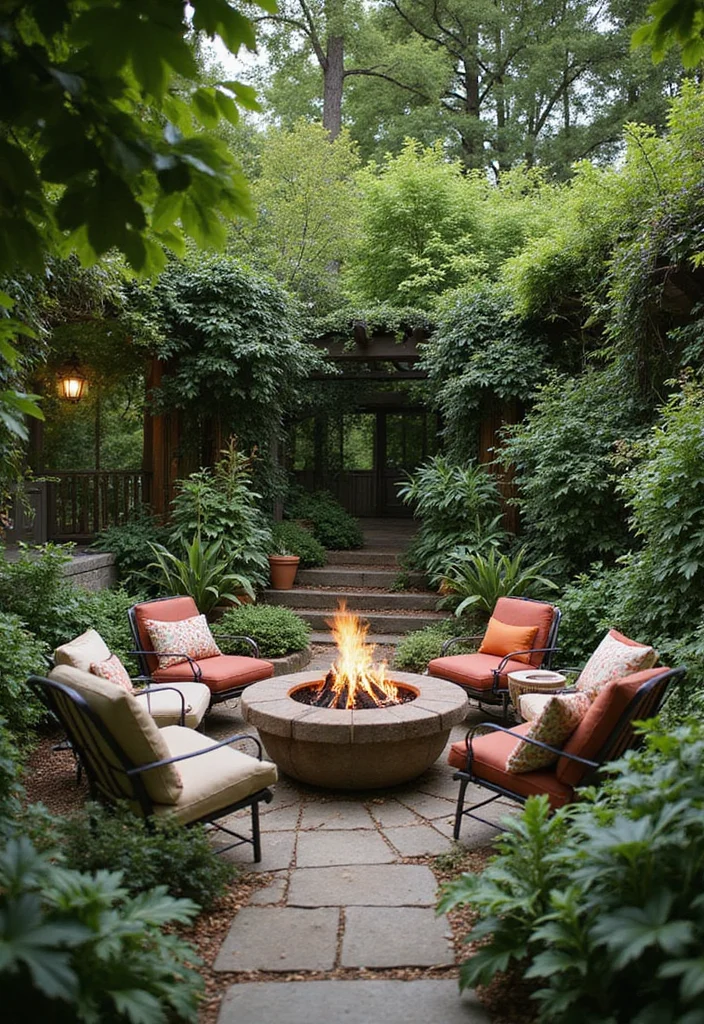
Add a rustic fire pit to your garden, surrounded by lush plantings that create a cozy backdrop for evening gatherings. This feature serves as a focal point, inviting friends and family to gather around for warmth and conversation. Consider using stones or repurposed materials to build your fire pit, and surround it with comfortable seating for an inviting atmosphere.
When planning your fire pit, choose fire-resistant materials to ensure safety. Arrange seating in a way that encourages conversation and connection. You can also incorporate low-light plants to create a soft ambiance. A fire pit surrounded by greenery offers relaxation and a deep connection with nature, turning your outdoor space into a welcoming retreat.
• Use fire-resistant materials for safety.
• Arrange seating for conversation.
• Incorporate low-light plants for ambiance.
• Create a welcoming atmosphere.
A rustic fire pit can enhance your garden’s charm and functionality.
16. Seasonal Blooms for Year-Round Color
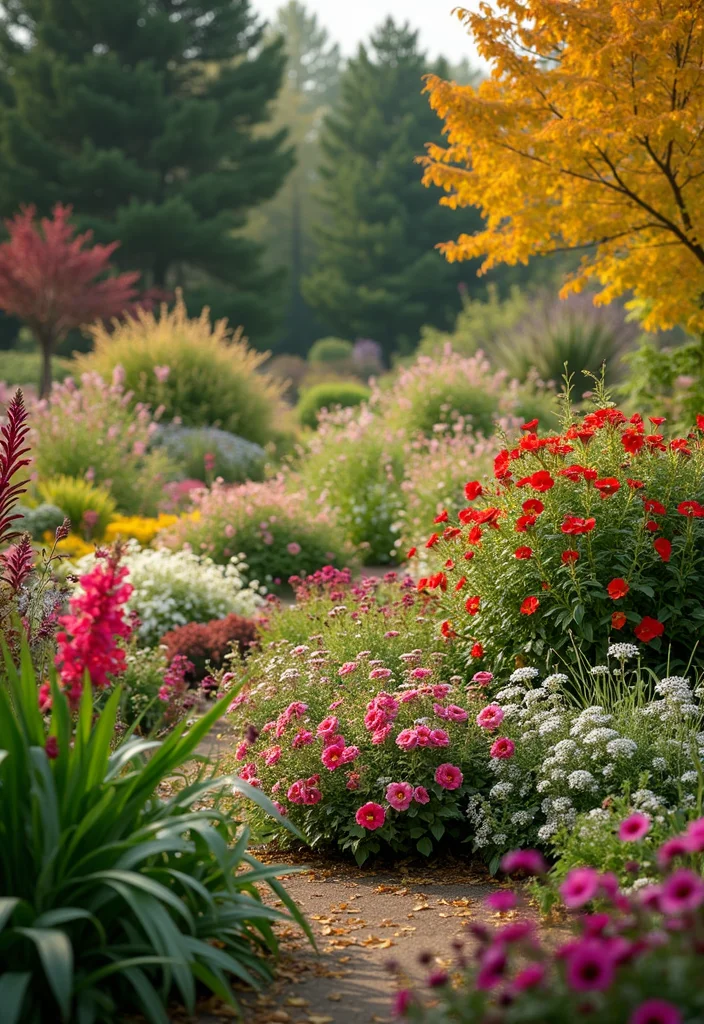
Plan your garden with seasonal blooms to ensure color and interest throughout the year. By selecting a variety of plants that bloom in different seasons, you can create a continually evolving landscape. Mix early spring bulbs with summer perennials and autumn foliage for a vibrant palette that delights your senses.
Research local bloom times to optimize your planting schedule for success. Consider layering plants for added depth and richness in your garden. Mixing annuals and perennials will offer a varied experience, keeping your garden lively. Creating a garden with year-round color brings joy and beauty, making your outdoor space inviting no matter the season.
• Research local bloom times for success.
• Layer plants for depth and richness.
• Mix annuals and perennials for variety.
• Plan for continuous interest.
Year-round blooms can keep your garden vibrant and welcoming.
17. Wildlife-Friendly Gardens
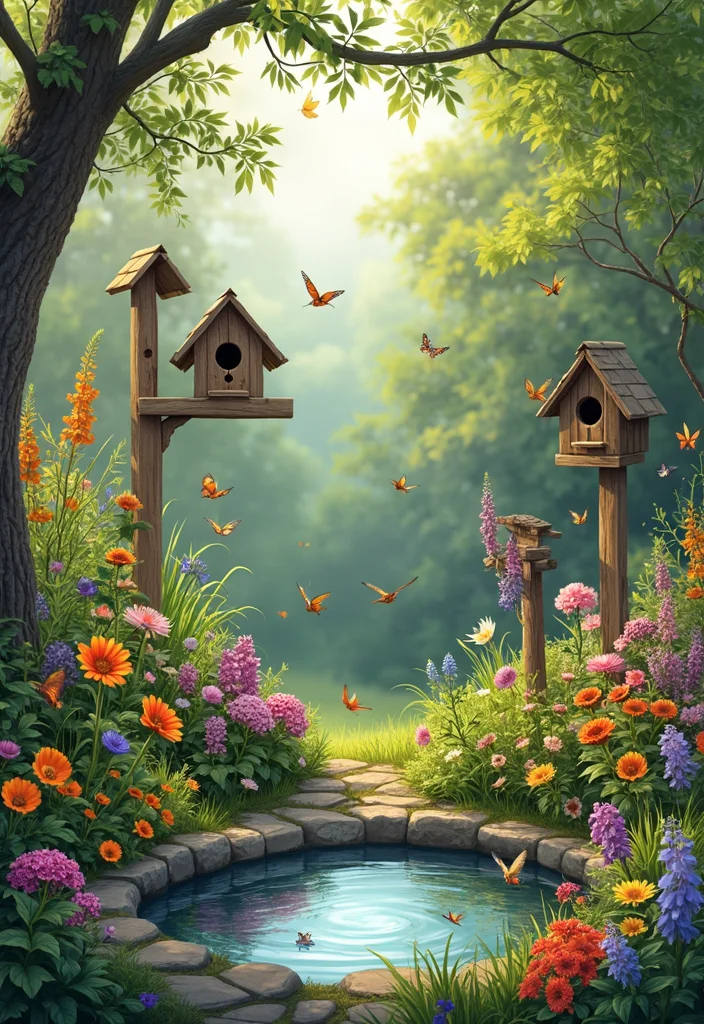
Attract local wildlife by designing a garden that supports biodiversity. Incorporate native plants, water features, and habitats like birdhouses or bee hotels to create a lively ecosystem. This design benefits the environment while giving you a fascinating opportunity to observe nature up close.
Choose plants that provide food and shelter for local species to encourage visits. Adding a small pond or birdbath offers hydration and attracts various creatures. Keeping chemical use to a minimum supports wildlife health and encourages a thriving ecosystem. A wildlife-friendly garden can become a bustling haven, enriching your gardening experience while promoting sustainability.
• Choose native plants for local wildlife.
• Add a pond or birdbath for hydration.
• Minimize chemicals for wildlife health.
• Create habitats like birdhouses or bee hotels.
A wildlife-friendly garden can enhance your connection to nature.
18. Garden Art Installations
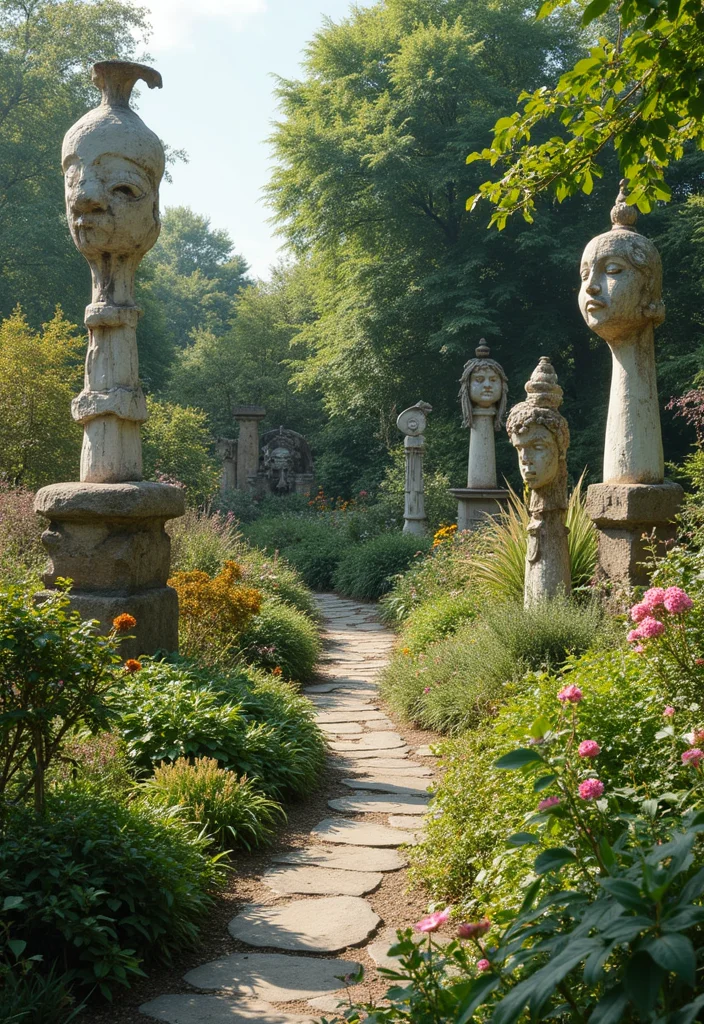
Enhance your outdoor space with unique garden art installations that add personality and flair. Incorporate sculptures, metalwork, or DIY projects to create focal points throughout your garden. These artistic touches can harmonize with your garden’s theme, whether whimsical or sophisticated.
Select materials that complement your plants and surroundings for a cohesive look. Position your artworks to create interesting sightlines that draw the eye. Consider changing your art seasonally to keep your garden fresh and inspiring. Garden art not only beautifies your space but also reflects your style and passion for nature.
• Choose complementary materials for harmony.
• Position art for interesting sightlines.
• Change art seasonally for inspiration.
• Use DIY projects for personal touch.
Garden art can be a fantastic way to express yourself while enhancing your outdoor environment.
Conclusion: Cultivating Your Outdoor Oasis
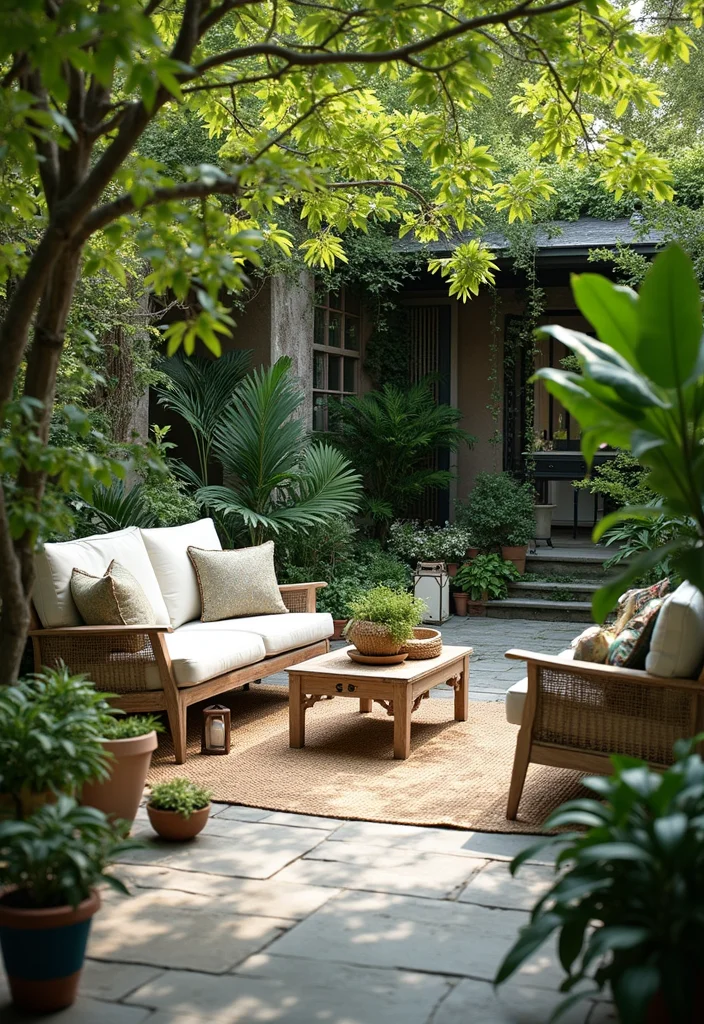
Crafting your outdoor space can be an exciting journey filled with creativity and connection to nature.
By embracing sustainable gardening practices and unique decor ideas, you can cultivate a beautiful oasis that reflects your personality and lifestyle.
Each of these inspirations offers a way to enhance your garden, making it a place of beauty, relaxation, and sustainability.
Frequently Asked Questions
What are some easy outdoor plant styling ideas for my garden?
If you’re looking to spruce up your garden, consider incorporating vertical gardening or using colorful containers to create visual interest. You can utilize hanging pots, trellises, or wall-mounted planters to maximize space and add dimension. Don’t forget to mix different plant heights and textures to make your outdoor space truly pop!
Also, think about grouping plants with similar watering and sunlight needs to make maintenance easier.
How can I create a sustainable container garden?
Creating a sustainable container garden is all about choosing the right materials and plants. Start by selecting eco-friendly pots made from recycled materials or natural substances. Use organic potting soil and incorporate native plants that require less water and maintenance. Consider adding mulch to retain moisture and suppress weeds, which reduces the need for chemical fertilizers.
Lastly, set up a rainwater collection system to water your garden sustainably!
What are the best plants for outdoor decor that thrive in various climates?
When selecting plants for outdoor decor, it’s crucial to choose varieties that can withstand your local climate. Some hardy favorites include succulents, lavender, and ornamental grasses. These plants are not only beautiful but also drought-resistant and low-maintenance. If you live in a cooler climate, consider adding perennials like daisies or coneflowers that will return year after year, adding to your garden’s charm.
Always check your local gardening zone to ensure the plants you choose will thrive!
What are some nature-inspired gardening tips for my outdoor space?
Nature-inspired gardening is all about embracing the beauty of the outdoors! Start by observing your natural surroundings and incorporating native plants that attract local wildlife, such as bees and butterflies. Use organic mulch and compost to enrich the soil and promote biodiversity in your garden. You can also add elements like rocks, logs, or water features to mimic natural habitats and create a serene atmosphere.
Remember, the key is to work with nature, not against it!
How can I effectively incorporate landscape design tips into my outdoor garden?
Incorporating landscape design tips into your outdoor garden can elevate your space significantly! Start by planning your layout with a focal point, such as a beautiful tree or sculpture, to draw the eye. Use pathways to guide visitors through your garden and create zones for different activities, like relaxation or growing vegetables. Don’t forget to layer your plants—tall plants in the back, medium in the middle, and shorter in the front—to create depth and visual interest.
Consider seasonal changes as well, ensuring your garden looks good year-round!