

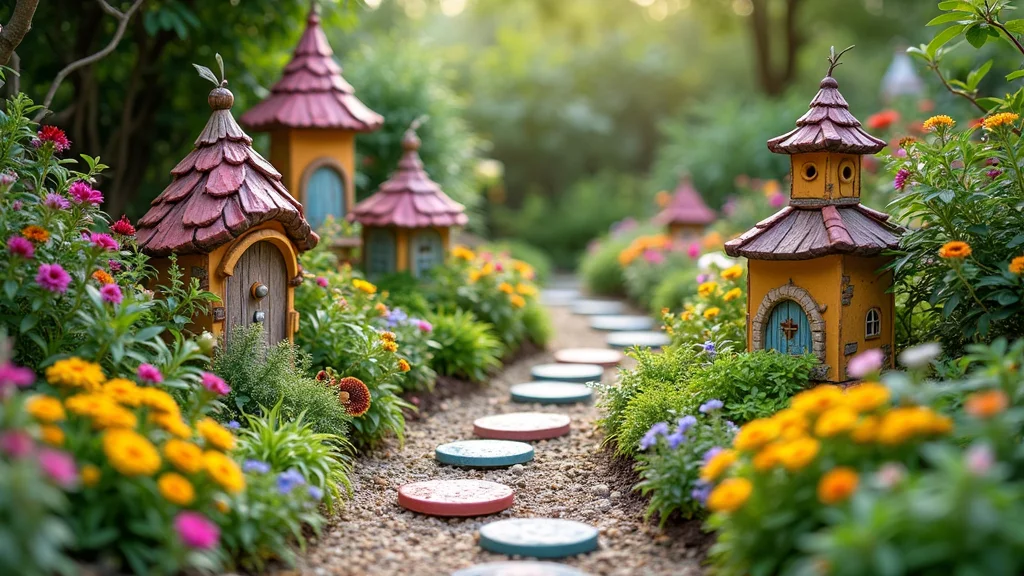
Creating a magical garden can be one of the most rewarding activities for you and your children. You know those moments when you stumble upon a storybook that whisks you away to a world full of whimsy and wonder? This post is a way to bring that enchanting feeling into your backyard. With the changing seasons and the vibrant colors of blooming plants, there’s no better time to get inspired by the narratives that captivate our imaginations.
If you’re a parent or guardian looking to engage your little ones in the beauty of gardening, then you’re in the right place. Children often see the world through a lens of fantasy and adventure, and what better way to nurture that creativity than through gardening? This guide is packed with themes and concepts that will make your gardening escapades fun, educational, and downright magical.
In this article, you’ll discover 17 enchanting story-inspired concepts that will help you design a whimsical garden. From the “Enchanted Forest Oasis” to the “Magical Potion Station,” each idea encourages playfulness and imagination. You’ll get practical tips on garden design, seasonal planting, and whimsical decor that will transform your outdoor space into a storybook setting. Your kids will not only learn how to plant and nurture their own little patch of earth but also create lasting memories that will inspire them for years to come.
So, roll up your sleeves and get ready to dig in! Your next adventure awaits just outside your door, where every plant has a tale to tell, and every garden is a chance to write a new story together.
Key Takeaways
– Discover 17 unique garden themes inspired by classic stories to spark your child’s creativity.
– Learn how to implement seasonal planting to ensure your garden thrives year-round.
– Explore practical tips for adding whimsical decor that enhances the magical atmosphere of your outdoor space.
– Find out how themed gardening can teach children valuable lessons about nature and responsibility.
– Engage your kids in the gardening process, creating a fun and interactive way to connect with the outdoors.
1. The Enchanted Forest Oasis
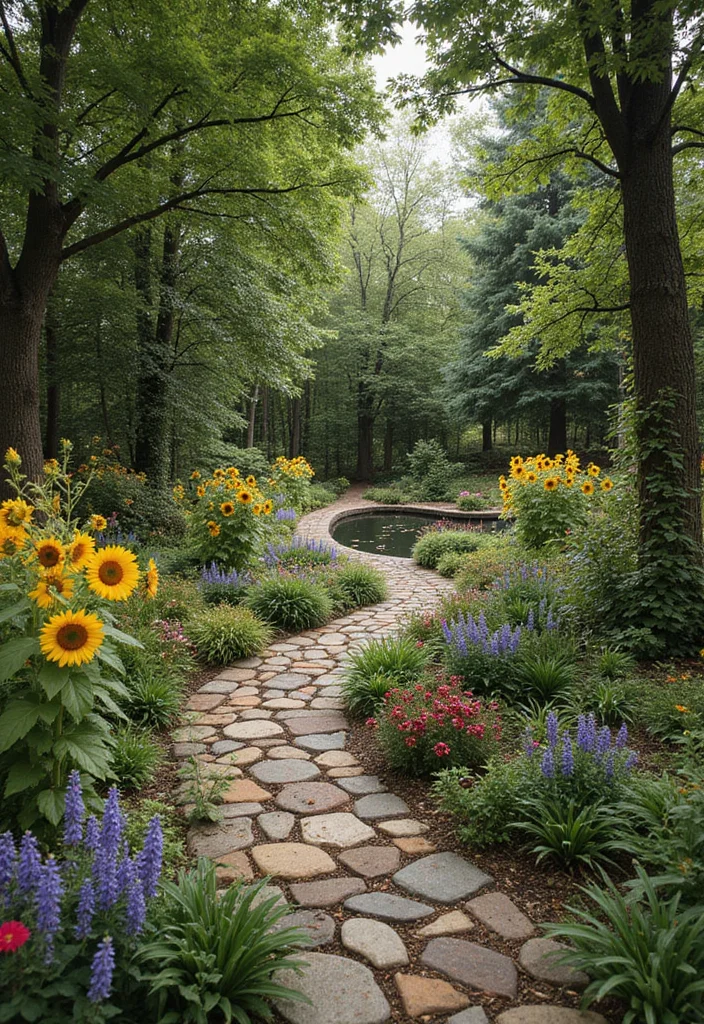
Transform your garden into a mystical forest where children can immerse themselves in nature’s wonders.
Start by planting towering sunflowers and colorful wildflowers to mimic a vibrant jungle. Add shrubs and small trees that create the illusion of depth and provide hiding spots for children’s adventures. Include twisting pathways lined with stones or bark for a woodland feel. To enhance the ambiance, hang twinkling fairy lights in trees, creating a magical glow during evening playtime.
Tips: Incorporate elements like tree stumps for sitting and storytime. Consider adding a small pond or fountain for a calming effect. Don’t forget to introduce soft, plush seating areas for those moments of relaxation after exploration.
This theme invites children not just to play but also to learn about the ecosystem, encouraging respect for nature and its inhabitants.
2. The Secret Garden Adventure
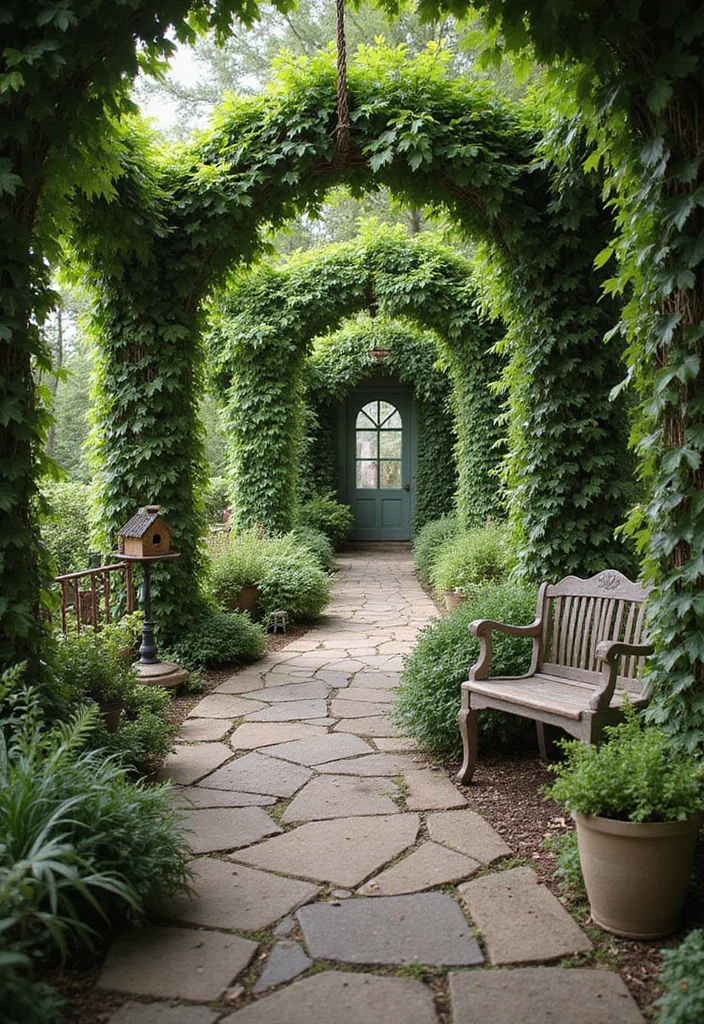
Inspired by classic tales, this garden concept invites children into a world of secrets and discoveries.
Begin by creating hidden nooks with archways of climbing vines, such as sweet peas or honeysuckle. Plant fragrant herbs like lavender and mint, adding sensory experiences for curious explorers. Use old wooden crates or vintage garden furniture to create cozy sitting areas where stories can unfold.
This theme calls for some whimsical decorations like birdhouses or tiny fairy gardens hidden throughout, encouraging children to discover surprises as they wander.
Insights: Adding a chalkboard or a tiny library can make this space more interactive, letting kids write down their own stories or borrow books. Introducing a small pond or water feature would enhance the magical atmosphere, completing the secret garden sensation.
3. Fairy Tale Flower Patch
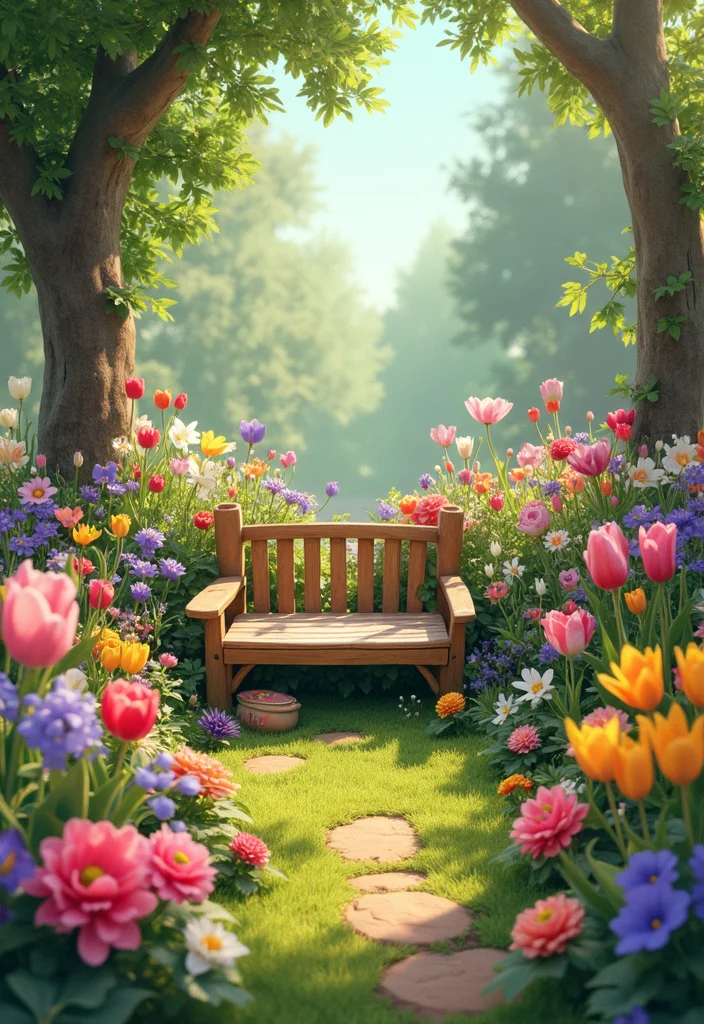
Every garden needs bursts of color and beauty, and what better way to achieve this than with a fairy tale flower patch?
Select a mix of flowers that bloom in different seasons, ensuring a vibrant display throughout the year. Consider planting tulips, daisies, and pansies for early blooms, while hydrangeas and sunflowers can dominate the summer landscape.
To add a whimsical touch, use colorful pots and garden ornaments shaped like characters from beloved fairy tales. Create a small seating area surrounded by flowers for storytime or quiet reflection.
Pro Tip: Use a trellis for climbing flowers like sweet peas or morning glories, adding vertical interest and magical charm. Choose flowers with varying heights to create depth and visual interest, making every visit to the flower patch a delightful experience.
4. The Woodland Creature Habitat
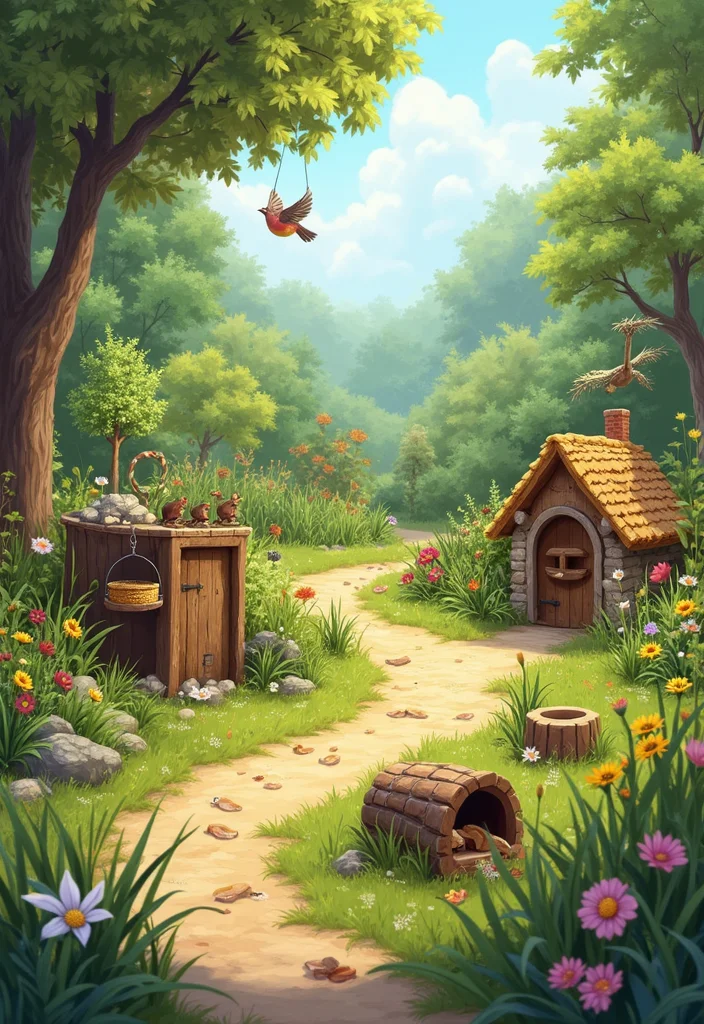
Embrace the wonder of nature by creating a habitat for the local wildlife that can spark children’s imaginations.
Plant native grasses and wildflowers to attract beneficial pollinators and insects, helping kids learn about biodiversity. Include bird feeders and baths to draw in feathered friends, while small logs or piles of leaves can become homes for bugs and critters.
This theme promotes a connection with nature, encouraging children to observe and respect the ecosystems around them. To make it interactive, provide children with journals to document their findings or create art inspired by their observations.
Suggestions: Set up a small nature scavenger hunt to engage them further, making the garden feel like a lively adventure. You might want to incorporate educational signage that explains the importance of each creature they encounter, weaving in storytelling elements from their favorite tales.
5. The Magical Potion Station
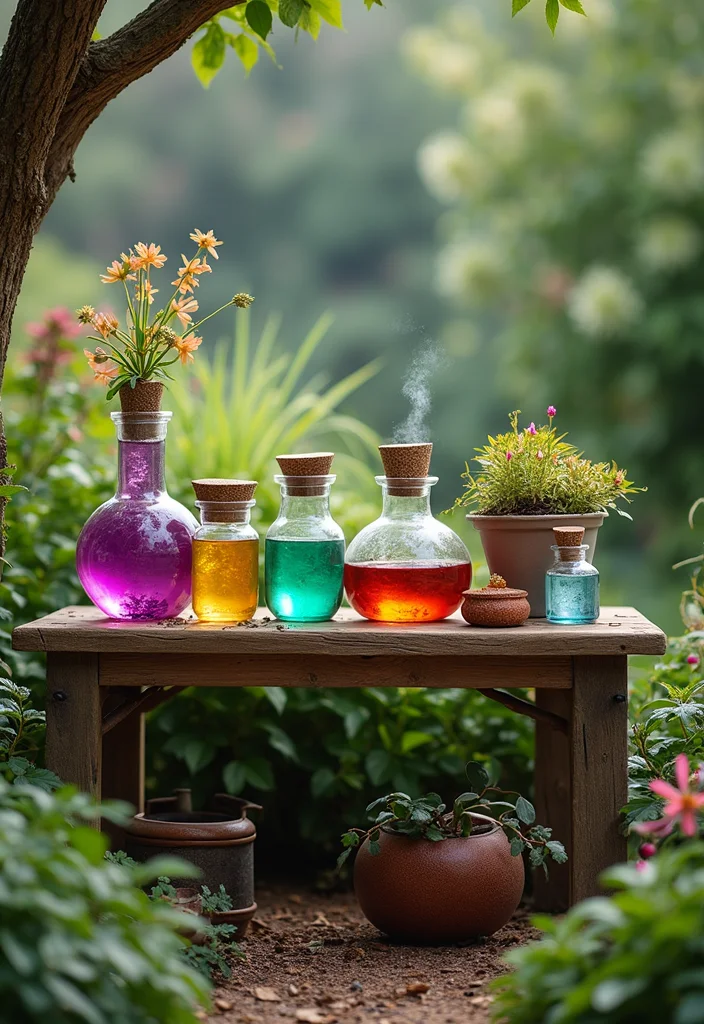
Every little wizard needs a space for crafting their magical potions!
Designate an area with whimsical decor, such as colorful jars, pots, and various plants that can resemble potion ingredients. Use plants like chamomile, mint, and elderflower, which can be fun to explore and educate about the uses of herbs. Let children create their own ‘potions’ with ingredients they gather from the garden, like colorful petals, leaves, and water.
Include a simple table or bench where they can mix and match their discoveries.
Creative Insight: Use vibrant containers labeled with playful descriptions to spark their imaginations, inviting them to concoct stories about their magical brews. This garden theme encourages hands-on learning about plants and their properties while also emphasizing creativity and storytelling.
6. The Garden of Time
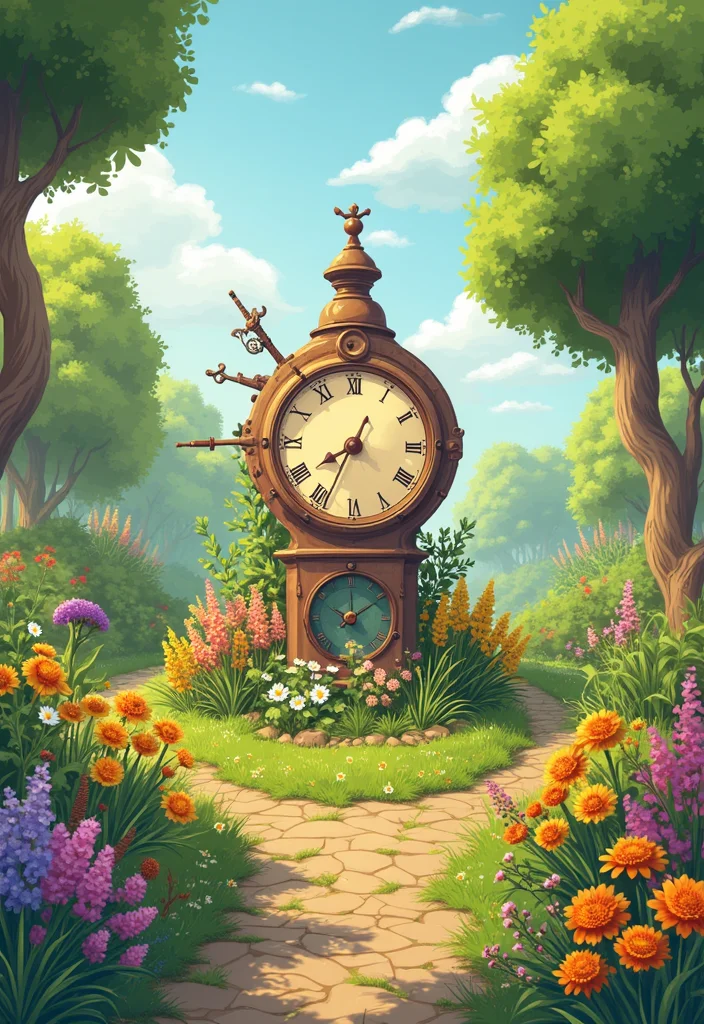
Create a magical garden where time stands still, bursting with seasonal plants that change with the year.
Opt for flowers that bloom in each season, like crocuses for spring, zinnias for summer, chrysanthemums for fall, and holly for winter. Create a central feature like a sundial or whimsical clock to symbolize the passage of time.
Highlight the changes by organizing a seasonal event, like a summer picnic or a fall harvest fest, that engages children with activities around the garden. Make it a sensory experience where kids can feel the texture of leaves, smell the flowers, and hear the rustling of plants.
Top Tip: Encourage children to keep a seasonal diary of their garden’s transformation, fostering appreciation for nature’s cycles and the simple joy of watching their plants grow. This can also lead to the creation of stories inspired by their garden’s evolution.
7. The Storybook Path
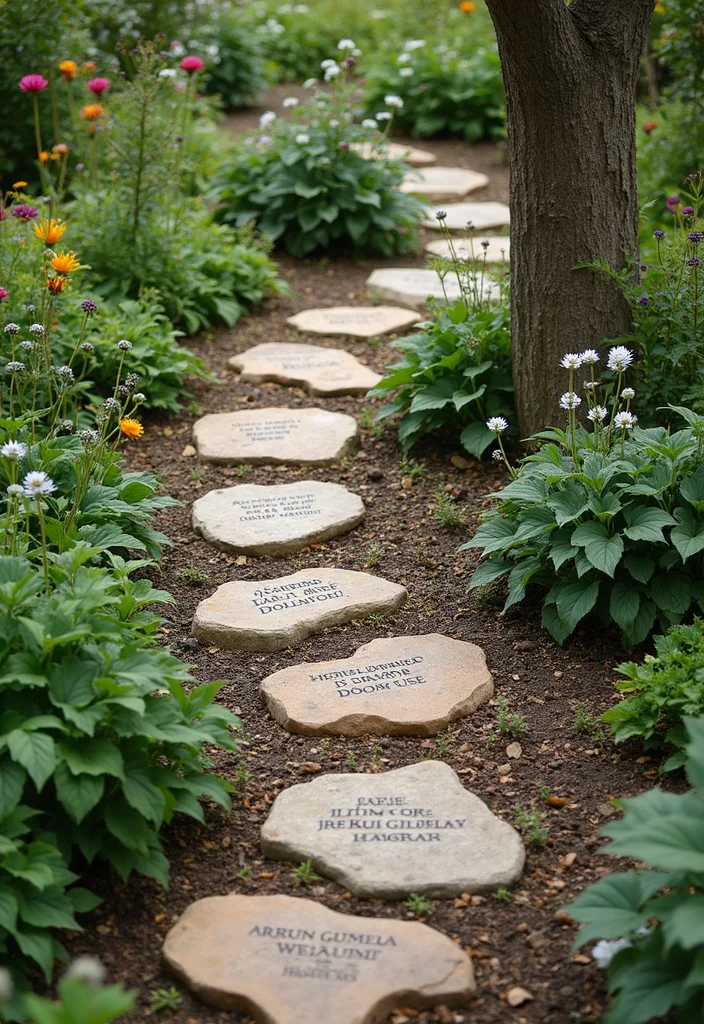
Invite children to embark on a journey through literature with a storybook path in your garden.
Create winding paths lined with plants and flowers that share names with literary characters or stories, such as ‘Peter Pan’ roses or ‘Cinderella’ pumpkins. Incorporate stepping stones engraved with quotes from their favorite tales or images of beloved characters.
This journey will not only beautify the garden but also promote reading and storytelling, encouraging children to create narratives along their walk.
Note: Include a small library or a book exchange box at the end of the path, where kids can borrow or trade books, fostering a love for stories right in their own backyard. This theme merges literature with nature, creating a unique educational experience.
8. The Adventure Playground Garden
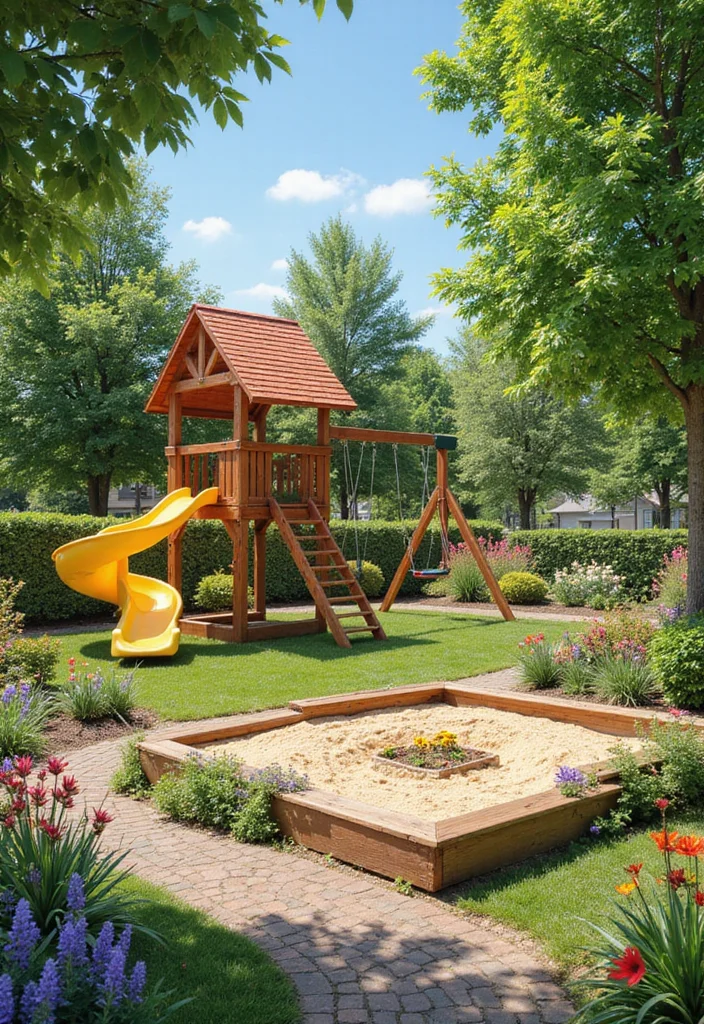
Combine play and gardening in a space designed for adventure!
Incorporate climbing structures, swings, and slides nestled among plants for a fun-filled experience. Use native plants to provide shade, while colorful flowers surround the play area, making it visually appealing. A sandbox can be transformed into a mini-garden, allowing kids to dig and plant their own creations.
Insight: Utilize materials like logs and boulders to create natural seating areas, ensuring the garden remains a safe and enjoyable space for exploration. This theme encourages physical activity while fostering a sense of responsibility for the garden.
9. The Garden of Whimsical Shadows

Introduce an ethereal quality to your garden with whimsical shadows and light.
Strategically place plants and flowers to create enchanting shapes when sunlight filters through. Use trellises with climbing plants to cast interesting patterns, and hang sheer fabrics or colored panels that flutter with the breeze. Consider adding a small pond that reflects the garden’s beauty, creating a serene environment for storytelling.
Creative Twist: Use mirrors or reflective surfaces to amplify the play of light and shadows, transforming the garden into a kaleidoscope of colors. This theme enhances sensory experiences, encouraging imaginative play among children.
10. The Butterfly Haven
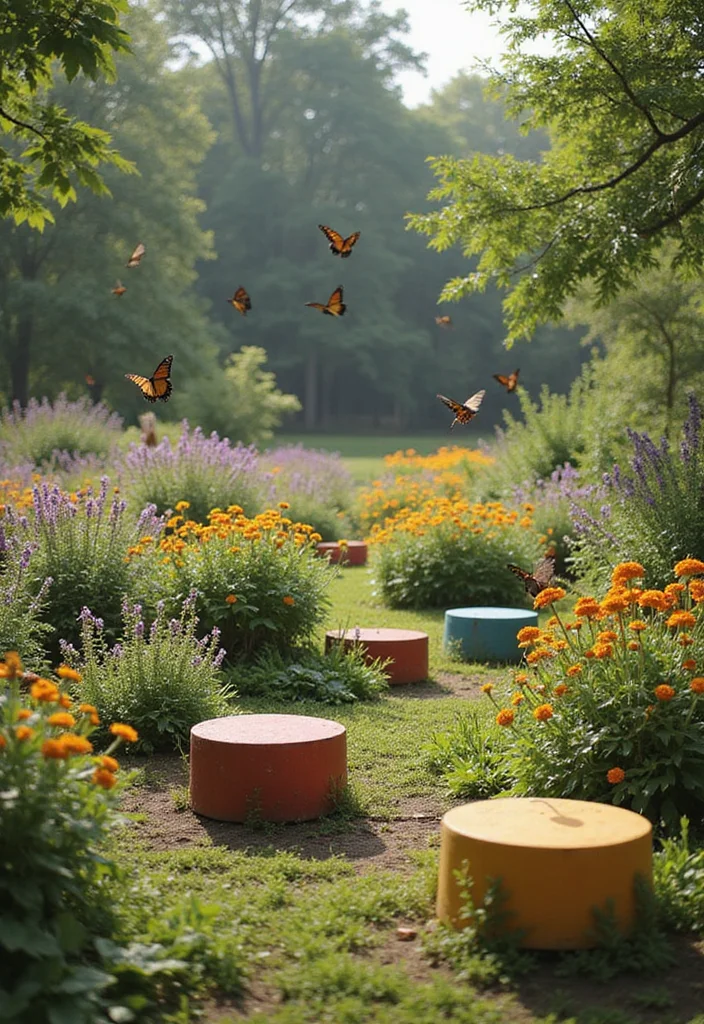
Create a butterfly haven, a delightful spot where children can learn about the lifecycle of these beautiful creatures.
Focus on planting butterfly-friendly flowers like milkweed, coneflowers, and marigolds to attract them. Provide feeding stations with sugar water and fruits for butterflies. Set up a small observation area with colorful seating where children can quietly watch them flutter around.
Tip: Introduce educational elements, like butterfly lifecycle charts or activity sheets that children can fill out while observing. This theme cultivates appreciation for nature and encourages children to engage with the environment actively.
11. The Musical Garden
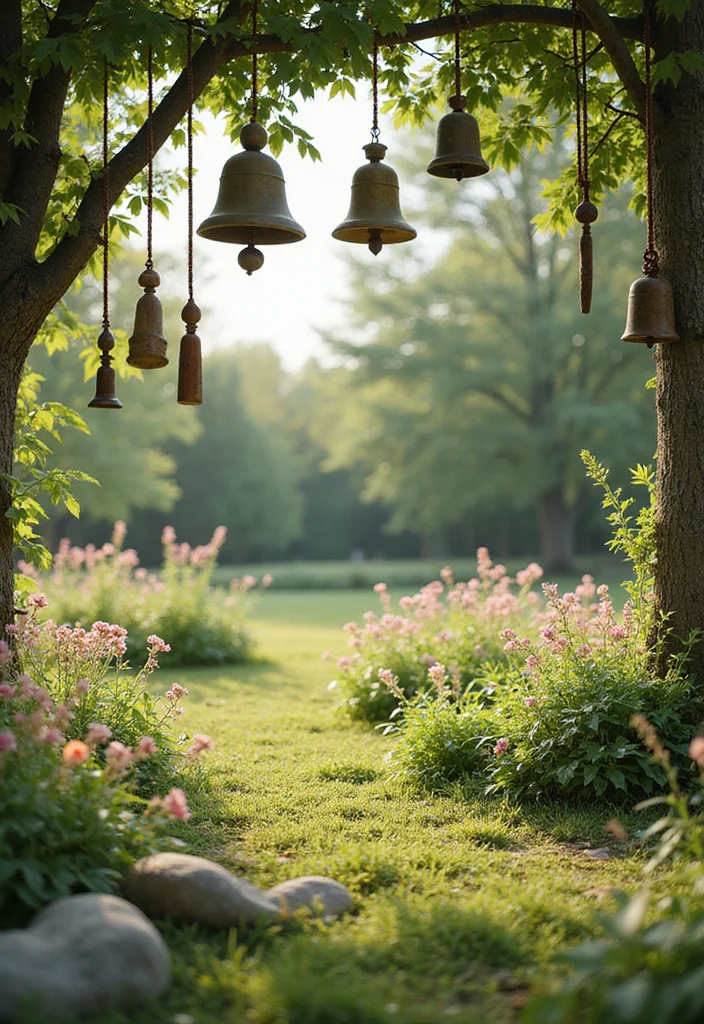
Merge music and nature in a garden that resonates with sound and joy.
Incorporate wind chimes, hanging bells, and musical instruments like xylophones made from natural materials. Plant soft grasses and flowers that rustle in the breeze, creating a symphony of sounds. Designate a performance area where children can express their creativity through music.
Unique Insight: Create themed musical events, like a garden concert, where kids can showcase their talents. This fun, interactive space educates children about sound, rhythm, and the harmony found within nature, making music an integral part of their outdoor experience.
12. The Little Chef’s Garden
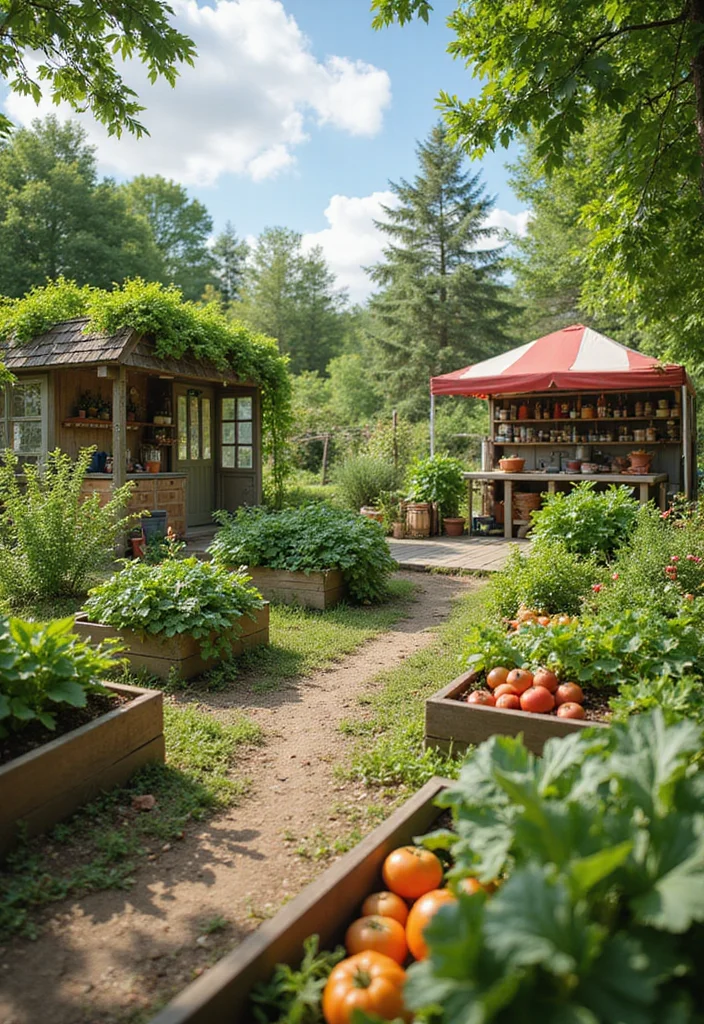
Cultivate a garden that inspires children to explore cooking and healthy eating!
Plant a variety of vegetables, herbs, and fruits that kids can harvest and use in their culinary adventures. Consider including cherry tomatoes, strawberries, and basil to add flavor and excitement to their meals. Create raised beds for easy access and incorporate cooking stations featuring child-friendly tools.
Practical Tip: Organize seasonal cooking classes or workshops that can spark kids’ interest in healthy food choices. This interactive theme promotes healthy eating habits while teaching essential skills about gardening and nutrition.
13. The Dreamy Night Garden

Transform your outdoor space into a dreamy night garden perfect for evening storytelling under the stars.
Use night-blooming flowers like evening primrose and moonflower to fill the air with sweet fragrances. Add soft, glowing lights or lanterns that hang from trees, creating a cozy atmosphere. Set up cushions and blankets for nighttime gatherings, where stories and dreams come alive.
Special Insight: Organize stargazing nights, teaching children about constellations and inspiring them to weave narratives about the night sky. This theme creates a magical experience that emphasizes the beauty of night and storytelling.
14. The Imagination Station
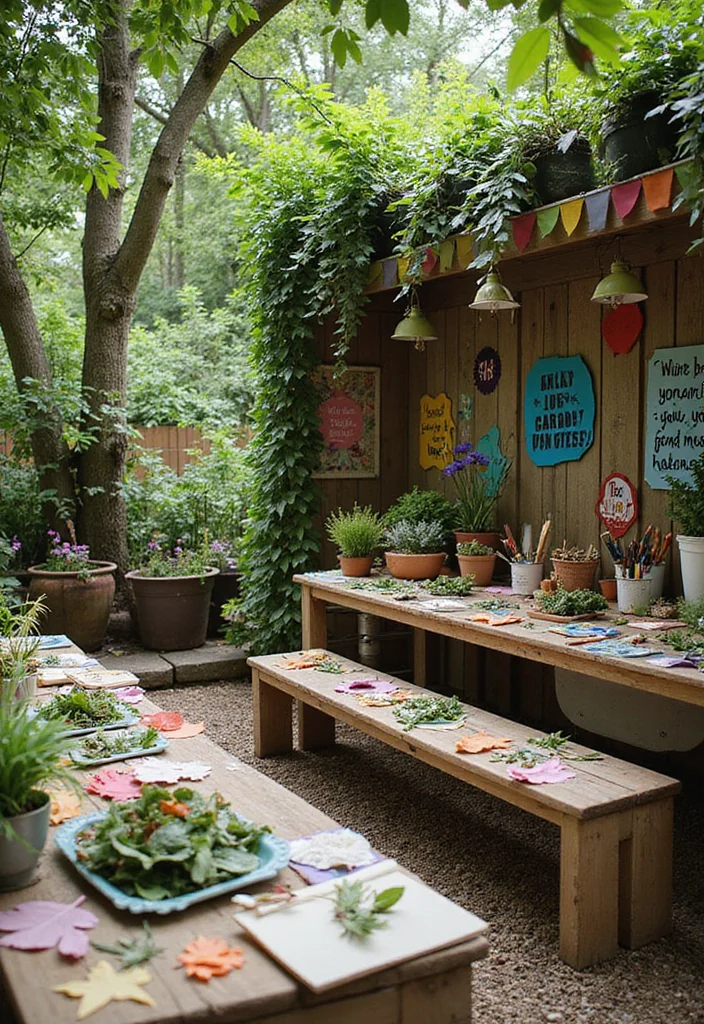
Create a space dedicated to fostering creativity, where children can engage in arts and crafts amidst nature.
Set up tables with supplies for painting, drawing, and crafting with natural materials like leaves and flowers. Use colorful decorations and inspiring quotes from stories as backdrops to ignite their imagination. Encourage collaborative projects by allowing kids to work together in creating a community art piece.
Helpful Tip: Incorporate outdoor art displays to showcase their creations. This immersive theme allows children to express themselves freely and embrace their creativity in a fun, engaging environment.
15. The Mystical Maze
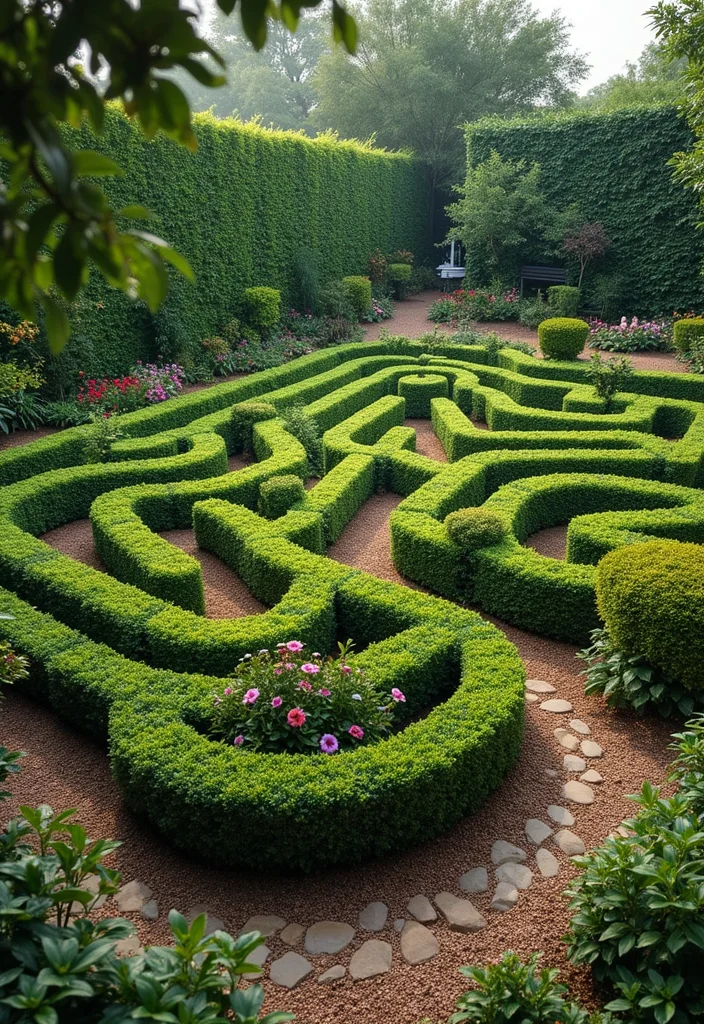
Challenge kids with a mystical maze made of tall hedges or flower beds, encouraging exploration and problem-solving.
Design the maze with winding paths, creating surprises along the way such as hidden treasures or sensory spots with fragrant herbs and colorful plants. Incorporate fun signs or markers that guide them throughout their journey. At the center, consider placing a cozy seating area or a small fountain for relaxation.
Creative Option: Organize treasure hunts where children must solve clues to find their way out, adding an element of adventure. This theme not only provides physical activity but also enhances critical thinking and teamwork skills.
16. The Eco-Friendly Garden
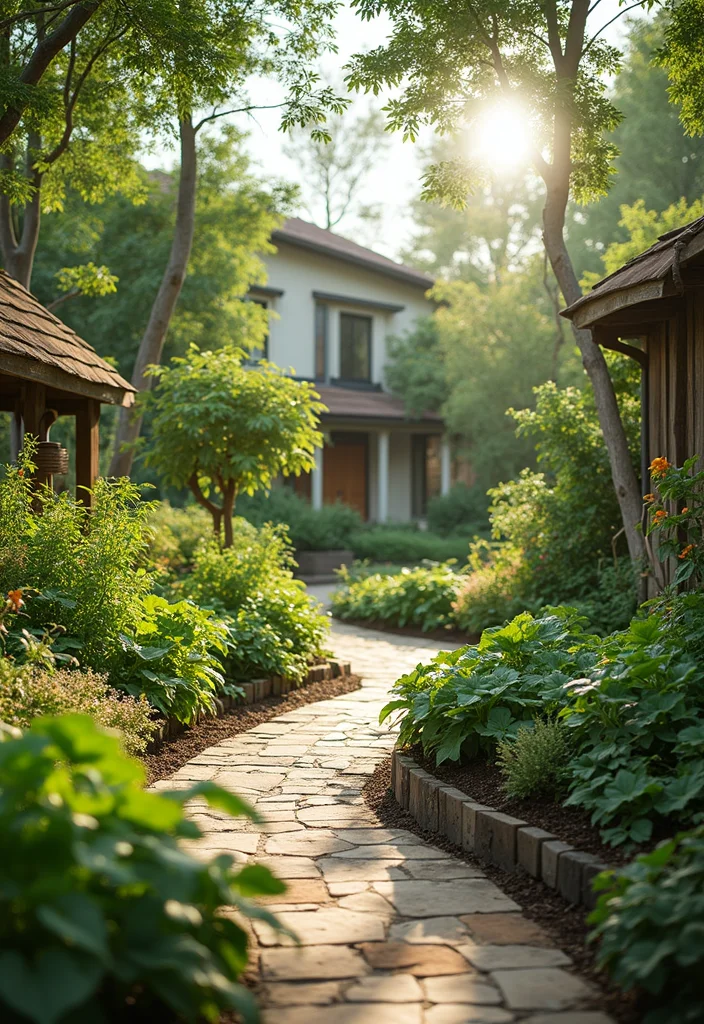
Teach kids about sustainability and caring for the planet with an eco-friendly garden design.
Incorporate native plants that require less water and provide shelter for local wildlife. Use recycled materials for planters and decorations, showing children the importance of reusing. Plant fruits and vegetables that can be easily maintained, and educate them on composting practices.
Key Insights: Organize workshops on sustainability topics like recycling crafts or making bee hotels. This theme instills a sense of environmental responsibility, encouraging children to appreciate and protect their natural surroundings.
17. The Garden of Dreams

Finally, create a magical garden that embodies adventure and fantasy! Decorate with whimsical items like oversized mushrooms, fairy doors, and colorful art that sparks imagination. Use soft, pastel flowers and gentle landscaping to create a peaceful environment. Add a hammock or swing for relaxation and daydreaming.
Organize storytelling sessions where kids can share their wildest dreams and create stories inspired by their surroundings. This theme encourages children to dream big and embrace their imaginations.
• Use whimsical decorations for magic
• Choose pastel flowers for softness
• Add a hammock for relaxation
• Organize storytelling sessions for creativity
This garden theme inspires imagination and wonder, making it a dream come true.
Conclusion
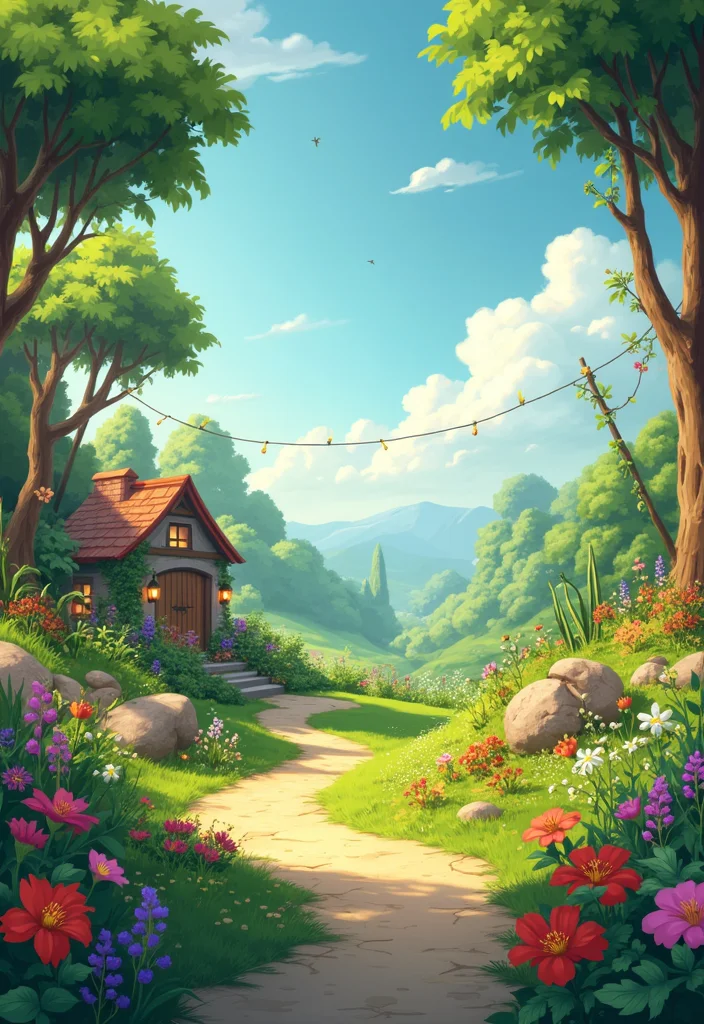
With these enchanting story-inspired concepts, your garden can become a magical realm filled with creativity and adventure.
Each theme encourages children to explore, learn, and connect with nature while igniting their imaginations. By blending gardening with elements of storytelling, you’re providing a space where kids can grow not just plants but also their creativity and dreams.
Frequently Asked Questions
What Are the Best Storybook Themes for Children’s Gardens?
Choosing a storybook theme for your child’s garden can be a delightful adventure! Some popular themes include fairy tales like ‘Alice in Wonderland,’ where whimsical flowers and quirky decorations bring the story to life. You might also consider fantasy themes inspired by ‘Peter Pan,’ featuring lush greenery and colorful blooms that spark imagination. Don’t hesitate to mix and match elements from different stories to create a truly unique garden experience!
How Can I Incorporate Seasonal Planting Into a Storybook Garden?
Incorporating seasonal planting into your storybook garden adds both beauty and excitement throughout the year! Start by selecting plants that bloom during different seasons, like vibrant tulips in spring or cozy chrysanthemums in fall. You can create a timeline based on your chosen story’s seasons, planting flowers that symbolize specific moments. This not only enhances the garden’s aesthetic but also teaches children about the cycles of nature.
What Types of Whimsical Garden Decor Work Best for Children?
When it comes to whimsical garden decor for children, think vibrant colors and playful designs! Consider adding fairy houses, gnome statues, or even oversized flowers to spark joy and creativity. You can also use painted stones with storybook characters or quotes to make the garden interactive. Engaging decor can transform your garden into a magical world where children can play and explore their imagination.
How Do I Create a Safe and Fun Storybook Landscape for Kids?
Creating a safe and fun storybook landscape for kids involves a few key elements. Start by selecting non-toxic plants and ensuring paths are stable for play. Incorporate sensory elements like fragrant herbs or textured plants to engage their senses! Designate areas for play, like a cozy reading nook or a small fairy garden, where children can immerse themselves in storytelling while enjoying nature’s beauty.
What Are Some Themed Gardening Ideas That Encourage Creativity in Kids?
Themed gardening ideas can ignite creativity in kids! You might try a pizza garden where children plant ingredients like tomatoes, basil, and peppers, teaching them about food and gardening. Alternatively, a butterfly garden filled with nectar-rich flowers not only attracts beautiful butterflies but also offers a fantastic learning opportunity about nature. The key is to make gardening fun and educational, allowing children to express themselves and explore their interests!