

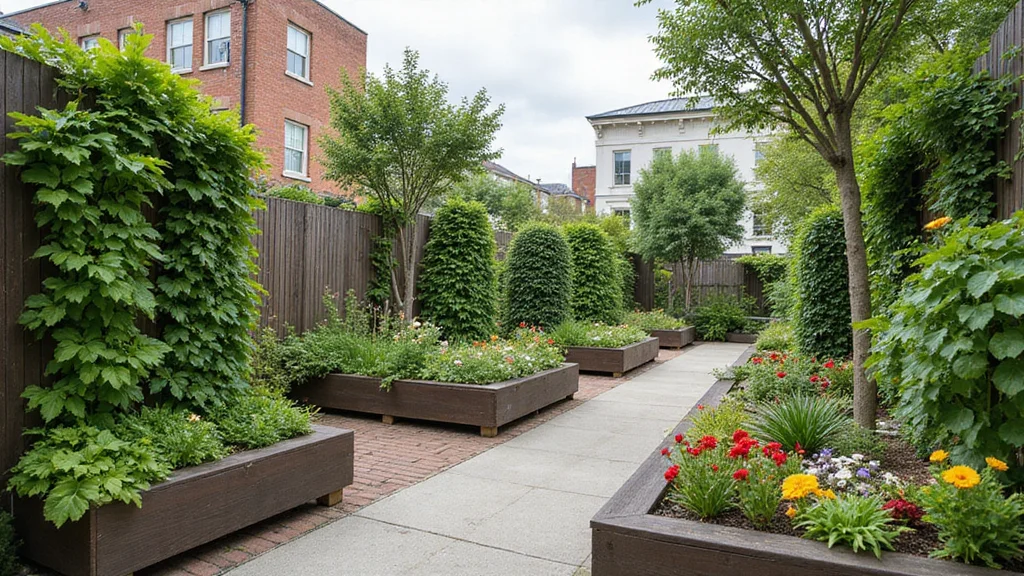
Gardening can be a delightful escape, bringing us closer to nature and allowing us to express our creativity. This post was inspired by my own journey through the joys and challenges of small-space urban gardening. I wanted to share ideas that not only beautify your space but also embrace sustainable practices, making it easier for everyone to grow their own food and flowers.
If you’re someone who loves to dig in the dirt, whether you’re a seasoned gardener or just starting out, this guide is for you. You might live in a tiny apartment with a balcony or have a small yard; either way, the ideas here are designed to fit your unique space while adding charm and functionality.
Get ready to explore 19 farm-inspired creative concepts that will elevate your garden game. From vertical gardens to herb spirals, you’ll discover layouts that maximize space and make gardening fun. You’ll also learn practical tips for sustainable gardening, ensuring that your green thumb leaves a positive impact on the planet. So, grab your gardening gloves and let’s dig into these exciting concepts that will transform your little patch of earth into a thriving oasis.
Key Takeaways
– Discover 19 creative garden layouts that are ideal for small spaces, enhancing both beauty and productivity.
– Learn how to incorporate vertical gardening techniques to maximize limited space effectively.
– Explore the benefits of raised bed gardening for easier maintenance and better soil management.
– Find out how to attract pollinators and improve biodiversity with the Pollinator Patch concept.
– Embrace sustainable gardening practices that promote eco-friendly habits while growing your food.
1. The Vertical Garden Wonder
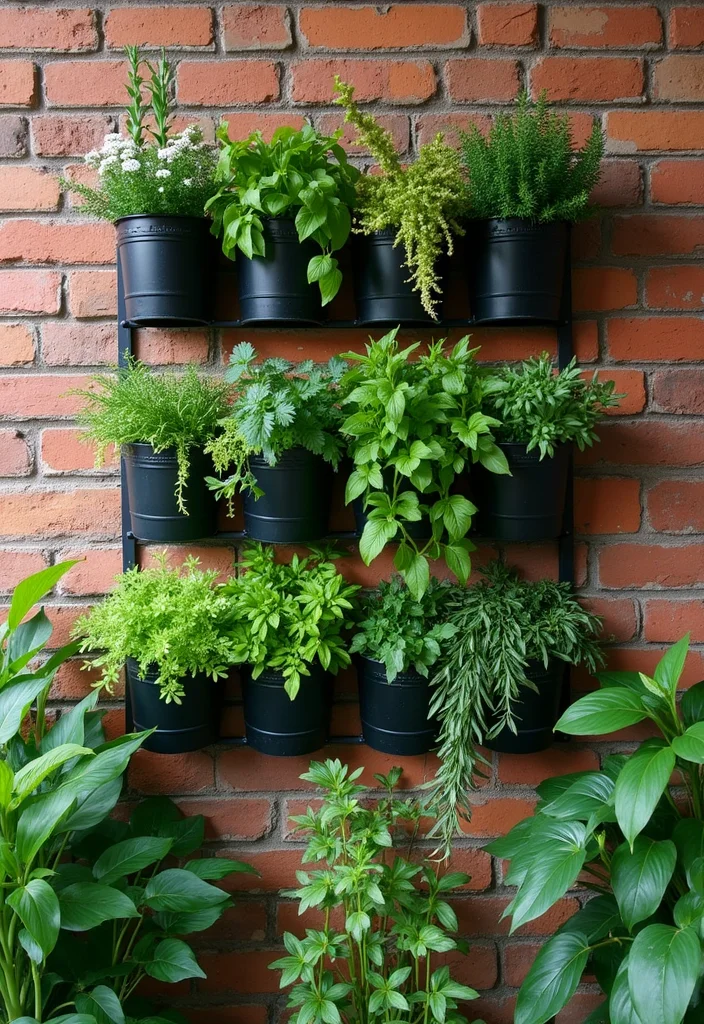
Vertical gardens are a fantastic way to maximize space while adding a burst of nature. Picture a wall adorned with lush greenery, hanging herbs, and colorful flowers that create a stunning visual delight. This trend is popular on platforms like Pinterest, where creative gardeners showcase their unique designs, proving that even the smallest spaces can be transformed into a green oasis.
To get started, find a sturdy trellis or use wall-mounted planters. Opt for plants that thrive vertically, like strawberries, herbs, or flowering vines. This not only conserves space but also purifies the air and can help keep your home insulated. Consider adding a drip irrigation system to make watering a breeze, ensuring your plants remain healthy and hydrated.
• Choose sturdy trellises for support
• Select space-saving plants like herbs and strawberries
• Incorporate drip irrigation for easy watering
• Mix textures and heights for visual interest
With these elements, you’ll create a vertical garden that’s not just practical but also a striking focal point in your outdoor space.
2. The Herb Spiral
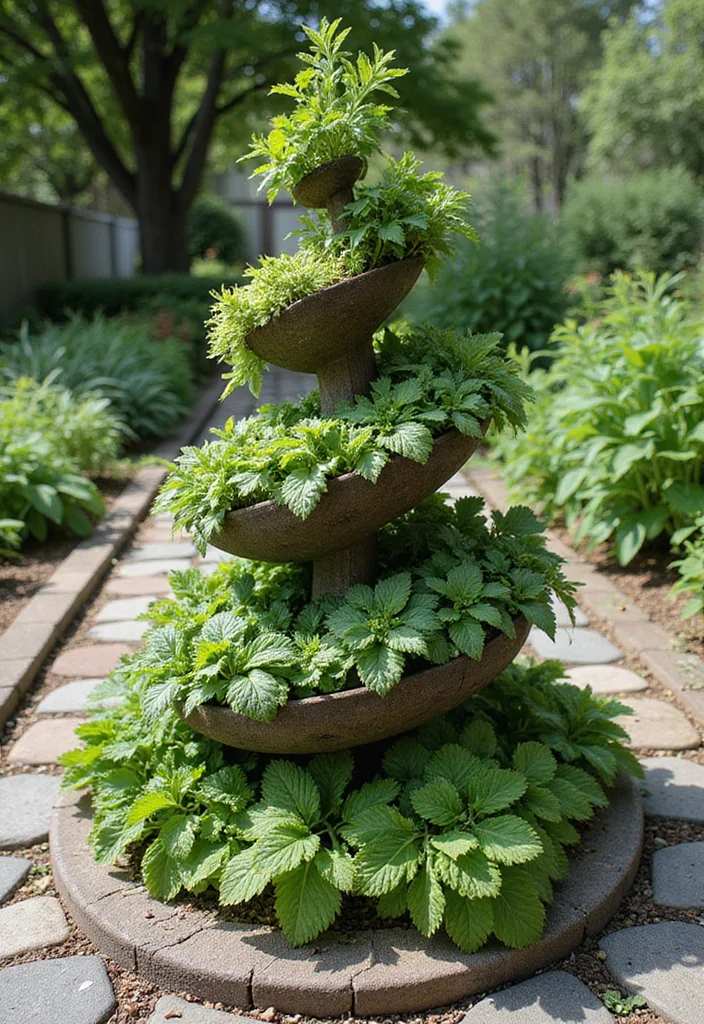
Herb spirals offer a smart and efficient way to grow a variety of your favorite herbs in a compact design. This spiral structure not only saves space but also creates microclimates that cater to different plants’ needs. You’ll enjoy easy access to fresh herbs right in your backyard, elevating your cooking and gardening experience.
To build your herb spiral, start with a circular base made from stones or bricks. Gradually build upward into a spiral shape, filling it with nutrient-rich soil. Plant herbs like basil, mint, and thyme at different levels, ensuring the top section is drier for herbs that prefer less moisture. This design maximizes yield in a small area and promotes companion planting, improving growth and flavor.
• Build a circular base for structure
• Fill with nutrient-rich soil for healthy growth
• Plant various herbs at different levels
• Mix annual and perennial herbs for year-round harvests
This herb spiral not only looks beautiful but also provides you with fresh flavors for your dishes all year long.
3. Container Gardening Extravaganza
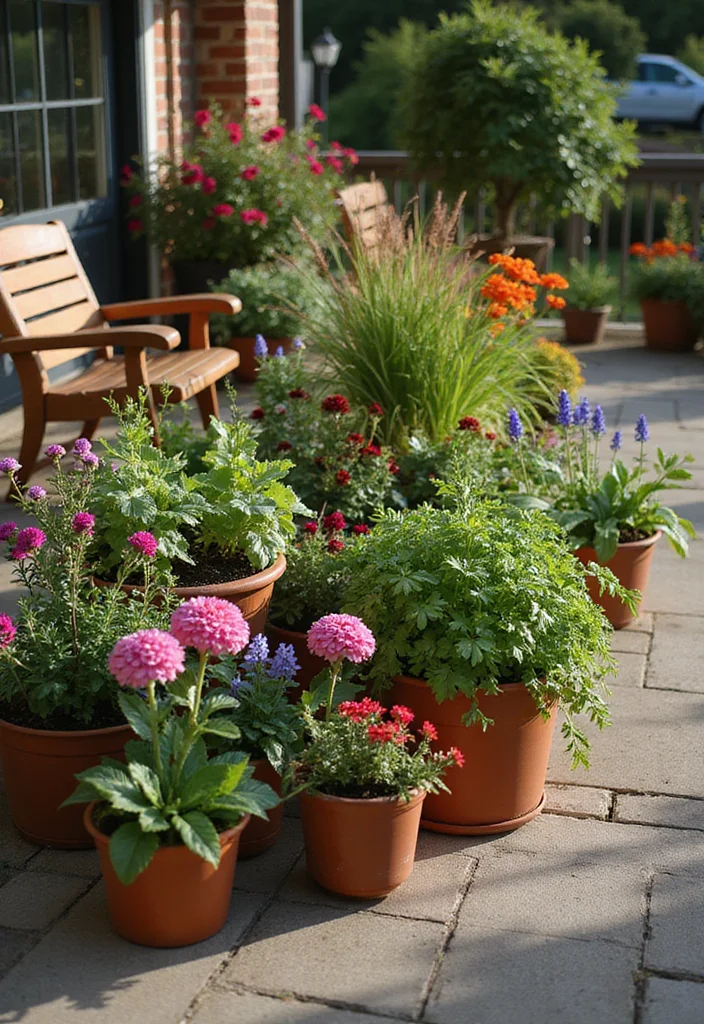
Container gardening lets you add color and life to any outdoor space without the commitment of in-ground planting. Ideal for patios, balconies, or compact backyards, containers allow for creativity by mixing different plants, creating a stunning display of blooms and greenery. You can easily customize your garden to fit your style and space requirements.
Select pots in various sizes and materials, like terracotta or ceramic. Fill them with vibrant flowers, ornamental grasses, or even vegetables to create a diverse garden scene. Arrange taller plants at the back and shorter ones in front for a layered look. Grouping pots together enhances visual appeal, and sticking to a color scheme ties everything in beautifully.
• Choose various pot sizes for depth
• Fill with colorful flowers and plants
• Arrange taller plants in the back of containers
• Group pots for a cohesive look
This style of gardening not only optimizes your space but also allows you to express your creativity and create a vibrant outdoor oasis.
4. Raised Bed Gardening
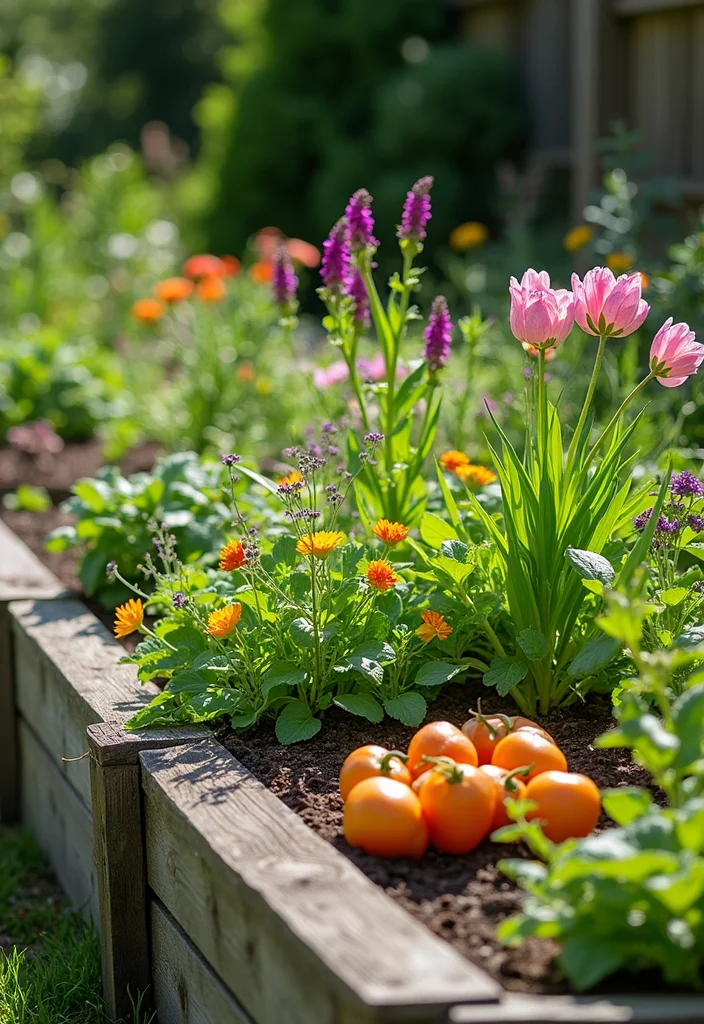
Raised bed gardening creates a dedicated area for your plants, offering improved drainage and easier access. This method is perfect for gardeners of all ages, as you can build the beds at various heights. You’ll enjoy a more organized garden while also simplifying the planting and maintenance process.
To create a raised bed, pick a sunny spot and build a frame using wood, bricks, or stones. Fill it with high-quality soil and compost to help your plants thrive. Raised beds reduce weeds, improve drainage, and allow you to control soil quality better. Plus, they add a clean, structured look to your garden, enhancing its overall appeal.
• Build a frame using wood or stone
• Fill with quality soil and compost
• Mix vegetables, herbs, and flowers for variety
• Position raised beds in a sunny location
This gardening method not only makes your outdoor space more functional but also boosts the beauty of your garden while allowing you to grow a diverse range of plants.
5. The Pollinator Patch
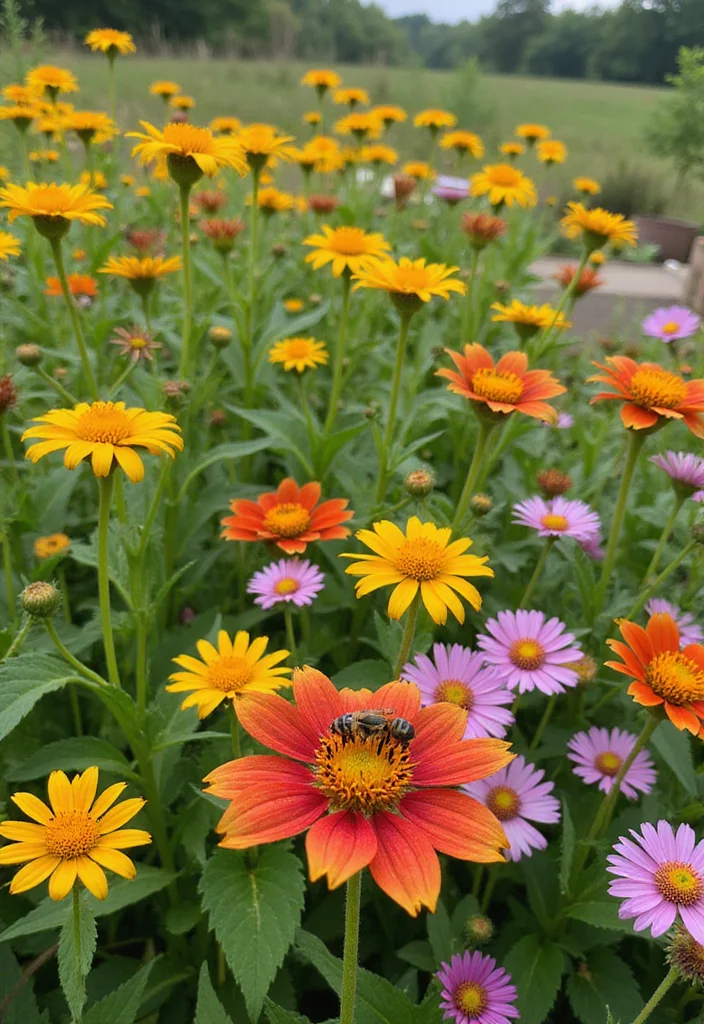
Creating a pollinator patch in your garden is a beautiful way to support local ecosystems. These patches attract bees, butterflies, and other pollinators, which are essential for blooming plants and food production. You’ll enjoy the added beauty and liveliness they bring to your outdoor space while knowing you are contributing to biodiversity.
Select a variety of native flowering plants that bloom at different times to ensure continuous color throughout the growing season. Flowers like echinacea, black-eyed Susans, and lavender are fantastic choices. Avoid using pesticides to keep these beneficial insects safe, and consider adding a small water source to your garden to attract even more wildlife.
• Choose native flowering plants for local pollinators
• Plant flowers that bloom at different times
• Add a small water source for wildlife
• Avoid pesticides to protect insects
This garden layout not only supports pollinators but also enhances the vibrant feel of your outdoor space, providing a rewarding experience as you watch nature thrive.
6. Edible Flower Beds
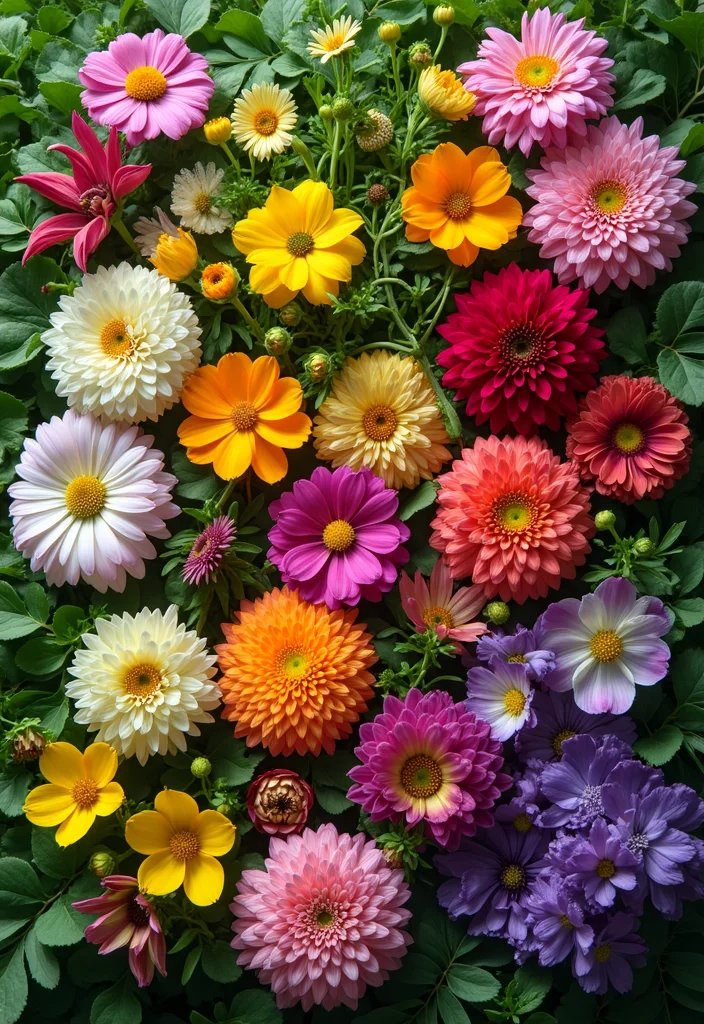
Edible flower beds bring beauty and flavor to your garden, offering a feast for both the eyes and the palate. Flowers like nasturtiums, violets, and marigolds not only attract beneficial insects but also add unique flavors to your dishes. Imagine garnishing your salads or desserts with colorful, edible flowers right from your garden.
Designate a sunny area in your garden for these flowers, ensuring they receive enough sunlight and water. Edible flowers can be used in salads, drinks, or as lovely garnishes. Experiment with different color combinations and flower shapes to create a visually stunning display that delights your guests.
• Choose edible flowers for flavor and beauty
• Ensure flowers receive ample sunlight
• Experiment with color combinations for appeal
• Use pesticide-free flowers for safety
This garden layout not only enhances your culinary experience but also adds an exciting twist to your gardening journey.
7. The Succulent Corner
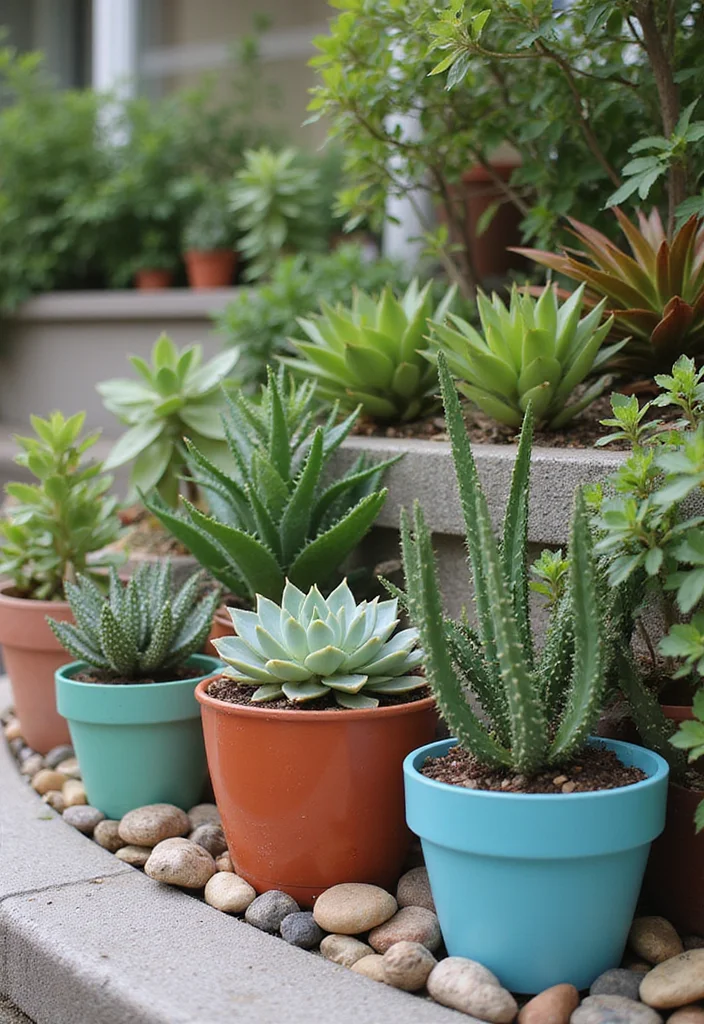
If you want a low-maintenance garden, consider creating a succulent corner. Succulents are hardy plants that come in various shapes and colors, making them perfect for small spaces. They are easy to care for and add a unique touch to your garden.
Designate a specific area for your succulents, possibly in a vertical planter to save space. Use gravel or sand at the bottom for excellent drainage and to prevent overwatering. Mix different species to create an attractive arrangement, showcasing their diverse textures and colors. Colorful pots can further enhance the aesthetic, especially when paired with decorative stones or driftwood.
• Create a dedicated area for succulents
• Use gravel or sand for drainage
• Mix different succulent species for variety
• Use colorful pots for added flair
This type of gardening allows for creativity while requiring minimal upkeep, making it ideal for busy urban dwellers.
8. The Compost Corner
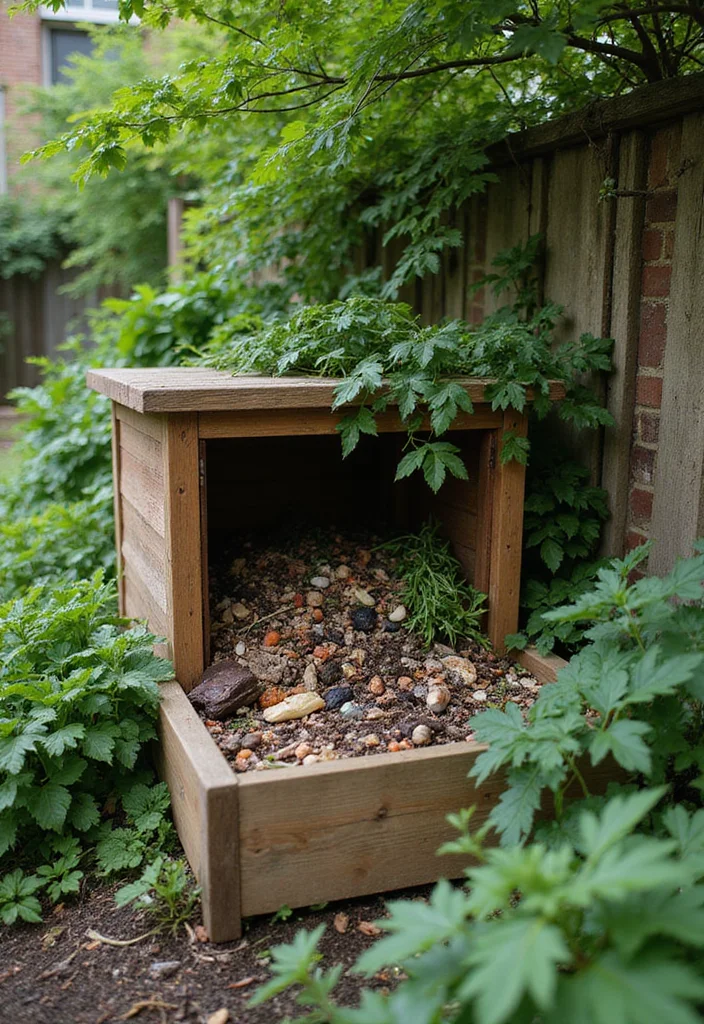
A compost corner is essential for any sustainable gardening plan. It helps reduce waste while providing nutrient-rich soil that boosts plant health. Setting up a compost bin is easier than you might think, and it’s a rewarding way to give back to your garden.
Choose a shady spot for your compost bin, or build one using pallets. Start adding kitchen scraps, yard waste, and brown materials like dry leaves. Turn the pile regularly to aerate it and speed up decomposition. Keeping a balance of nitrogen-rich greens and carbon-rich browns will create healthy compost for your plants.
• Select a shady spot for composting
• Use kitchen scraps and yard waste as materials
• Turn the pile regularly for aeration
• Maintain a balance of green and brown materials
This not only helps your plants thrive but also contributes to a greener planet, making composting a fun and rewarding gardening practice.
9. The Rain Garden
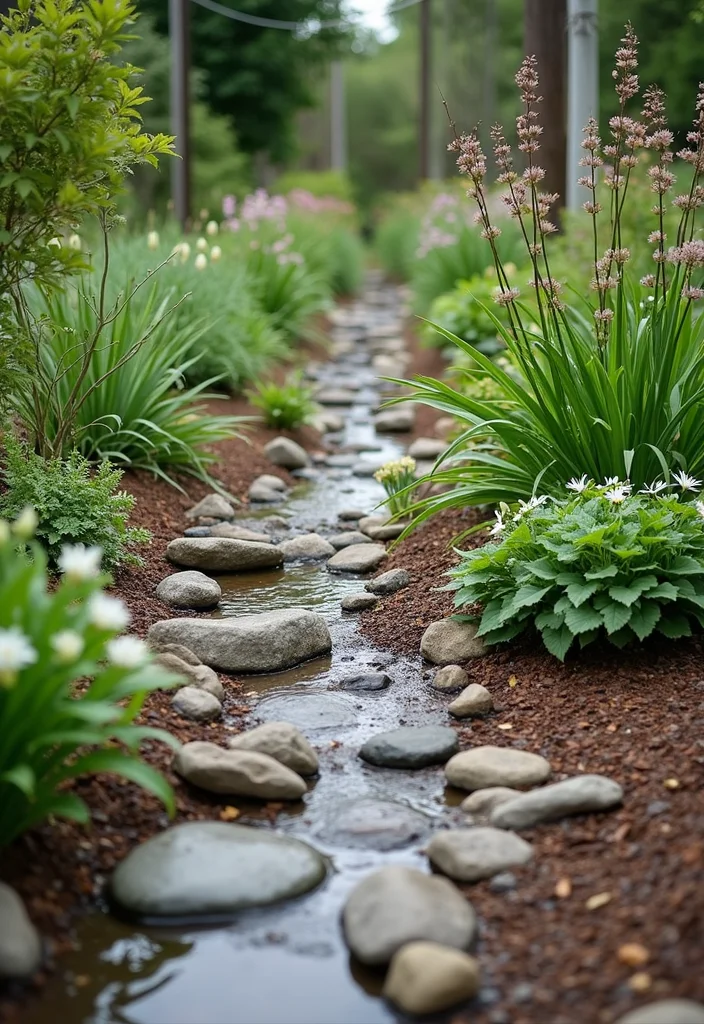
A rain garden is a beautiful way to manage stormwater and promote biodiversity in your yard. These gardens absorb rainwater runoff from roofs and driveways, filtering it through a variety of plants. You can create a lush area that not only looks great but also helps with water management.
Select a low-lying area to create a depression that can temporarily hold water. Plant native wetland plants that thrive in moist conditions, like ferns and flowering species. This layout supports water management and provides habitat for wildlife, enhancing your garden’s beauty.
• Choose a low-lying area for your rain garden
• Plant native wetland plants for moisture
• Use colorful stones or mulch for visual appeal
• Promote biodiversity with diverse plant species
This eco-friendly gardening approach is becoming increasingly popular as more people seek to manage stormwater in urban areas.
10. The Wildflower Garden
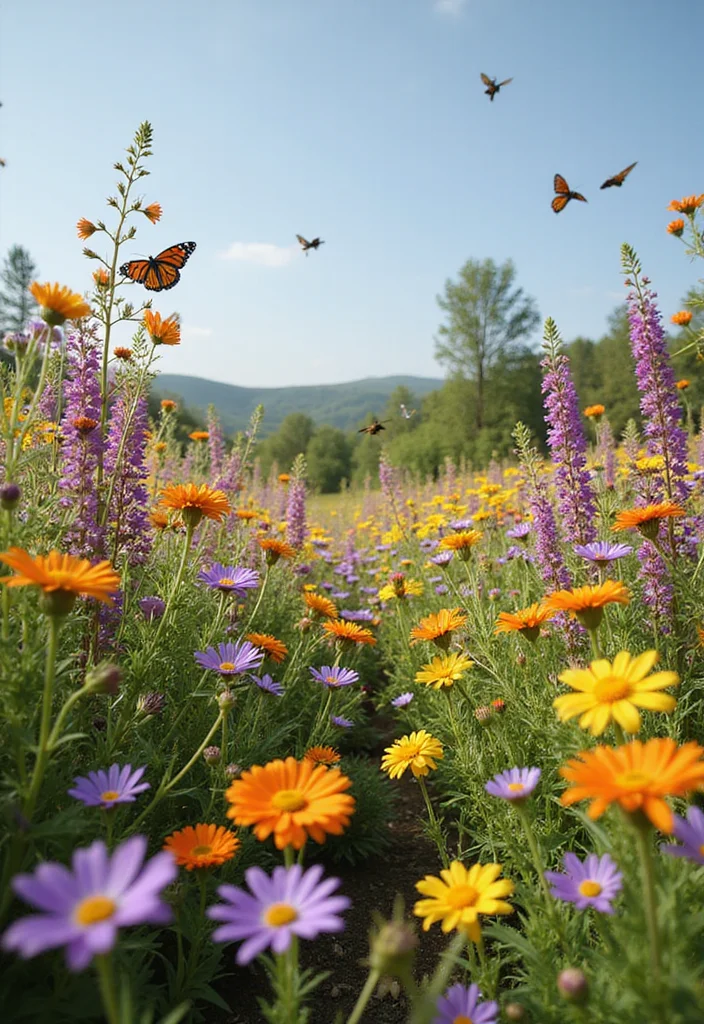
Wildflower gardens are a fantastic way to celebrate native flora and promote local ecosystems. This design is low-maintenance, requiring minimal care once established. You can create a stunning display of color that also supports wildlife.
Select a mix of wildflower seeds native to your area and sow them in a sunny location. After germination, let nature take its course, allowing the flowers to flourish and provide habitats for local wildlife. This approach encourages biodiversity while connecting gardeners with the beauty of native plants.
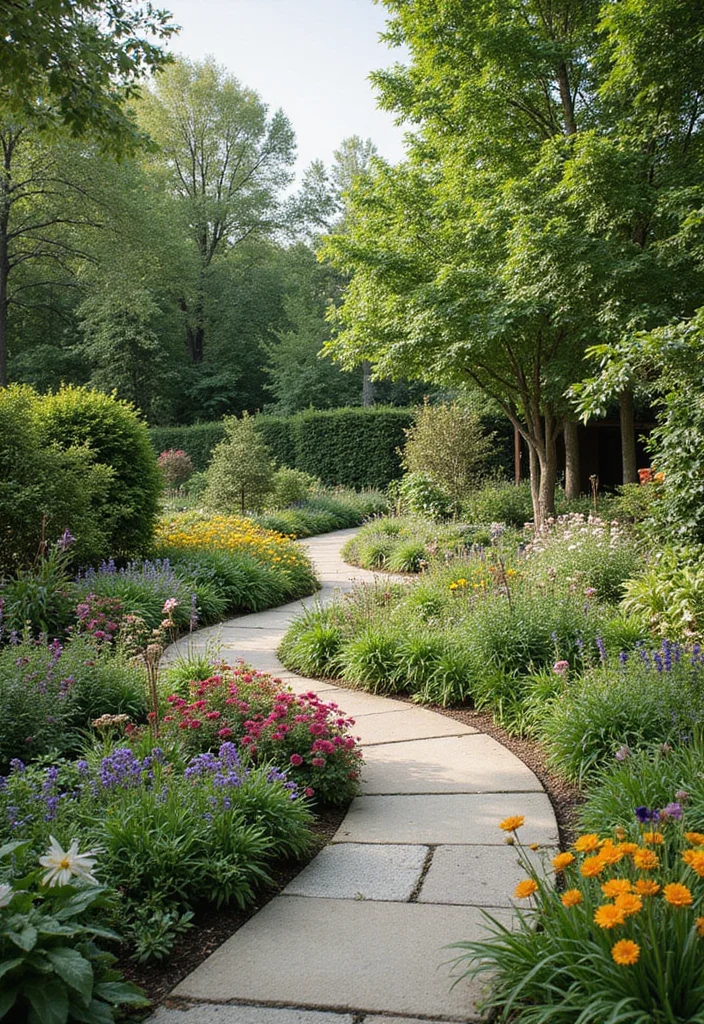
• Plant native wildflower seeds for authenticity A food forest mimics a natural forest while providing edible plants, creating a diverse ecosystem. This design allows various species to coexist, including trees, shrubs, and herbs, all working together to sustain each other. Begin by planting fruit and nut trees as the upper canopy. Underneath, add smaller shrubs with berries and herbs. Ground cover like strawberries can fill in the spaces below. This layered approach maximizes your growing area while providing food and habitats for wildlife. • Start with fruit and nut trees as the canopy This food forest not only provides a bountiful harvest but also creates a vibrant ecosystem that attracts pollinators and wildlife, engaging your entire community. A rustic pathway enhances your garden’s charm while guiding visitors through your outdoor space. Using natural materials like gravel or reclaimed wood, create a path that feels inviting and organic. This design adds intrigue and connects different sections of your garden. Design winding paths that meander through your plants, and consider adding benches or decorative elements along the way for resting spots and visual interest. Edge your pathways with low-growing plants or flowers to soften the edges and invite exploration. • Use natural materials for an organic feel This pathway design not only improves accessibility but also adds aesthetic appeal, creating a welcoming atmosphere in your garden. A greenhouse serves as a sanctuary for plants, allowing you to extend your growing season. Even in urban settings, small greenhouses can be a perfect solution for passionate gardeners who want to grow delicate plants. Choose a sunny spot in your garden for your greenhouse, and consider a lean-to style if space is limited. Inside, you can cultivate seedlings or tropical plants that wouldn’t survive in your local climate. Using shelving can maximize vertical space, allowing you to grow even more plants as you expand your collection. • Select a sunny location for the greenhouse This feature not only enhances your gardening capabilities but also creates a cozy retreat where you can relax surrounded by nature. A stylish garden shed can be more than just storage; it can become a beautiful oasis in your garden. Design your shed to reflect your personal style, incorporating vintage or modern elements that enhance your overall layout. Add shelves outside for potted plants or climbing vines to increase its charm. Inside, organize your tools, seeds, and supplies, while also creating a cozy workspace or reading nook. Personalize the shed with decorations that tell your gardening story, making it a unique part of your garden. • Design the shed to reflect your style This area adds functionality and invites relaxation and inspiration whenever you step into your green space. A shade garden is a wonderful way to utilize areas in your yard that receive little sunlight. This layout allows you to explore a unique variety of plants that thrive in low-light conditions, creating a peaceful retreat in your urban environment. Select shade-loving plants like hostas, ferns, and astilbes to create layers and textures in your garden. Use natural materials like mulch and stones to define pathways, enhancing the woodland feel of your space. Adding seating can create a tranquil area for reflection among the lush foliage, making it a perfect escape. • Choose shade-loving plants for variety This layout embraces the beauty of shade and creates a serene environment that invites relaxation and contemplation. Creating a wildlife habitat garden fosters biodiversity and brings nature’s beauty to your doorstep. This design focuses on planting native species that attract birds, butterflies, and beneficial insects, creating a balanced ecosystem. Incorporate a variety of plants, ensuring some are edible for wildlife, and consider adding features like birdbaths, feeders, and nesting boxes. This will make your garden a sanctuary for various creatures, enhancing the natural balance in your yard. Avoid chemical pesticides to protect your visiting wildlife, ensuring a healthy environment for all. • Plant native species for local wildlife This layout supports local wildlife while providing educational opportunities and a chance for homeowners to connect with nature. A community garden brings neighbors together, fostering connection and promoting sustainable practices. These gardens can be themed around specific crops or simply a shared space for everyone to grow their favorite plants. Organize a communal plot with members and designate individual areas for personal use. Community gardens can host workshops, events, and produce swaps, creating a hub of activity and shared knowledge. Engage local members in the decision-making process to ensure everyone feels included and valued. • Organize a shared plot for community use This layout not only enhances food production but also builds relationships among neighbors, turning gardening into a communal celebration of nature. A zen garden embodies tranquility, serving as a peaceful retreat in your urban oasis. This minimalist design focuses on rocks, sand, and select plants, promoting a serene environment ideal for reflection and relaxation. Create a gravel or sand area raked into patterns that mimic waves, representing gentle water flow. Incorporate rocks as focal points and add a few chosen plants like bamboo or moss to enhance the calming feel. Consider adding a seating area for contemplation and enjoyment of your serene surroundings. • Create a gravel area for raking This layout not only looks stunning but also provides a space for mindfulness in a busy world. A seasonal garden showcases the beauty of changing seasons, allowing you to experience nature’s cycles. This layout emphasizes planting annuals and perennials that bloom at different times throughout the year, ensuring a constantly evolving landscape. Select plants that offer color and interest in each season, from spring blooms to summer greenery and autumn foliage. Add seasonal decor elements, like pumpkins in fall or flowering branches in spring, to enhance the theme and draw attention to the changing beauty. • Choose plants for each season for variety This concept not only brings variety to your garden but also teaches patience and a deeper appreciation for nature. Creating a farm-inspired garden in urban spaces encourages creativity, sustainability, and connection to nature. With these 19 diverse designs, you have the tools to transform any patch of land into a vibrant haven. Whether it’s a vertical garden or a wildlife habitat, each layout offers unique benefits and enjoyment. As you embark on your gardening journey, remember that every small effort contributes to a greener, more sustainable future. Happy gardening! When it comes to small spaces, creativity is key! Consider using vertical gardening techniques, such as wall planters or hanging pots, to maximize your space. You can also create tiered garden beds to add depth and interest. Another great idea is to utilize container gardening, where you can grow various plants in pots of different sizes. This not only saves space but allows for easy mobility and rearrangement as needed! Sustainable gardening is all about working with nature! Start by using compost to enrich your soil, and choose native plants that require less water and care. Implement rainwater harvesting systems to water your plants sustainably. Additionally, consider practicing crop rotation to maintain soil health and reduce pests naturally. These small changes can make a big impact on your urban gardening journey! Farm-inspired vegetable gardens are all about simplicity and abundance! Start with easy-to-grow vegetables like tomatoes, radishes, and lettuce. Use raised beds or dedicated garden plots to create a structured, farm-like feel. Incorporate companion planting, where certain plants support each other’s growth, like pairing tomatoes with basil. This not only enhances your garden’s productivity but also adds a delightful aesthetic! Designing a beautiful yet functional garden layout starts with planning! Sketch out your garden space and consider elements like sunlight, wind patterns, and accessibility. Group plants with similar needs together to make maintenance easier. Don’t forget to include pathways and seating areas to enjoy your garden. A well-designed layout not only enhances beauty but also increases your garden’s productivity and enjoyment! Maintaining a sustainable urban garden is all about consistency and care! Regularly check your plants for pests and diseases, and use organic methods for control. Utilize mulching to retain moisture and suppress weeds. Make it a habit to rotate your crops each season and keep track of what works best in your space. This practice not only keeps your garden healthy but also makes your gardening experience more rewarding!
• Choose a sunny location for growth
• Allow flowers to flourish naturally
• Mix annuals and perennials for continuous blooms11. The Food Forest
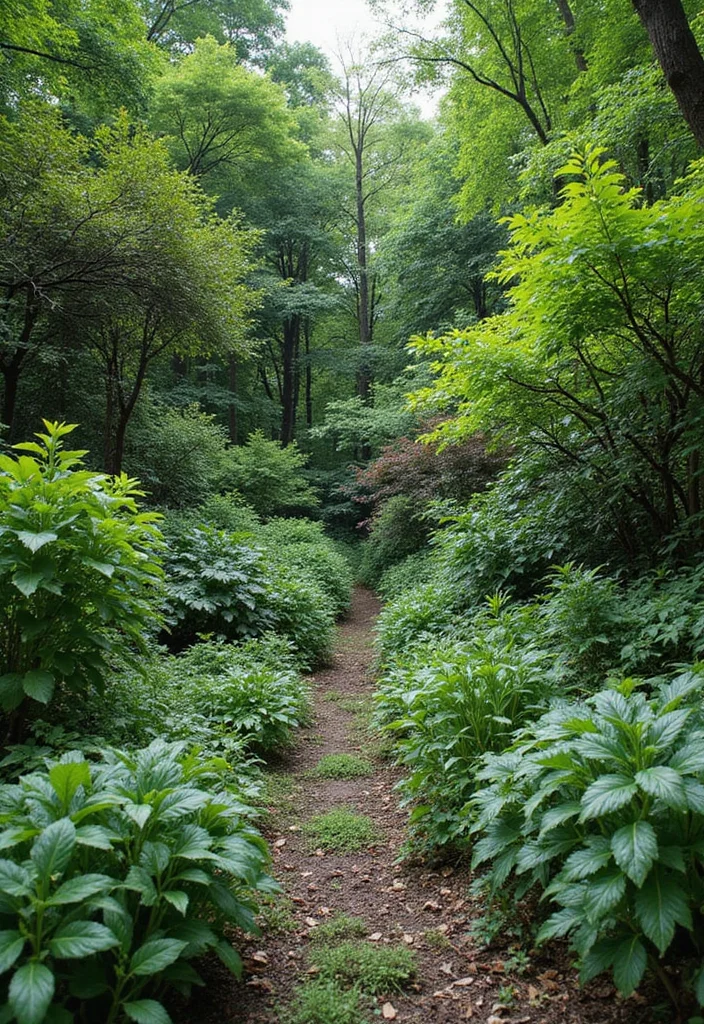
• Layer smaller shrubs and herbs underneath
• Fill with ground cover plants like strawberries
• Practice companion planting for natural pest control12. The Rustic Pathway
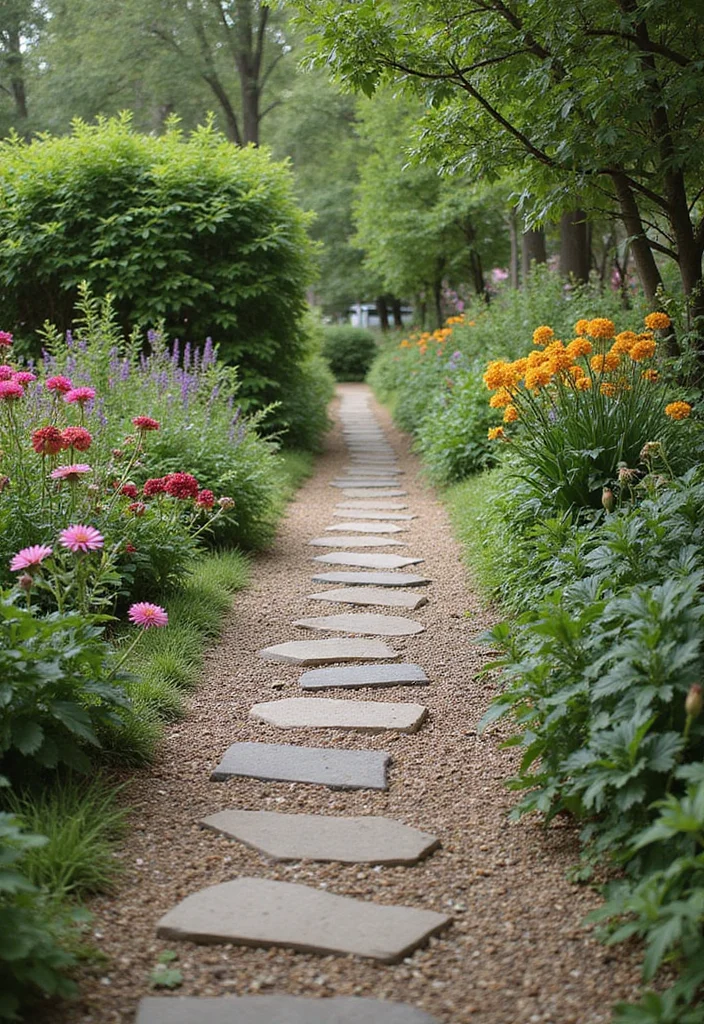
• Design winding paths to connect areas
• Incorporate benches for resting spots
• Edge pathways with low-growing plants13. The Greenhouse Retreat
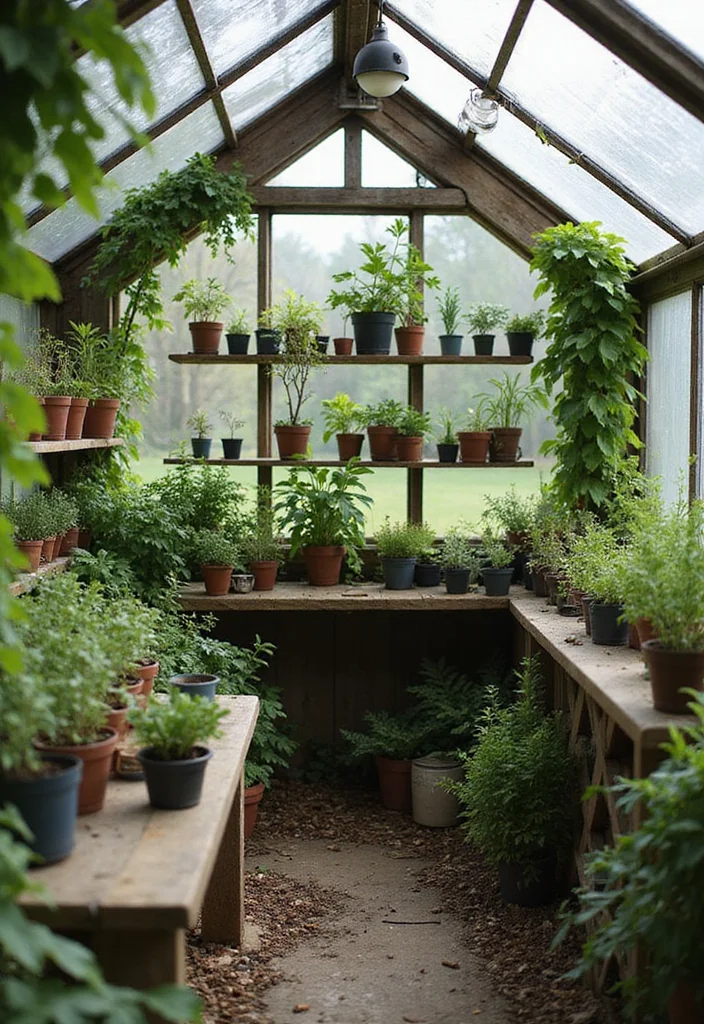
• Consider a lean-to style for space-saving
• Use shelving to maximize vertical space
• Grow delicate plants for year-round enjoyment14. The Garden Shed Oasis
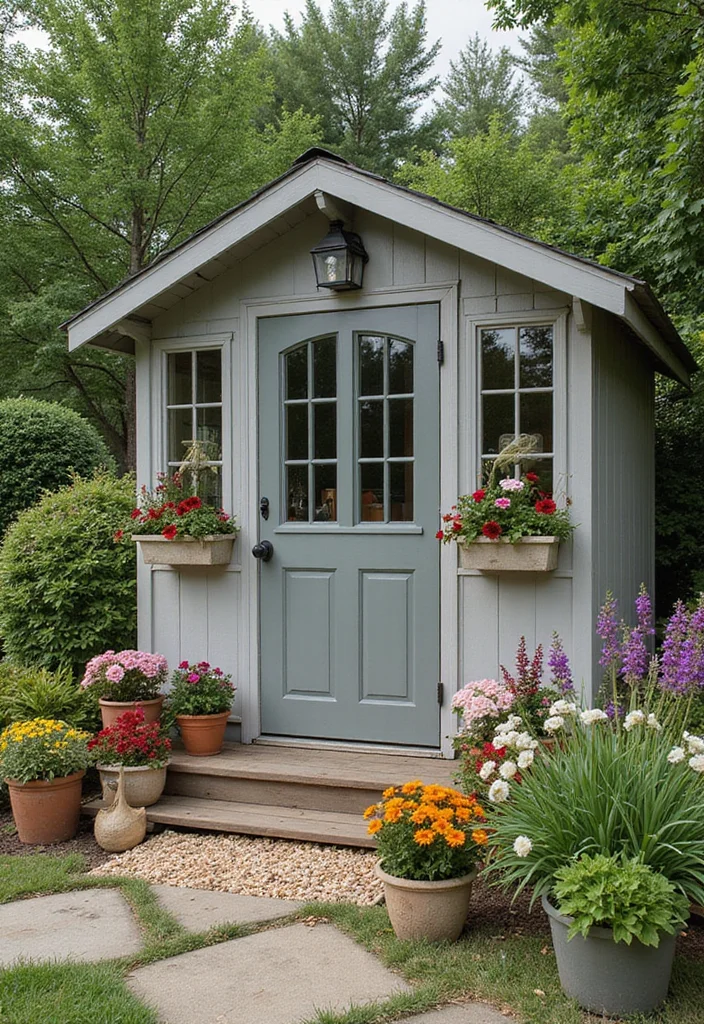
• Add outdoor shelves for potted plants
• Organize tools inside for efficiency
• Personalize with decorations for character15. The Shade Garden
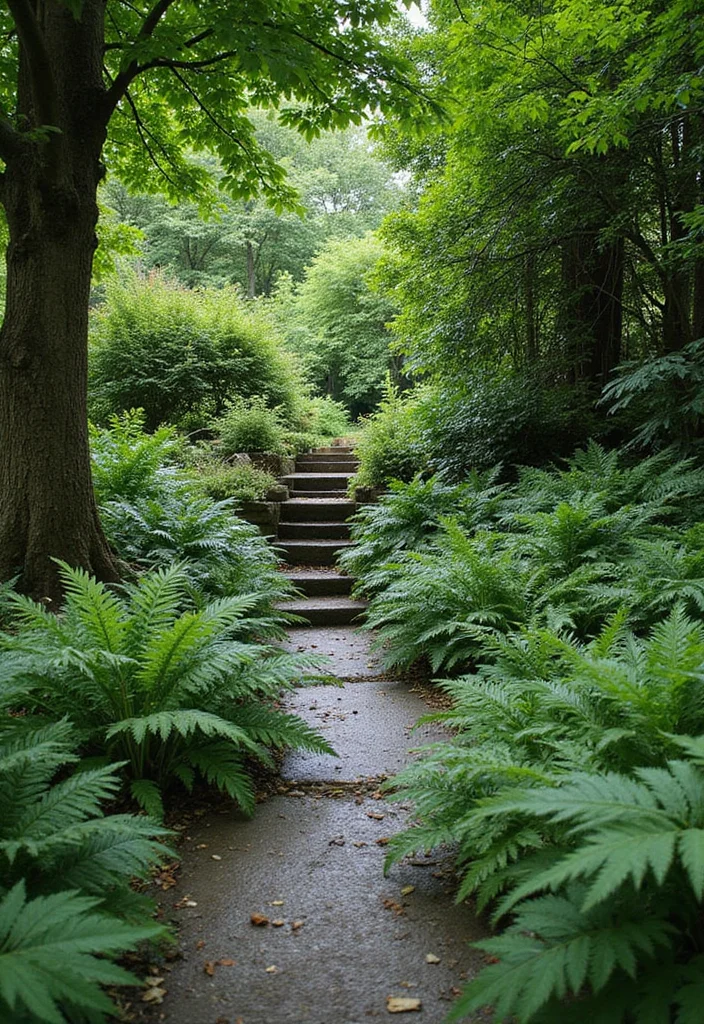
• Use natural materials for pathways
• Add seating areas for relaxation
• Create layers and textures for depth16. The Wildlife Habitat Garden
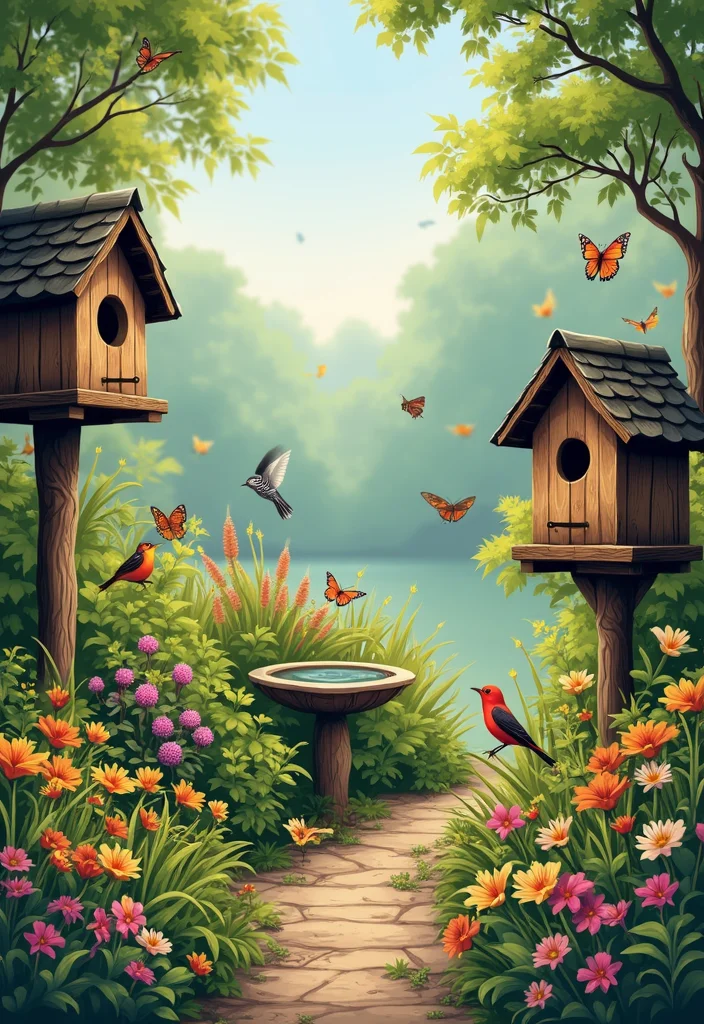
• Include edible plants for critters
• Add birdbaths and feeders for attraction
• Avoid chemical pesticides for safety17. The Community Garden
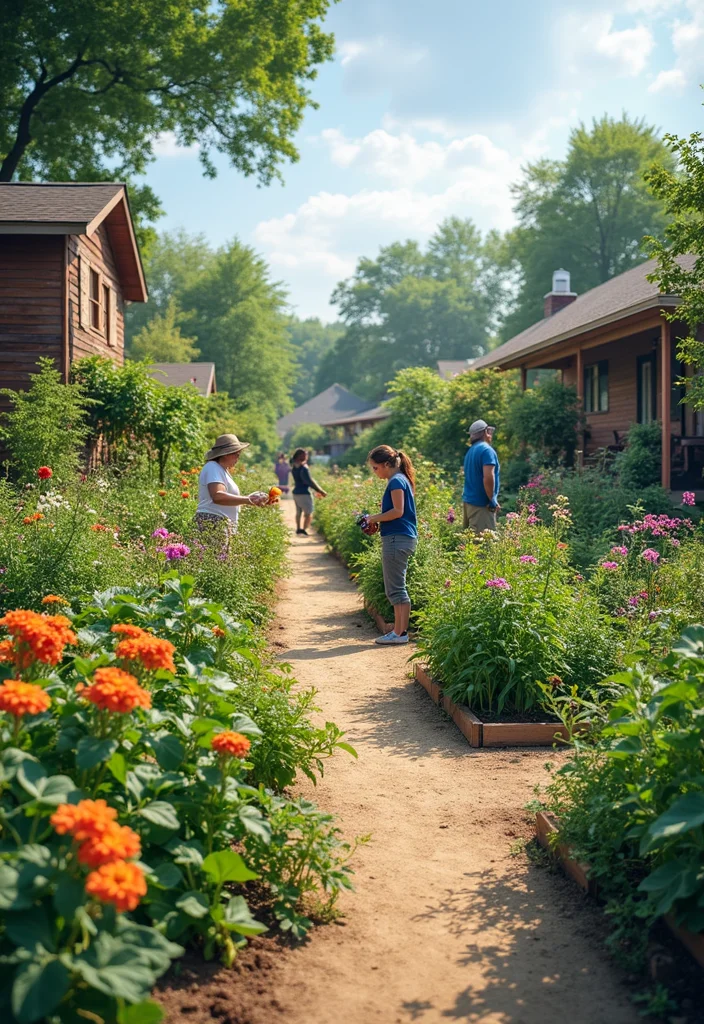
• Designate individual plots for personal growth
• Host workshops and events for learning
• Gather input from local members for involvement18. The Zen Garden
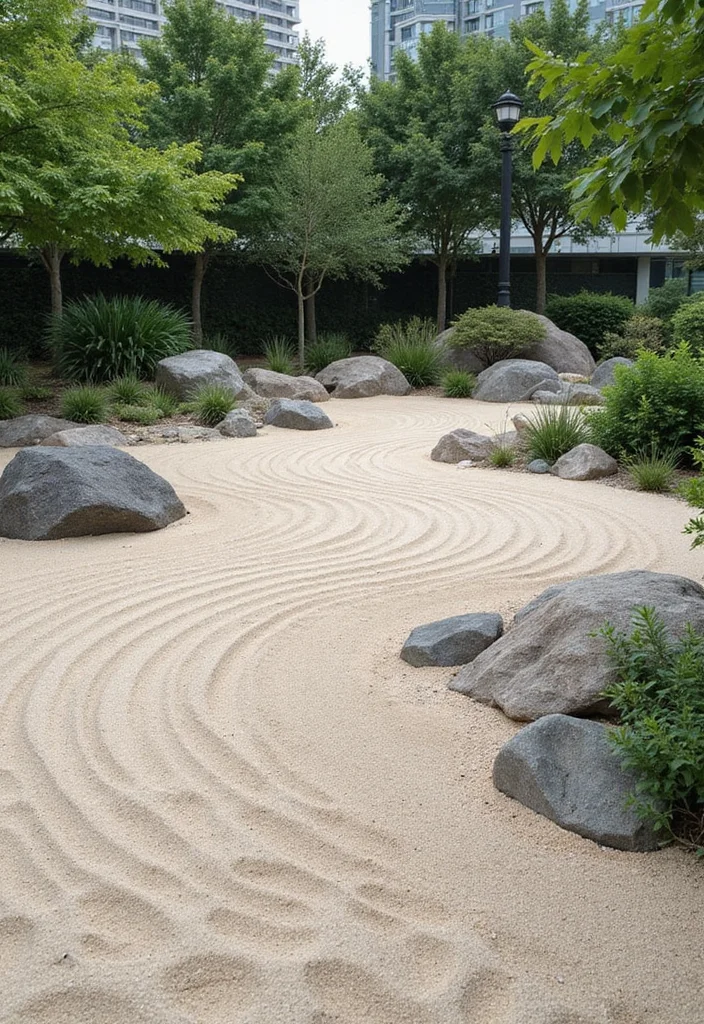
• Use rocks as focal points
• Incorporate select plants for beauty
• Add seating for relaxation19. The Seasonal Garden
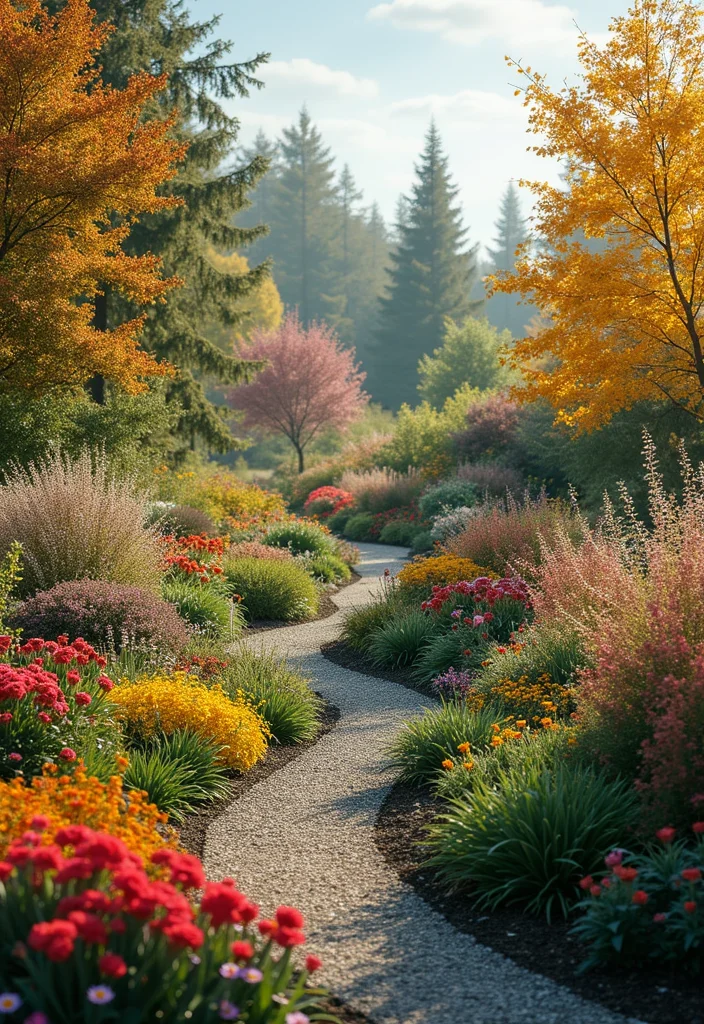
• Plant annuals and perennials for continuous blooms
• Add seasonal decor for visual interest
• Embrace nature’s cycles for appreciationConclusion
Frequently Asked Questions
What Are Some Creative Garden Layout Tips for Small Spaces?
How Can I Incorporate Sustainable Gardening Practices into My Urban Garden?
What Are Some Farm-Inspired Vegetable Garden Ideas for Beginners?
How Can I Design a Garden Layout That Looks Beautiful and Functions Well?
What Are Some Essential Tips for Maintaining a Sustainable Urban Garden?