

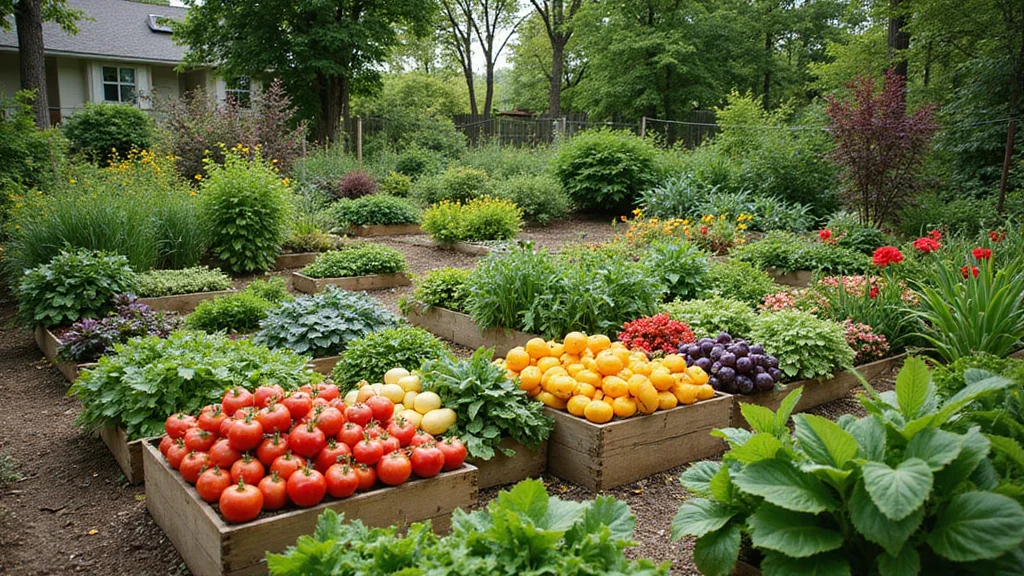
Creating a beautiful garden can feel overwhelming, especially if you’re just getting started. That’s why I wanted to put together this guide on garden design plans and drawing layouts. Whether you’re dreaming of a sustainable edible garden or simply looking to add more greenery to your outdoor space, this post is here to help you plan and visualize your ideas.
If you’re someone who loves gardening, particularly sustainable practices, you’ll find this guide especially useful. You care about making your garden not just visually appealing but also productive and eco-friendly. This post speaks directly to those who want to harmonize beauty and functionality, ensuring your garden thrives while providing fresh produce.
In this article, you’ll discover 19 planning-friendly inspirations that will spark your creativity. From vertical gardens to cozy outdoor living spaces, each section is packed with practical tips and detailed ideas. You’ll gain insights into planting schemes, companion planting strategies, and even winter gardening techniques. By the end, you’ll be equipped with the knowledge to create a layout that suits your lifestyle and gardening goals.
So grab your sketchpad and let’s start designing the garden of your dreams!
Key Takeaways
– Discover 19 unique garden design ideas that blend beauty with sustainability, perfect for any outdoor space.
– Learn how to incorporate companion planting strategies to enhance growth and pest resistance in your garden.
– Explore various layouts like vertical gardens and raised beds that optimize space and productivity.
– Get practical tips on creating inviting outdoor living spaces where you can relax and enjoy your harvests.
– Find out seasonal crop planning methods to ensure your garden remains productive year-round.
1. Vertical Garden Bliss
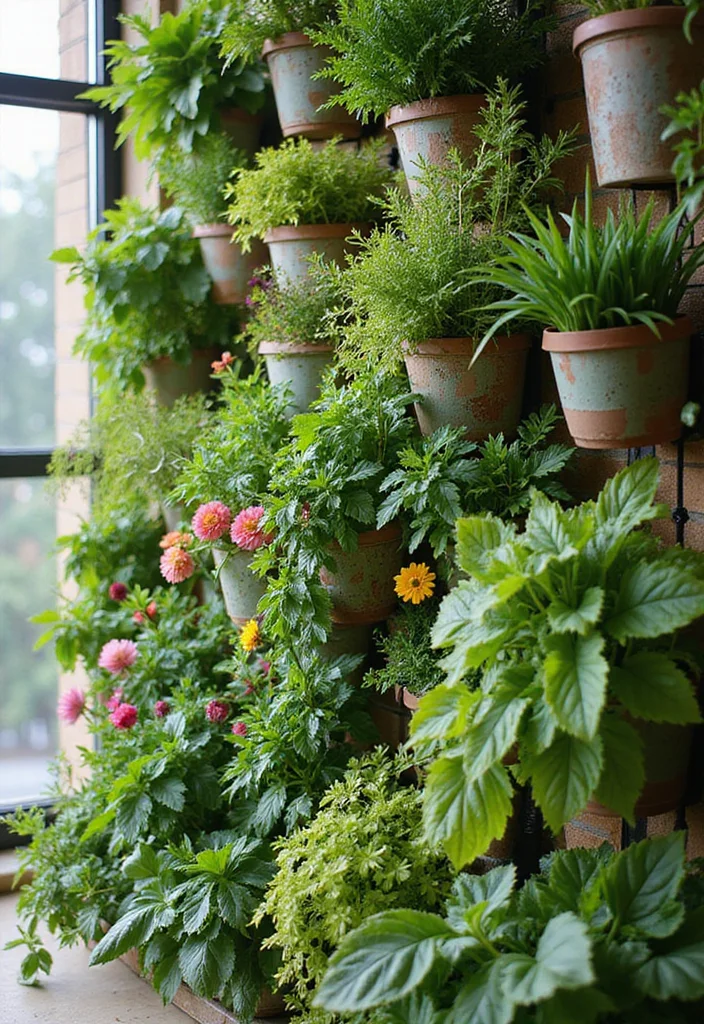
Transform your small garden or balcony with vertical gardening. This style allows you to grow lush greenery without taking up much ground space. Imagine vibrant wall planters or trellises filled with climbing plants like peas or fragrant herbs, adding beauty and freshness to your space. Pinterest is buzzing with creative vertical garden ideas that inspire you to create your own green oasis at home.
Start your vertical garden journey by using lightweight pots or repurposed materials like pallets. This approach not only saves money but also helps you craft a unique look. Consider using a drip irrigation system to ensure your plants stay hydrated and healthy. With a little creativity, your vertical garden can provide fresh ingredients like herbs or strawberries, making your meals even more delightful all summer long.
• Choose lightweight containers to ease installation
• Incorporate a drip irrigation system for easy watering
• Rotate plants regularly for improved growth
• Use recycled materials for a custom touch
With these tips, you can create a stunning vertical garden that brings life and flavor to your home.
2. Edible Landscaping for Natural Beauty
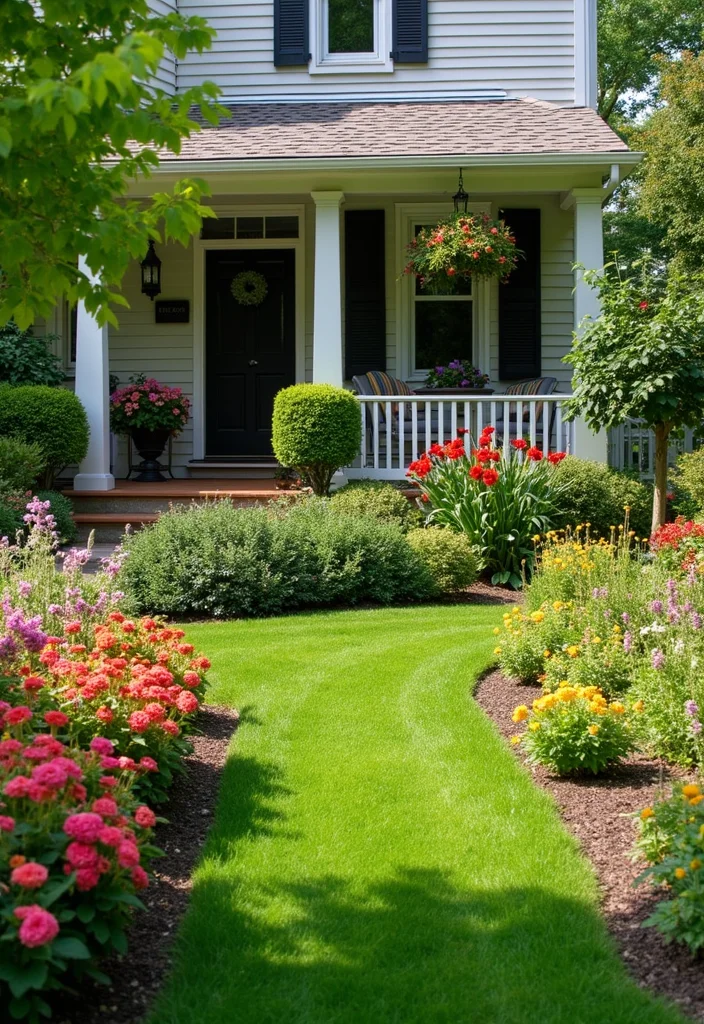
Imagine a garden that’s both beautiful and bountiful! Edible landscaping combines aesthetics with practicality, letting you grow food plants like berry bushes or fruit trees alongside traditional flowers. This trend is all over gardening blogs and social media, showcasing how you can turn your yard into a feast for the senses while boosting your home’s curb appeal.
To get started, select a mix of native plants to support local wildlife and attract pollinators. Incorporate colorful veggies and herbs alongside your decorative plants for a vibrant look. This way, your garden becomes a feast for both the eyes and the taste buds, while also promoting sustainability and biodiversity.
• Use native plants to attract local wildlife
• Plant pollinator-friendly flowers alongside edibles
• Mix textures and colors for visual appeal
• Grow edible flowers for added beauty
With edible landscaping, you can create a gorgeous outdoor space that delights both the eye and the palate.
3. Cozy Outdoor Living Spaces
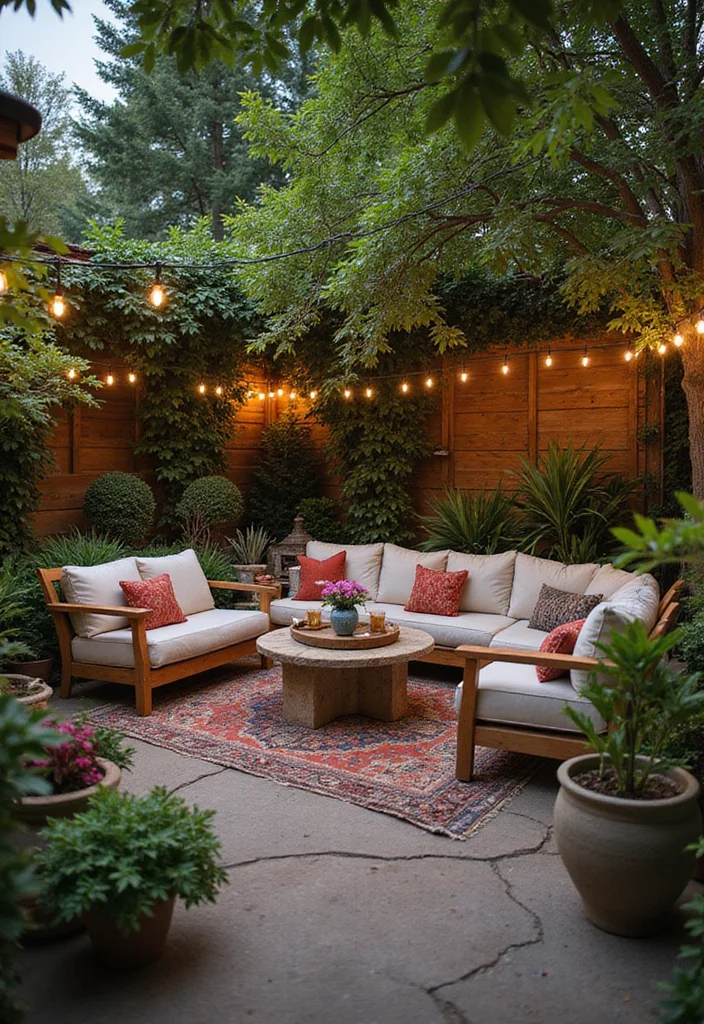
Creating a cozy outdoor living space makes your garden inviting and enjoyable. Think of a lovely patio adorned with comfy furniture, surrounded by lush greenery and fragrant herbs. You can even add decorative touches like colorful flower beds to enhance the atmosphere. This trend encourages you to spend more time enjoying your outdoor area, as seen in many home improvement magazines.
Consider using reclaimed wood for furniture or tables to add character and sustainability to your space. Add soft lighting, such as string lights or lanterns, to create a warm ambiance for evening gatherings. Don’t forget to place your edible plants nearby to make cooking easier and more satisfying.
• Use reclaimed wood for rustic charm
• Add string lights for a cozy atmosphere
• Create an alfresco dining area for meals
• Ensure easy access to edible plants for convenience
With these ideas, you can craft an inviting outdoor space that encourages relaxation and enjoyment.
4. Companion Planting Strategies
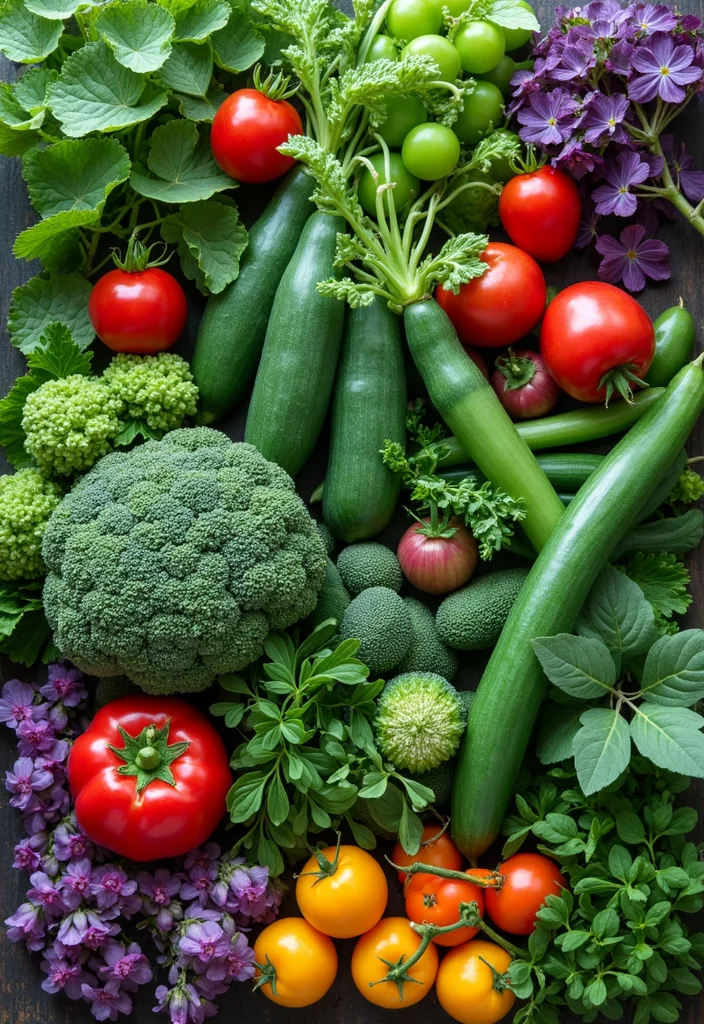
Companion planting is a smart way to boost your garden’s health and productivity. By pairing compatible plants together, you can enhance growth and keep pests at bay. For example, planting basil near tomatoes not only benefits both plants but also elevates the flavor of your dishes. This technique has gained popularity among gardeners for its natural approach to pest control and yield improvement.
Start by researching which plants thrive together and plan your garden layout accordingly. This method supports biodiversity and can reduce the need for chemical pest control. By incorporating companion planting, your garden can flourish while remaining eco-friendly and productive.
• Pair herbs with vegetables for better flavor
• Use marigolds to deter pests naturally
• Improve soil health with diverse root structures
• Rotate your plant pairings for best results
Implementing these strategies can lead to a thriving and sustainable garden ecosystem.
5. Raised Bed Gardening
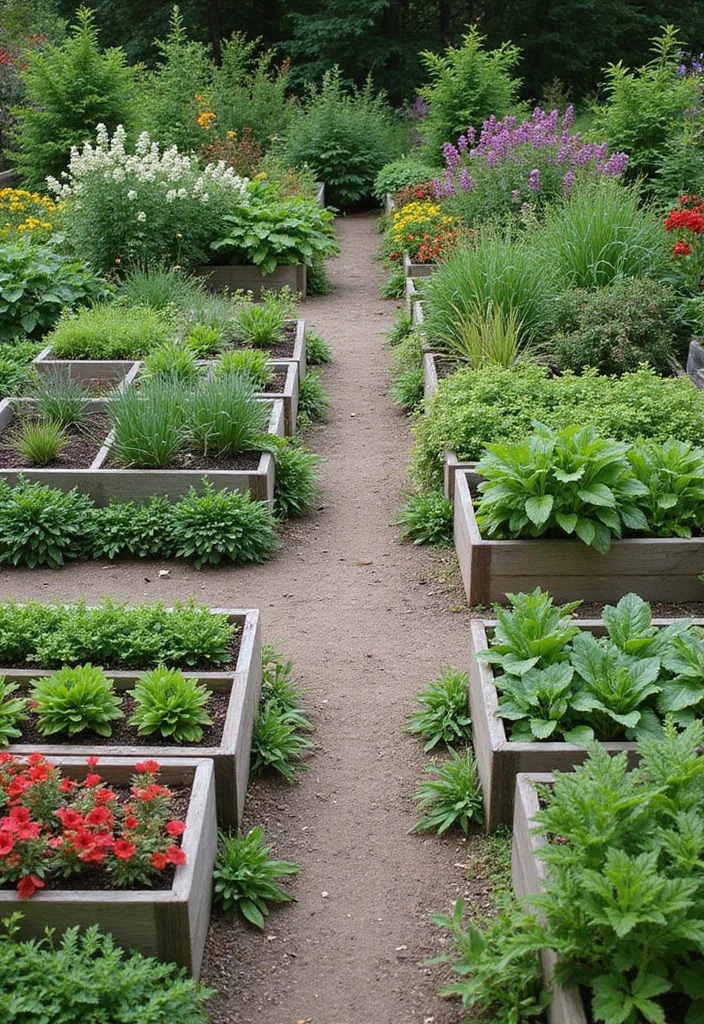
Raised bed gardening is a fantastic solution for growing a variety of plants while improving soil quality. These beds enhance drainage and make planting easier, especially for those with limited mobility. You can build your raised beds from sustainable materials, like reclaimed wood, making your garden both functional and eco-friendly.
Consider the height of your raised beds to make access easy. You can tailor the soil mix to suit the specific plants you want to grow. This method not only looks great but also offers better control over soil health and drainage.
• Ensure good drainage to prevent water issues
• Place taller plants on the north side for sunlight
• Add a mulch layer to retain moisture
• Customize soil mixes for specific plants
With raised beds, you can create a beautiful and efficient garden that is easy to manage.
6. Permaculture Principles in Action
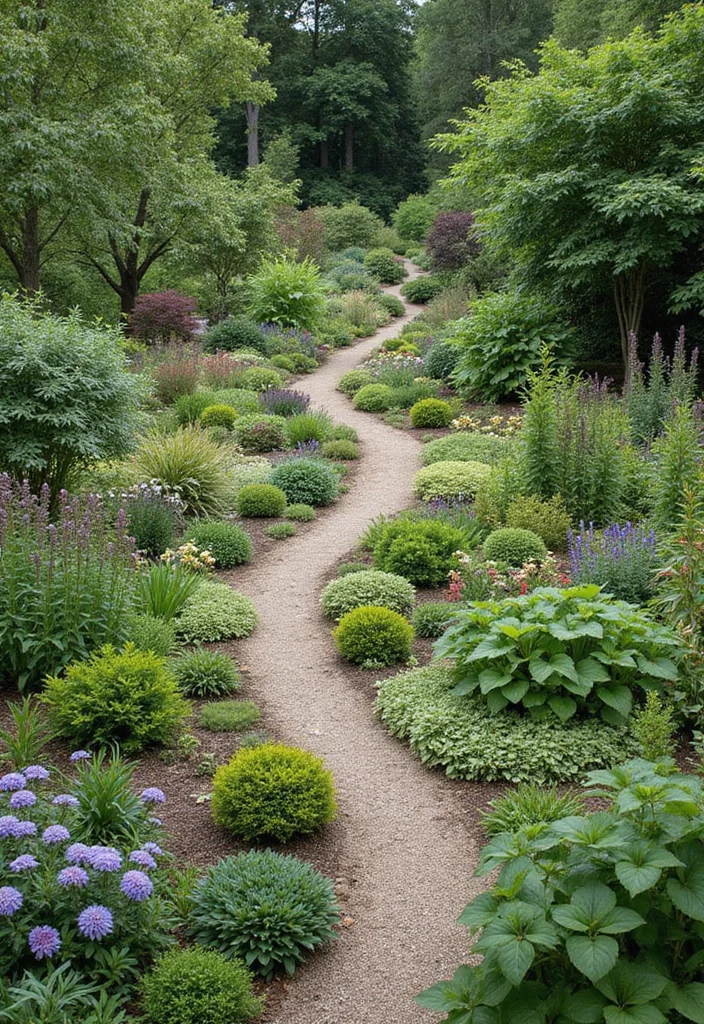
Permaculture is about creating gardens that work with nature. By applying these principles, you can design a garden that produces food while benefiting the ecosystem. Start by zoning your garden—place frequently used plants near your home for easy access, while giving less-used plants more space. This helps you use resources like sunlight and water wisely.
Incorporate composting systems to recycle waste from your garden and create nutrient-rich soil. Consider a rainwater catchment system to efficiently use water. By embracing permaculture, your garden can become a self-sustaining environment that nurtures both you and the planet.
• Start a composting system for waste recycling
• Create a rainwater catchment for irrigation
• Use native plants to attract wildlife
• Zone your plants based on usage for efficiency
Implementing permaculture principles leads to a thriving garden ecosystem.
7. The Beauty of Herb Spiral Gardens
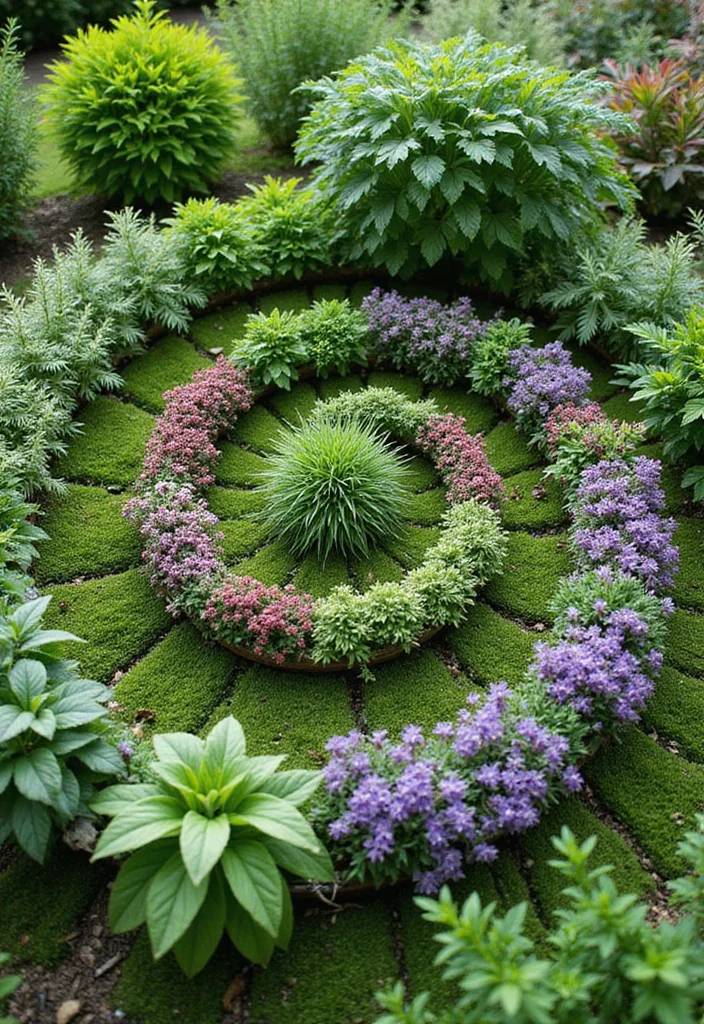
Herb spiral gardens are a creative way to grow a variety of herbs in a small space. This spiral design maximizes sun exposure and creates microclimates for different herbs. Imagine a spiral where mint enjoys the shade while thyme basks in the sun! This design idea is gaining popularity for its beauty and efficiency in garden planning.
Use natural stones or bricks to create the spiral structure, ensuring it’s visually appealing. Make sure to include pathways for easy access to your herbs. Proper drainage is key to keeping roots healthy and preventing rot.
• Build with natural stones for a rustic look
• Include pathways for accessibility
• Ensure proper drainage to protect roots
• Choose sun and shade herbs for diversity
With herb spirals, you can enjoy a functional and stunning garden feature.
8. Succulent and Cacti Gardens
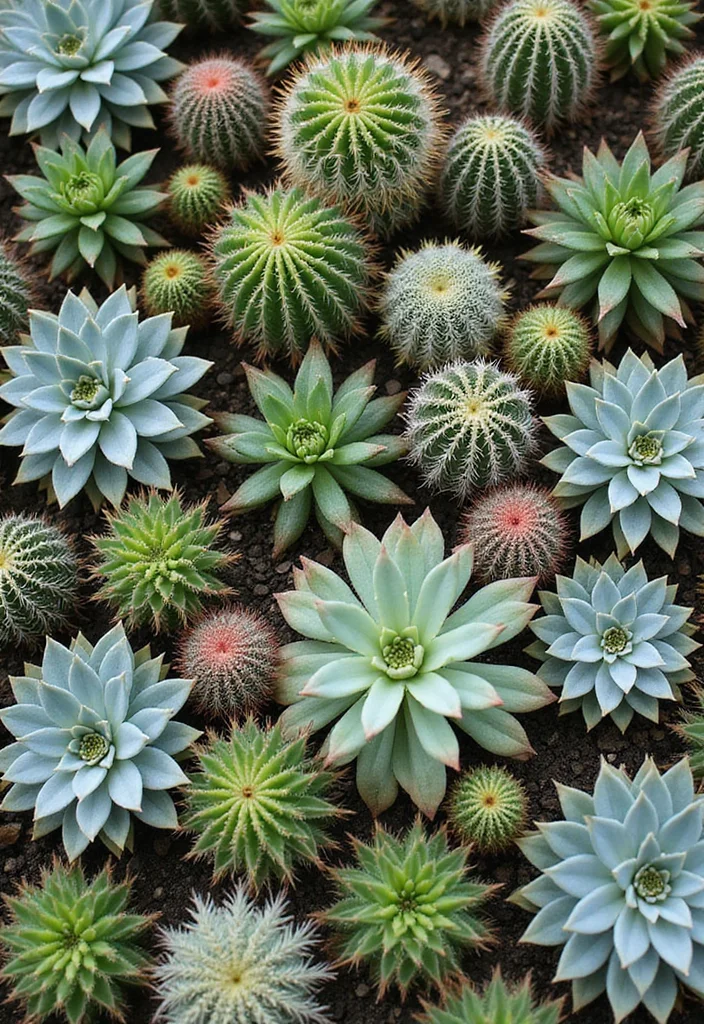
Succulents and cacti bring a unique flair to your garden, especially in dry climates. These hardy plants require little water, making them perfect for sustainable gardening. Picture a vibrant desert-themed bed filled with various shapes and colors of succulents and cacti, creating an eye-catching display.
Ensure you have well-draining soil to prevent root rot. Grouping these plants together allows for a creative arrangement. Adding rocks and gravel can enhance both drainage and visual interest in your garden.
• Provide well-draining soil for success
• Water sparingly to avoid overwatering
• Use gravel for better drainage
• Arrange plants for visual appeal
With a succulent and cacti garden, you can enjoy a stunning, low-maintenance landscape.
9. Biodynamic Gardening Layout
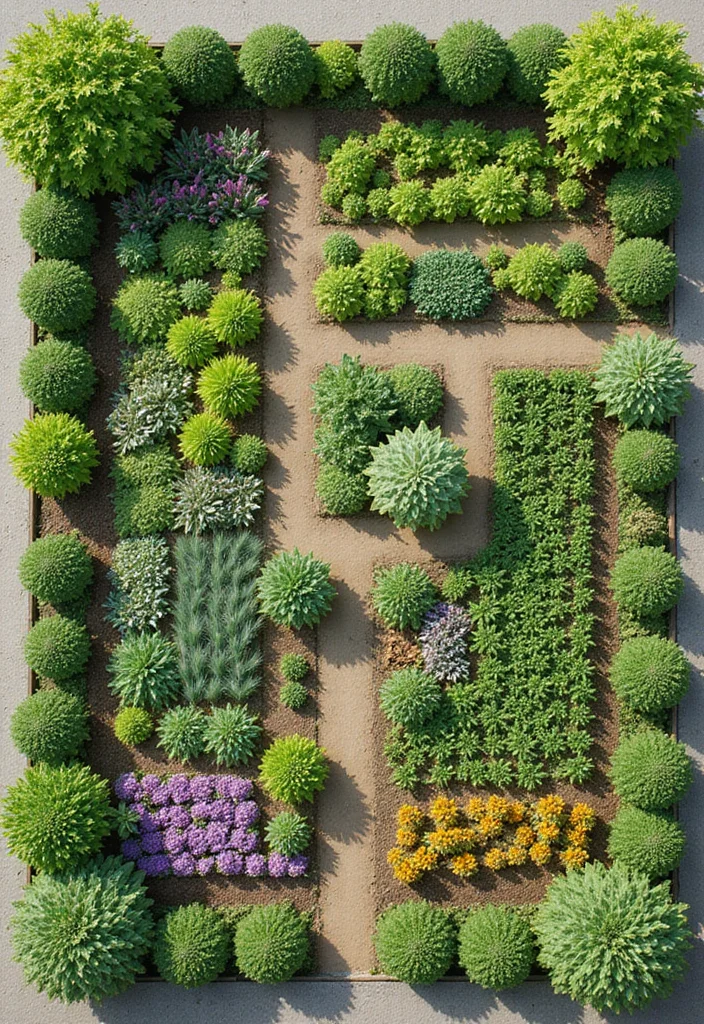
Biodynamic gardening combines traditional practices with a focus on sustainability. This method involves planting according to lunar cycles and using natural fertilizers. You can design specific zones in your garden for different plant groups, which helps with crop rotation and variety.
Start by using compost teas to enrich your soil and support plant vitality. Incorporating cover crops can improve soil health and add nutrients for future plantings. Biodynamic gardening taps into nature’s rhythms for a thriving ecosystem.
• Plant according to lunar cycles for success
• Use cover crops to enhance soil
• Incorporate natural fertilizers for growth
• Rotate crops for soil health
With these practices, you can create a robust garden that thrives naturally.
10. Simple Fruit Tree Orchards
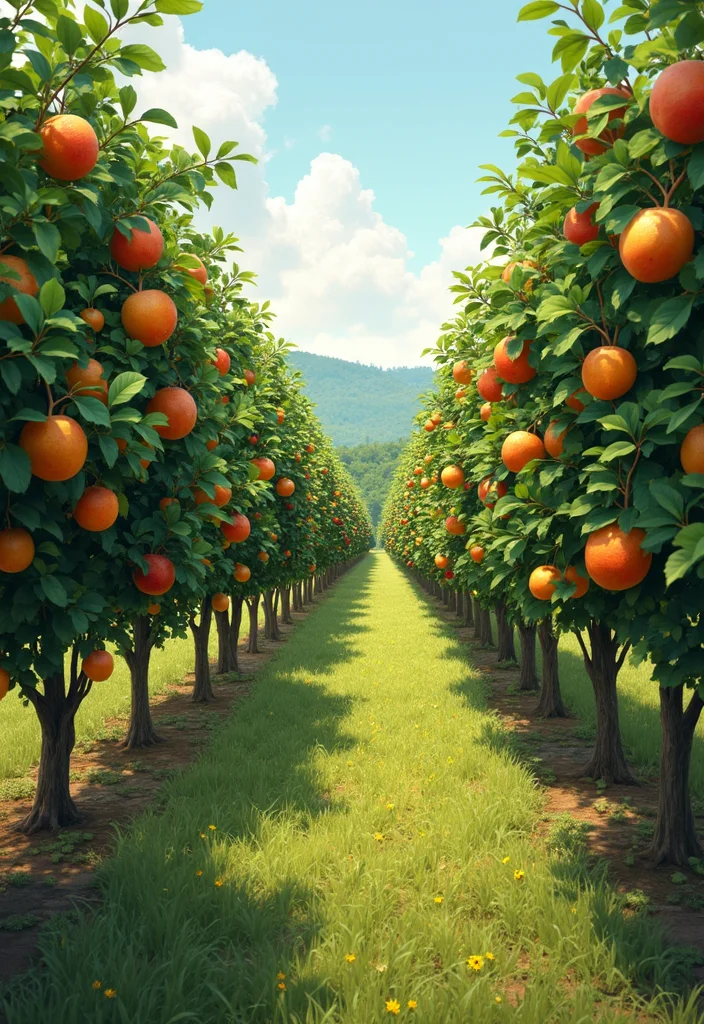
Creating a fruit tree orchard can be a rewarding addition to your garden. Imagine rows of apple or pear trees, providing you with delicious fruit and beauty. Plan your orchard by considering sunlight, spacing, and proper watering for healthy growth.
Many fruits thrive in sunny spots with well-drained soil, making them ideal for southern exposure. Companion planting can help improve pollination and yield, while regular pruning maintains healthy trees.
• Space trees for optimal growth
• Prune regularly for healthy production
• Use mulch to retain moisture
• Consider companion plants for support
A fruit tree orchard invites biodiversity while providing you with fresh harvests.
11. Sustainable Vegetable Gardens
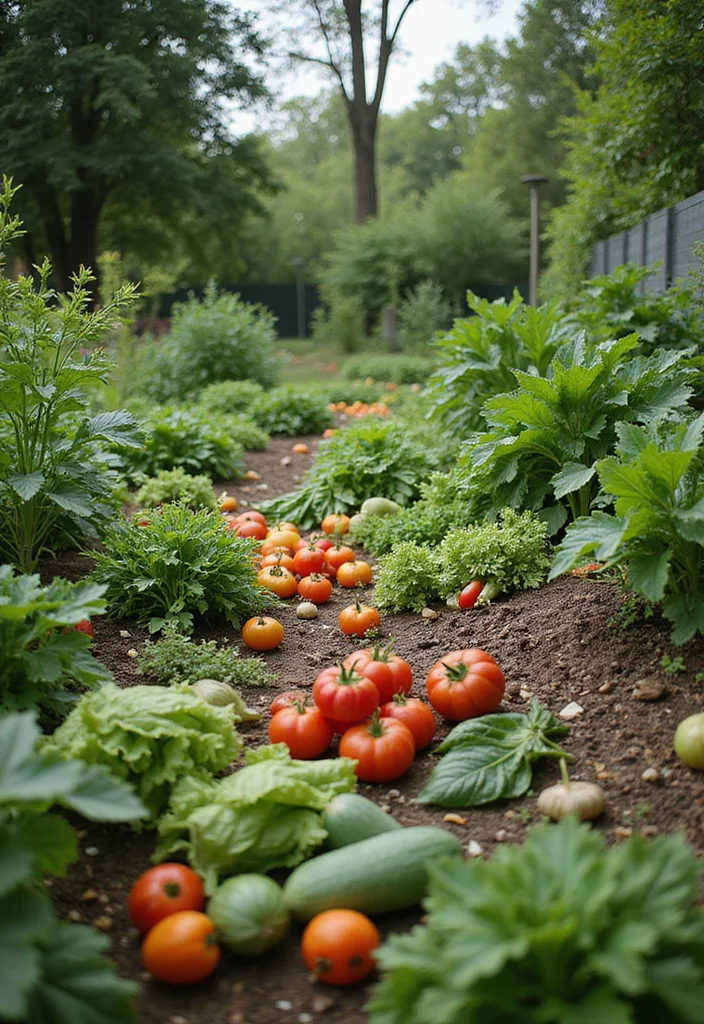
A sustainable vegetable garden focuses on growing healthy produce with minimal environmental impact. Start by choosing organic seeds and seedlings to avoid harmful pesticides. Design your garden layout with enough space for crop rotation and companion planting to keep your soil healthy.
Consider using raised beds or rows to encourage airflow and reduce disease risks. This approach promotes a thriving garden while being kind to the earth.
• Choose organic seeds for better health
• Implement integrated pest management techniques
• Use mulching to control weeds
• Plan for crop rotation for soil health
By focusing on sustainability, you can cultivate delicious food while protecting the environment.
12. Pollinator-Friendly Spaces
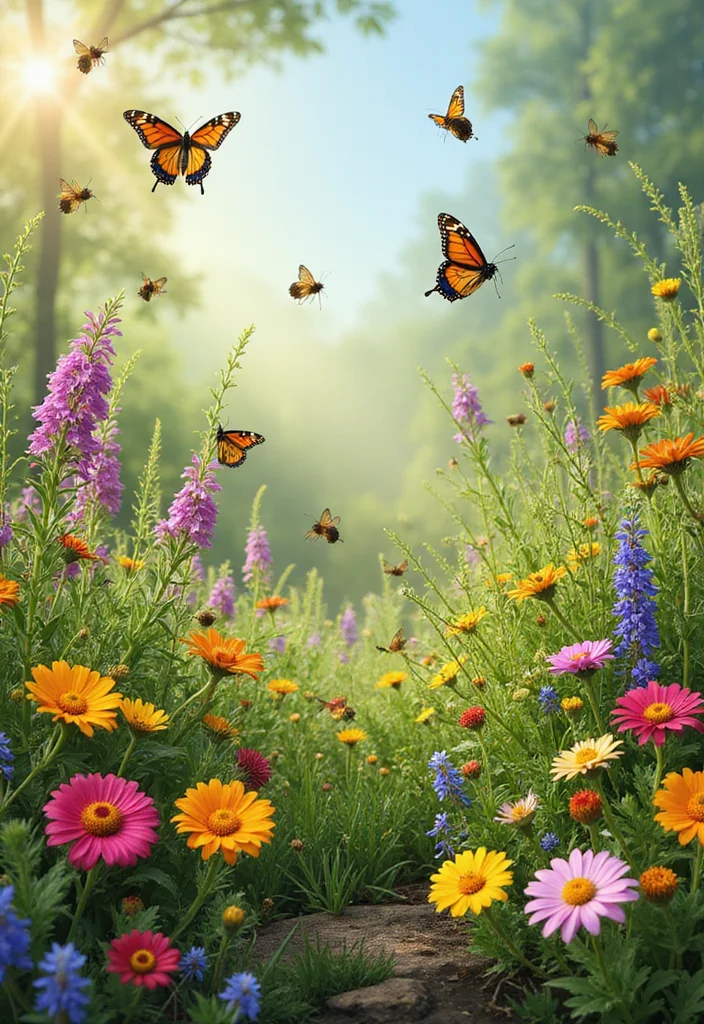
Creating a pollinator-friendly garden is essential for a healthy ecosystem. Pollinators like bees and butterflies play a vital role in food production, so designing spaces to attract them is crucial. Focus on planting a variety of flowers and herbs that bloom at different times to provide continuous food sources.
Native plants are especially effective at attracting local pollinators. Avoid using chemical pesticides that could harm these beneficial creatures, and create sheltered areas for them to rest and nest.
• Plant a variety of colors and shapes for attraction
• Avoid chemical pesticides for safety
• Create sheltered areas for resting
• Include native plants for best results
By prioritizing pollinator-friendly spaces, you support biodiversity while enjoying the beauty of your garden.
13. Indoor Edible Gardening
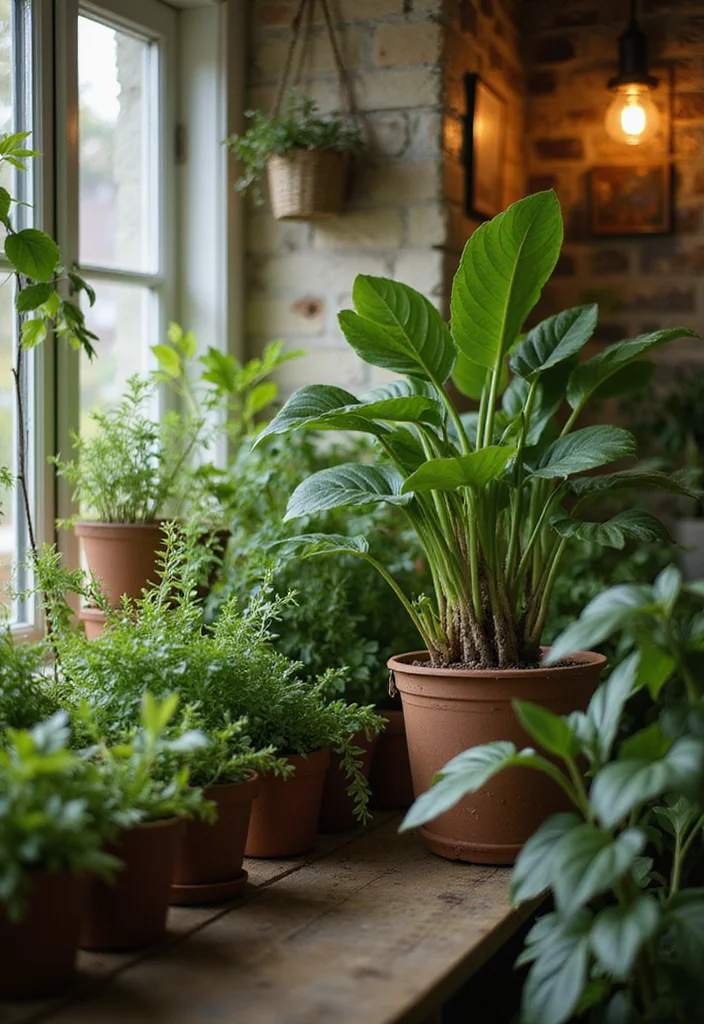
Indoor edible gardening is perfect for urban dwellers looking to grow their own food. Don’t let limited space stop you from enjoying fresh herbs or greens. Small containers can thrive indoors, allowing you to enjoy homegrown produce year-round.
Consider using hydroponic systems or vertical gardens to maximize your space. Ensure you have enough light, either from windows or grow lights, to keep your plants healthy.
• Use high-quality potting mix for best results
• Rotate plants for even light exposure
• Choose fast-growing varieties for quick harvests
• Ensure containers have drainage holes to prevent rot
Indoor edible gardening offers the joy of fresh produce, no matter the season.
14. Winter Gardening Techniques
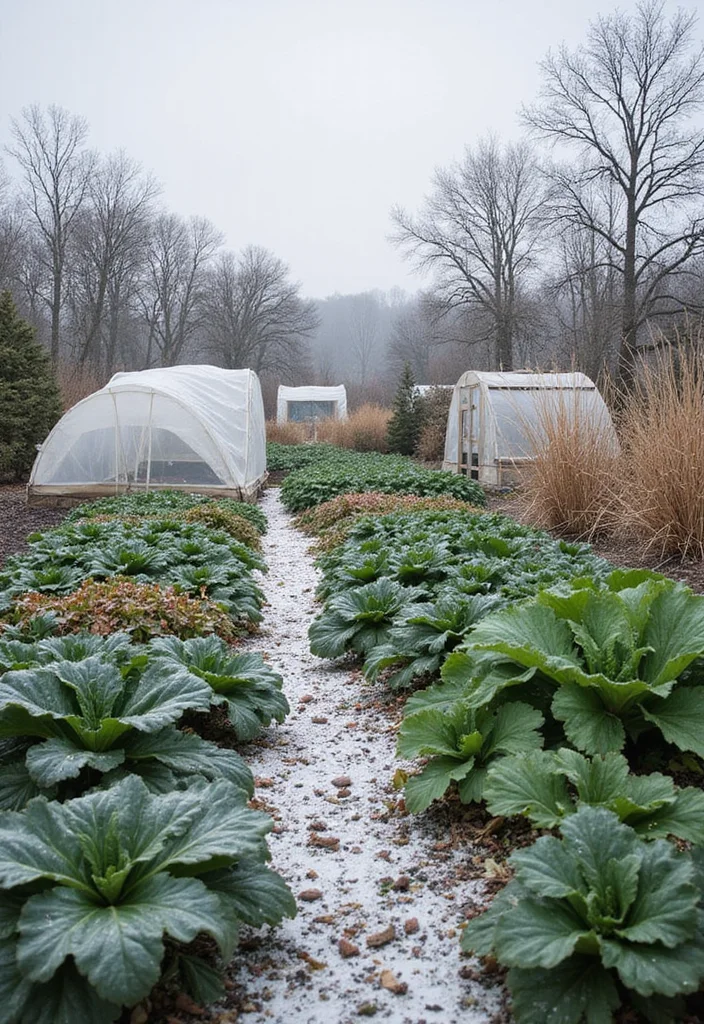
Don’t let winter stop you from gardening! Winter gardening techniques allow you to continue growing food even in the cold. Use cold frames or greenhouses to protect your plants from frost and ensure a successful harvest.
Consider planting winter vegetables like kale, spinach, and carrots, which thrive in cooler weather. Mulching can help insulate the soil and retain moisture throughout the season.
• Choose hardy crops that withstand cold
• Ensure proper drainage to prevent root issues
• Use row covers for added frost protection
• Plan for succession planting for a continuous harvest
With these techniques, you can enjoy fresh produce even in the winter months.
15. Community Garden Projects
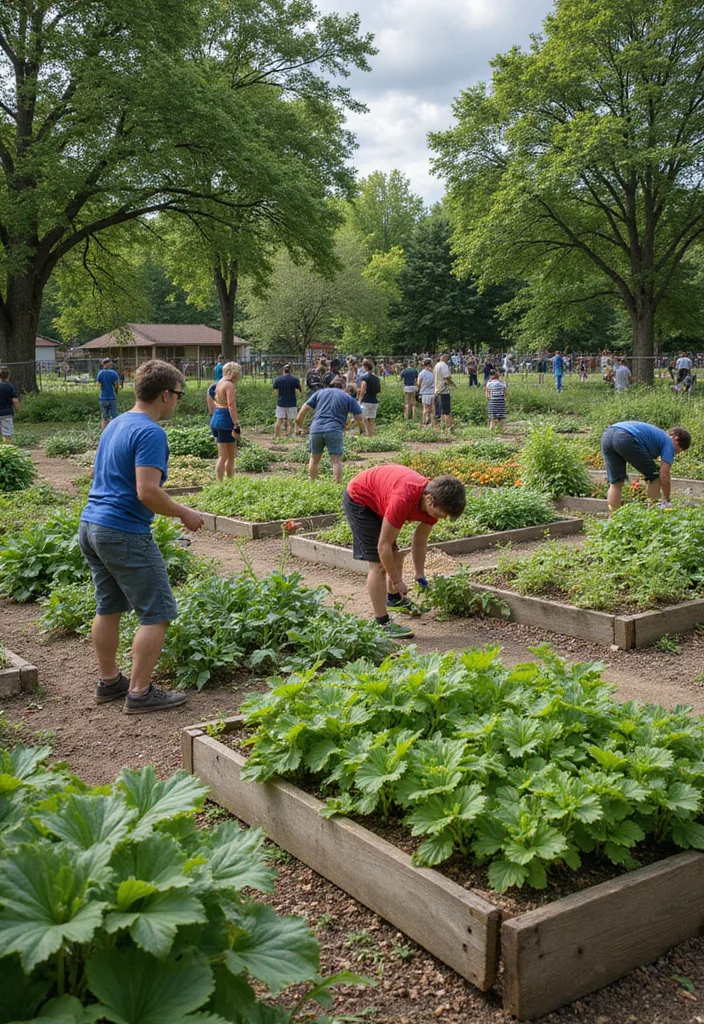
Community gardens are a wonderful way to grow food while building friendships. They allow neighbors to come together, share knowledge, and produce fresh harvests. These gardens can be set up in vacant lots or shared spaces, offering plots for various plants and vegetables.
Consider hosting workshops or events to educate others about sustainable gardening practices. This not only helps the community but also strengthens bonds among neighbors.
• Provide fresh produce for local residents
• Offer education and skill-building opportunities
• Strengthen neighborhood connections through teamwork
• Create events to engage the community
By participating in or starting a community garden, you cultivate both the earth and relationships that matter.
16. Creating a Wildlife Habitat
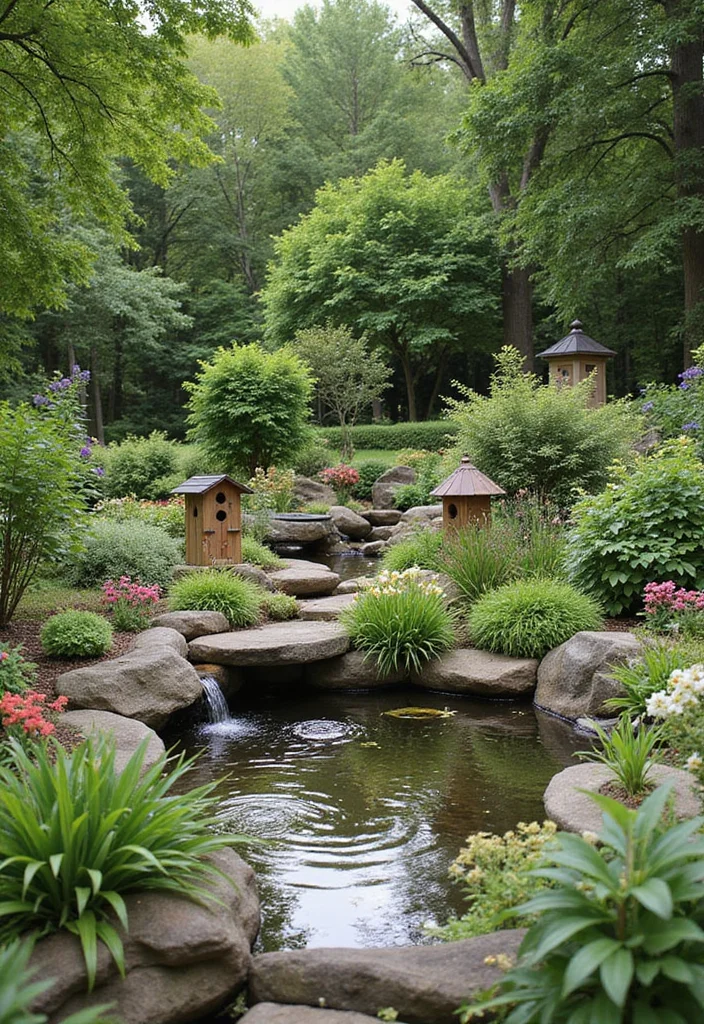
A garden can be a wonderful home for wildlife, promoting ecological health. To attract birds, butterflies, and beneficial insects, design features like water sources and native plants. Consider adding a small pond or birdbath to provide hydration for these creatures.
Incorporate native grasses, wildflowers, and shrubs to create a habitat that encourages biodiversity. This approach not only beautifies your space but also supports local wildlife.
• Avoid chemical pesticides that harm local wildlife
• Provide nesting boxes for shelter
• Create diverse plantings to support various species
• Include water sources for hydration and bathing
By turning your garden into a wildlife habitat, you contribute to a thriving ecosystem right in your backyard.
17. Aquaponics Gardening Systems
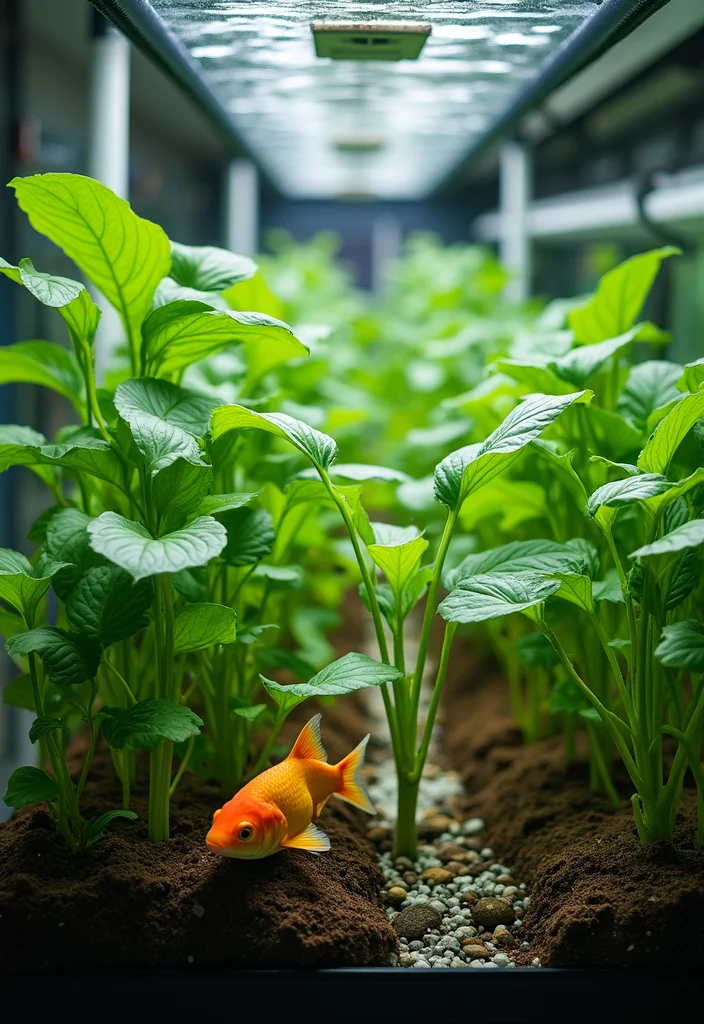
Aquaponics combines raising fish with growing plants in water for a sustainable gardening solution. This innovative system allows water and nutrients to circulate between fish and plants, creating a mini-ecosystem. You can set up a small aquarium alongside your plant beds for an efficient layout.
Choose plants that thrive in water and fish that can contribute nutrients to your garden. This method reduces water usage while producing both fresh fish and vegetables from a single system.
• Set up a small aquarium for fish
• Grow water-friendly plants for best results
• Use nutrient-rich water for plant growth
• Monitor water quality for healthy fish and plants
Aquaponics offers a fascinating way to grow food sustainably while enjoying the benefits of both fish and plants.
18. No-Dig Gardening Techniques
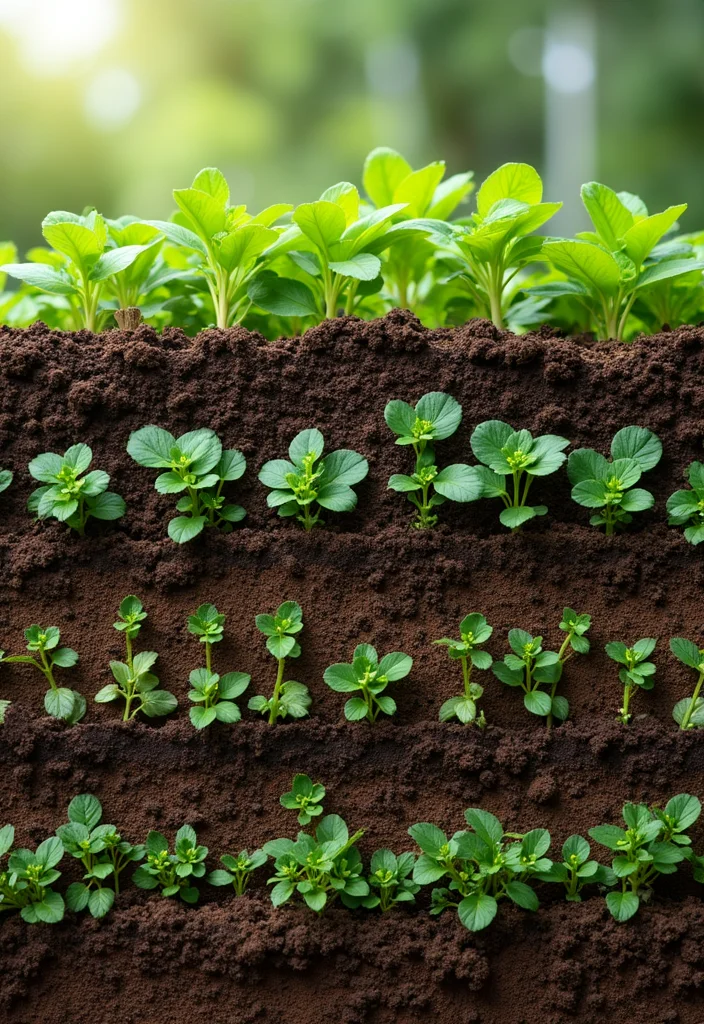
No-dig gardening focuses on maintaining healthy soil without disturbing it. This method involves layering organic materials to foster healthy microbial activity. Start by building layers of cardboard, straw, compost, and mulch to create a nutrient-rich base for your plants.
Plant directly into this layer to let natural processes nourish your garden. This technique preserves soil structure and reduces weeds, making gardening easier and more enjoyable.
• Layer organic materials for healthy soil
• Avoid turning the soil to protect life
• Use mulch to suppress weeds naturally
• Enjoy less physical labor compared to traditional methods
No-dig gardening not only supports sustainability but also makes gardening a more pleasant experience.
19. Seasonal Crop Planning
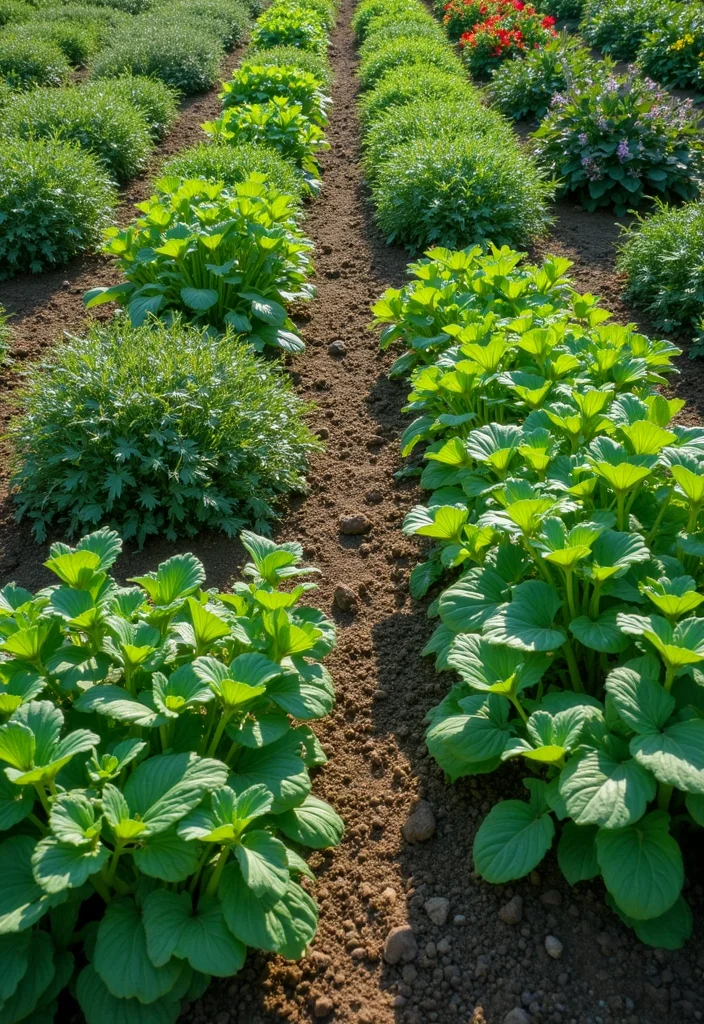
Seasonal crop planning helps you make the most of your garden throughout the year. By understanding when to plant and harvest various crops, you can maximize your yield and reduce wasted space. Create a planting calendar to help you track when to sow seeds and when to enjoy your harvest.
Rotate plants based on their nutrient needs to keep your soil healthy. Incorporating companion planting can enhance growth and deter pests, ensuring a successful garden year-round.
• Use companion planting for better results
• Research local frost dates to protect plants
• Plan for succession planting for continuous yields
• Keep a planting calendar for organization
With thoughtful planning, you can enjoy fresh produce year-round while nurturing your garden.
Conclusion
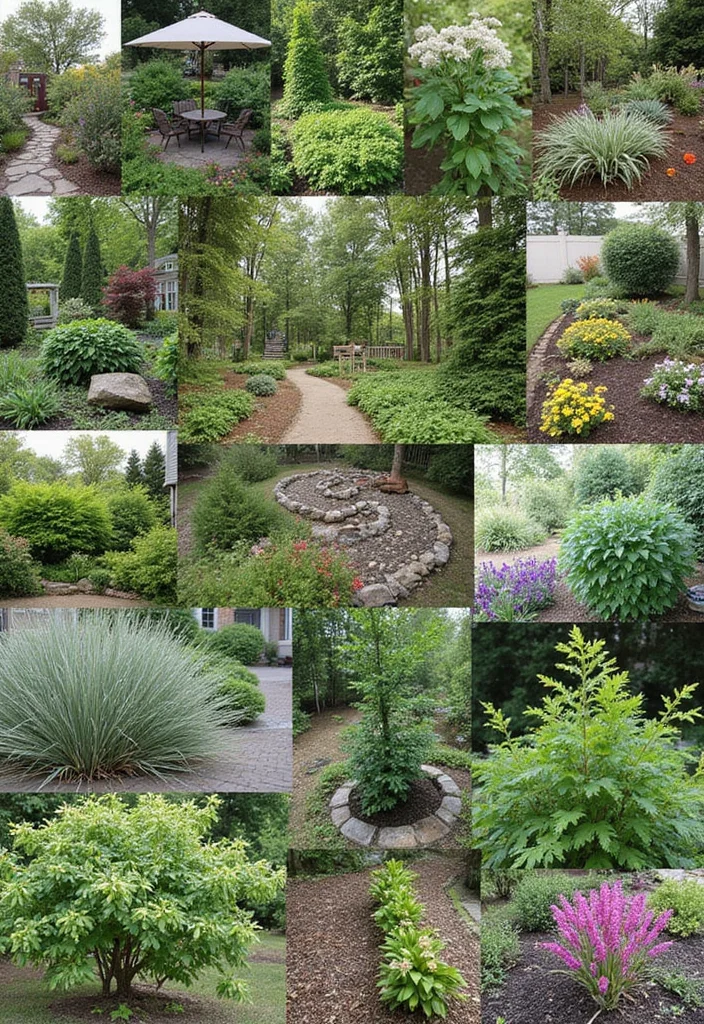
Embracing sustainable garden design opens up a world of possibilities for creating beautiful outdoor spaces filled with edible delights. From vertical gardens to aquatic systems, these 19 design ideas showcase how you can harmoniously integrate nature into your life.
By implementing these innovative principles, you not only cultivate your own food but also contribute positively to the environment. Start sketching your garden plans today and watch your edible oasis flourish.
Frequently Asked Questions
What are the key elements to consider when creating a sustainable edible garden design?
When designing a sustainable edible garden, consider key elements like soil health, plant selection, and water conservation. Focus on using organic materials and native plants that thrive in your local climate. Incorporating companion planting and crop rotation can also enhance soil fertility and pest control, creating a thriving ecosystem in your garden.
Additionally, think about the layout to maximize sunlight and accessibility, ensuring your garden is both productive and enjoyable.
How can I create outdoor living spaces within my garden design?
Creating outdoor living spaces in your garden design can transform your garden into an inviting retreat. Start by identifying areas for seating, dining, or relaxation. Use elements like pergolas, decking, or patios to define these spaces.
Incorporate comfortable furniture and decorative elements like planters or lighting to enhance the ambiance. Don’t forget to think about the flow between different areas, ensuring that your outdoor living spaces are easily accessible and harmonious with the overall garden layout.
What are some innovative planting schemes for a sustainable garden?
Innovative planting schemes can bring your sustainable garden to life! Consider using vertical gardens or raised beds to maximize space and improve drainage. Practice intercropping by planting complementary species together, such as tomatoes with basil, to enhance growth and flavor.
You can also experiment with permaculture principles, focusing on creating self-sustaining ecosystems. Incorporating native plants not only supports local wildlife but also requires less maintenance and resources.
How do I ensure my garden layout is both functional and aesthetically pleasing?
To create a garden layout that is functional and aesthetically pleasing, start by mapping out the flow of movement through your space. Use pathways to connect different areas and consider the placement of plants, ensuring taller ones don’t obstruct sunlight to shorter varieties.
Incorporate visual elements like color schemes and textures to make your garden visually appealing. Balance practical elements such as vegetable patches with ornamental plants to create a harmonious and inviting atmosphere.
What are some budget-friendly tips for implementing garden design plans?
Implementing garden design plans on a budget can be both fun and rewarding! Start by using seeds instead of seedlings, as they are generally more affordable. Consider repurposing materials for garden beds or pathways, like old pallets or bricks.
Also, explore local community plant swaps or nurseries for cost-effective plant options. By planning your layout carefully and prioritizing native plants, you can create a beautiful, sustainable garden without breaking the bank!