

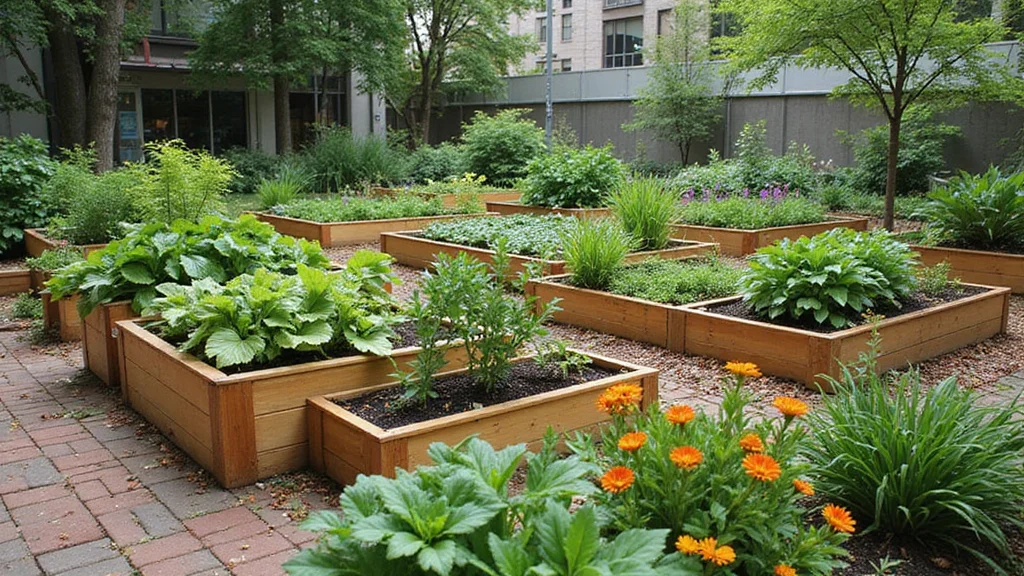
Are you ready to dig into gardening but feeling overwhelmed? You’re not alone. Many newcomers find it tricky to jump into the world of plants, especially in small urban spaces. That’s why I created this guide to help you build a DIY raised garden bed. It’s a simple project that not only looks great but also supports your gardening dreams, no matter how small your space may be.
If you’re someone who loves fresh veggies or beautiful flowers but thinks you lack the yard space, then this guide is for you. You’ll learn how to create a handy raised garden bed that fits perfectly on your balcony, patio, or even in your backyard. This project is ideal for beginners who want to step into the rewarding world of gardening without feeling intimidated.
In this post, you’ll find 17 step-by-step project inspirations that will spark your creativity. Each project is designed for different skill levels and styles, making it easy for you to choose one that suits your taste and space. From classic wooden raised beds to innovative vertical options, there’s something here for everyone. You’ll also pick up valuable DIY gardening tips that can help you design a vegetable garden that thrives.
So grab your tools and let’s get started on this exciting journey of growing your own plants. By the end of the article, you’ll have the confidence to build your own raised garden bed and a wealth of inspiration to create a garden that you’ll love caring for.
Key Takeaways
– Discover 17 unique raised garden bed designs tailored for different spaces and styles, ensuring you find the perfect fit for your urban setup.
– Learn step-by-step instructions for building a raised garden bed, making it accessible even for complete beginners.
– Explore creative materials like pallets and cinder blocks to construct your garden, offering eco-friendly options for your project.
– Get practical gardening tips that will help you grow a thriving vegetable garden, even in limited spaces.
– Find inspiration for customizing your garden beds with trellises, portability, and seasonal adaptations to maximize your gardening experience.
1. Classic Wooden Raised Bed
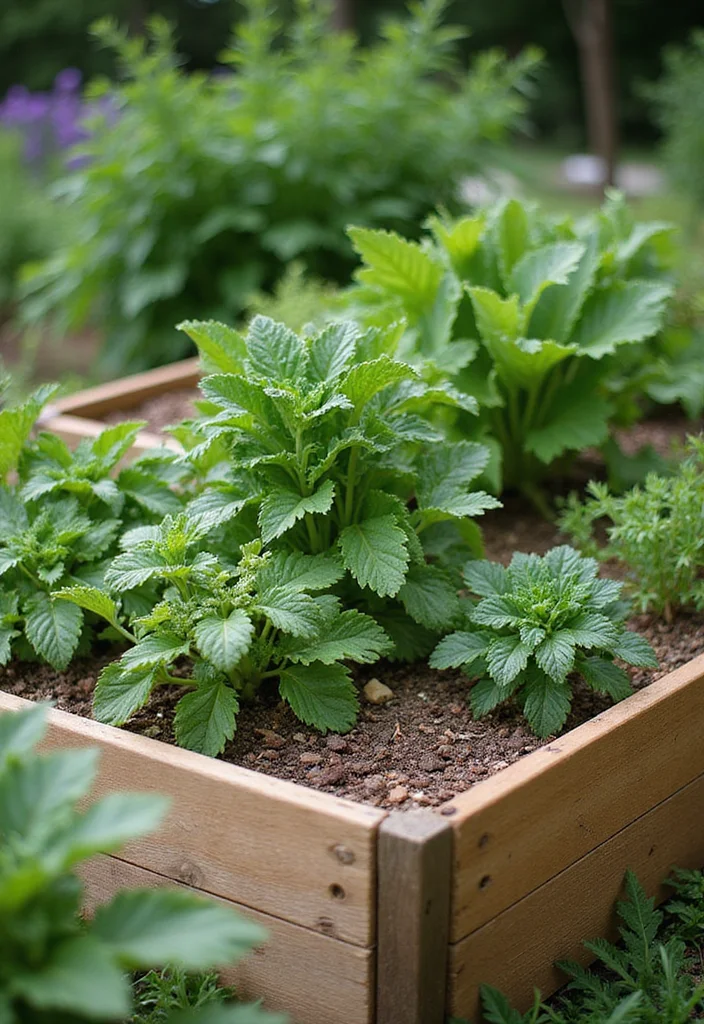
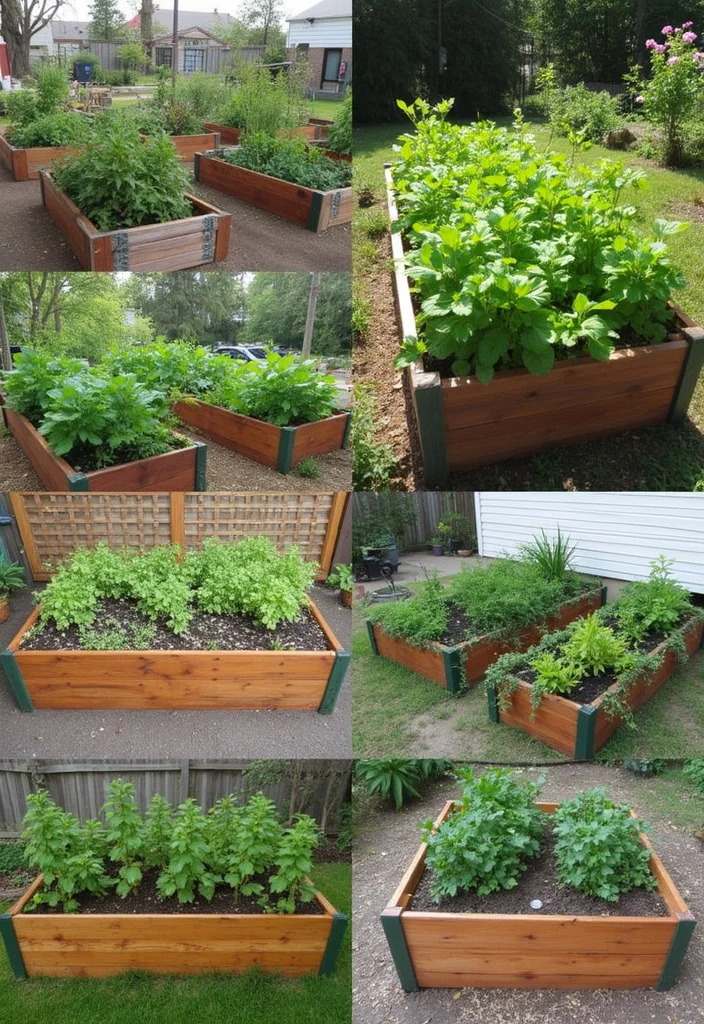
A classic wooden raised bed is a timeless addition to any garden. You can easily build this bed using untreated pine or cedar, both of which are strong and beautiful. These natural materials blend seamlessly with your garden, offering a rustic charm, especially when painted or stained in colors like forest green or warm brown. Pinterest showcases many designs featuring these classic beds, making them a popular choice for gardening enthusiasts everywhere.
To make your wooden raised bed, cut lumber into four equal lengths and assemble it into a rectangle. Secure the corners with L-brackets or screws. Aim for a depth of 12 to 18 inches, which will accommodate most vegetables and herbs comfortably. For better drainage, layer some gravel at the bottom. This approach not only protects your plants but also enhances your garden’s longevity.
• Use untreated pine or cedar for durability
• Cut wood into equal lengths for a balanced look
• Choose a depth of 12-18 inches for most plants
• Paint or stain in natural tones for added beauty
With these tips, your classic wooden raised bed will become a charming focal point in your garden.
2. Metal Raised Garden Bed
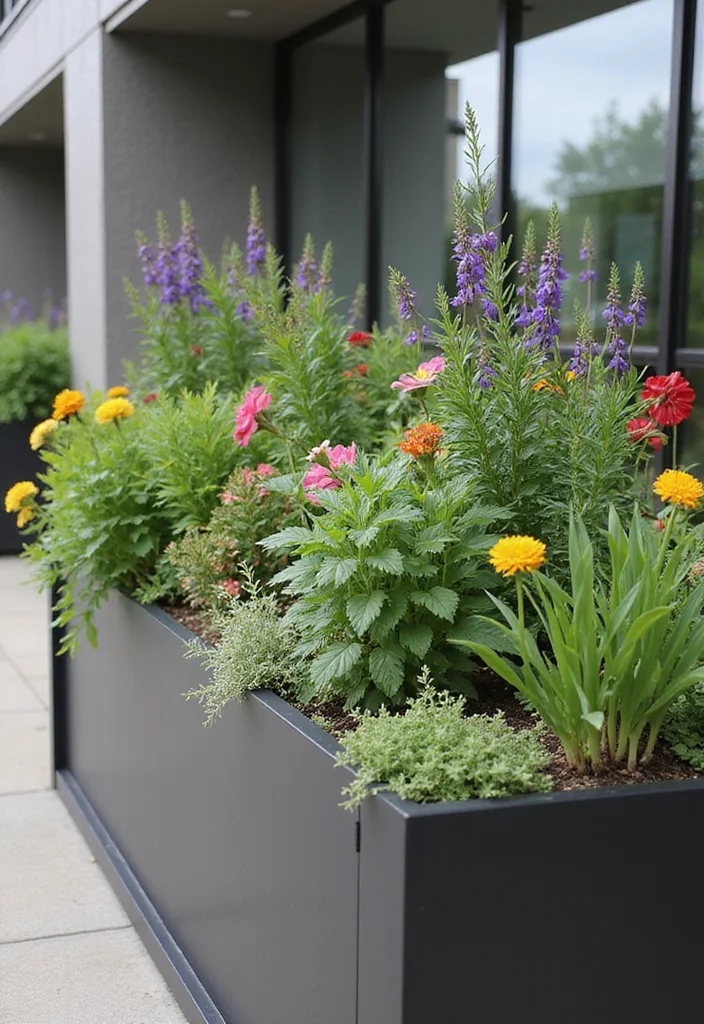
If you’re looking for a modern aesthetic, a metal raised garden bed might be the perfect fit. Galvanized steel and corrugated metal create an industrial vibe that enhances your urban garden. These materials are not only sleek but also durable, lasting for years with minimal maintenance. Many gardens featured on Instagram showcase these stylish beds, proving they can really elevate your garden’s design.
To create your metal raised bed, cut panels to your desired dimensions and join them with metal brackets. You can build these beds as high as you want, making watering and harvesting easy. Just remember to use food-grade materials if you’re planting vegetables. During hot months, consider placing your bed in partial shade, as metal can heat up quickly, affecting your plants.
• Choose galvanized steel or corrugated metal for a modern look
• Cut panels to your desired size for customization
• Build tall beds for easy access and good drainage
• Add a wooden border for comfort and style
Your metal raised garden bed will not only be functional but also a striking addition to your outdoor space.
3. Vertical Garden Bed
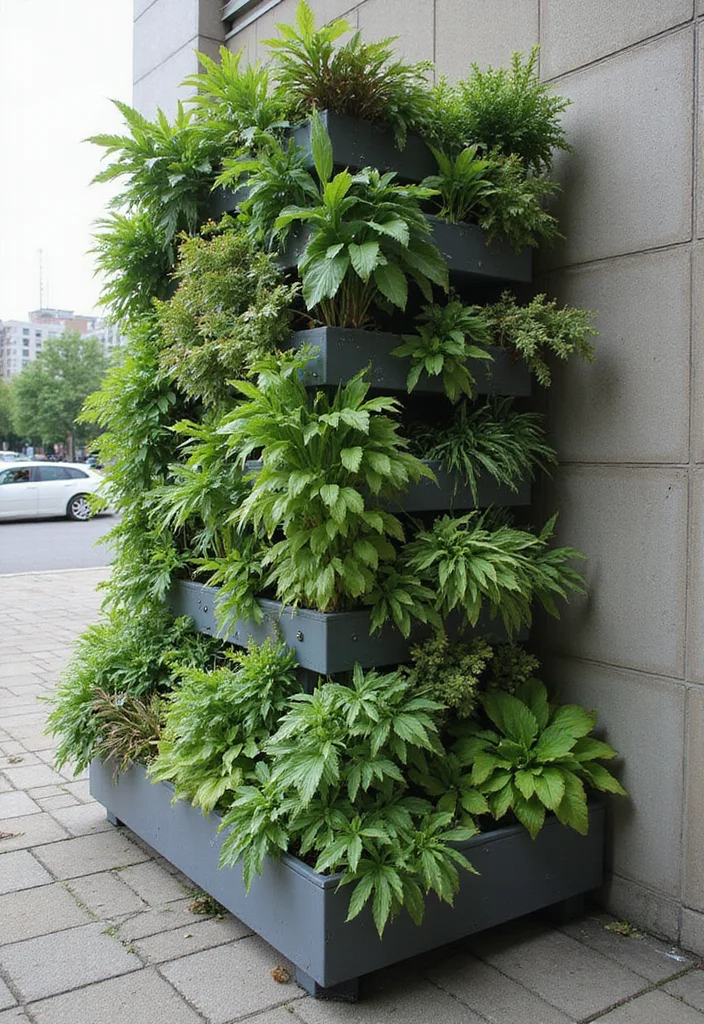
Short on space? A vertical garden bed allows you to grow up instead of out! This innovative design maximizes your planting area by utilizing vertical space, making it ideal for small yards or patios. You can create this type of garden using pallets or wall-mounted planters, with endless possibilities for creativity. Many garden blogs highlight the beauty of vertical gardens, making them a trendy choice right now.
Build your vertical bed using stacked wooden boards or repurposed crates. Fill them with soil and plant your favorite herbs, like basil or mint, which thrive in these setups. Not only will this method save space, but it will also create a stunning visual display that can catch anyone’s eye. Consider adding hanging planters for extra flair and a drip irrigation system to keep your plants hydrated effortlessly.
• Use pallets or crates for a space-efficient design
• Fill with soil and plant herbs or small flowers
• Add decorative pots for visual interest
• Install a drip irrigation system for easy care
Your vertical garden bed will not only save space but also bring beauty to your outdoor area.
4. Pallet Raised Bed
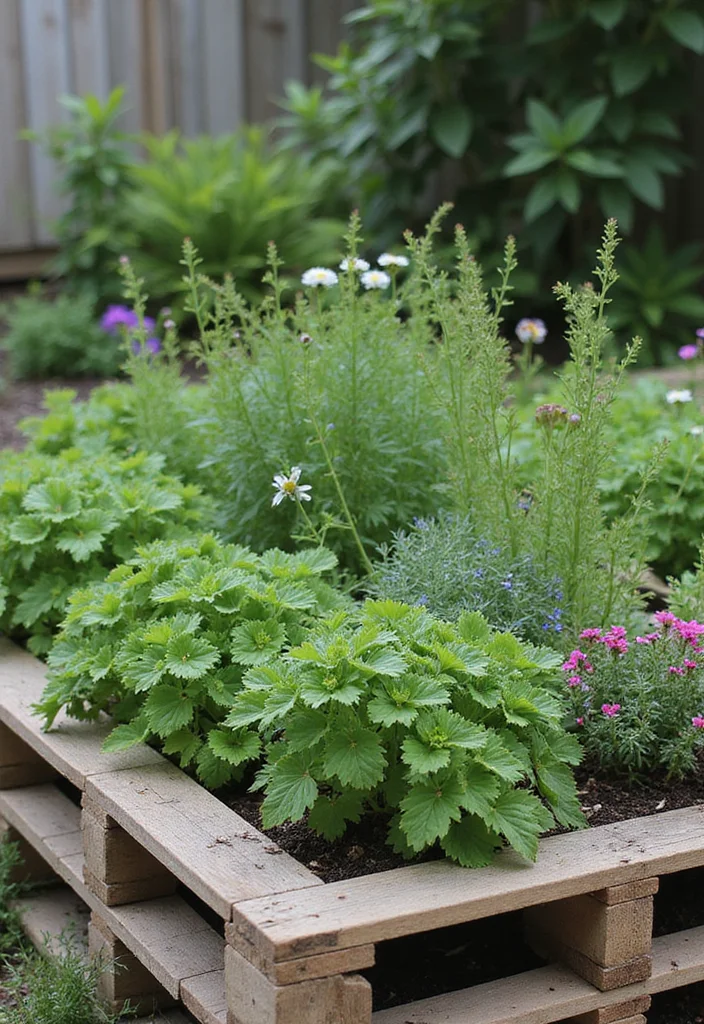
Using old pallets is a clever way to create a raised garden bed that’s both eco-friendly and budget-friendly. This approach allows you to reuse materials while adding charm to your garden. You can easily stack two or more pallets on top of each other, securing them together for stability. Many DIY enthusiasts share their pallet projects online, inspiring others to jump in and create their own gardens.
Before you start, ensure the pallets are clean and free from nails or splinters. This will keep your garden safe and enjoyable. Fill your new bed with soil to the top for deeper-rooted plants, or leave some space for shallower herbs. You can even use the slats between the boards to plant smaller herbs or flowers, enhancing your garden’s greenery without taking up extra space.
• Lay two or more pallets for height and stability
• Remove nails or splinters for safe gardening
• Fill to the top for deeper plants or leave space
• Use slats for small herbs or flowers
With these simple steps, your pallet raised bed will become a delightful and productive part of your garden.
5. Straw Bale Garden Bed
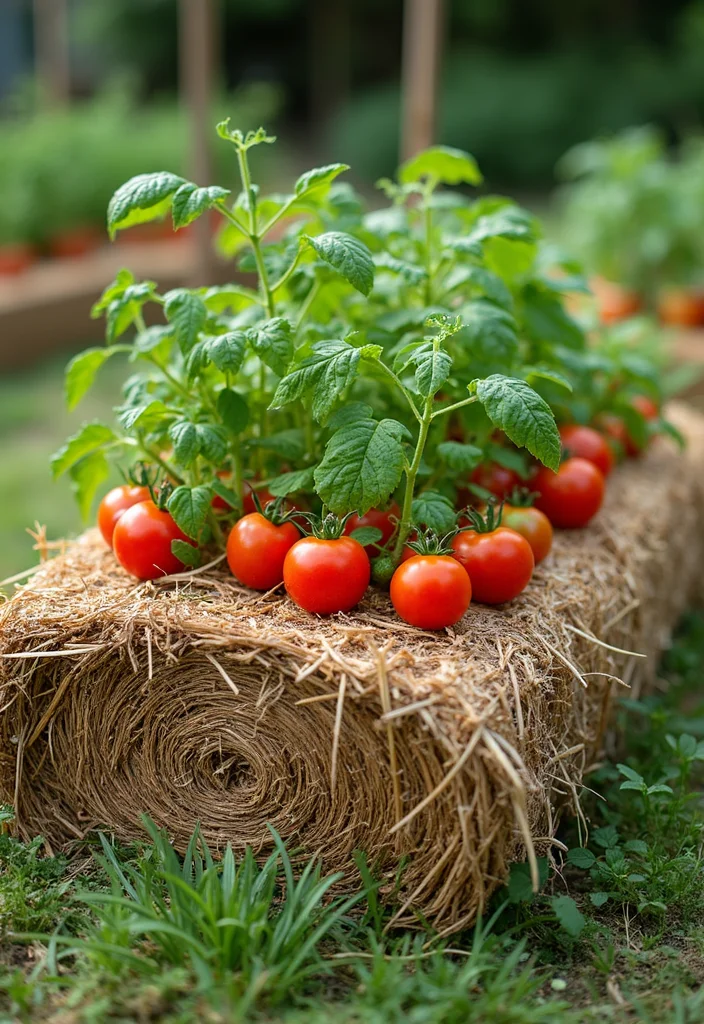
A straw bale garden offers a fresh and unique way to grow your plants! This method is especially helpful for those who struggle with poor soil conditions, as the bales themselves serve as a growing medium. Many gardening communities are buzzing about this simple yet effective method, making it a fun option to explore.
To start, soak your straw bales with water to kickstart the decomposition process. After soaking for about a week, you can plant directly into the bales. This method works wonderfully for plants like tomatoes and squash. Keep the bales moist throughout the growing season to provide your plants with nutrients as they break down.
• Soak straw bales to activate decomposition
• Plant directly into the bales after a week
• Choose moisture-loving plants for success
• Keep bales moist for nutrient release
With these tips, your straw bale garden can be a rewarding and innovative way to grow your favorite vegetables!
6. Cinder Block Garden Bed
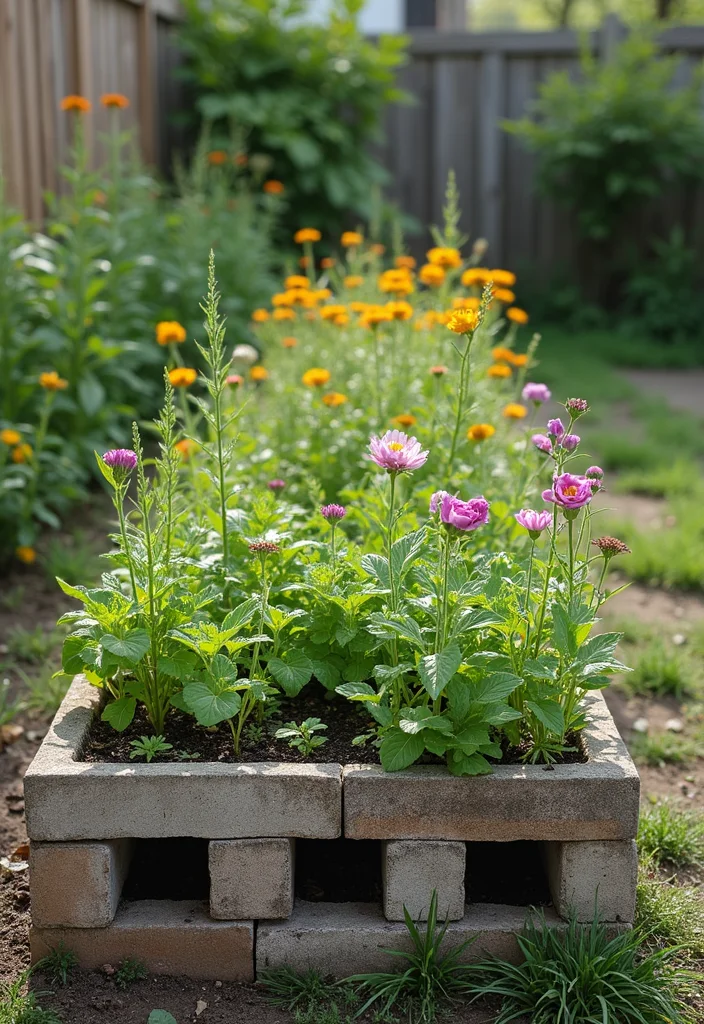
Cinder blocks are an excellent choice for building a versatile raised garden bed. They allow you to create various shapes, like squares or rectangles, and can even be used to form pathways or additional planting spaces. This flexibility makes cinder blocks a popular choice among gardeners who enjoy experimenting with their layouts.
Simply stack the blocks to your desired height and fill them with potting soil. This design is durable and can last for years. You can use the holes in the blocks as mini pots for herbs or flowers, adding even more planting options to your space. Plus, cinder blocks retain heat, which can help your plants thrive in cooler weather.
• Stack cinder blocks to your preferred height
• Fill with potting soil for planting
• Use holes for mini pots of herbs
• Enjoy heat retention for cool-weather plants
Your cinder block garden bed will be a sturdy and adaptable addition to your gardening efforts!
7. Raised Beds with Trellises
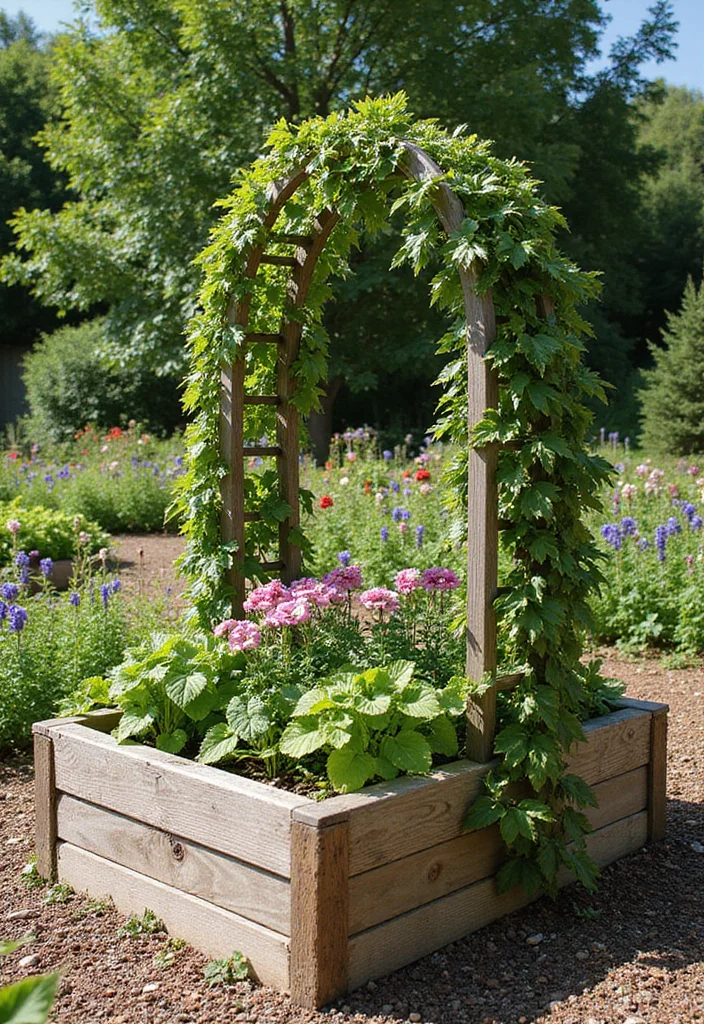
Enhance your garden by incorporating trellises into your raised garden bed! This addition provides support for climbing plants like peas and cucumbers, making your garden more productive. Trellises also create a beautiful vertical element in your space, which many garden enthusiasts love.
You can build a simple trellis with wooden stakes or metal rods and string it with twine or wire. This setup not only saves room but also improves air circulation and sunlight exposure for your climbing plants. Choose decorative trellises that match your garden style, whether they are wooden, metal, or painted.
• Build a simple trellis for climbing plants
• Use wooden stakes or metal rods for support
• String with twine or wire for stability
• Select decorative trellises for style
Your raised bed with a trellis will not only be functional but also visually appealing!
8. Tiered Garden Bed
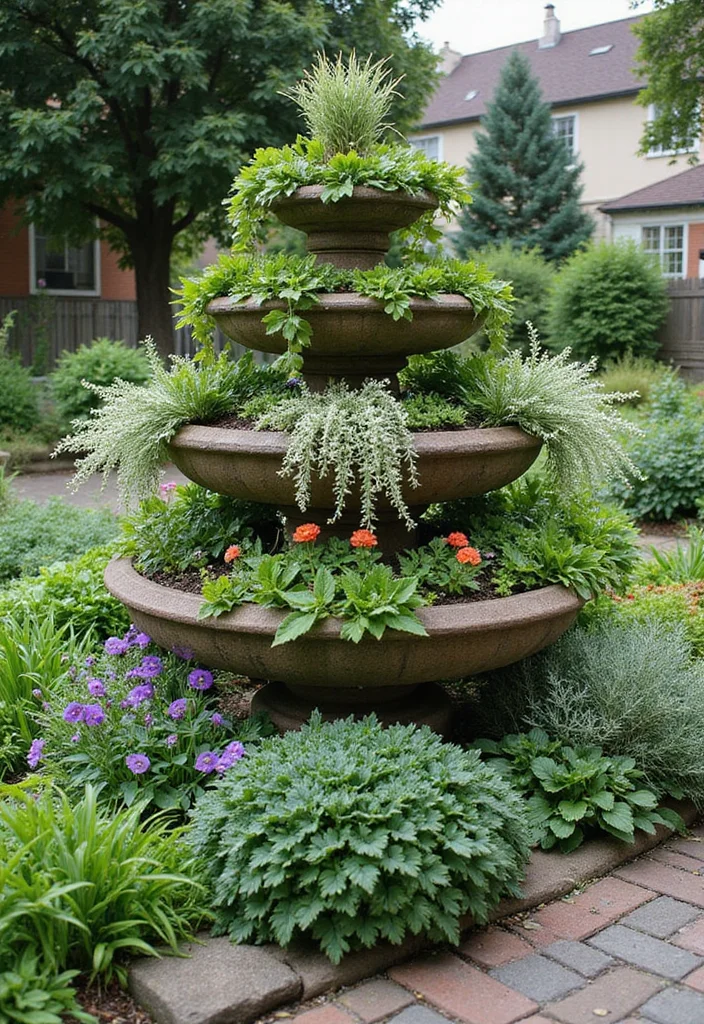
A tiered garden bed creates a stunning visual effect while showcasing your plants in an organized way. This design allows you to plant different items on multiple levels, which can cater to their unique sunlight and watering needs. Many gardeners enjoy this layout for its beauty and practicality.
To construct a tiered bed, use wooden planks or bricks to build levels that gradually decrease in height from back to front. This not only saves space but also makes maintenance easier. Choose a variety of plants with different heights to maximize visual interest and ensure that every plant receives enough sunlight.
• Build levels with wooden planks or bricks
• Gradually decrease height from back to front
• Plant a variety of heights for visual interest
• Ensure sunlight access for all plants
Your tiered garden bed will be a beautiful and functional addition to your gardening space!
9. Recycled Container Bed
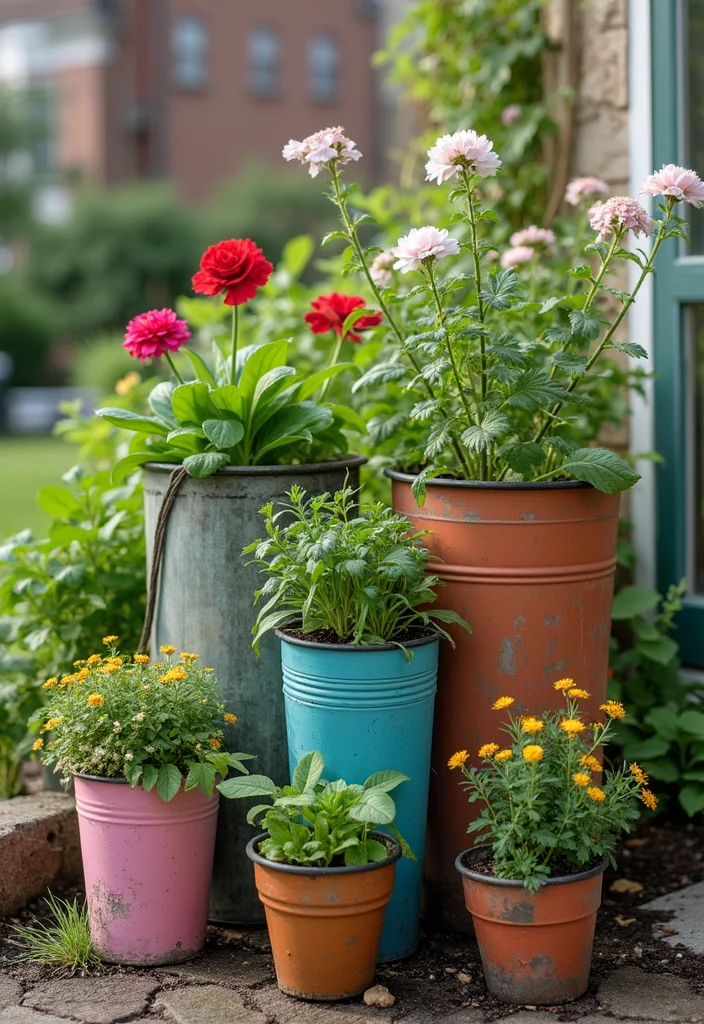
Transforming old containers into a raised garden bed is a creative and eco-friendly way to garden! You can use anything from old sinks to barrels, adding a unique touch to your gardening space. This method is perfect for anyone who enjoys a quirky and personalized garden style.
Simply fill your chosen container with soil and plant your favorite flowers or vegetables. Just make sure your containers have proper drainage; if not, drill holes to ensure excess water can escape. This flexibility allows you to move your containers around to optimize sunlight and change your garden’s look as you wish.
• Fill old containers with soil for planting
• Use containers with drainage for plant health
• Move containers to optimize sunlight
• Choose quirky designs for personal flair
Your recycled container bed will add character and charm to your garden!
10. Herb Spiral Garden Bed

An herb spiral is a fantastic way to maximize space while creating microclimates for different herbs. You can build this unique design using stones, bricks, or wood to create a spiral shape that rises in the center. Many gardeners appreciate this style for its efficient use of space and aesthetic appeal.
Plant herbs that need more moisture at the bottom of the spiral, and use drought-tolerant herbs at the top. This design optimizes sunlight exposure and water drainage, ensuring all your herbs thrive. An herb spiral can also serve as a stunning focal point in your garden, enhancing its overall beauty.
• Build a spiral shape with stones or wood
• Plant moisture-loving herbs at the bottom
• Use drought-tolerant herbs at the top
• Enjoy a unique garden focal point
Your herb spiral garden bed will be a beautiful and functional addition to your gardening efforts!
11. Wire Grid Planter
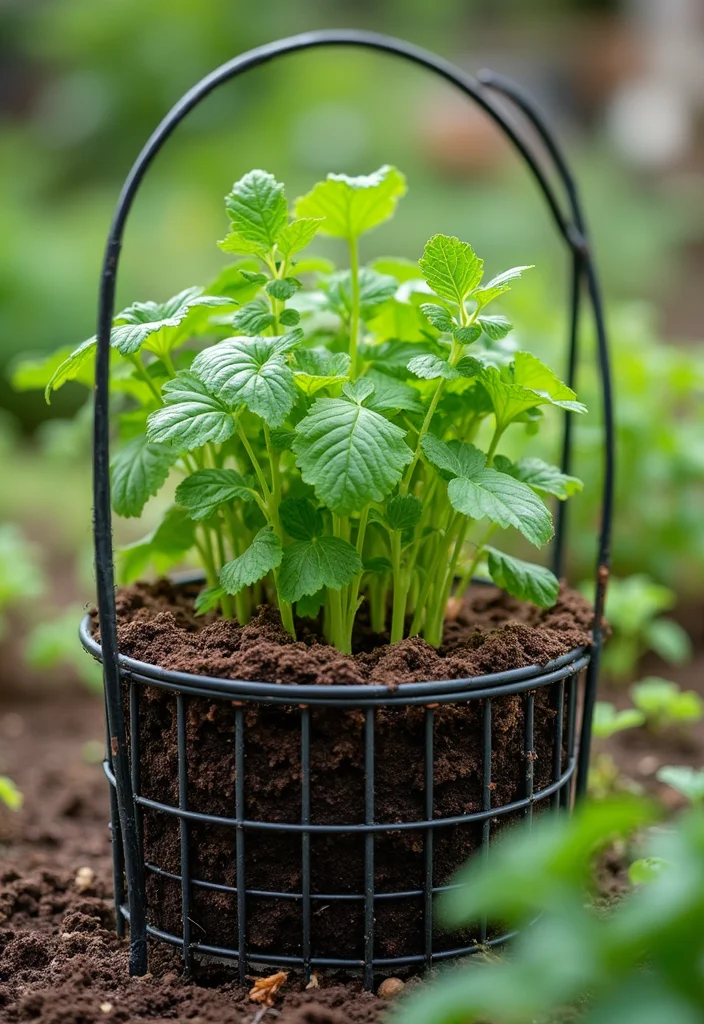
A wire grid planter is an exciting way to arrange your plants in a raised bed! This design involves building a rectangular frame with a grid-like wire mesh on top, allowing for neat spacing and support. Urban gardeners love this method because it maximizes limited space while looking stylish.
Use the grid to plant small herbs, radishes, or lettuces, ensuring they get the right amount of sunlight and air circulation. This method is especially helpful for keeping your plants organized and healthy. Elevate the design with a wooden border for a polished finish that complements your garden’s style.
• Build a rectangular frame for planting
• Add wire mesh for neat spacing
• Plant small herbs and vegetables for healthy growth
• Include a wooden border for style
Your wire grid planter will add organization and charm to your gardening space!
12. Circular Garden Bed
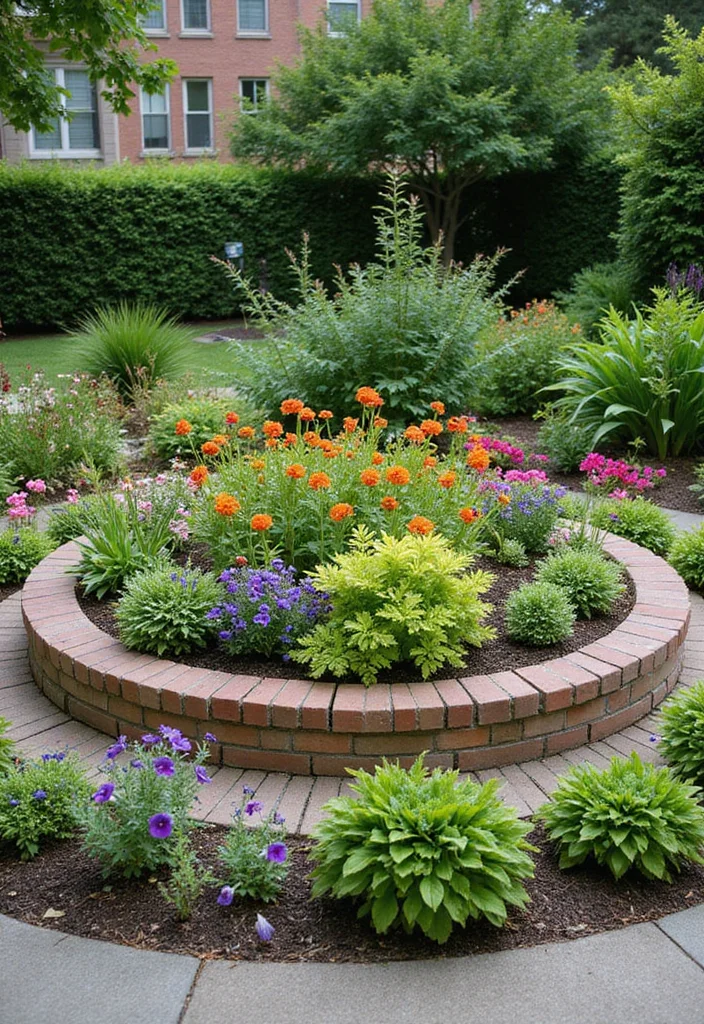
If you want to make a bold statement, consider a circular garden bed! This design serves as a striking centerpiece while providing ample growing space. To create a circular shape, outline your desired diameter with a garden hose, then build up using wood or stones. Many gardeners find this layout both functional and visually appealing.
A circular bed allows easy access from all sides, letting you plant taller items in the center and shorter items around the edges. This design is also great for community gardening, creating a lovely gathering spot for friends and family. Surround the circular bed with stepping stones to create a charming pathway that enhances its beauty.
• Outline with a garden hose for diameter
• Build with wood or stones for structure
• Plant taller items in the center for visual interest
• Surround with stepping stones for charm
Your circular garden bed will be a stunning addition to your gardening space!
13. Children’s Garden Bed
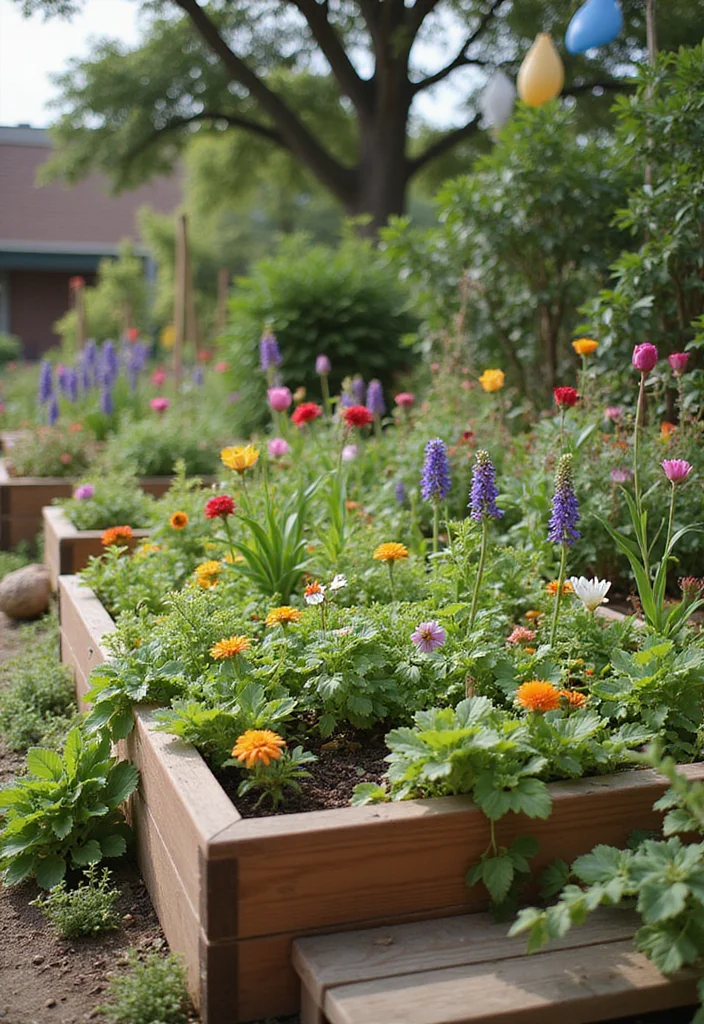
Getting kids involved in gardening is a fantastic way to teach them about nature! Create a children’s raised garden bed using bright colors and fun shapes to capture their interest. Make the bed low to the ground, using materials like wood or plastic, so they can easily reach the soil and plants.
Choose fast-growing plants, like radishes or sunflowers, to keep their attention and excitement. You could even add a small seating area nearby for them to sit and enjoy watching their plants grow. Encourage learning by adding labels for each plant, helping kids engage further in their gardening journey.
• Use bright colors to attract kids
• Keep beds low to the ground for easy access
• Choose fast-growing plants to maintain interest
• Add labels for plant identification
Your children’s garden bed will inspire a love for gardening in young ones!
14. DIY Self-Watering Garden Bed
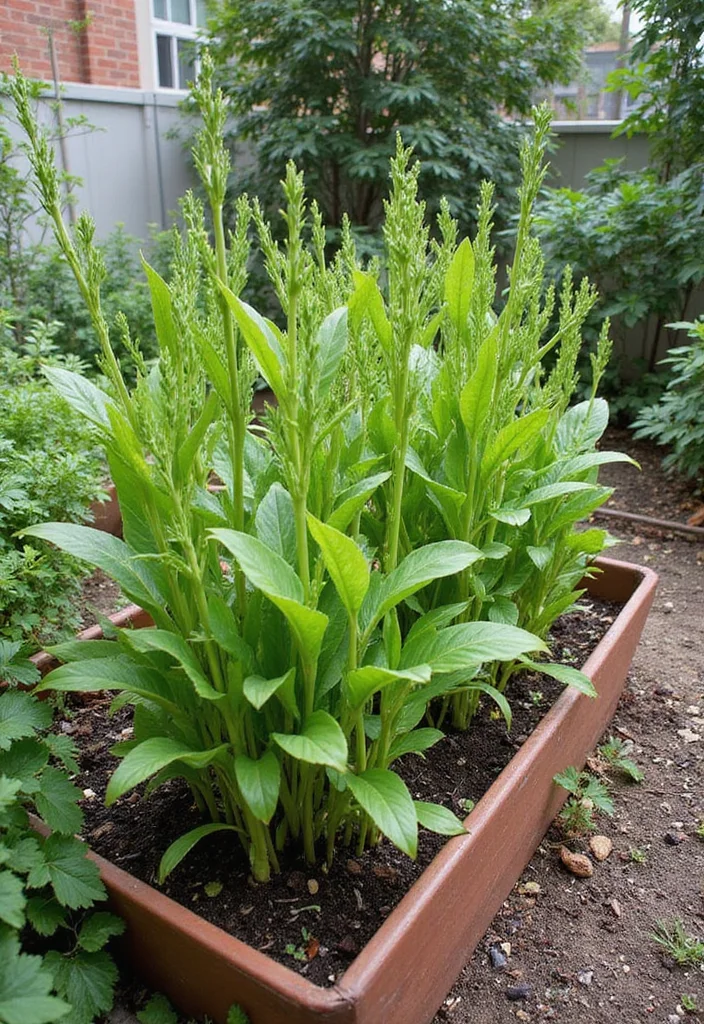
A self-watering raised garden bed is perfect for busy gardeners who might forget to water regularly! This design incorporates a reservoir at the bottom, allowing plants to absorb water as needed, making this setup convenient and efficient.
To create your self-watering bed, attach a storage bin or create a plastic liner at the base of your garden bed. Fill it with soil and plant away! This approach reduces how often you need to water, making plant care easier and less stressful. Regularly check the water level to ensure your plants get enough moisture.
• Create a reservoir at the bottom for easy watering
• Attach a storage bin for water retention
• Fill with soil and plant your favorite veggies
• Regularly check water levels for healthy plants
Your self-watering garden bed will make your gardening experience more enjoyable!
15. Portable Raised Garden Bed
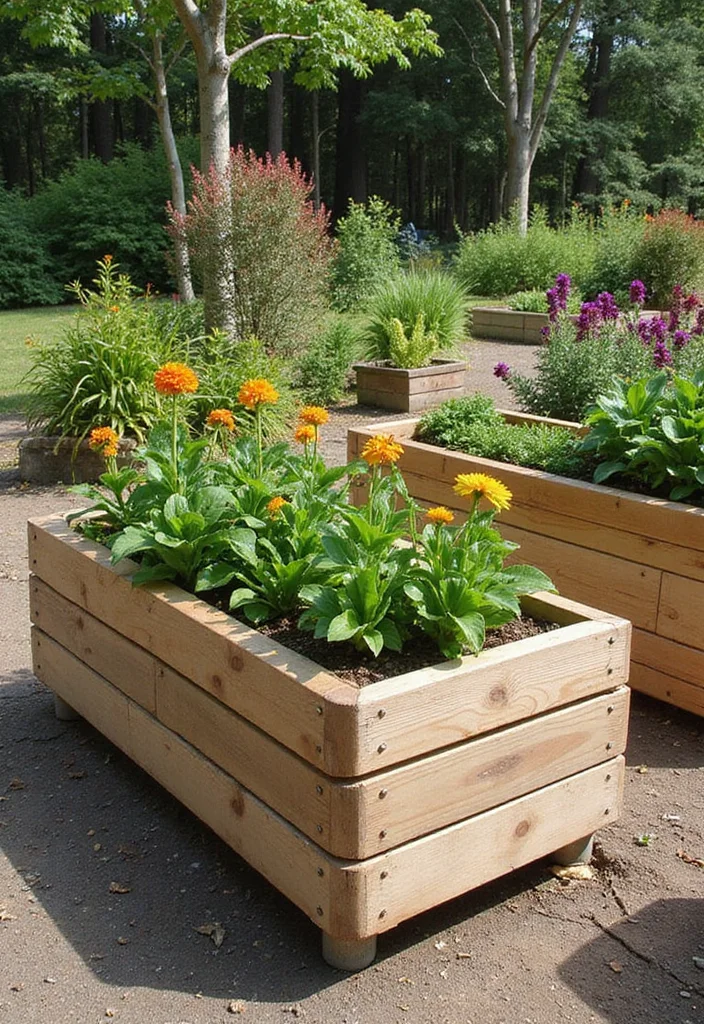
A portable raised garden bed is an excellent choice for anyone who likes to change their garden layout often. Use lightweight materials like fabric or plastic bins to create a movable garden bed that you can easily shift around.
These beds can be filled with soil and moved to catch the best sunlight or to adjust the look of your garden. Choosing lighter materials allows for effortless relocation to avoid pests or optimize growing conditions. This flexibility is great for gardeners who want to maintain a healthy garden without much hassle.
• Choose lightweight materials for easy movement
• Fill with soil for planting
• Move to catch sunlight or change layout
• Relocate to manage pests effectively
Your portable raised garden bed will provide you with flexibility and ease in your gardening journey!
16. Partner Planting Raised Bed
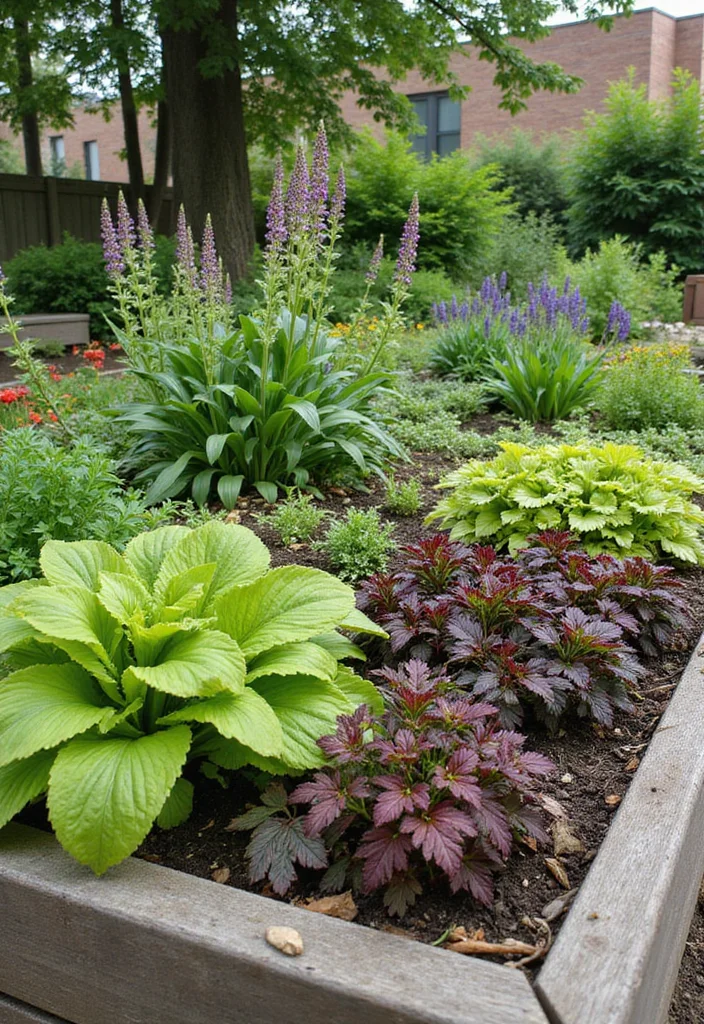
Partner planting is a wonderful method where plants that benefit each other are grown together. This technique can be applied effectively in raised garden beds, maximizing space and productivity.
For example, combining tomatoes with basil is a classic pairing, as basil helps repel pests that bother tomatoes. Other great combinations include carrots with onions or peas with corn. Build your raised bed and plan your partner planting layout to create an efficient and harmonious garden space that promotes health and growth.
• Pair tomatoes with basil to repel pests
• Combine carrots with onions for better growth
• Use peas with corn for companion planting
• Plan your layout for harmonious growth
Your partner planting raised bed will help create a thriving garden ecosystem!
17. Seasonal Raised Beds
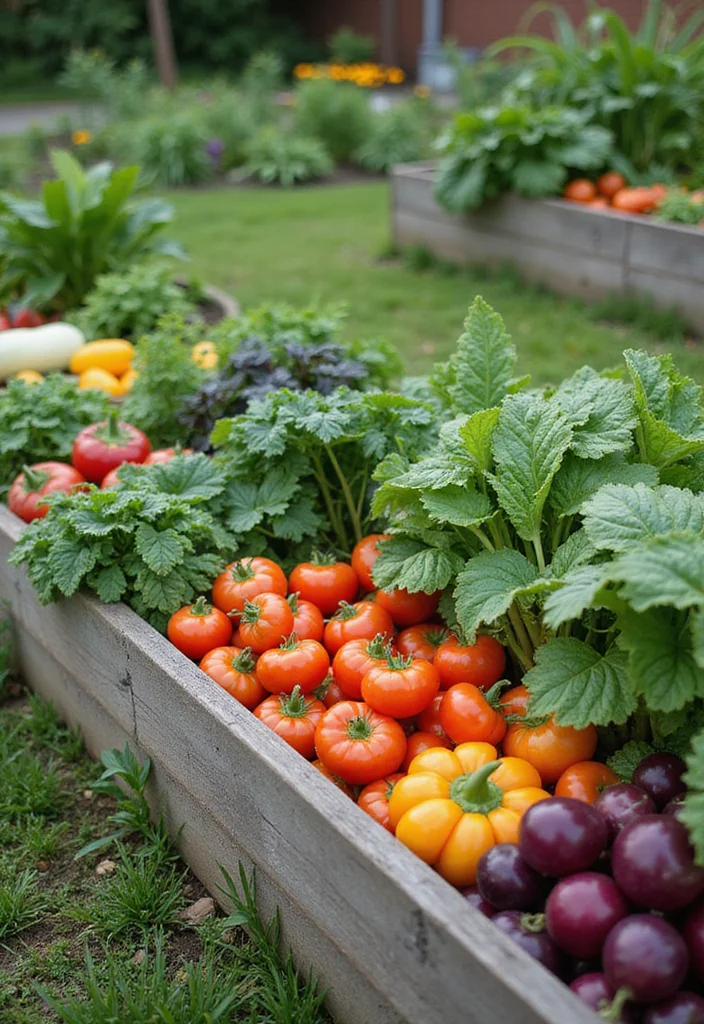
Consider trying seasonal raised garden beds to rotate your crops throughout the year! Start by planting cool-season veggies like lettuce and peas in early spring, then switch to warm-season crops like tomatoes and peppers in summer. This method makes the best use of your space while improving soil quality and protecting against pests.
Plan your planting calendar to enjoy fresh produce all year round! Mark your beds with seasonal indicators to help you and your family remember planting times. This simple strategy can lead to a more productive garden while keeping your soil healthy.
• Rotate crops by season for optimal growth
• Start with cool-season veggies in spring
• Transition to warm-season crops in summer
• Mark beds with seasonal indicators for reminders
Your seasonal raised beds will help you maximize your garden’s potential!
Conclusion
With so many creative options for building raised garden beds, the possibilities are endless. Each of these projects not only enhances your outdoor space but also gives you the joy of growing your own plants.
From classic designs to unique ideas, there’s a raised garden bed that fits your needs and style. So, roll up your sleeves, grab those tools, and let your gardening journey begin! Don’t forget to share your garden transformation on social media!
Frequently Asked Questions
What materials are best for building a DIY raised garden bed?
Selecting the right materials for your DIY raised garden bed is crucial for durability and plant health. Common choices include wood (like cedar or redwood for their rot resistance), metal (such as galvanized steel), or composite materials that mimic wood but last longer. Just ensure that any wood used is untreated to avoid harmful chemicals leaching into your soil!
Pick materials that suit your budget and aesthetic preferences while providing a sturdy structure for your plants.
How deep should a raised garden bed be for vegetables?
The depth of your raised garden bed can significantly impact your vegetable garden’s success. For most vegetables, a depth of 12 to 18 inches is ideal, allowing roots to grow adequately without becoming root-bound. If you’re planting deeper-rooted veggies like tomatoes or carrots, consider going deeper—up to 24 inches. This ensures your plants have enough room to thrive and access nutrients effectively.
Remember, the right depth leads to healthier plants and a more bountiful harvest!
What are some easy beginner gardening projects for small spaces?
If you’re working with limited space, you can still enjoy gardening with various beginner-friendly projects! Consider starting with vertical gardens, which can maximize your growing area, or container gardening for flexibility. Raised garden beds are also a fantastic option for urban gardening solutions, allowing you to customize your planting area.
Explore herbs, salad greens, or even dwarf varieties of vegetables that thrive in smaller spaces. With creativity, you can turn any nook into a green oasis!
How do I ensure my raised garden bed has good drainage?
Proper drainage is essential for a thriving raised garden bed. To ensure good drainage, start by placing a layer of gravel or small stones at the bottom of your bed. This helps to prevent water from pooling at the roots. You can also mix in compost or well-rotted manure into your soil to enhance drainage while providing nutrients.
Keep an eye on your plants; if they show signs of overwatering, like yellowing leaves, adjust your watering habits accordingly!
What vegetables are best suited for raised garden beds?
When it comes to raised garden beds, many vegetables thrive! Some of the best choices include leafy greens like spinach and lettuce, root vegetables such as carrots and radishes, and compact varieties of tomatoes and peppers. These plants generally do well in the controlled soil conditions of raised beds and can offer a bountiful harvest.
Mixing in herbs like basil and cilantro can also enhance your gardening experience, providing flavors for your kitchen while maximizing your space!