

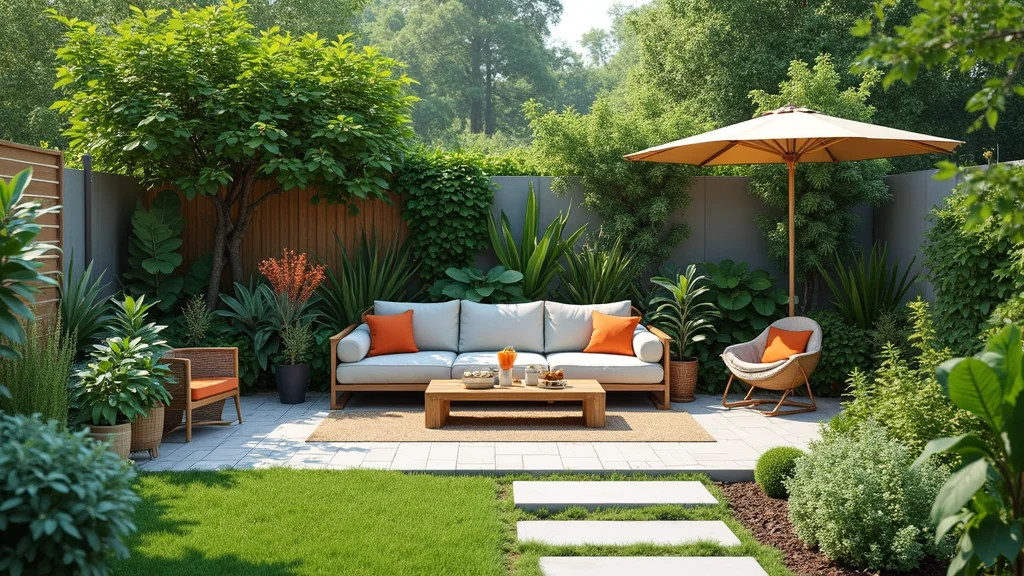
Creating a beautiful garden in a new build home is both a challenge and an opportunity. You want a space that reflects your style while also being kind to the environment. That’s why I put together this guide. It’s packed with fresh ideas and practical tips to help you design a modern outdoor oasis.
If you’re a new homeowner eager to create a sustainable garden, this post is for you. You might be feeling overwhelmed by all the options out there or unsure how to start. Whether you’re into contemporary garden design or want to incorporate sustainable gardening practices, you’ll find something here that speaks to you.
In this post, you’ll discover 18 inspiring ideas that will transform your outdoor space. From native plant landscaping to cozy fire pits, I’ve curated a collection that combines beauty with sustainability. These ideas aren’t just pretty; they’re also smart choices for your new build home. Get ready to unleash your creativity and turn your garden into a functional, stylish haven that you’ll love for years to come.
Let’s explore how to make the most of your garden with simple yet effective landscaping tips, outdoor decor ideas, and garden layout inspiration. Your ideal modern garden is just a few steps away!
Key Takeaways
– Discover 18 modern garden ideas that blend aesthetics with sustainability for your new home.
– Learn about native plant landscaping, which promotes local biodiversity and requires less maintenance.
– Explore vertical gardens as a space-saving solution that adds lush beauty to small outdoor areas.
– Consider incorporating edible landscapes that allow you to grow your own food while enhancing your garden.
– Find out how composting stations can reduce waste and enrich your soil, contributing to a healthier garden.
1. Native Plant Landscaping
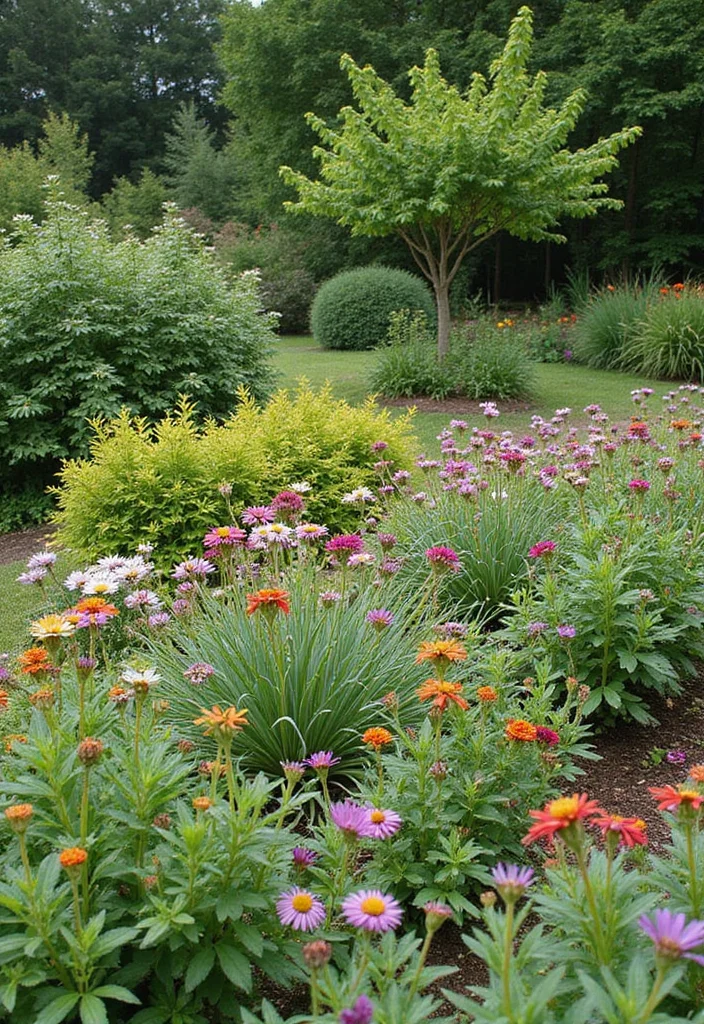
Using native plants in your garden is a brilliant way to create a thriving landscape that suits your local environment. These plants are naturally adapted to your area, so they require less water and maintenance. Imagine colorful wildflowers, sturdy shrubs, and trees that attract local birds and butterflies. Pinterest is buzzing with ideas showcasing the beauty of native gardens, making them a trendy choice for eco-conscious gardeners.
To get started, research the native species in your region and group them together in clusters for a more natural look. You can often find affordable options at local nurseries. This practice not only supports local wildlife but also adds a unique charm to your space. By incorporating native plants, you create a garden that feels alive and vibrant, perfect for enjoying nature’s beauty right at home.
• Use colorful wildflowers to attract pollinators
• Group native species for a natural appearance
• Visit local nurseries for affordable plants
• Choose drought-resistant options to save water
Embracing native plants helps you build a beautiful garden that thrives with minimal effort.
2. Vertical Gardens
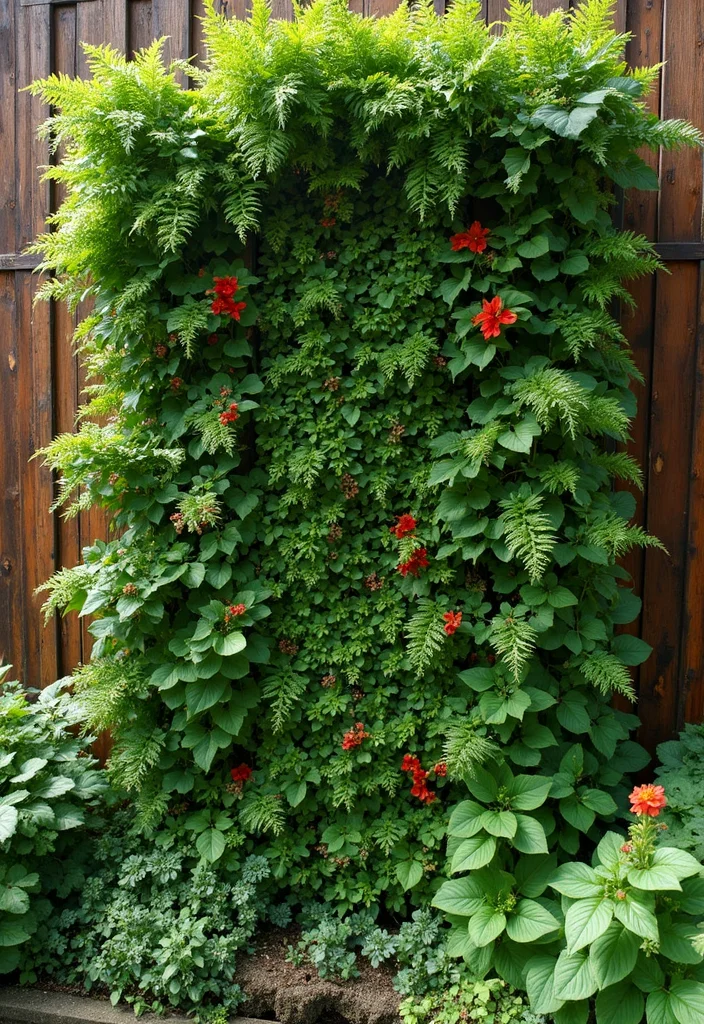
If you have limited space, vertical gardens can be your best friend! They turn walls and fences into lush green landscapes without taking up valuable ground space. You can use everything from repurposed pallets to sophisticated wall-mounted systems to create your garden. These gardens are gaining popularity, especially on Instagram, where they inspire urban gardeners everywhere.
To create your vertical garden, pick a wall that receives plenty of sunlight. Install a sturdy framework to hold your plants, and consider using herbs or colorful succulents for low-maintenance options. Regular watering and pruning will keep your garden looking fresh. This kind of gardening not only enhances your outdoor space but also adds an artistic touch that friends and family will admire.
• Choose a sunny wall for your garden
• Install a sturdy framework for support
• Use herbs and succulents for easy care
• Regularly water and prune for freshness
A vertical garden can transform your outdoor area into a stunning retreat.
3. Sustainable Hardscaping
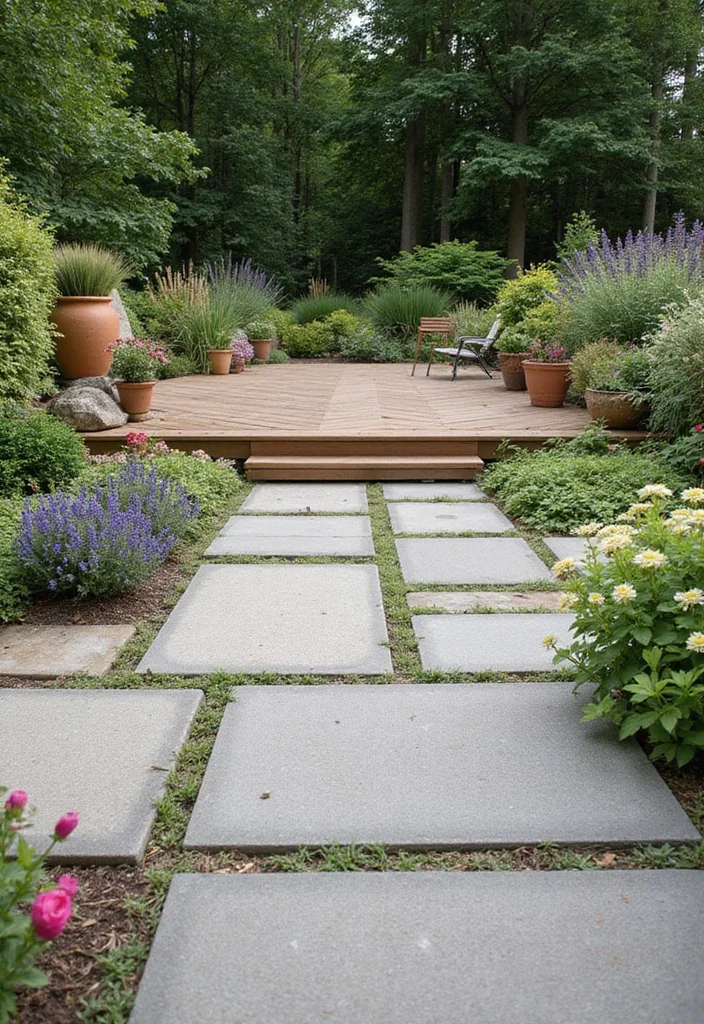
Hardscaping can be beautiful and eco-friendly! Consider using permeable materials for patios, pathways, and walls. These materials allow rainwater to seep through, helping to prevent runoff and keeping your garden healthy. This trend is becoming popular in modern landscaping and is often featured in garden design magazines.
When planning your hardscaping, look for recycled materials like reclaimed wood or stone for an eco-conscious choice. Design unique patterns, like crisscross paths, to add flair to your garden. Make sure your hardscaping accommodates rainwater collection for added sustainability. Integrating these features creates a cohesive design that enhances your garden’s beauty while being kind to the environment.
• Use permeable materials for better drainage
• Choose recycled materials for eco-friendliness
• Design unique patterns for visual interest
• Blend hardscaping with planting areas for unity
With sustainable hardscaping, you can enhance your garden’s beauty while supporting the environment.
4. Rain Gardens
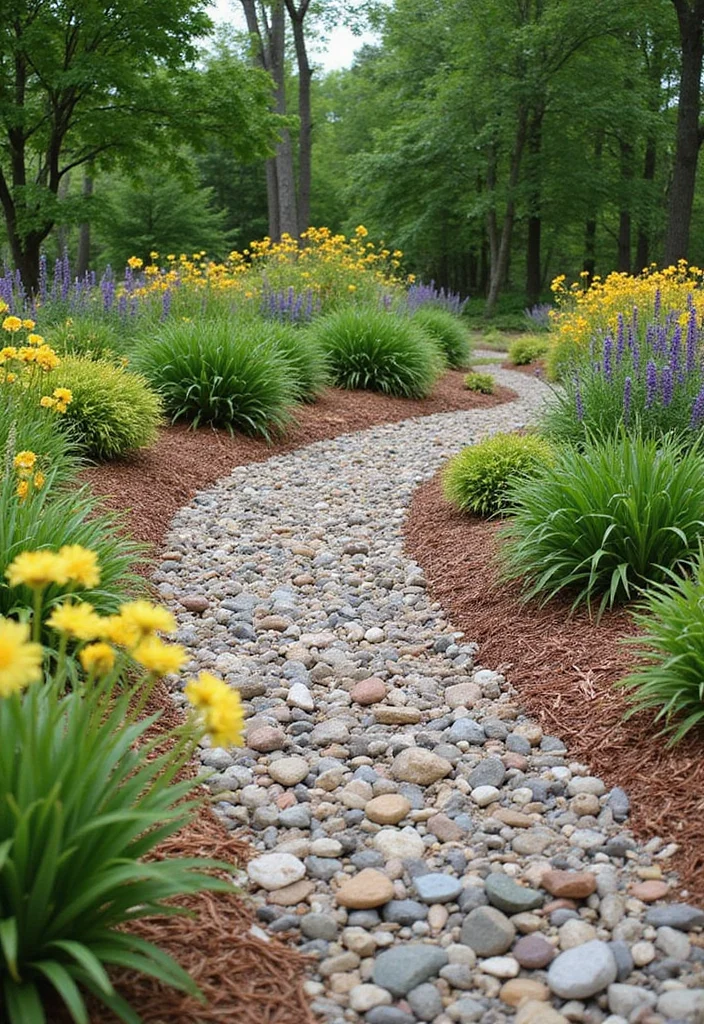
Rain gardens are a smart way to manage water runoff while adding beauty to your landscape. These gardens capture rainwater and allow it to soak into the ground, promoting sustainable gardening. They are becoming increasingly popular and are often highlighted in eco-friendly design blogs.
Start by positioning your rain garden in an area that naturally collects rainwater. Consider adding native plants and gravel to encourage drainage, along with a gentle slope. Regular weeding and mulching will keep your rain garden looking its best. This feature not only filters pollutants but also attracts wildlife, creating a vibrant ecosystem right in your yard.
• Choose a natural low spot for your rain garden
• Include native plants for easy maintenance
• Add gravel for drainage support
• Regularly weed and mulch to maintain health
Integrating a rain garden enhances your property’s appeal while supporting local wildlife.
5. Edible Landscapes
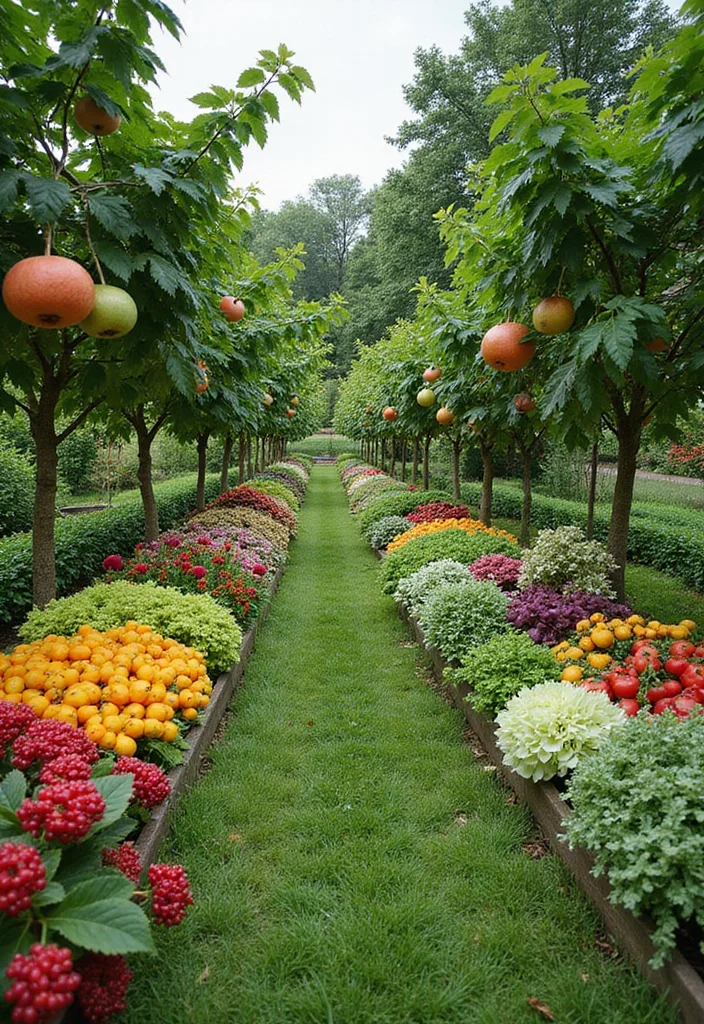
Imagine a garden that’s not only beautiful but also provides fresh fruits and vegetables! Edible landscapes incorporate fruit trees, berry bushes, and vegetable patches seamlessly into your design. You can enjoy a stroll through your garden, picking fresh herbs for dinner or enjoying sweet strawberries. This concept is gaining traction among gardeners who want to combine aesthetics with functionality.
Consider using raised beds or container gardens for easy access to your crops. Companion planting can also help certain plants thrive together, like tomatoes with basil. This approach adds beauty to your outdoor space while providing delicious produce to enjoy. Sharing your harvest with neighbors creates a sense of community and connection.
• Use raised beds for easy gardening
• Pair companion plants for better growth
• Rotate crops for year-round production
• Use colorful veggies for visual appeal
Creating an edible landscape brings joy and functionality to your garden.
6. Biochar in Garden Beds
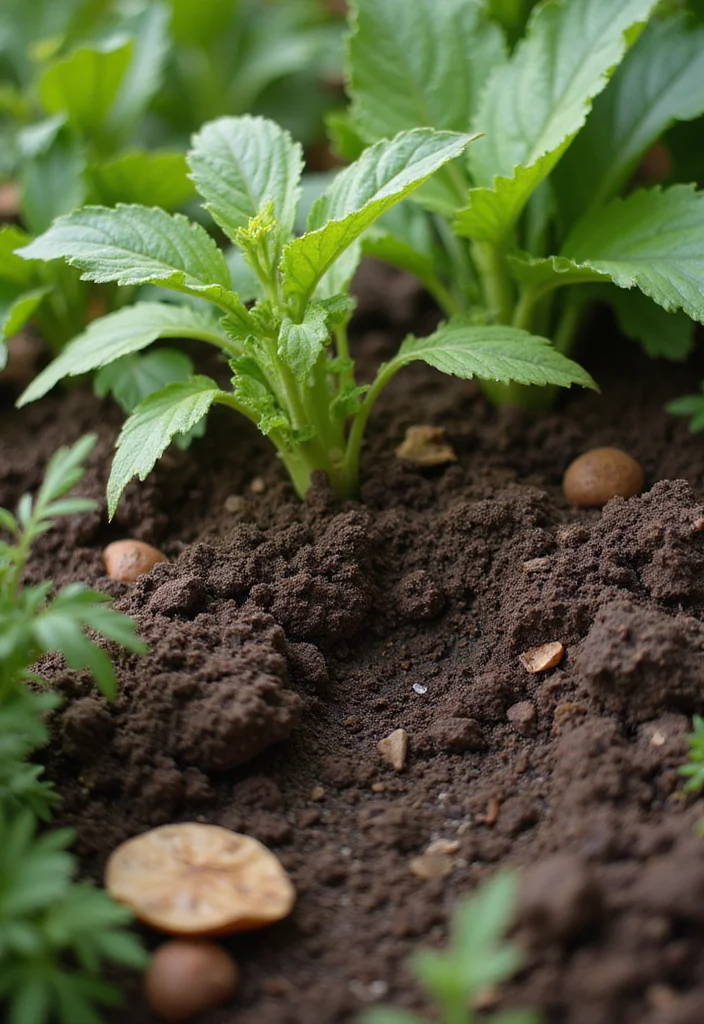
Biochar is a fantastic addition to your garden beds that can boost soil health. This charcoal-like substance improves nutrient retention, drainage, and encourages beneficial microbes. It’s gaining popularity among eco-conscious gardeners who want to enhance their soil sustainably.
To use biochar, mix it into your soil before planting. It can help reduce the need for fertilizers, saving you money. Plus, biochar sequesters carbon, making it a win for both your plants and the planet. Unlike traditional fertilizers, it lasts for years in the soil, providing ongoing benefits to your plants.
• Mix biochar into your soil before planting
• Enjoy reduced fertilizer needs for savings
• Benefit from long-lasting nutrients in your soil
• Observe improved plant growth over time
Adding biochar to your garden is a smart move for healthy plants and a healthy planet.
7. Outdoor Lighting
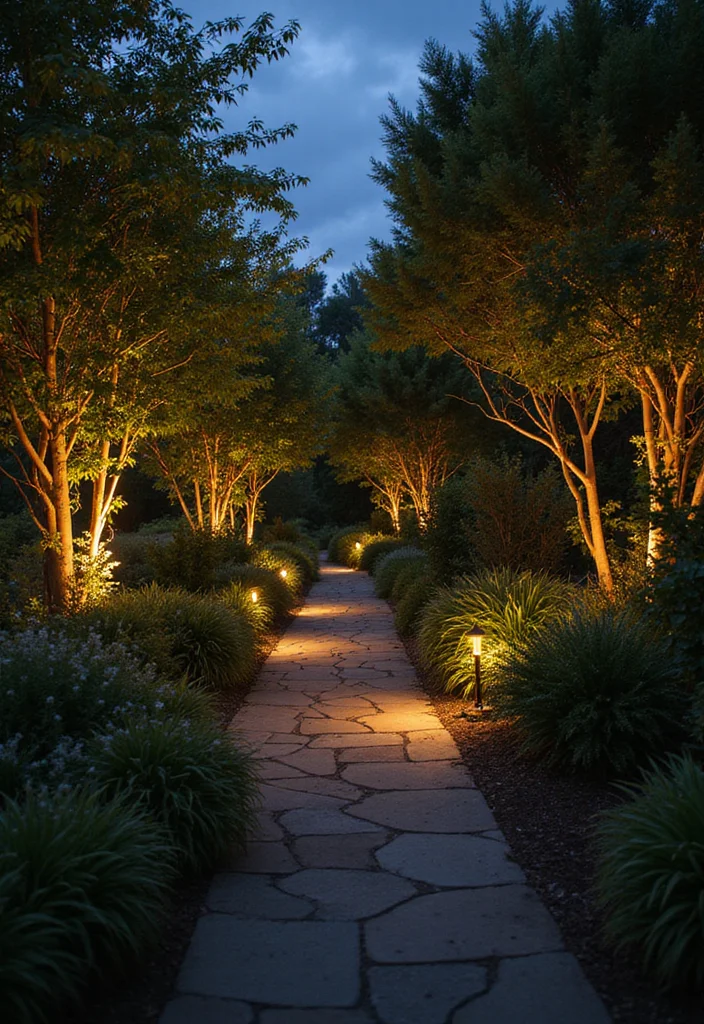
Outdoor lighting can do wonders for your garden’s look and feel. Using LED or solar-powered lights keeps your garden eco-friendly while creating a magical atmosphere at night. This trend is popular among homeowners who want to enjoy their gardens after dark.
To get started, highlight pathways and seating areas with your lights for safety and appeal. String lights can create a cozy vibe, while stake lights can focus on important features. Consider adding smart lighting for convenience and energy savings. With the right lighting, your garden can become a lively space that’s perfect for gatherings or quiet evenings.
• Highlight pathways with lighting for safety
• Use string lights for a cozy atmosphere
• Integrate smart lighting for convenience
• Choose dimmable options for mood setting
Adding outdoor lighting transforms your garden into a beautiful retreat, day or night.
8. Water Features
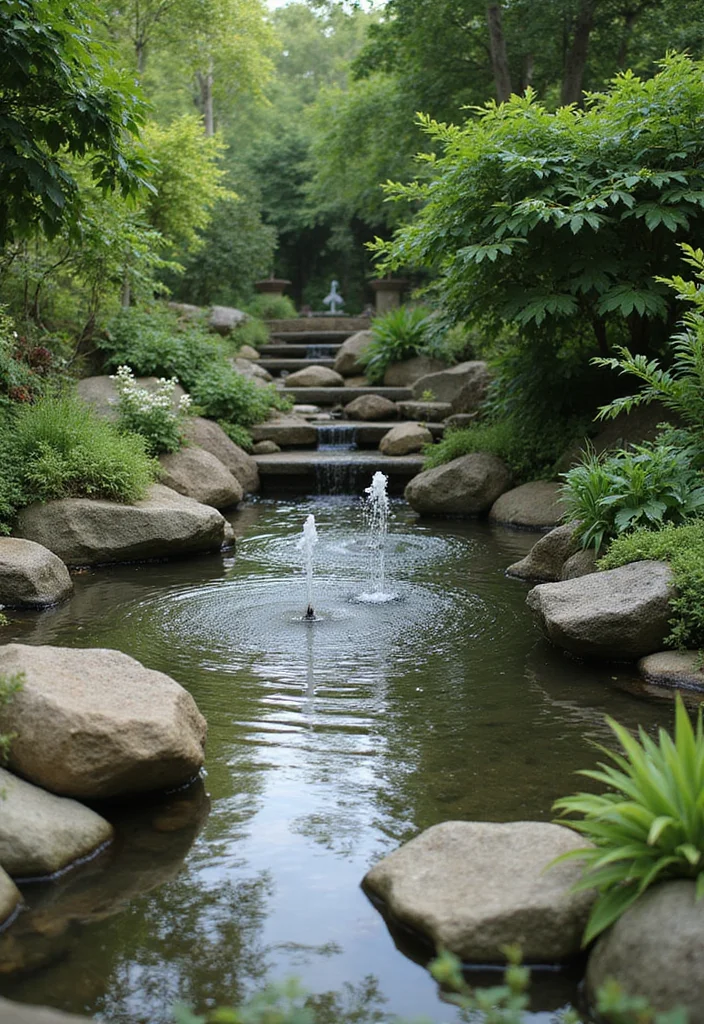
Incorporating water features like ponds, fountains, or bird baths can elevate your garden’s ambiance. These elements not only add beauty but also attract birds and beneficial insects. Water features are becoming increasingly popular in garden designs, celebrated for their tranquil effects.
When selecting a water feature, consider decorative ponds, bubbling fountains, or even simple bird baths. Regular maintenance is key, so check for cleanliness and wildlife safety. Solar-powered pumps can help reduce energy use, making your water feature eco-friendly. Adding aquatic plants can enhance beauty and provide habitat for wildlife.
• Choose decorative ponds or bubbling fountains
• Ensure regular maintenance for cleanliness
• Use solar-powered pumps to save energy
• Add aquatic plants for beauty and habitat
A water feature can become the centerpiece of your garden, bringing peace and tranquility to your space.
9. Cozy Fire Pits
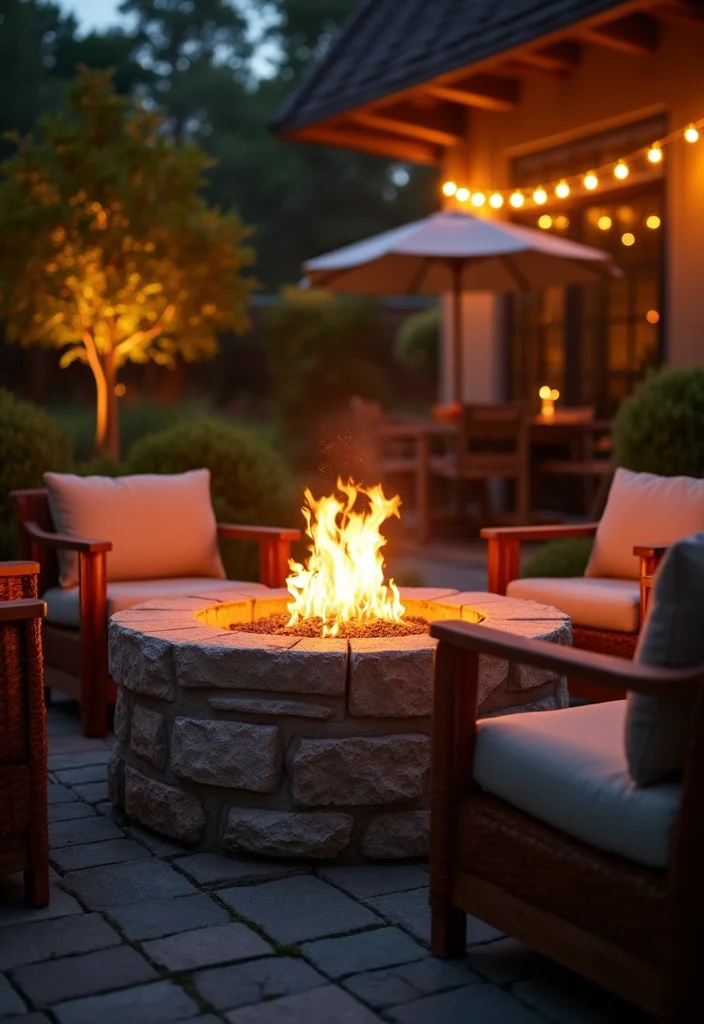
A fire pit can create a warm and inviting focal point in your garden, perfect for gatherings with friends and family. It extends your outdoor living space into the evening hours, adding charm and atmosphere. This trend has become popular among homeowners looking to enhance their outdoor experience.
When choosing a fire pit, consider materials like stone, brick, or metal to fit your style. Ensure proper ventilation and distance from flammable materials for safety. Eco-friendly options like bioethanol can provide a cleaner burn. Surround your fire pit with comfortable seating to make it the perfect spot for cozy gatherings.
• Opt for stone, brick, or metal designs
• Ensure proper ventilation for safety
• Choose eco-friendly fuels for a cleaner fire
• Incorporate comfortable seating for gatherings
A fire pit becomes a cherished gathering place, creating lasting memories with loved ones.
10. Raised Garden Beds
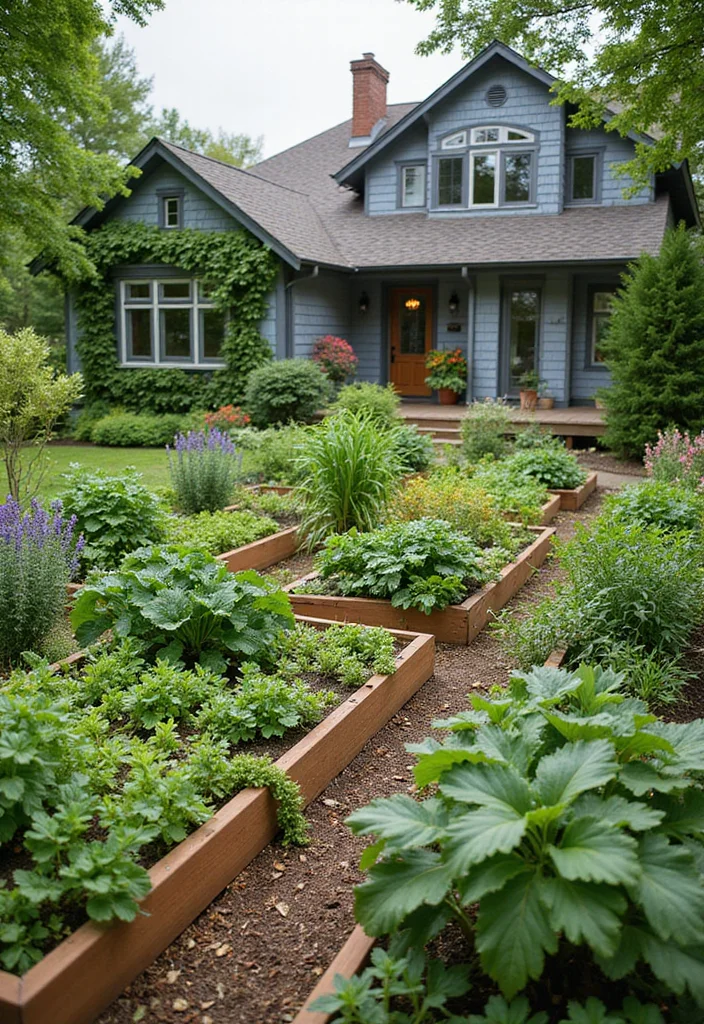
Raised garden beds are perfect for new builds, improving drainage and soil control. They make gardening more accessible and can fit any space, whether big or small. This approach is increasingly popular among gardeners seeking efficiency and ease.
When building raised beds, consider materials like wood, stone, or metal for a polished look. Choose a height that’s comfortable for you, especially if mobility is a concern. These beds can extend your growing season and keep pests at bay. For visual interest, arrange multiple beds in different shapes or levels.
• Use wood, stone, or metal for materials
• Choose a comfortable height for accessibility
• Arrange beds in different shapes for interest
• Use a soil mix for optimal growth
Raised beds offer a modern way to create a productive garden while enhancing your outdoor elegance.
11. Composting Stations
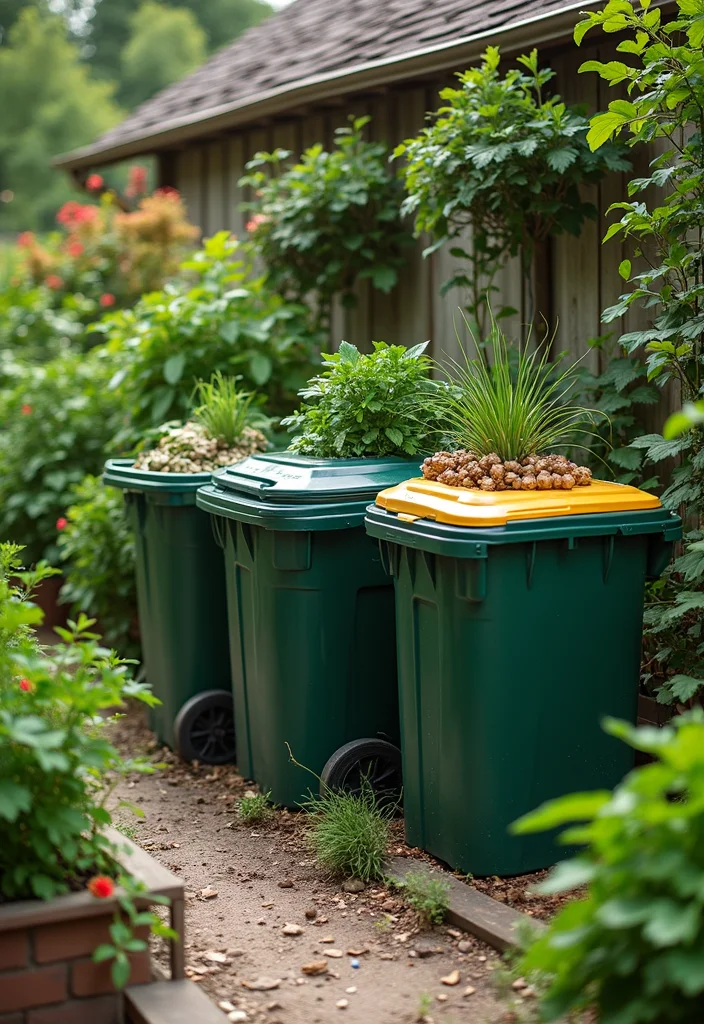
Composting is a vital part of sustainable gardening, recycling organic waste into nutrient-rich soil. Setting up a composting station in your garden helps the environment and benefits your plants immensely. This practice is increasingly embraced by eco-friendly gardeners.
Consider different types of composters, like bins or tumblers, for your setup. Use kitchen scraps, coffee grounds, and yard waste to create excellent compost. Position your composter in a convenient spot for easy access. Regularly turning your compost and monitoring moisture will yield the best results.
• Choose bins or tumblers for composting
• Add kitchen scraps and yard waste
• Place your composter in a convenient location
• Turn compost regularly for best results
A composting station enriches your garden while reducing waste, promoting healthy growth.
12. Pollinator Gardens

Creating a pollinator garden is a wonderful way to support local bees, butterflies, and other beneficial insects. These gardens are essential for biodiversity and can be designed beautifully. This trend is gaining attention as more gardeners recognize the importance of pollinators.
For your pollinator garden, choose a variety of blooms that flower throughout the growing season. Native plants are particularly effective at attracting local pollinators. Layout your flowers in clusters to make it easier for pollinators to access. Avoid using pesticides to protect these vital creatures.
• Include seasonal blooms for continuous color
• Prioritize native plants for better attraction
• Create flower clusters for accessibility
• Keep your garden chemical-free to protect pollinators
A pollinator garden enhances your landscape while contributing positively to the environment.
13. Garden Art and Decor
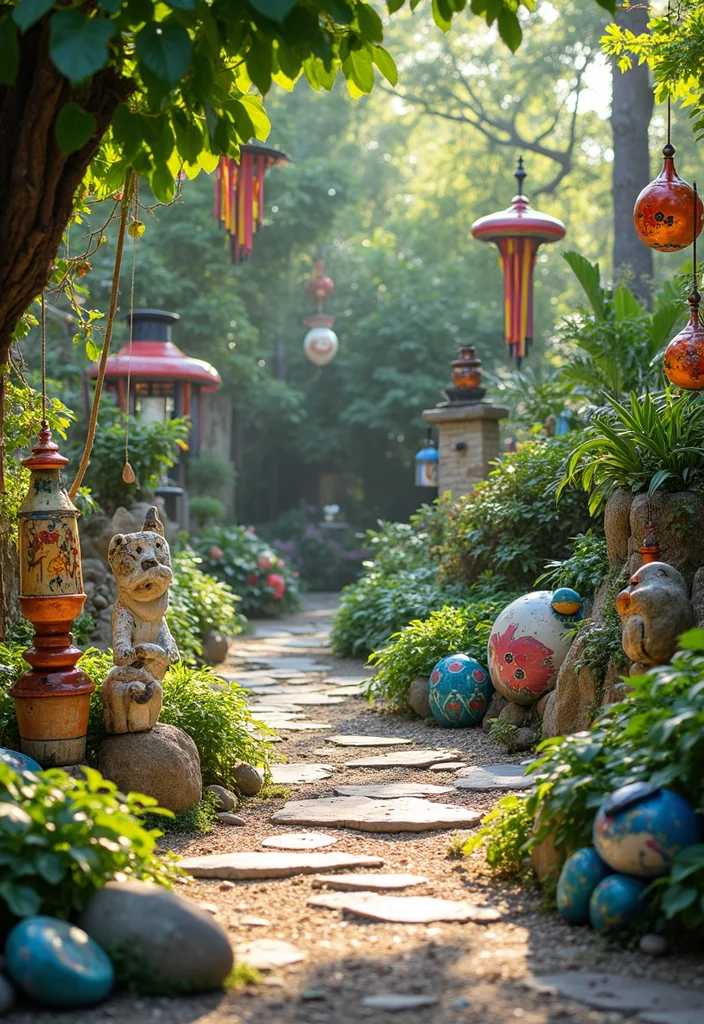
Personalizing your garden with art and decor can reflect your unique style. Sculptures, wind chimes, and painted stones add a special touch to your outdoor space. This trend allows you to express creativity and make your garden a true reflection of who you are.
To find the right pieces, explore local artists or craft fairs for unique items. Place your decor in empty corners or near special plants to draw attention. Changing your decor with the seasons keeps your garden feeling fresh. You can even create DIY projects from reclaimed materials to add character.
• Seek local artists for unique decor
• Fill empty corners with art pieces
• Rotate seasonal decor for freshness
• Get creative with DIY projects from reclaimed materials
Art and decor in your garden allows for personal expression, making it a joyful space.
14. Aromatherapy Gardens
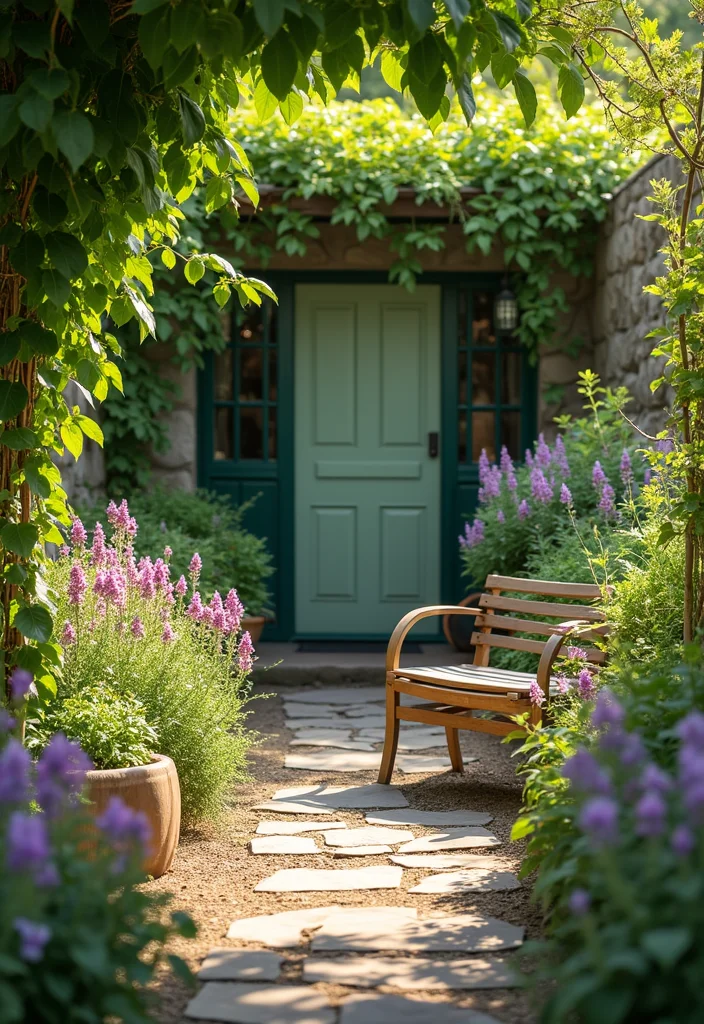
Creating an aromatherapy garden is a delightful way to enjoy the scents of various herbs and flowers. Plants like lavender, rosemary, and mint not only smell fantastic but also have therapeutic benefits. This trend is becoming popular among gardeners who seek relaxation and sensory experiences.
When selecting plants, consider your scent preferences and any allergies. Design manageable clusters of herbs for easy access and maintenance. Incorporate paths that allow you to stroll through and enjoy the fragrances. Creating a cozy spot for relaxation can enhance your experience.
• Choose fragrant herbs for aroma
• Create manageable clusters for care
• Design paths through your garden
• Set up a cozy relaxation area for enjoyment
An aromatherapy garden can be your sanctuary for relaxation and enjoyment of nature’s scents.
15. Wildlife Habitats
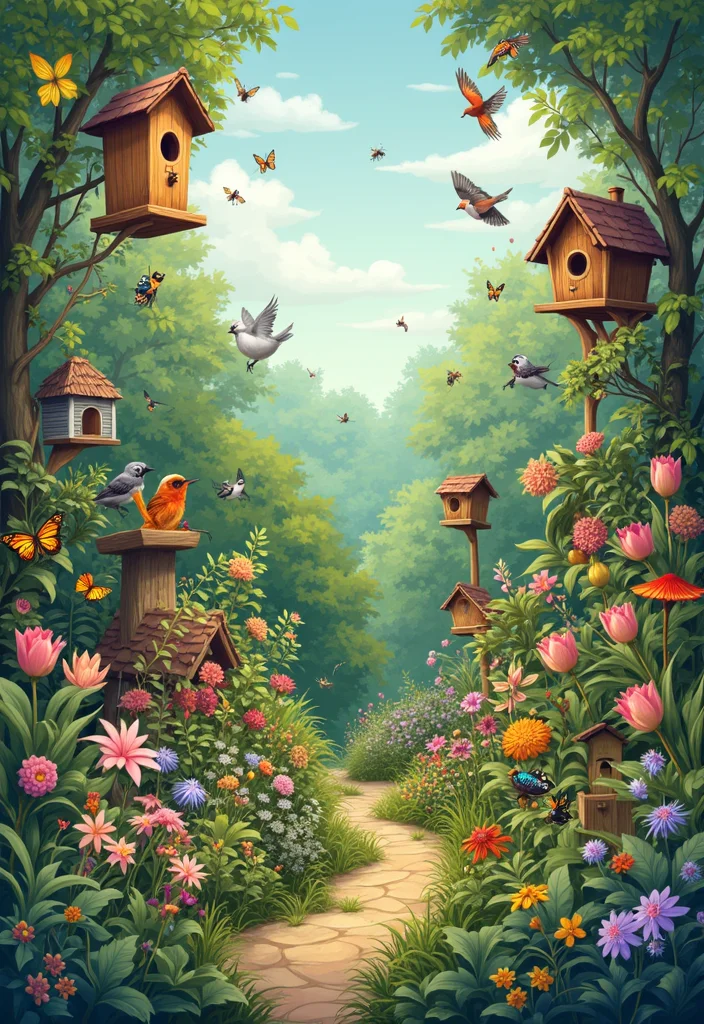
Encouraging wildlife in your garden is a fantastic way to enhance biodiversity and create a self-sustaining ecosystem. Simple features like birdhouses, insect hotels, and native plants can attract various animals. This trend is growing among environmentally-conscious gardeners who want to support local wildlife.
To build habitats, consider installing bird feeders and birdbaths to attract feathered friends. Create insect hotels to provide shelter for beneficial bugs. A diverse range of plants offers food and protection for many species. Adding small water features can give animals a place to drink and cool off.
• Install bird feeders for feathered visitors
• Create insect hotels for beneficial bugs
• Plant a variety of native species for food and shelter
• Add water features for hydration
Creating wildlife habitats brings life to your garden while fostering a love for nature.
16. Green Roofs
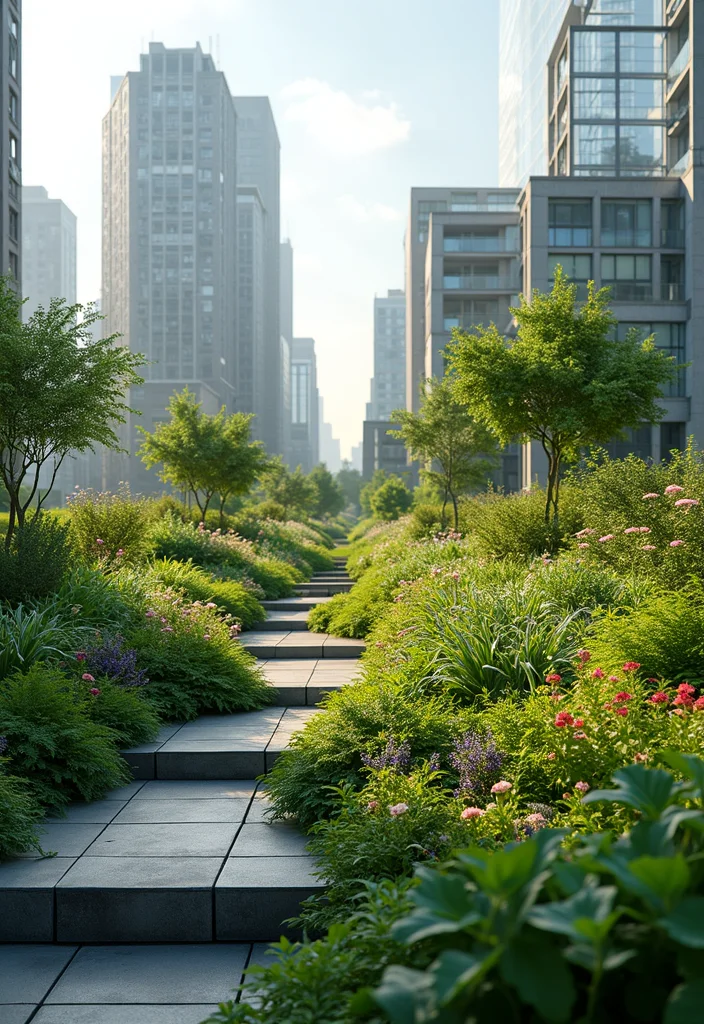
If your new build features a flat roof, consider the benefits of a green roof. It’s a unique way to utilize your space while promoting sustainable practices. Green roofs help with insulation, reduce stormwater runoff, and improve air quality while offering a stunning view.
When designing a green roof, choose lightweight plants that thrive in shallow soil. Succulents, grasses, and herbs work well in these environments. Ensure a proper irrigation system is in place to support your plants’ needs. Creating pathways or platforms can help you access your green roof easily.
• Choose lightweight plants for green roofs
• Use succulents and grasses for low maintenance
• Install a proper irrigation system for support
• Design pathways for easy access
A green roof can transform your building while serving vital environmental functions.
17. Outdoor Workspaces
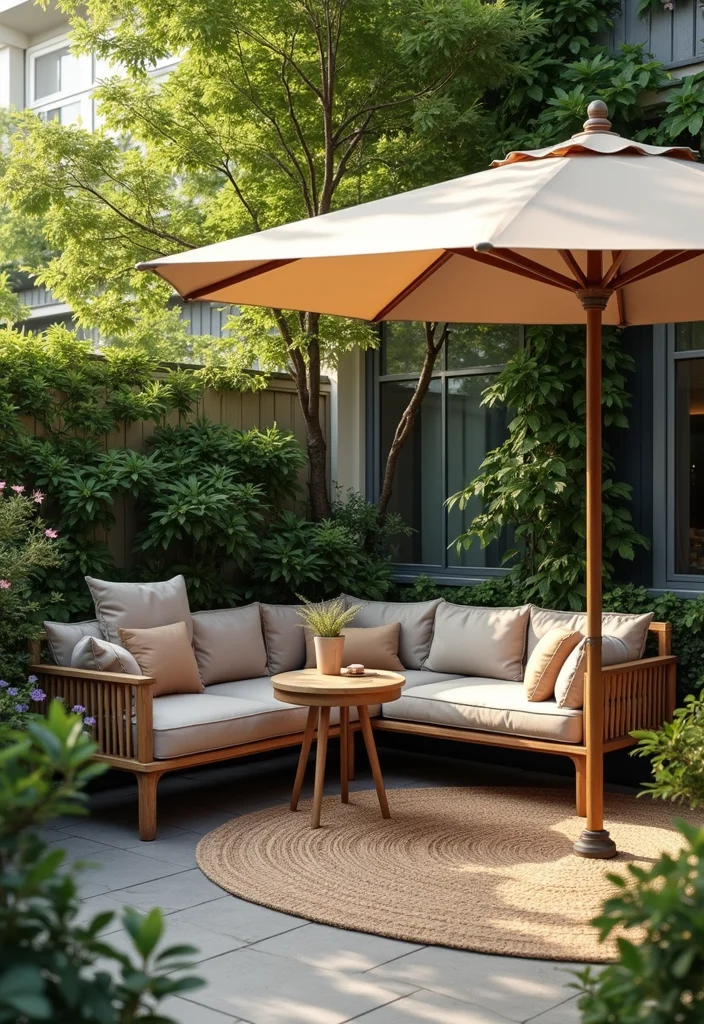
Why not create an outdoor workspace? A peaceful spot surrounded by nature can boost creativity and provide a calming atmosphere for work or study. This trend is growing, especially as more people seek to connect with nature while working.
Set up a comfortable desk with an outdoor table and seating for functionality. Incorporate shade options, like umbrellas or a pergola, to protect from the sun. Ensure there are power outlets available for your devices. Surround your workspace with plants to inspire and provide privacy while you work.
• Create a comfortable desk setup for work
• Add shade options for comfort
• Provide power access for devices
• Surround workspace with inspiring plants
An outdoor workspace allows you to connect with nature while enhancing productivity.
18. Seasonal Gardens
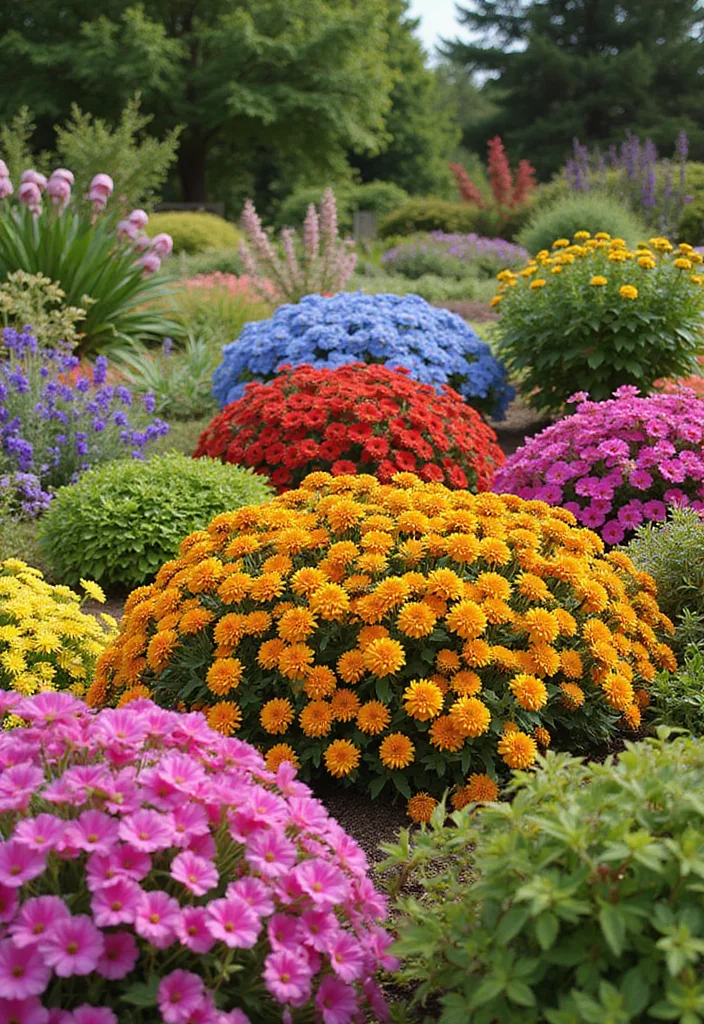
Designing your garden with seasonality in mind allows for year-round enjoyment and beauty. Plant a mix of perennials and annuals to ensure blooms throughout the year. This thoughtful approach is becoming popular among gardeners who want to keep their gardens lively.
When planning, choose plants that flower in different seasons for continuous color. Incorporate evergreens for winter interest and a structure for the rest of your plants. Familiarize yourself with blooming periods to optimize your layout and color schemes. Allow plants to transition naturally from one season to another for a cohesive look.
• Select seasonal blooms for year-round color
• Incorporate evergreens for winter interest
• Use flowering calendars for planning
• Allow plants to transition naturally through seasons
Creating a seasonal garden provides ongoing inspiration and joy, reaffirming your commitment to gardening.
Conclusion
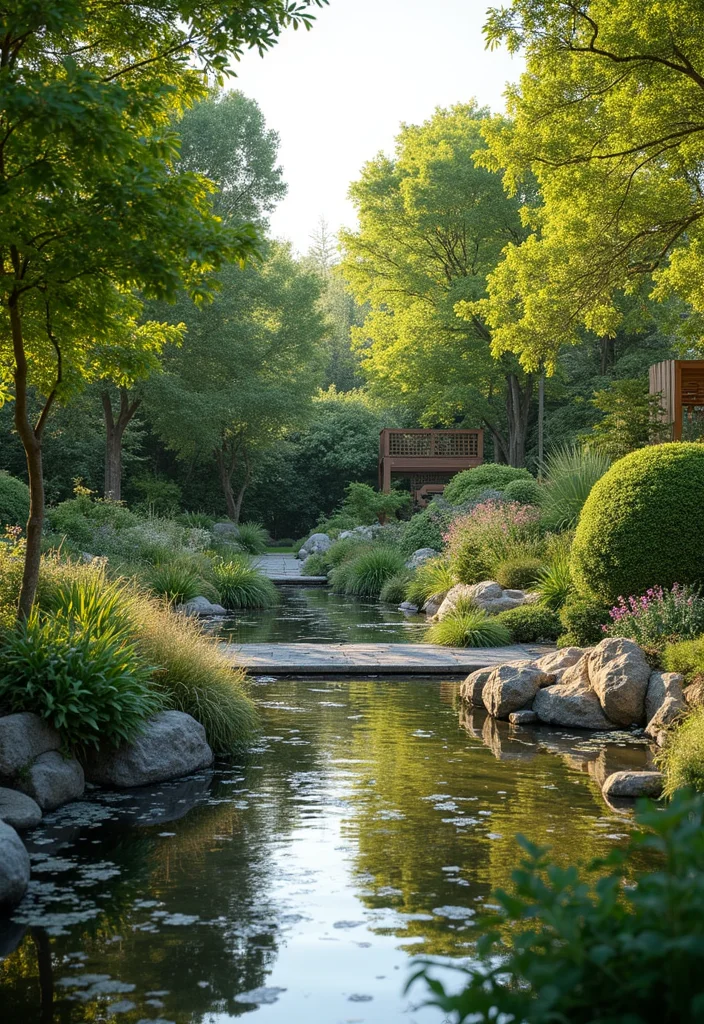
Your new build garden is not just a space; it’s a canvas for creativity, sustainability, and personal expression.
By incorporating these modern outdoor inspirations, you can cultivate a beautiful, eco-friendly haven that reflects your unique style.
Consider these ideas as you plan your ideal garden, and remember, every plant contributes to a healthier planet.
Frequently Asked Questions
What are some key sustainable gardening practices for new build homes?
Sustainable gardening practices can transform your new build home into an eco-friendly paradise! Start by incorporating native plants, which require less water and maintenance. Implementing a rainwater harvesting system can also help you save resources. Additionally, consider using organic compost and mulch to enrich your soil naturally while minimizing waste.
Don’t forget about companion planting to enhance biodiversity and deter pests without chemicals. These practices create a beautiful, thriving garden that contributes positively to the environment.
How can I create a contemporary garden design that suits my new build?
Creating a contemporary garden design is all about balancing aesthetics with functionality! Start by defining your garden layout with clean lines and geometric shapes. Incorporate modern outdoor decor ideas, such as sleek planters, minimalist furniture, and stylish lighting to enhance your space.
Choose a color palette that reflects your personal style, and select plants that complement this theme. Don’t forget to integrate hardscaping elements like stone pathways or wooden decks to connect different areas of your garden seamlessly.
What landscaping tips can I use to maximize small outdoor spaces?
Maximizing small outdoor spaces requires clever planning! Start by opting for vertical gardening techniques, such as wall planters or trellises, to save ground space while adding greenery. Use multi-functional furniture that can be easily stored away when not in use, creating a more open feel. Consider incorporating mirrors to create an illusion of depth and make the area appear larger.
Strategically place plants in layers, using taller plants at the back and smaller ones at the front to create visual interest without overcrowding.
What outdoor decor ideas can enhance my garden’s atmosphere?
To enhance your garden’s atmosphere, consider adding decorative elements that reflect your personality! String lights can create a cozy ambiance for evening gatherings, while colorful garden sculptures can serve as focal points. Incorporate comfortable seating areas, like hammocks or benches, to encourage relaxation and enjoyment of your outdoor space.
Don’t forget about incorporating fragrant plants, such as lavender or jasmine, to engage your senses and create a delightful atmosphere. These small touches can make a big difference in how you experience your garden!
How do I plan an effective garden layout for my new home?
Planning an effective garden layout is all about understanding your space and needs! Start by observing sunlight patterns and wind direction, which will help you determine the best spots for planting. Create zones for different activities, like a relaxing seating area, a vegetable patch, or a play area for kids.
Use garden design software or simple sketches to visualize your ideas before committing. Remember to allow for pathways and access to maintain your garden easily. A well-thought-out layout will make your garden both beautiful and functional!