

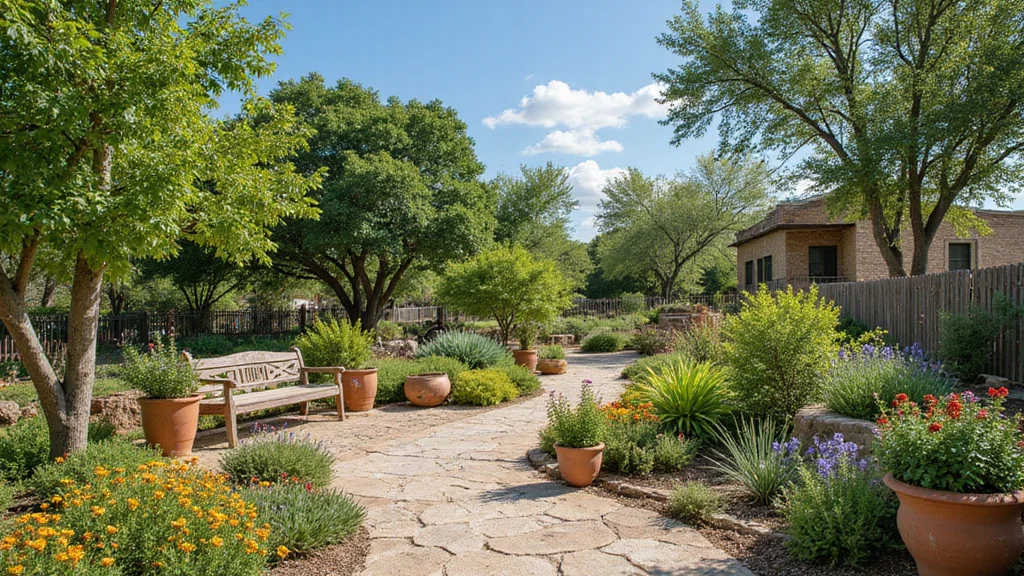
Are you dreaming of a beautiful garden that thrives in the Texas sun? You’re not alone! Many homeowners across the Lone Star State are looking for ways to create stunning outdoor spaces that are both visually appealing and practical. This need inspired me to put together a bold guide filled with *Texas garden ideas* that embrace southern-style aesthetics while also focusing on drought-resistant gardening.
If you love gardening, enjoy spending time outdoors, or simply want to elevate your home’s curb appeal, this post is for you. Whether you’re new to gardening or an experienced cultivator, you’ll find inspiration that speaks to your style. Gardening in Texas requires a unique approach, and knowing how to work with the local climate can make all the difference.
In this guide, you’ll discover 17 southern-style inspirations for your Texas landscape design. From embracing native plants for easy maintenance to creating outdoor art pieces that reflect your personality, each idea is crafted to help you create a thriving garden. You’ll get practical tips for xeriscaping, container gardening, and even edible landscaping. With these insights, you can enjoy a vibrant outdoor space while conserving water and adapting to the Texas environment. So grab your gardening gloves and let’s dive into some fantastic ideas that will transform your landscape!
Key Takeaways
– Discover how to effectively use *native plants* to create a low-maintenance, drought-resistant garden that flourishes in Texas.
– Learn about *xeriscaping* techniques to maximize water efficiency while designing a beautiful outdoor space.
– Explore the charm of *rustic pathways* and stone features that add visual interest and structure to your garden.
– Find out how to integrate *outdoor decor* and art elements that make your garden uniquely yours.
– Get tips on creating *pollinator-friendly gardens* that attract beneficial wildlife while enhancing your landscape’s beauty.
1. Embrace Native Plants

Using native plants in your Texas garden is a smart choice. These plants are naturally suited to the local environment, making them easier to care for and more resilient. For example, consider the beautiful Texas bluebonnet or vibrant Indian paintbrush. Both thrive in the warm sun and attract butterflies, making your garden come alive. Pinterest showcases many stunning native gardens, inspiring you to create your own oasis.
To get started, visit your local nursery to find native species that flourish in your area. Group plants with similar watering needs, as this makes caring for them simpler. Also, planning your garden around when each plant blooms will keep the colors flowing all season long. By adding these plants, you connect your garden to Texas’s natural beauty while reducing water usage, making your garden sustainable and inviting.
• Visit local nurseries for the best native selections.
• Group plants by watering needs for easy maintenance.
• Plan around bloom times for continuous color.
• Choose plants that attract local pollinators.
Embracing native plants will help you create a vibrant garden that celebrates the essence of Texas.
2. Xeriscaping: The Art of Water-Efficient Gardening
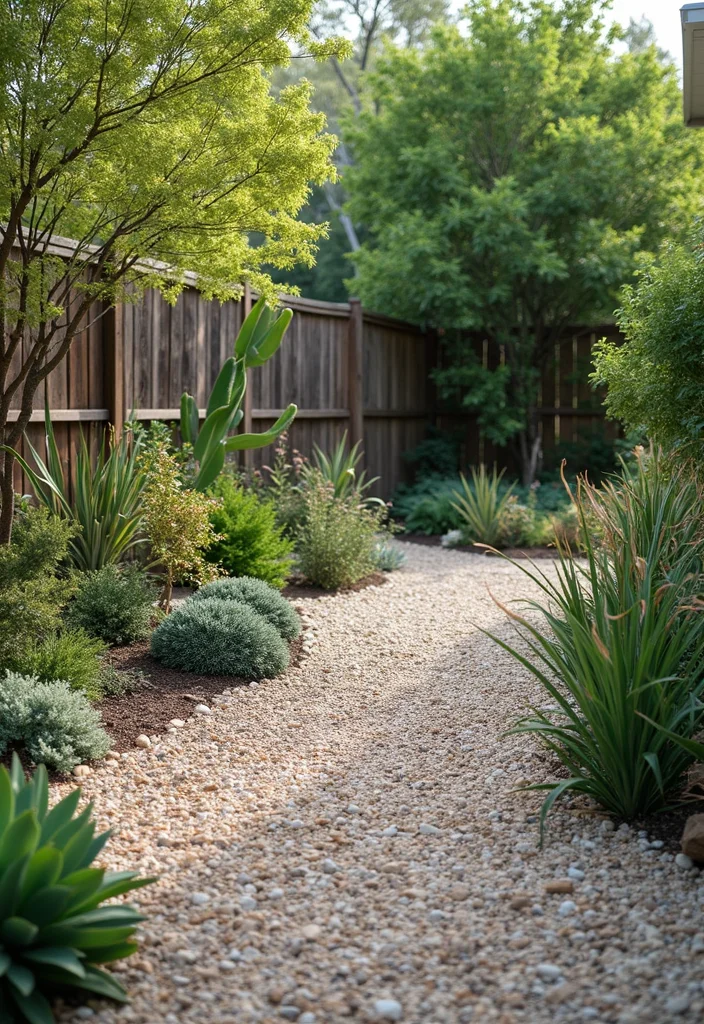
Xeriscaping is an effective way to grow a garden in dry areas like Texas. This method focuses on plants that need less water and clever irrigation techniques. You can design a beautiful landscape using rocks and drought-resistant plants like succulents and cacti. These plants require little care and add exciting shapes and textures. Many gardening blogs showcase xeriscaping, highlighting its beauty and practicality.
To implement xeriscaping, start by creating zones based on how much water each plant needs. Place thirsty plants together to simplify watering. Use mulch to keep soil moist and reduce weeds. Investing in drip irrigation will help direct water precisely where it’s needed. By adopting xeriscaping, you enhance your garden’s beauty while conserving water, creating a lovely and sustainable outdoor space.
• Create water zones for efficient irrigation.
• Use mulch to retain moisture and suppress weeds.
• Install drip irrigation for targeted watering.
• Incorporate rocks for a stylish, low-maintenance look.
Implementing xeriscaping can lead to a beautiful garden that saves water and looks great.
3. Rustic Pathways and Stone Features
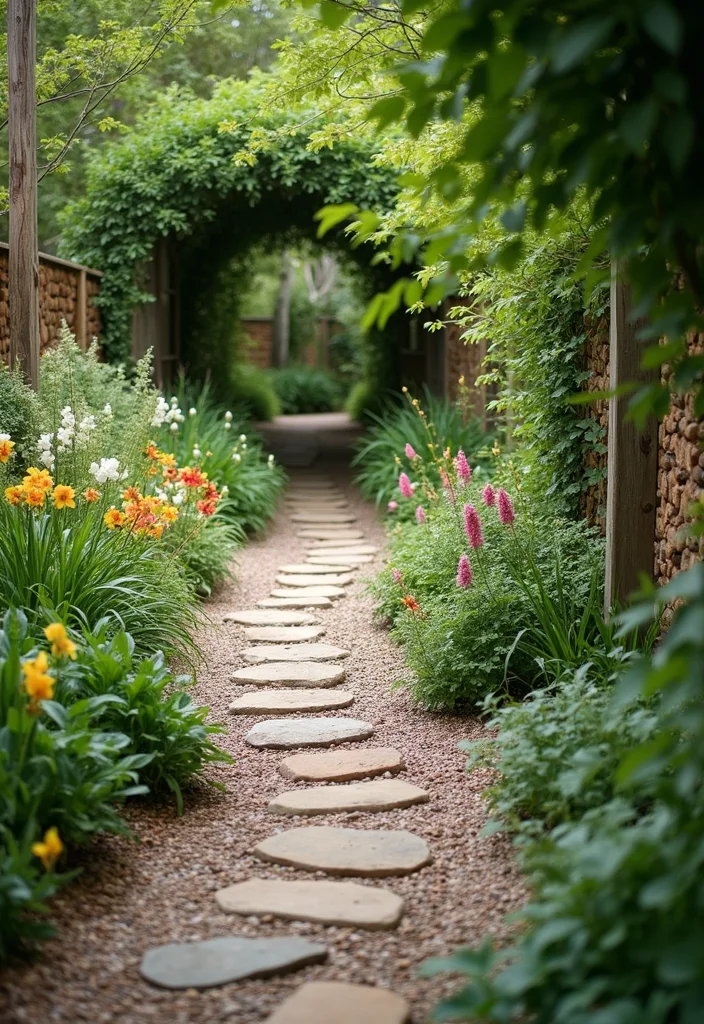
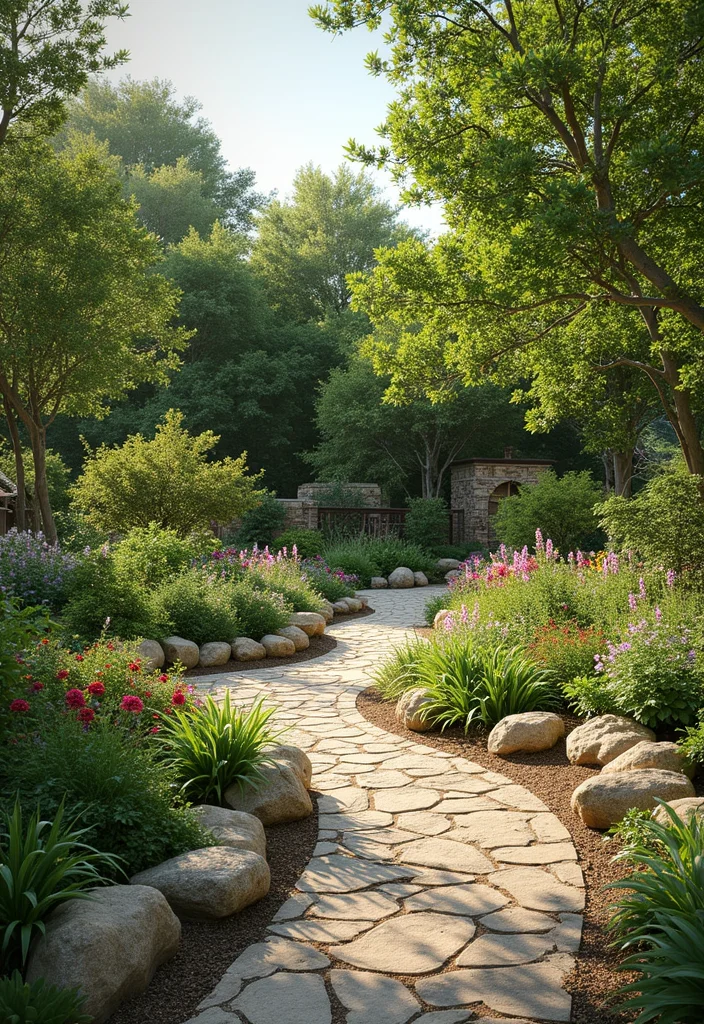
Adding rustic pathways and stone features to your garden can bring charm and function. Use natural stones to create winding paths that invite exploration and enhance your garden’s appeal. Decorative rocks can serve as seating or focal points, while also aiding drainage, which is vital in Texas gardens. Many homeowners are turning to these features for their beauty and practicality.
When designing your pathways, opt for flat stones laid in a natural pattern for a relaxed vibe. You can fill gaps with gravel or sand for extra texture. Using stepping stones can add a whimsical touch, guiding visitors through your garden. Creating these pathways not only enhances your garden’s beauty but also makes it easier to navigate your outdoor space, providing a serene experience.
• Lay flat stones for a casual, inviting feel.
• Incorporate sand between stones for rustic charm.
• Use stepping stones to create a playful path.
• Add decorative rocks for seating and interest.
With these pathways, your garden will be an inviting place, encouraging exploration and appreciation of nature.
4. Container Gardening for Versatile Spaces
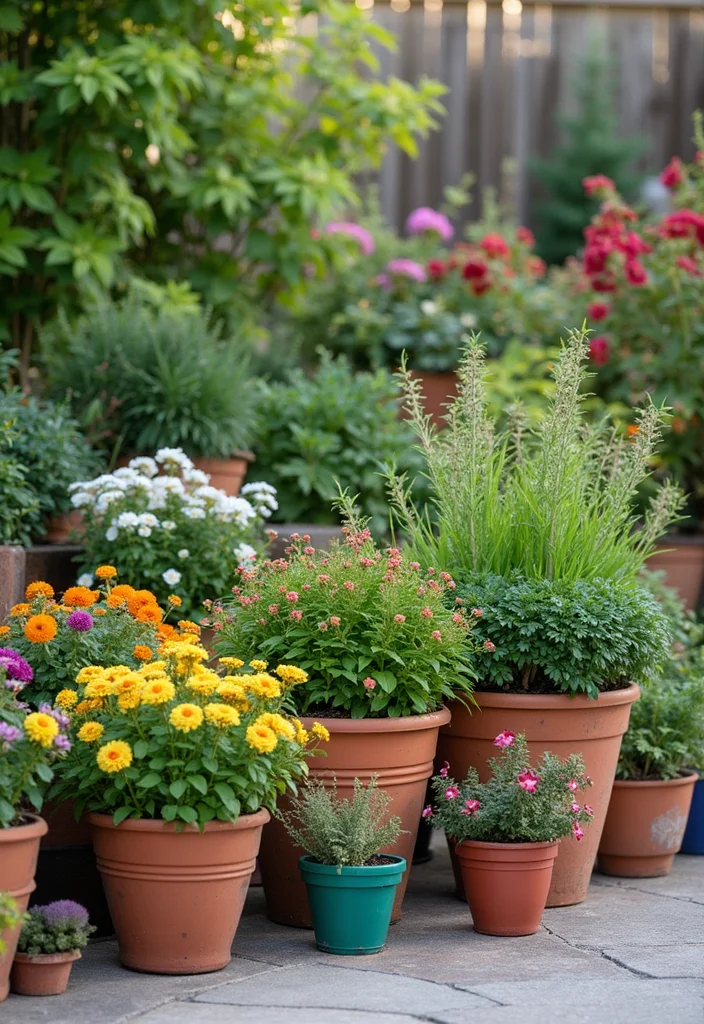
Container gardening is perfect for smaller spaces or for adding color to patios and balconies. It offers flexibility, allowing you to grow a variety of plants in pots, which also provide excellent drainage. Consider drought-resistant plants like lavender or ornamental grasses that thrive in containers. Mixing different sizes and styles of pots can add visual excitement to your space.
To get started, ensure that your pots have drainage holes to prevent overwatering. Use a quality potting mix to supply nutrients for your plants. Grouping pots together creates a lush display that draws the eye. Container gardening allows you to change your garden’s look with the seasons, making it a fun and dynamic way to enjoy your outdoor space.
• Choose pots with drainage to keep roots healthy.
• Use quality potting soil for healthy plants.
• Group pots for a fuller, more vibrant look.
• Mix pot styles for visual interest.
Container gardening gives you the freedom to create a personal and colorful garden, no matter the size of your space.
5. Enhance with Outdoor Art
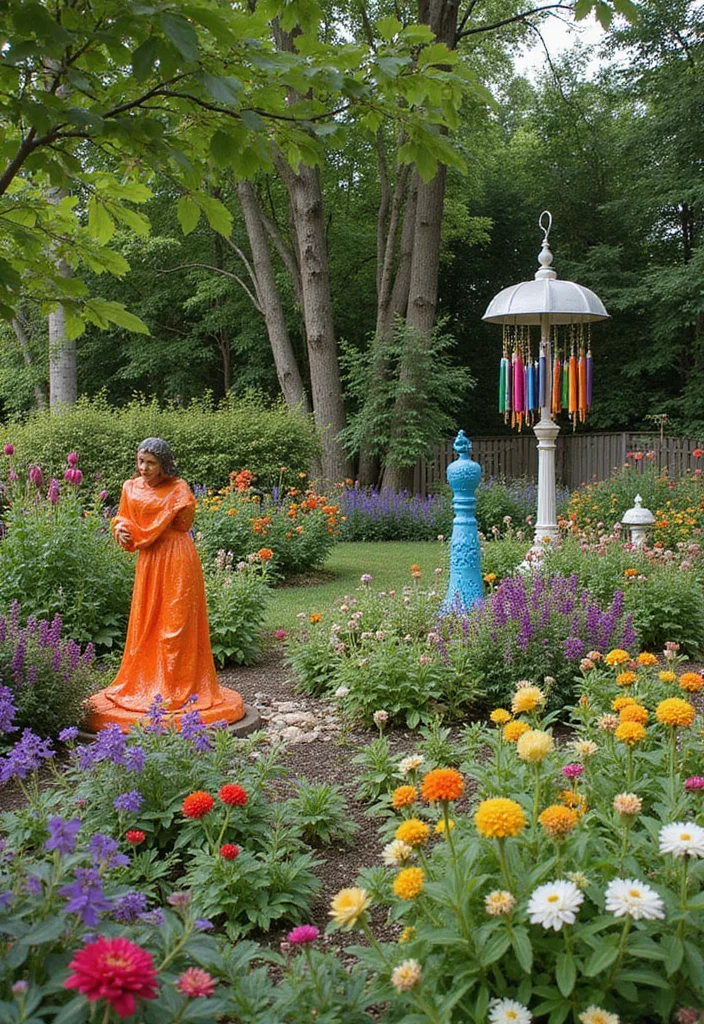
Outdoor art can add personality and style to your garden. Pieces like sculptures, wind chimes, or mosaic tiles can make bold statements and enhance the overall design. Select art that reflects your style and complements your garden’s theme. Art can become a focal point, drawing attention and inviting visitors to explore.
Consider installing a colorful mural or painted fence to create a lively backdrop for your plants. Use repurposed materials to craft unique sculptures that tell a story. Hanging wind catchers that sway in the breeze can add dynamic flair to your space. By incorporating art into your garden, you create a unique atmosphere that makes your outdoor area feel like an extension of your home.
• Install a mural for a vibrant backdrop.
• Use repurposed materials for unique sculptures.
• Hang wind catchers for playful movement.
• Choose art that resonates with your style.
Adding outdoor art can transform your garden into a lively and inviting retreat.
6. Raised Garden Beds for Vegetables and Herbs
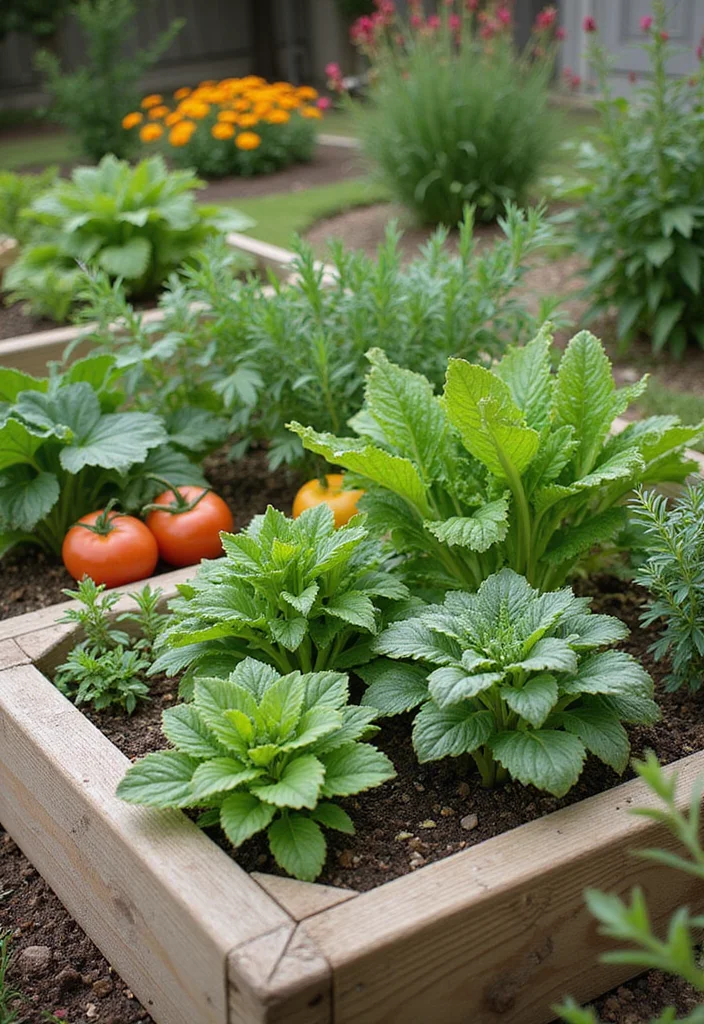
Raised garden beds are a fantastic way to grow vegetables and herbs in Texas. They improve drainage and soil quality, making it easier to manage pests and weeds. You can build your beds using untreated wood, stone, or recycled materials, allowing you to customize their size and height.
Consider the benefits of raised beds, such as warmer soil that promotes faster plant growth. They also make it easier to access your plants, especially for those with mobility challenges. Enhanced drainage is essential for healthy root systems, ensuring your plants thrive. Planting herbs like basil and rosemary alongside vegetables like tomatoes and peppers creates a fragrant and productive garden space.
• Build with untreated wood for safety.
• Consider height for easy access to plants.
• Mix herbs and vegetables for a diverse garden.
• Improve drainage for healthier plants.
Raised garden beds can lead to a lush and productive garden, making it easier for you to enjoy fresh herbs and veggies.
7. Water Features that Conserve and Refresh
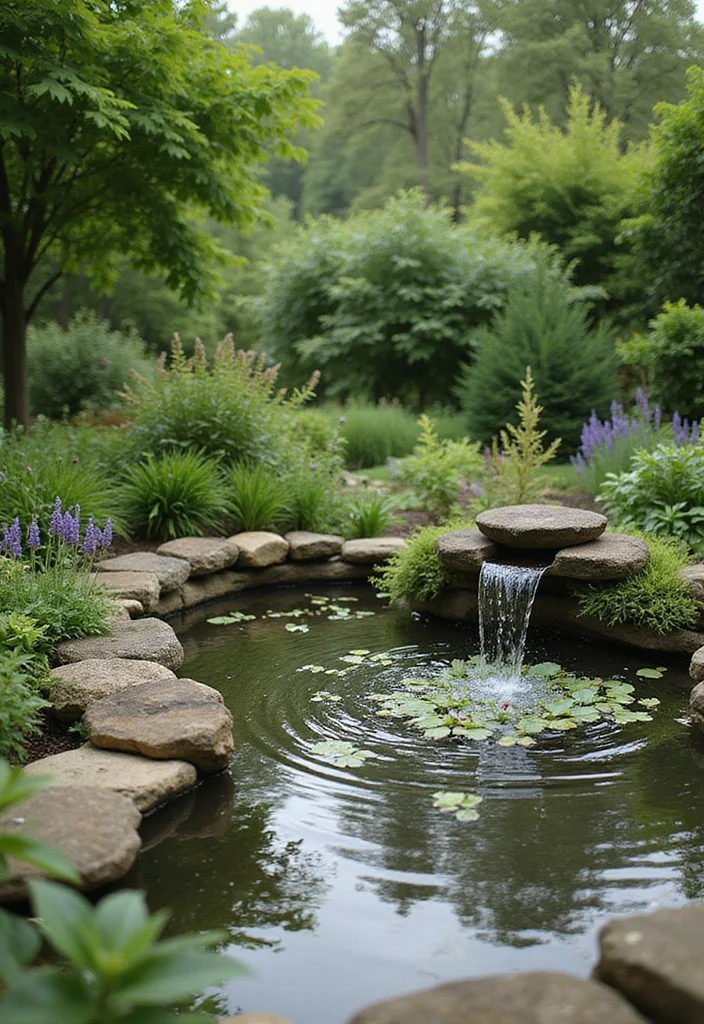
Adding a water feature, like a small pond or fountain, can turn your garden into a peaceful retreat. These features can attract local wildlife while providing a tranquil atmosphere. Opt for self-sustaining ecosystems that require minimal upkeep, making it easy to enjoy their beauty.
Water features not only cool your space but also draw birds and beneficial insects, enhancing biodiversity. Consider small recirculating fountains that are easy to maintain, or ponds with native aquatic plants to support local wildlife. Rain barrels are another great option for collecting and reusing rainwater for your garden.
• Choose small fountains for easy maintenance.
• Incorporate native plants in ponds for wildlife.
• Add rain barrels to recycle rainwater.
• Design with purpose to attract wildlife.
Water features can create a calming atmosphere, allowing you to enjoy the soothing sounds of water while enhancing your garden’s eco-friendliness.
8. Shade Gardens: Embracing the Cool Retreat
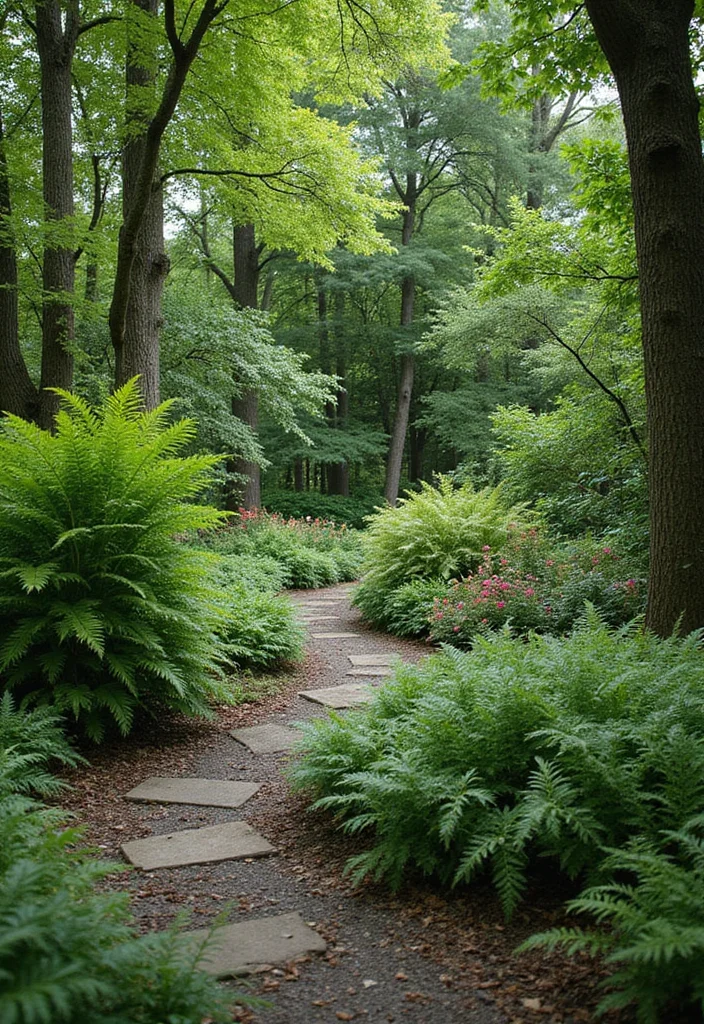
While Texas is known for its sunny weather, many areas have beautiful shady spots just waiting to be utilized. Shade gardens allow you to diversify your plant selection and create a cool escape from the heat. Consider plants like ferns, hostas, and shade-loving flowers to add lush greenery and color. These plants thrive in lower light conditions while creating a refreshing retreat.
To make the most of your shade garden, use organic mulch to help retain soil moisture. Incorporating decorative stones can add visual interest to the space. Choose plants of varying heights to create depth and texture. The right plant selection will allow you to enjoy your outdoor space even on the hottest days.
• Use organic mulch to keep soil moist.
• Incorporate decorative stones for added style.
• Choose plants of different heights for depth.
• Focus on shade-tolerant plants for success.
A well-planned shade garden can offer a tranquil escape, allowing you to enjoy nature’s beauty all year round.
9. Edible Landscaping: Beauty Meets Utility
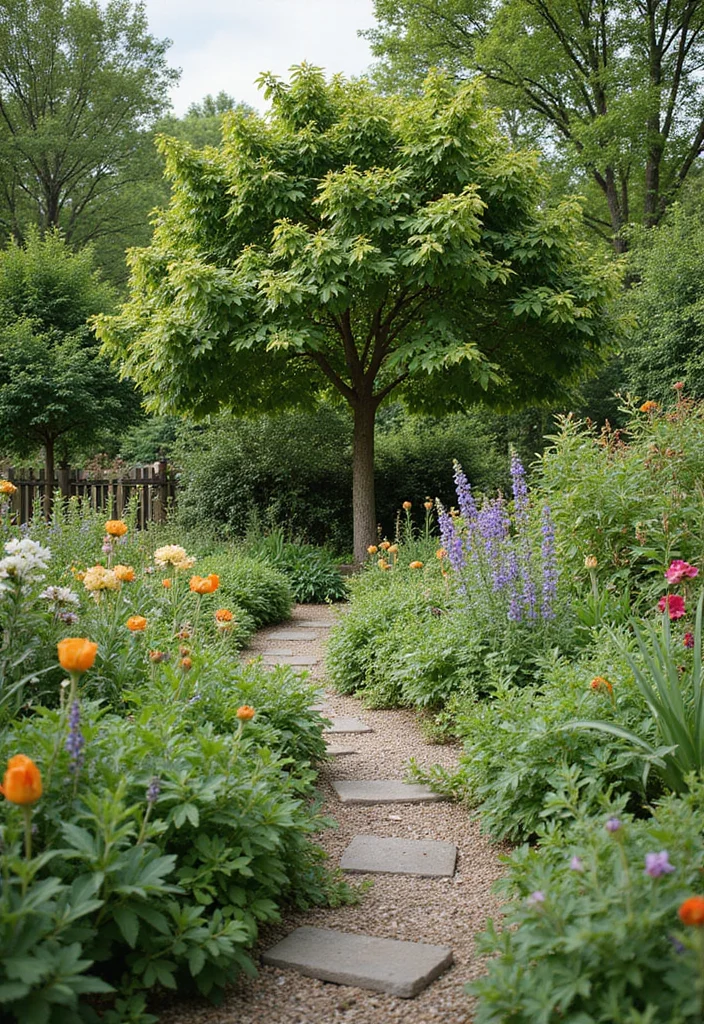
Edible landscaping is a fantastic way to blend beauty and functionality in your garden. Imagine flowering fruit trees and herb borders that beautify your space while providing fresh produce. You can incorporate edible plants like strawberries, blueberries, and fragrant herbs into your ornamental borders for a garden that’s both lovely and practical.
To get started, design flower beds with edible plants that are both attractive and delicious. Dwarf fruit trees can serve as charming focal points while maximizing space. Including herbs in your landscaping adds fragrance and flavor, enhancing your culinary experiences.
• Design beds with beautiful edible plants.
• Use dwarf fruit trees for compact beauty.
• Incorporate herbs for fragrance and flavor.
• Mix aesthetics with function for a unique garden.
Edible landscaping not only enhances your garden’s appeal but also encourages a sustainable lifestyle, allowing you to enjoy fresh ingredients from your backyard.
10. Colorful Ground Covers
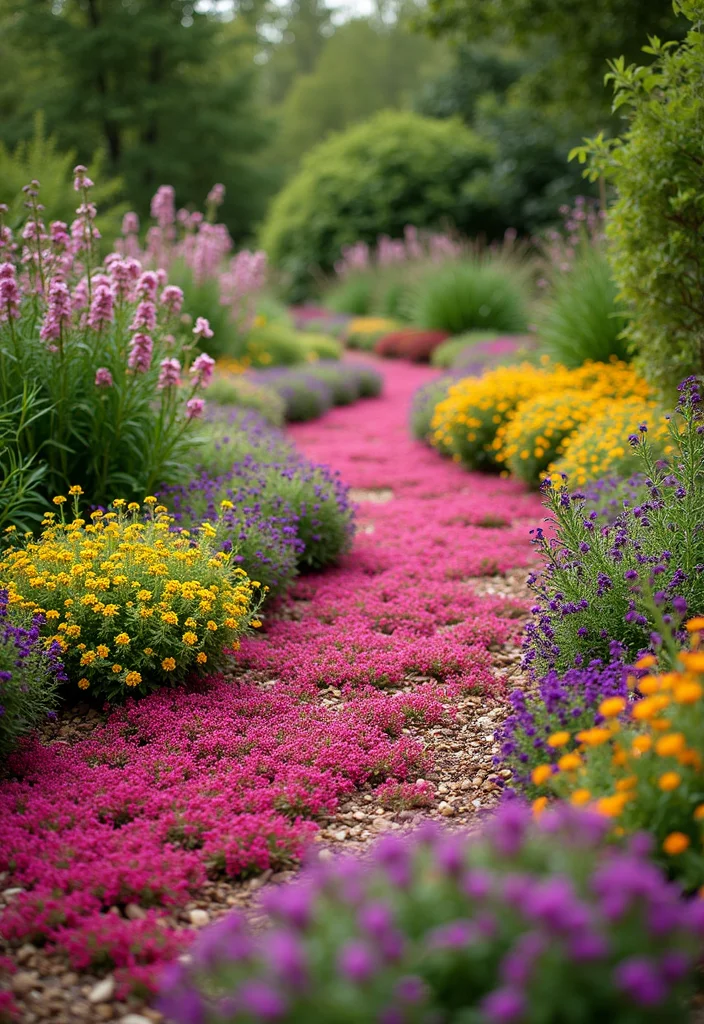
Ground covers are an excellent choice for filling bare spots and preventing erosion in your garden. In Texas, colorful options like sedum, trailing lantana, or creeping thyme can brighten up your landscape while being drought-resistant. These plants work well under trees or along walkways, adding texture and color with minimal effort.
Using ground covers reduces the need for mulch and weeding, helping to keep your garden looking tidy. They also retain soil moisture by providing a protective layer. Plus, they offer a soft, carpet-like appearance that enhances your garden’s beauty.
• Choose drought-resistant covers for low maintenance.
• Use under trees to prevent bare spots.
• Add variety for visual interest and texture.
• Enhance soil moisture with protective layers.
Incorporating colorful ground covers will make your garden vibrant and sustainable, ensuring it stays beautiful year-round.
11. Incorporate Vertical Gardening
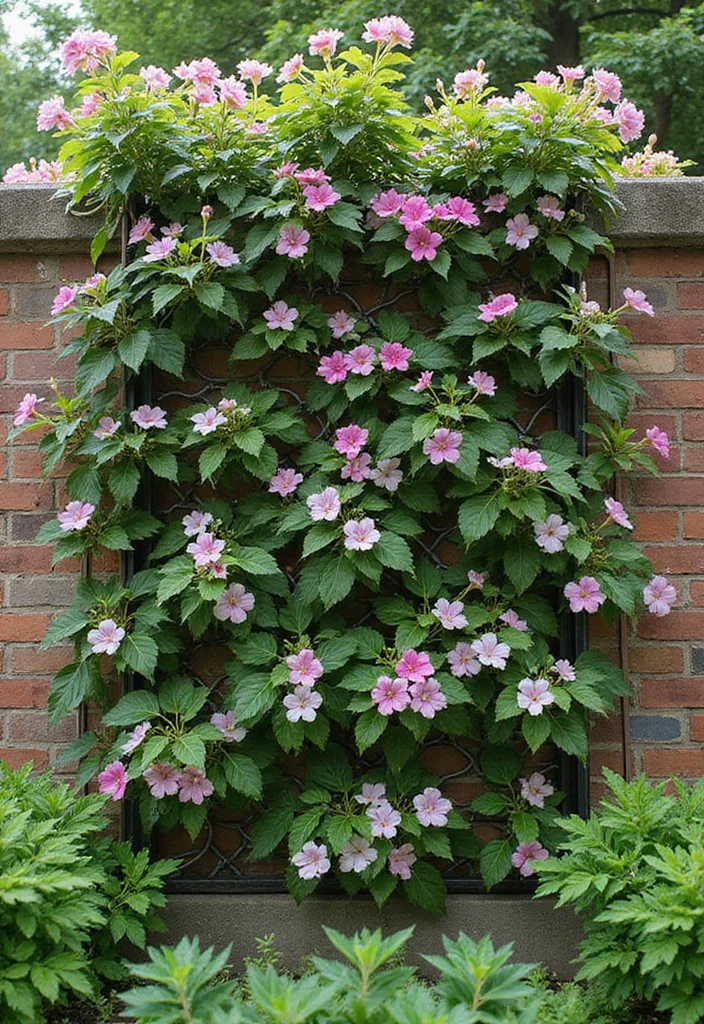
If space is tight, vertical gardening can be your best friend. By creating structures like trellises or living walls, you can grow plants upward, saving ground space while adding a unique visual element. Climbing plants such as jasmine, morning glories, or peas can thrive on these structures, providing beauty and shade.
Vertical gardens maximize plant growth while offering a striking look for your landscape. They can also help reduce pest problems by keeping plants off the ground. This innovative approach can turn even the smallest areas into lush retreats filled with greenery.
• Create trellises for climbing plants.
• Use living walls for compact gardening.
• Choose colorful climbers for visual appeal.
• Keep plants off the ground to reduce pests.
Vertical gardening allows you to transform your space into a vibrant and functional garden, perfect for urban living.
12. Use of Hardscaping Elements
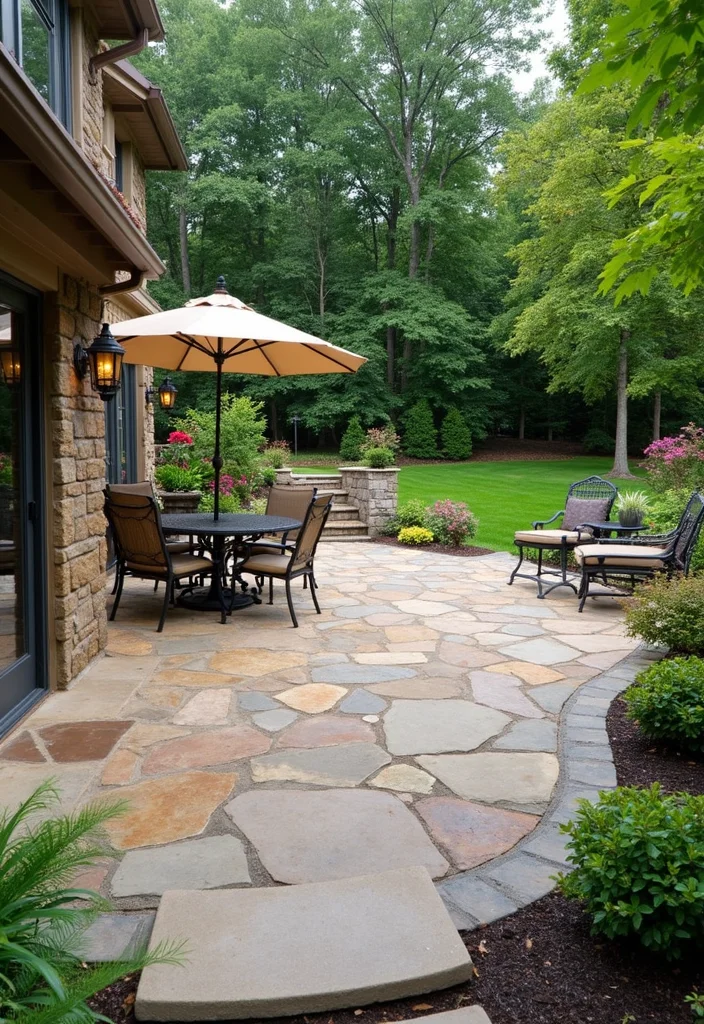
Incorporating hardscaping elements like patios, decks, and walkways can provide structure to your garden while creating functional spaces for relaxation and entertaining. Choose materials that blend well with nature, like flagstone, brick, or decomposed granite. Hardscaping can also help manage water runoff and minimize erosion around your plants.
The benefits of hardscaping include creating inviting outdoor living areas that encourage you to spend more time outdoors. It also reduces maintenance needs by limiting grassy areas that require mowing. Thoughtful integration of hardscaping enhances your garden’s overall design, making it a more enjoyable space.
• Choose natural materials for a seamless look.
• Design functional spaces for entertaining and relaxation.
• Minimize grassy areas for lower maintenance.
• Direct water runoff for healthier plants.
Thoughtfully planned hardscaping can make your garden a beautiful outdoor retreat, perfect for enjoyment and relaxation.
13. Seasonal Color with Perennials
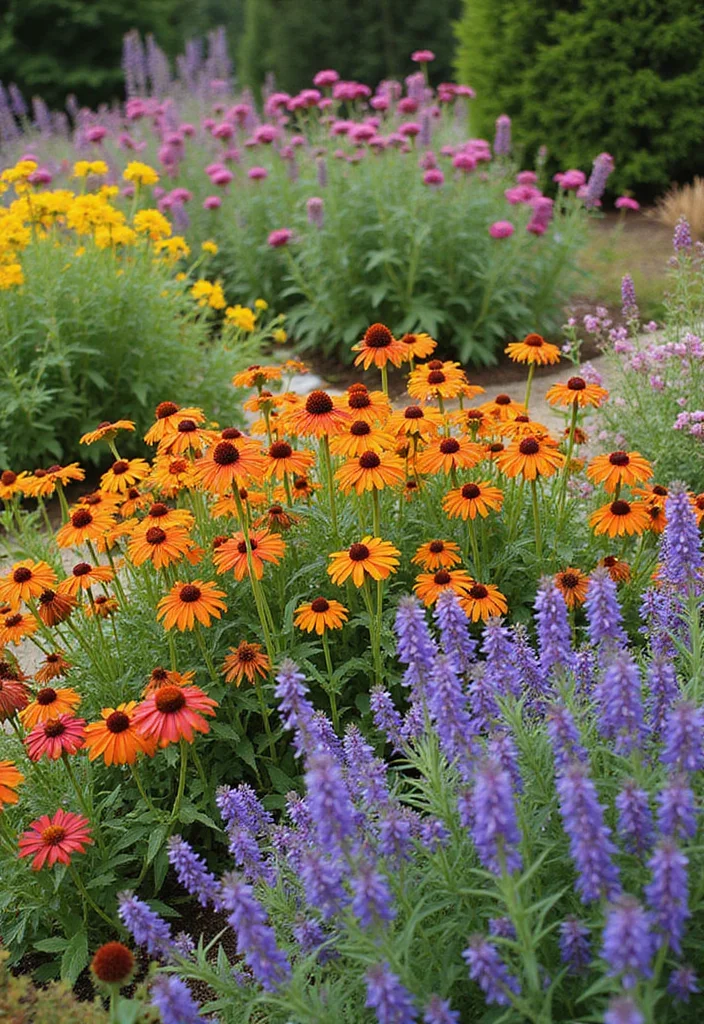
Perennials are an excellent way to ensure your garden stays colorful throughout the seasons with minimal effort. Drought-resistant perennials like coneflowers, blanket flowers, and salvia can thrive even in Texas heat, providing reliable beauty year after year. These plants return each season, ensuring your garden remains vibrant and interesting.
When planting perennials, group them by color for a stunning display and layer taller perennials behind shorter ones for depth. Consider bloom times to extend your garden’s color throughout the year. By incorporating perennials into your landscaping, you create a stunning, sustainable garden that brings joy season after season.
• Group by color for a stunning visual effect.
• Layer heights for depth and interest.
• Plan for bloom times to extend color.
• Choose drought-resistant varieties for success.
Adding perennials can ensure your garden remains a vibrant and joyful place all year long.
14. Create a Pollinator-Friendly Garden
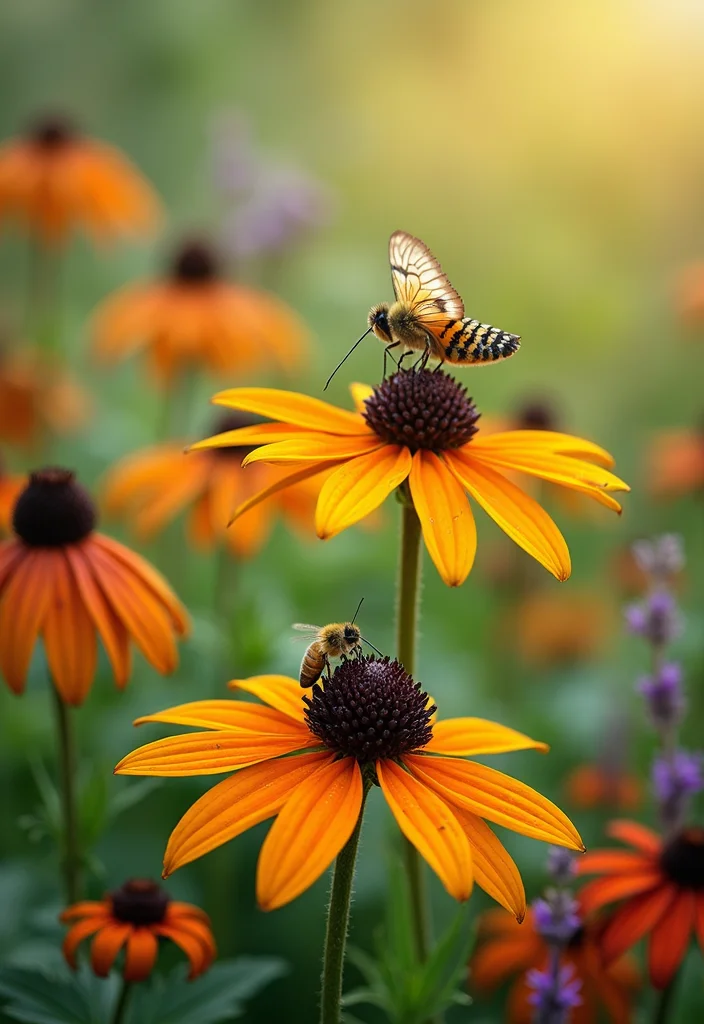
Designing a pollinator-friendly garden is a fantastic way to support local wildlife while enhancing your gardening efforts. By adding plants that attract bees, butterflies, and hummingbirds, you boost pollination and create a lively environment. Including a variety of flowering plants throughout the growing season ensures continuous food sources for these important creatures.
Incorporate plants like milkweed for monarchs, black-eyed Susans for bees, and salvias for hummingbirds. This not only benefits pollinators but also enriches your garden’s beauty with vibrant colors and movement. By creating a space for pollinators, you contribute to the ecosystem while enjoying a colorful garden that buzzes with life.
• Include milkweed to attract monarch butterflies.
• Plant black-eyed Susans for bee support.
• Add salvias to draw in hummingbirds.
• Ensure a variety of blooms for continuous food sources.
A pollinator-friendly garden will create a lively atmosphere while supporting the local ecosystem.
15. Incorporate Outdoor Furniture
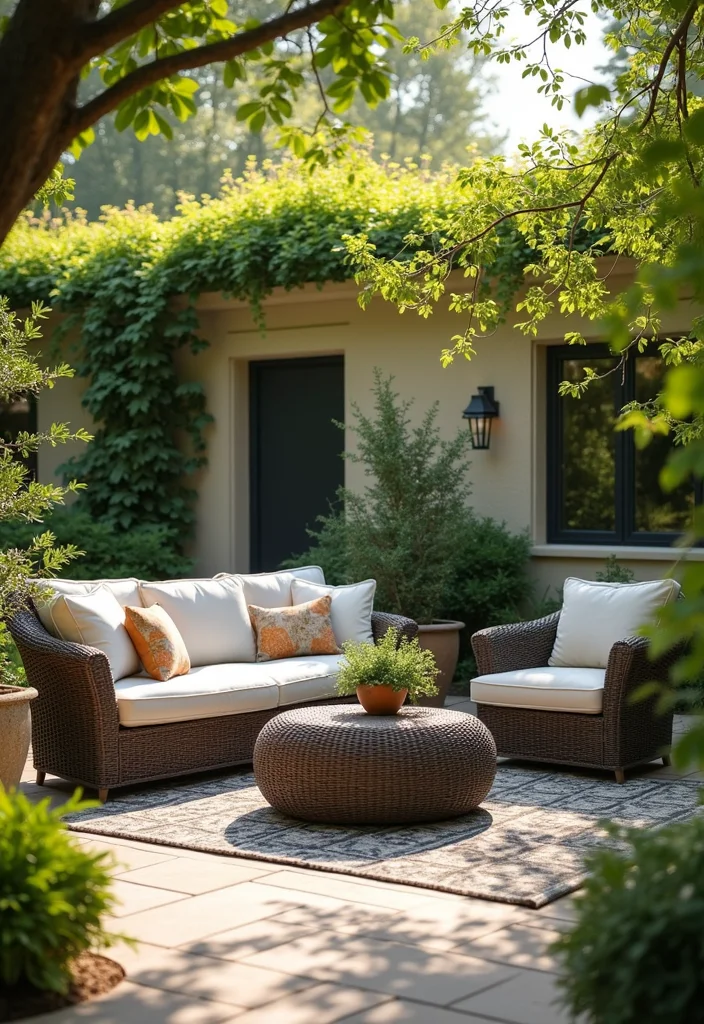
No garden is complete without a cozy spot to relax, and outdoor furniture can help create that inviting atmosphere. Choose weather-resistant materials like teak or aluminum that can withstand the Texas sun. Think about how you plan to use your space, whether for family gatherings, quiet reading, or entertaining friends.
When selecting outdoor furniture, opt for multi-functional pieces, such as storage benches or tables. Arrange seating to encourage conversation and connection with family and friends. Adding cushions and throws can enhance comfort and add color to your space. By incorporating furniture, you transform your garden into an oasis where you can unwind and enjoy nature.
• Choose weather-resistant materials for durability.
• Opt for multi-functional furniture for versatility.
• Arrange seating for socializing and comfort.
• Add cushions for extra comfort and style.
Outdoor furniture can create a welcoming space in your garden where you can enjoy the beauty of your surroundings.
16. Planting for Privacy
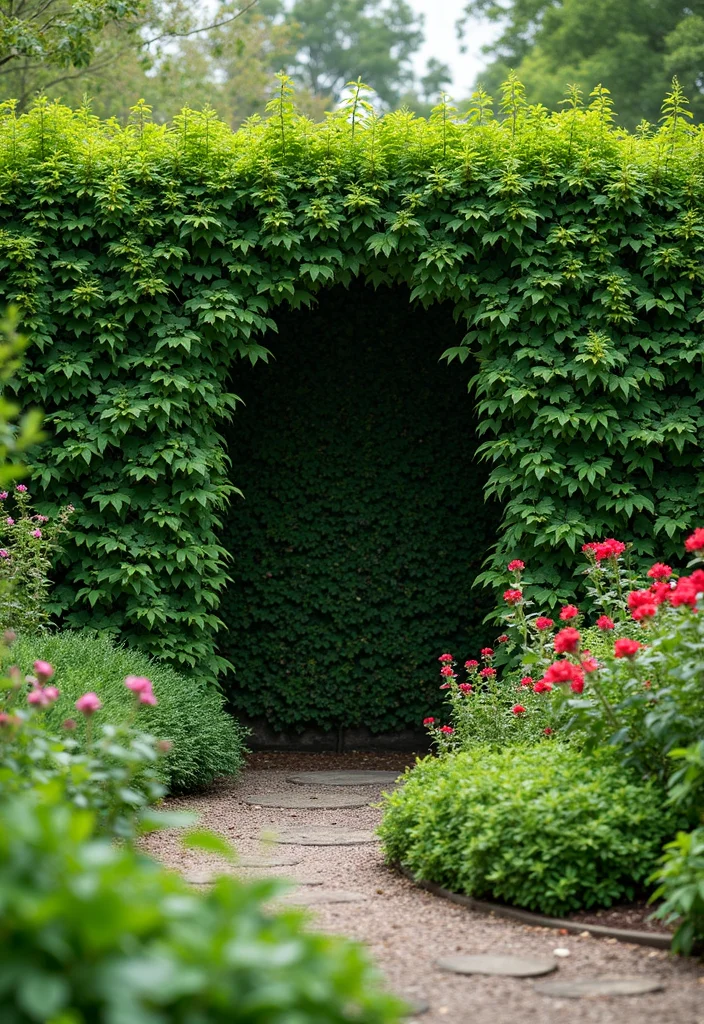
Creating privacy in your outdoor space can be achieved through smart planting techniques. Use tall shrubs, trees, or trellises with climbing vines to create natural barriers that shield your yard from neighbors. Fast-growing options like bamboo or privet can provide quick coverage, while slower-growing plants offer a more permanent solution.
For a natural look, layer different heights of plants. Consider choosing evergreen varieties for year-round privacy and mixing textures to add visual interest. Thoughtful privacy planting not only creates a sense of sanctuary but also enhances your garden’s beauty, making your space feel more intimate.
• Layer plants of different heights for natural beauty.
• Choose evergreens for year-round coverage.
• Mix plant textures for added interest.
• Use fast-growing options for quick privacy.
By planting for privacy, you can create a tranquil retreat in your garden while enhancing its overall appeal.
17. Create a Seasonal Garden
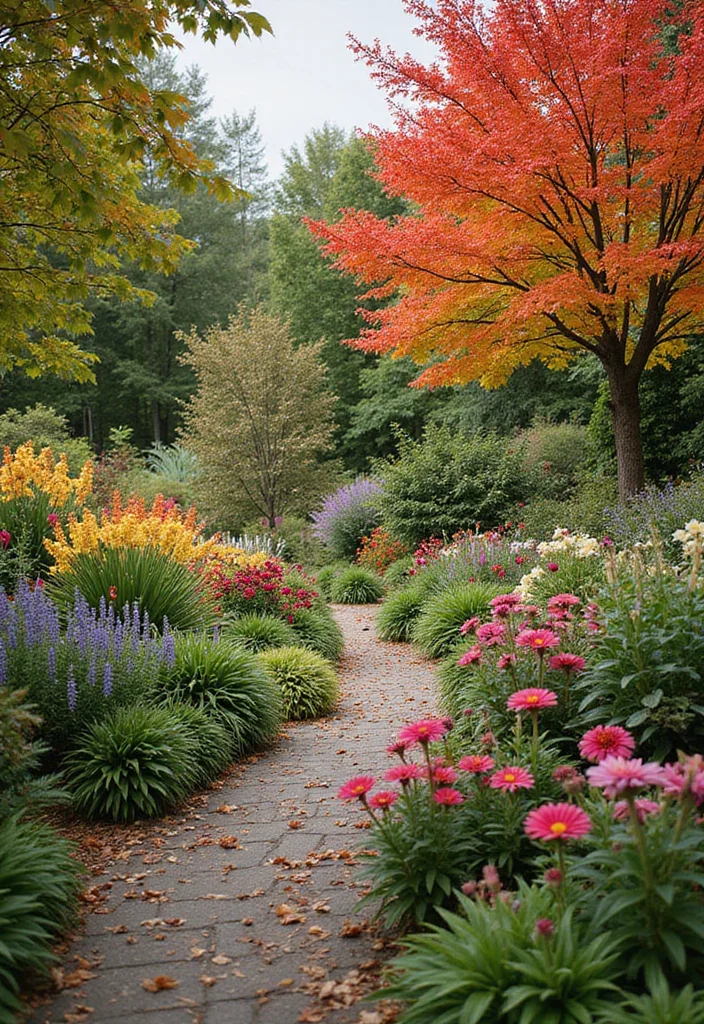
A seasonal garden brings exciting changes in color and texture throughout the year. Choose plants that bloom in different seasons, such as spring bulbs, summer perennials, and fall foliage for year-round interest. Incorporate evergreens to ensure there’s something beautiful to appreciate even in winter.
Plan for continuous blooms by mixing early and late bloomers, and use seasonal decorations that complement the changing colors. Rotating plants each year can keep your garden fresh and engaging. A seasonal garden keeps your outdoor space lively and captivating, reflecting the beauty of each season.
• Mix early and late bloomers for continuous color.
• Use seasonal decorations to enhance the theme.
• Rotate plants annually for freshness.
• Incorporate evergreens for winter interest.
A seasonal garden can create a dynamic and beautiful landscape that delights you throughout the year.
Conclusion
With these 17 southern-style inspirations, you can elevate your Texas garden into a drought-resistant paradise full of beauty and practicality.
Each idea provides a unique way to express your personality while addressing the challenges of gardening in the Texas climate.
So gather your tools, get inspired, and remember that a beautiful garden is just a few creative ideas away.
Frequently Asked Questions
What are some effective drought-resistant plants for Texas landscaping?
If you’re looking to make your garden more resilient to the Texas heat, consider incorporating drought-resistant plants like agave, lantana, and salvia. These plants not only thrive in dry conditions but also add stunning colors and textures to your landscape.
Be sure to group plants with similar water needs together, creating a sustainable garden that conserves water and requires less maintenance.
How can I design a southern-style garden that withstands Texas heat?
Designing a southern-style garden in Texas revolves around choosing the right plants and layout. Start by selecting native and drought-tolerant species that are well-adapted to the local climate. Incorporate hardscaping elements like stone pathways and patios to provide shade and reduce water usage.
Incorporate decorative features like outdoor decor and seating areas to create inviting spaces for relaxation and enjoyment.
What are some tips for maintaining a drought-resistant garden in Texas?
Maintaining a drought-resistant garden in Texas involves smart watering practices and regular care. Water deeply but infrequently to encourage deep root growth. Mulching around plants helps retain moisture and reduces weed competition.
Consider using drip irrigation systems for efficient watering, and always take the time to observe your plants for signs of stress. With these tips, your garden can flourish even in the heat!
How can I enhance outdoor decor in my Texas garden?
Enhancing outdoor decor in your Texas garden can be as simple as adding colorful pots, sculptures, or decorative stones. Consider using local materials that reflect the natural beauty of the region. Create focal points with water features or seating areas that invite relaxation and enjoyment.
Don’t forget to integrate functional decor, such as birdhouses or feeders, which can attract local wildlife and add life to your garden.
What are some design inspirations for a Texas landscape?
When it comes to Texas landscape design, think of the unique beauty of the Southern style. Look for inspirations such as native wildflower gardens, rustic pathways, and courtyards filled with native plants. Incorporating elements like stone walls and arbors can add character and charm to your space.
Don’t hesitate to explore various themes that reflect your personal style while staying true to the local climate and landscape.