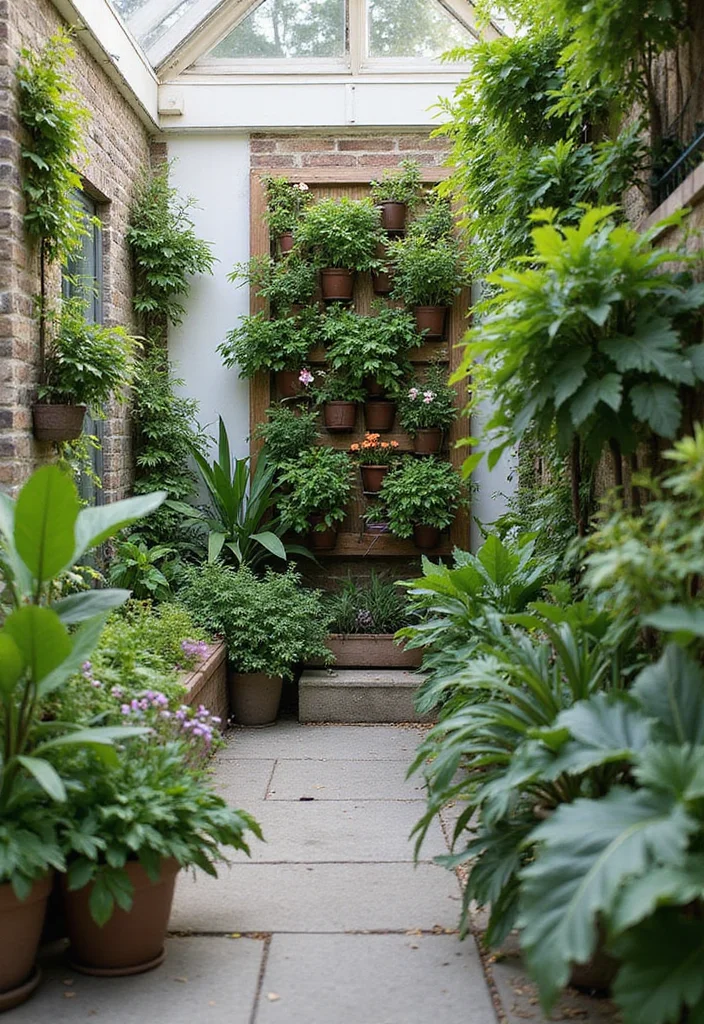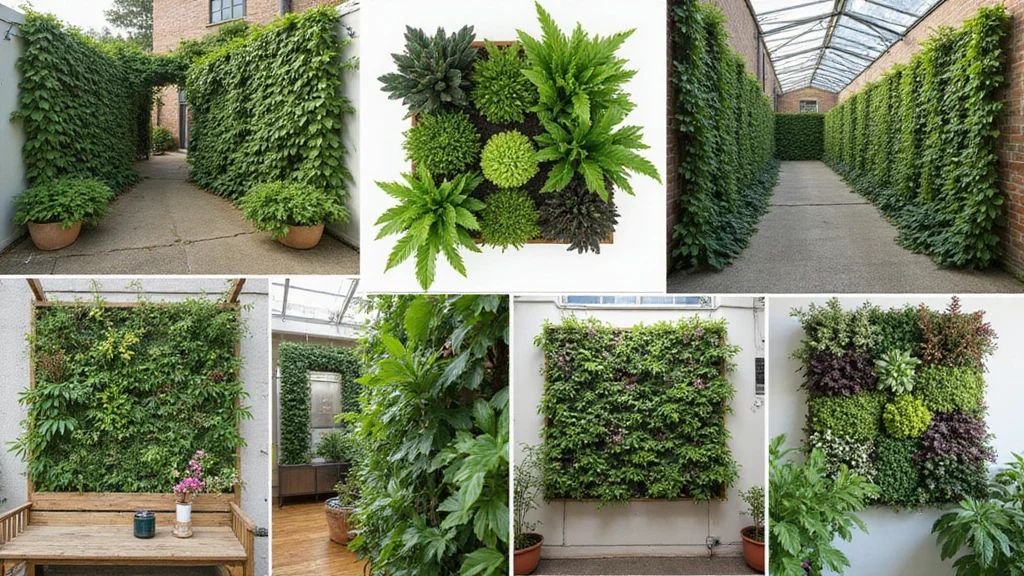
Are you dreaming of a lush garden but feel limited by space? You’re not alone. Many of us long for a piece of nature at home, yet struggle with small yards or even balconies. That’s why I put together this guide on garden layout ideas—specifically focusing on vertical gardening solutions that make the most of tight spaces.
If you’re someone who loves gardening but feels stuck, this post is for you. Whether you’re a seasoned green thumb or just starting out, you’ll find tips and tricks that cater to your passion for plants. You’ll be inspired to think outside the box and discover how to transform even the smallest nook into a green oasis.
In this practical guide, you’ll uncover 20 well-structured layout inspirations that will help you maximize your space. From stacked planters to hanging baskets, each idea aims to elevate your gardening game while making it easy and fun. You’ll also find valuable insights on garden planning tips, flower bed ideas, and creative small garden solutions that fit your unique style.
By the end of this post, you’ll have a treasure trove of ideas at your fingertips to design your dream garden. Let’s dig in and start turning your small space into a vertical wonderland!
Key Takeaways
– Discover 20 unique vertical garden layouts that fit small spaces, such as tall planters and wall-mounted herb gardens.
– Learn to utilize vertical trellises for climbing vegetables, maximizing your growing area without occupying much ground.
– Explore how hanging baskets can create a vibrant floral display, adding color and life to your garden.
– Get inspired by eco-friendly ideas, including recycled materials that can transform your garden into a charming retreat.
– Find tips on creating edible vertical gardens, allowing you to grow fresh produce even in the tightest spots.
1. Stacked Planters: Vertical Vegetable Magic
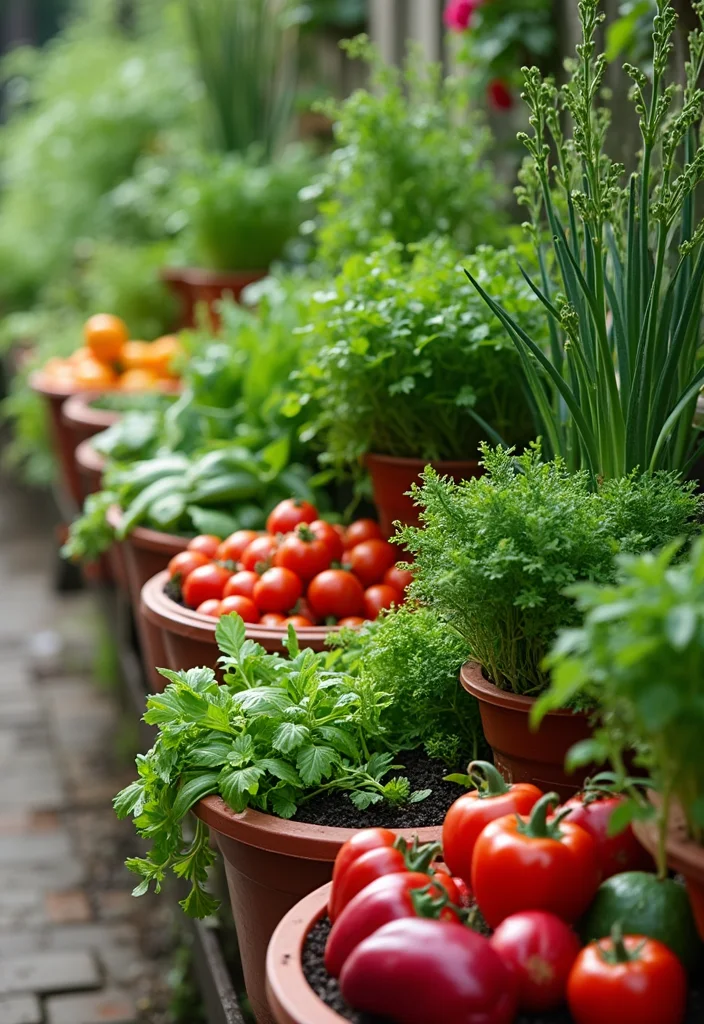
Stacked planters are a brilliant solution for small spaces and provide a fun way to grow your own vegetables. Picture a tiered design where each level grows different herbs or veggies, allowing you to maximize your gardening potential. You might use colorful pots made from recycled materials, arranged on a sturdy wooden ladder. This method is trending on platforms like Pinterest, making gardening both stylish and practical.
To get started, look for inexpensive materials that suit your budget. Consider using wooden crates or repurposed pallets to build your structure. Place leafy greens in the middle for easy access, while root vegetables can thrive in the bottom tier. This arrangement makes your garden not just productive, but also visually appealing, perfect for enjoying fresh produce in your meals.
• Use colorful pots for a vibrant look
• Arrange herbs and veggies by height
• Consider recycled materials for eco-friendliness
• Add drainage holes for healthy roots
Your stacked planters can become a beautiful centerpiece, adding both style and nourishment to your garden.
2. Wall-Mounted Herb Garden: Flavor at Your Fingertips

Turn a plain wall into a lively herb garden that brings fresh flavors right to your kitchen. A wall-mounted herb garden is perfect for maximizing vertical space while adding a touch of greenery to your home. You can create this using simple items like wall pockets or old pallets, arranging popular herbs like basil and mint for easy access during cooking.
To keep costs down, look for DIY solutions at thrift stores or craft shops. Ensure your chosen herbs get enough sunlight by placing them in a sunny spot. Use lightweight potting mix to avoid weighing down your wall. This easy setup not only brightens your space but also inspires you to explore new recipes with fresh ingredients.
• Use wall pockets for a stylish display
• Choose sun-loving herbs for best growth
• Opt for light potting mix to avoid damage
• Keep watering balanced for healthy plants
Your wall-mounted herb garden will not only look stunning but also make cooking more enjoyable with fresh flavors at your fingertips.
3. Vertical Trellis Garden: Climbing to New Heights
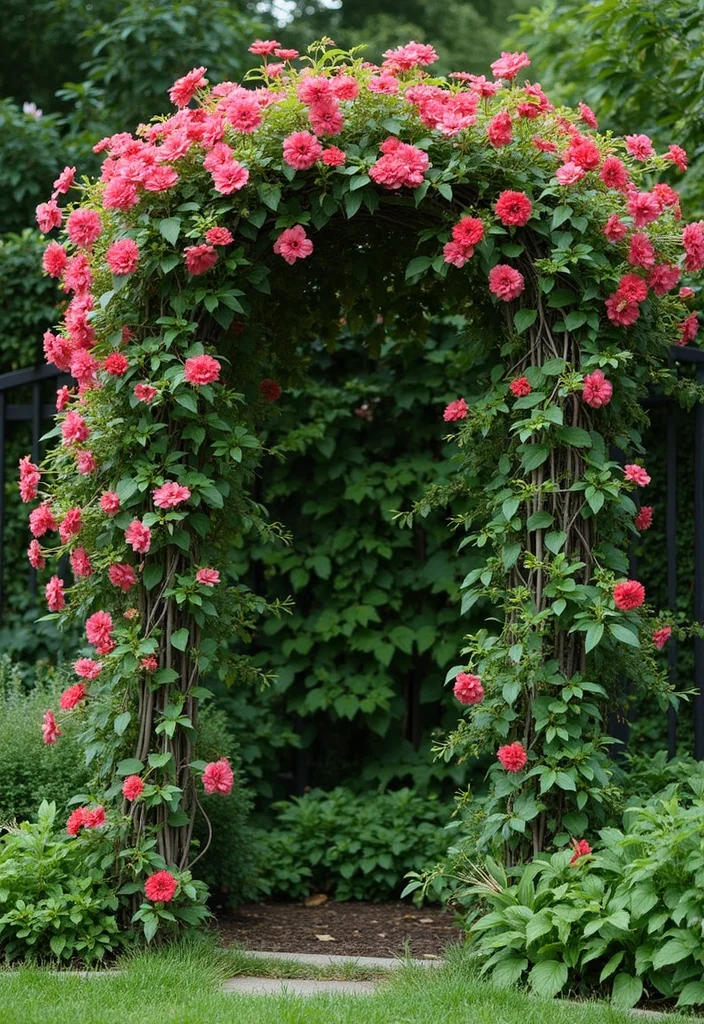
A vertical trellis garden opens up exciting possibilities for growing a variety of plants without taking up too much space. Imagine climbing plants like peas or flowering vines reaching towards the sky, creating a beautiful display. By securing a trellis against a wall or fence, you can enhance your garden’s aesthetics while providing shade or privacy as your plants grow.
For successful implementation, choose a sturdy trellis that can support your plants. Pair it with pots at the base for a layered effect, mixing climbing plants with colorful flowers. Regular pruning will help keep everything neat and healthy. This setup can transform your garden into a lush retreat, adding depth and character to your outdoor space.
• Install a sturdy trellis for support
• Pair with colorful base pots for variety
• Plan for sunlight needs of climbing plants
• Regularly prune to maintain health
A vertical trellis garden can become a stunning focal point, inviting admiration from all who pass by.
4. Hanging Baskets: A Floral Dream
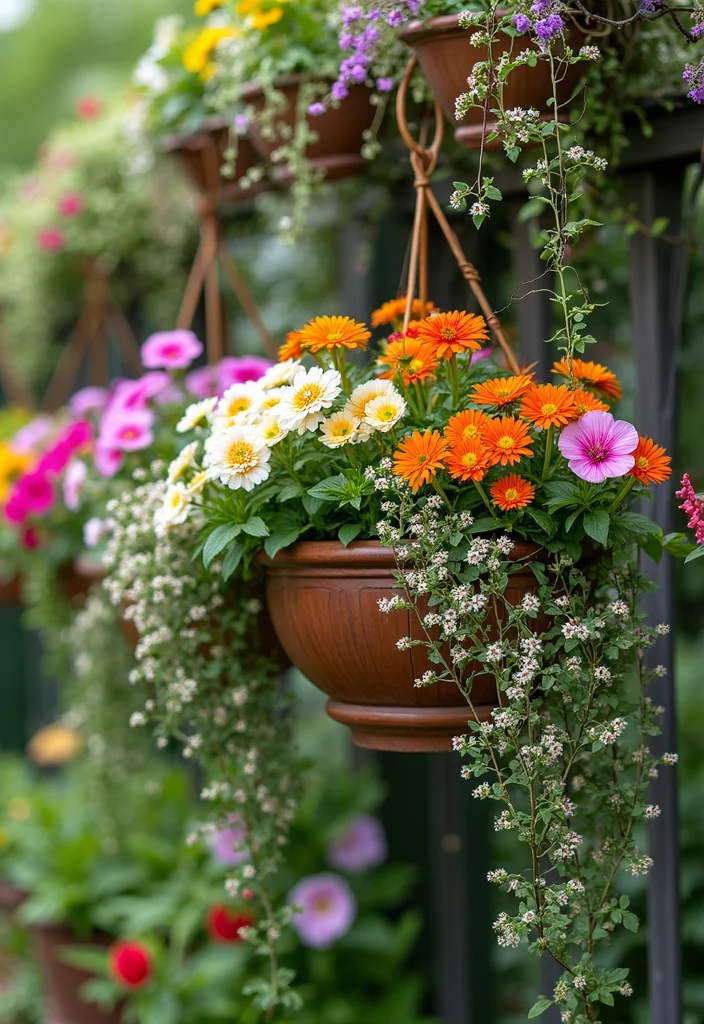
Hanging baskets can add layers of beauty and color to your garden, creating a delightful visual display. Picture vibrant flowers cascading over the edges or trailing vines that draw the eye upward. You can hang these baskets from hooks or balcony railings, making them perfect for small spaces while showcasing your favorite plants.
Choose plants that complement each other, ensuring they share similar sunlight and watering needs. Mixing colorful flowers with herbs like strawberries adds both beauty and flavor. Don’t hesitate to experiment with different combinations for a truly unique touch. This setup can transform your garden into a lively retreat, perfect for relaxation and enjoyment.
• Choose trailing plants for dramatic effects
• Mix flowers and herbs for variety
• Ensure similar care needs for plants
• Hang from sturdy supports for safety
Your hanging baskets will bring a burst of color and charm to your garden, making it a delightful place to spend time.
5. Tiered Gardening Beds: Levels of Abundance
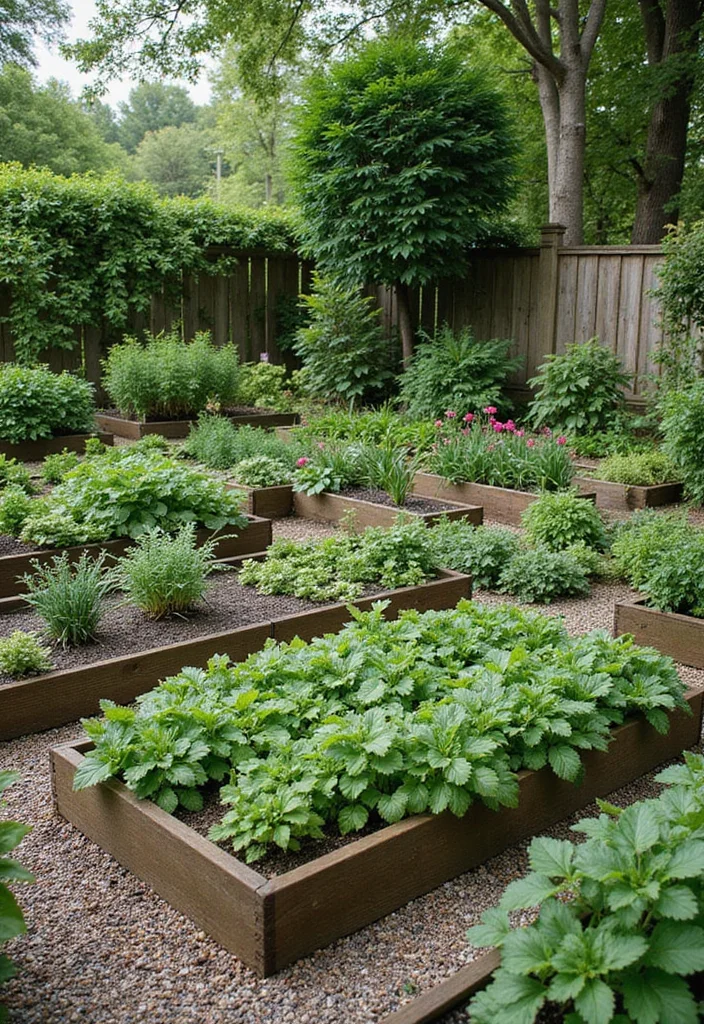
Creating tiered gardening beds is an excellent way to maximize planting area while adding visual interest to your garden. These beds can be made from wood, stone, or bricks, allowing you to segregate plants based on height and sunlight needs. Imagine tall sunflowers at the top, gradually transitioning to shade-loving herbs at the bottom, creating a diverse planting ecosystem.
For budget-friendly options, consider using reclaimed wood or stones from your yard. Position your beds to follow the sun for optimal growth. This layout not only looks organized but also allows for better drainage and soil management. You’ll enjoy a productive garden that’s both functional and beautiful.
• Build with reclaimed materials
• Position for optimal sunlight
• Plan for drainage to keep plants healthy
• Mix plants by height for diversity
Your tiered gardening beds will become a stunning centerpiece, showcasing your plants in a structured yet beautiful manner.
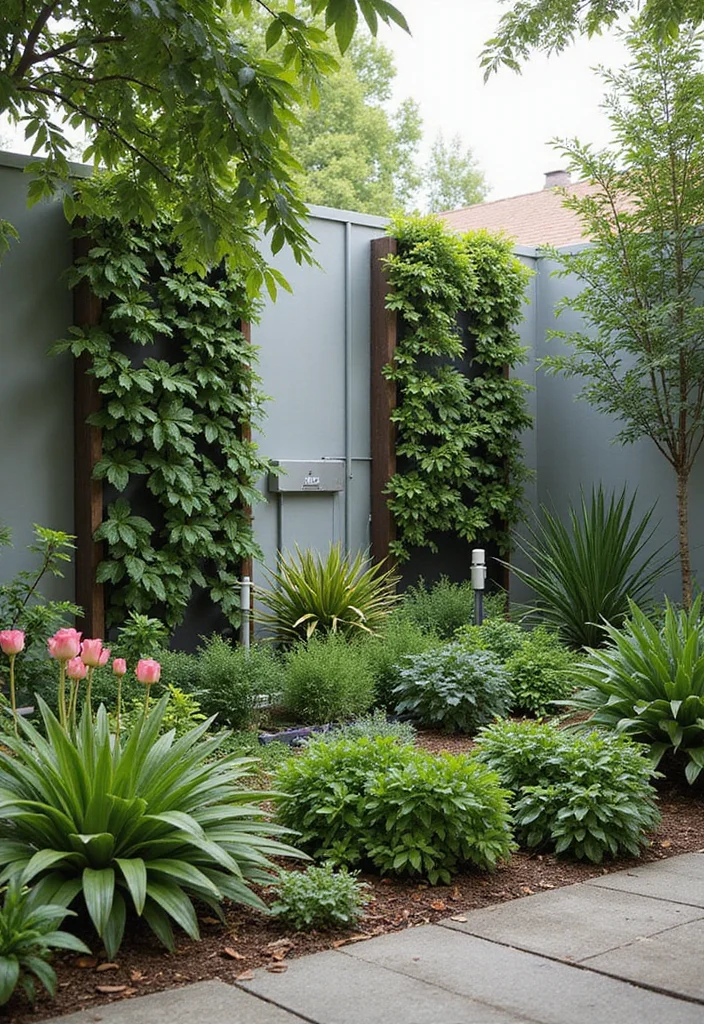
6. Vertical Garden Panels: A Modern Touch
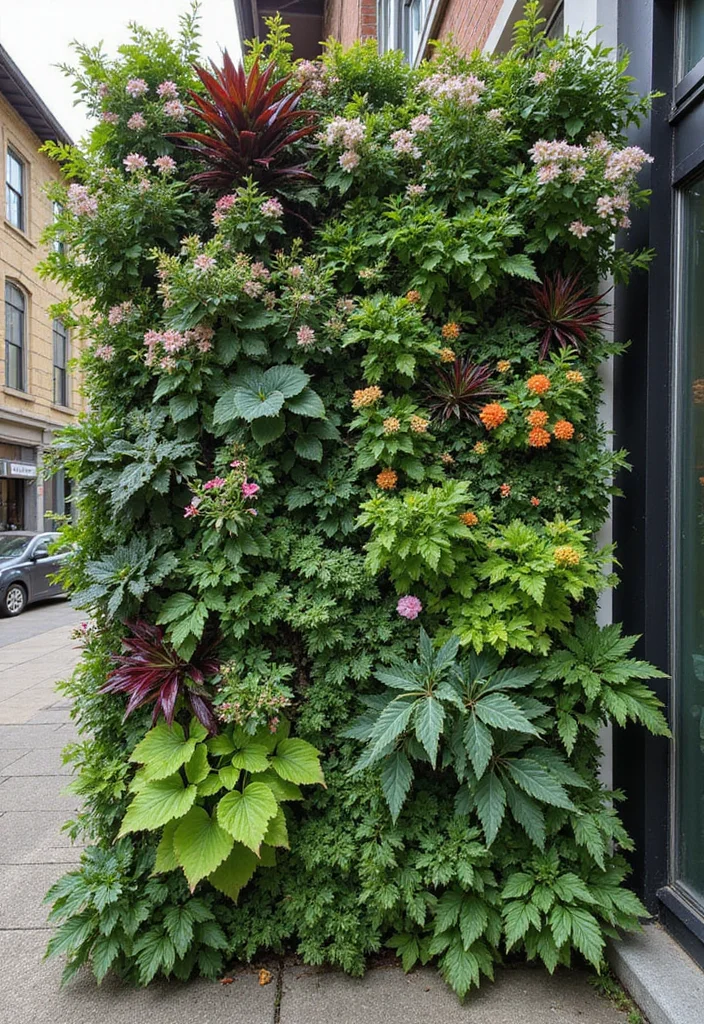
Vertical garden panels provide a fresh way to incorporate plants into your small space, creating a lush green wall. These panels can be attached to fences or walls, and they come in various styles to suit your needs. By selecting a mix of plants like succulents and ferns, you can design a beautiful living canvas that enhances your environment.
When setting up your panels, ensure they have a proper irrigation system to keep your plants healthy. Regular maintenance is key, so check for pests and rotate plants if sunlight isn’t evenly distributed. This approach can turn any dull wall into a thriving piece of art, adding life to your surroundings.
• Choose varied plant types for texture
• Install an irrigation system for easy care
• Rotate plants for even sunlight exposure
• Regularly check for pests to maintain health
Your vertical garden panels can add a modern and vibrant touch to your space, transforming it into a green paradise.
7. Mirror Garden Illusion: Expanding Space
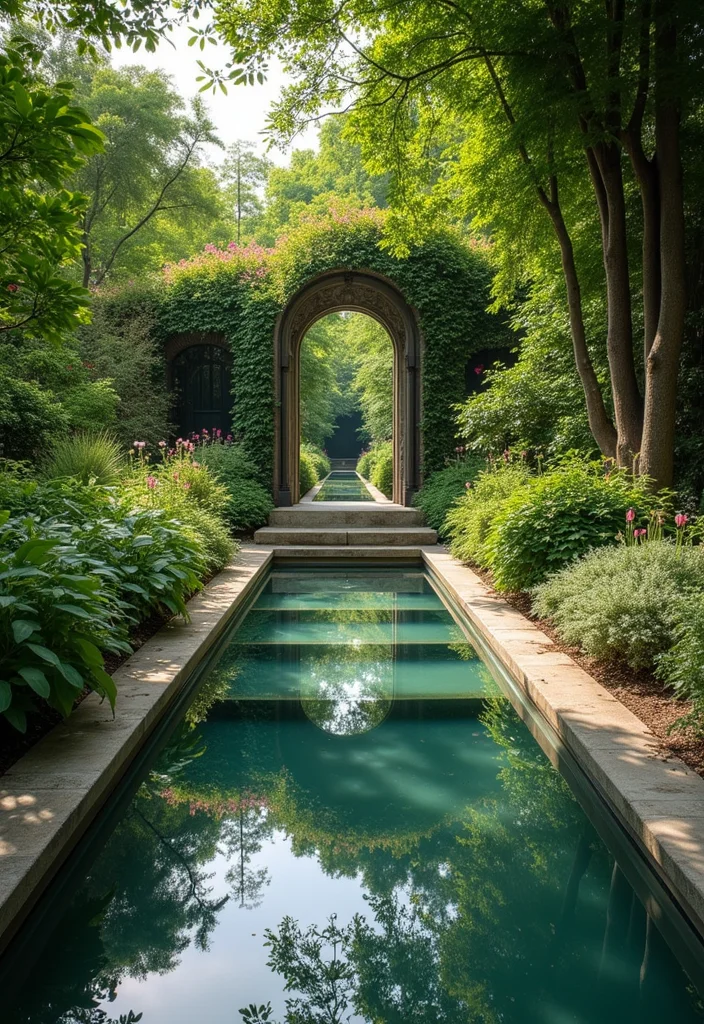
Mirrors can create the illusion of a larger garden by reflecting its beauty in clever ways. By placing mirrors strategically around your garden, you can enhance the visual space and draw attention to your favorite plants. This trick works wonders in small gardens or balconies, allowing you to enjoy a more expansive feel.
Consider using framed mirrors that complement your garden’s style. Hang them near flowering plants or behind trellises to reflect the greenery. Make sure they are securely mounted so they withstand the outdoor elements. This creative approach can add depth and a touch of magic to your outdoor area.
• Hang mirrors at varying heights for interest
• Choose frames that match your style
• Keep mirrors clean for best reflection
• Securely mount for outdoor durability
Incorporating mirrors into your garden layout can dramatically enhance its beauty, making it feel larger and more inviting.
8. DIY Vertical Pallet Garden: Rustic Charm
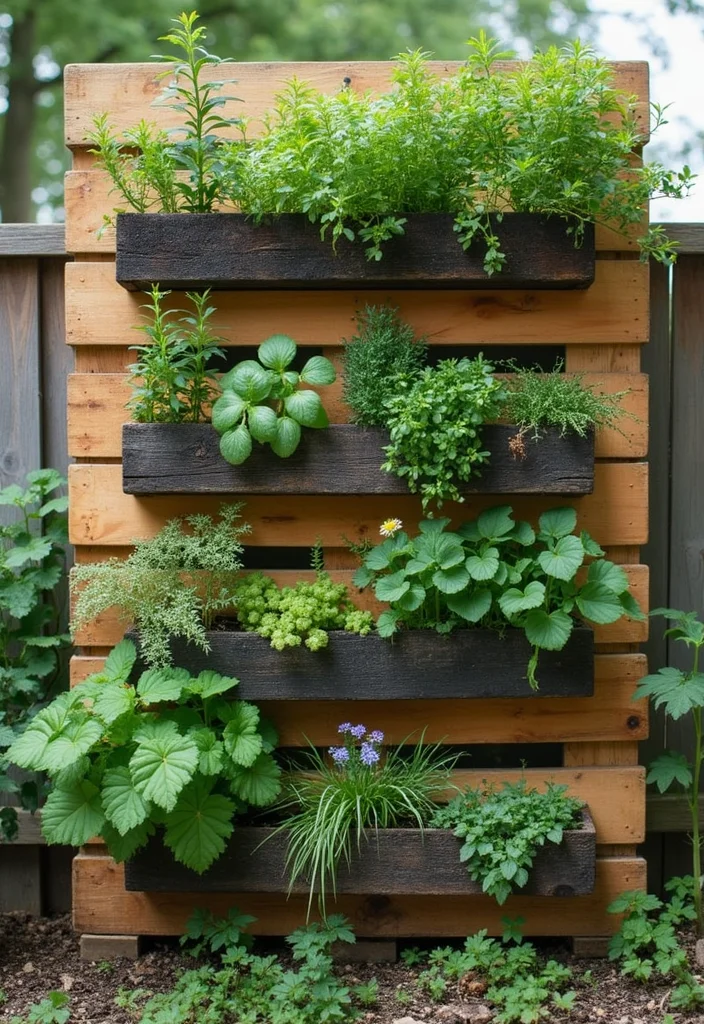
Creating a DIY vertical pallet garden is an enjoyable and eco-friendly project that brings rustic charm to your space. You can transform old pallets into vertical gardening systems, perfect for planting flowers, herbs, or even vegetables. Start by cleaning the pallets and adding landscape fabric to keep soil in place for a neat look.
Fill the pallets with potting mix and your favorite plants. You can hang them or use them as free-standing displays in your garden. This approach is budget-friendly and allows for creative expression. With a bit of effort, your pallet garden can become a charming focal point that showcases your love for gardening.
• Clean and sand pallets for safety
• Use landscape fabric to retain soil
• Fill with easy-to-grow herbs for convenience
• Experiment with colorful flowers for beauty
Your DIY vertical pallet garden will not only be functional but also a unique representation of your gardening style.
9. Vertical Hydroponic Garden: Soil-Free Success
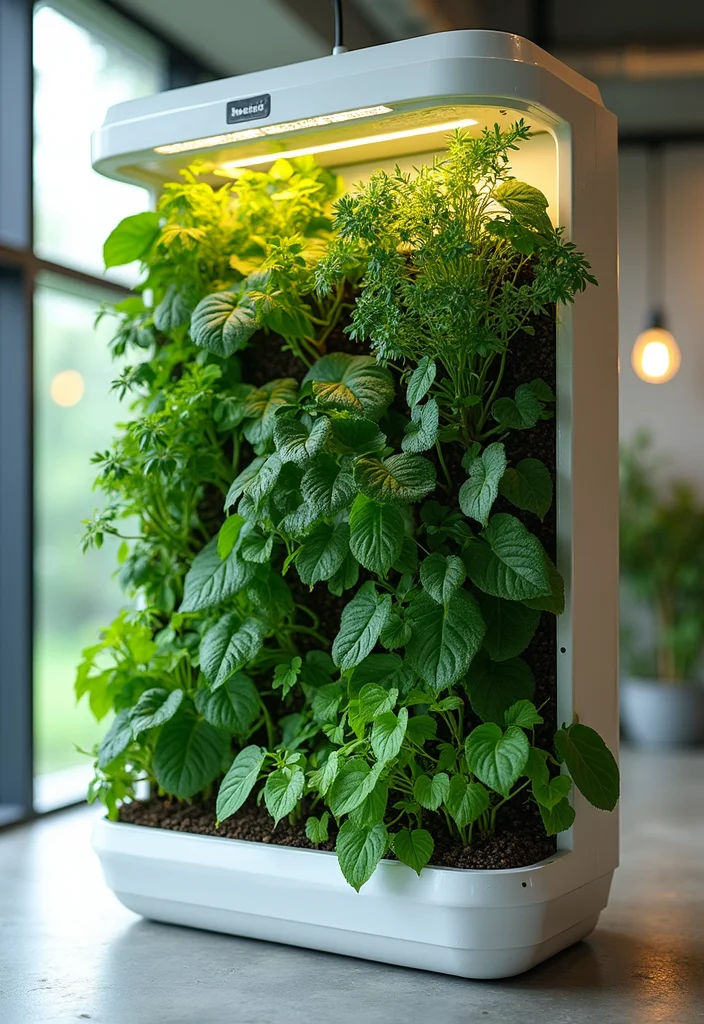
For modern gardeners, a vertical hydroponic garden offers a fascinating way to grow plants without soil. This method uses nutrient-rich water, making it perfect for small spaces where traditional gardening may not fit. You can design a vertical hydroponic system using pipes or containers, allowing plants to thrive in a sustainable way.
Choose leafy greens and herbs that do well in hydroponic setups. Regularly monitor the water’s pH and ensure adequate lighting for growth. This method not only saves space but also lets you enjoy fresh produce right at home, enhancing your self-sufficiency.
• Monitor pH levels for healthy growth
• Ensure adequate lighting for plants
• Rotate crops to maintain nutrient levels
• Choose leafy greens for easy success
A vertical hydroponic garden can be a rewarding experience, providing fresh food while being a space-saving solution.
10. Container Gardens: Versatile and Space-Saving
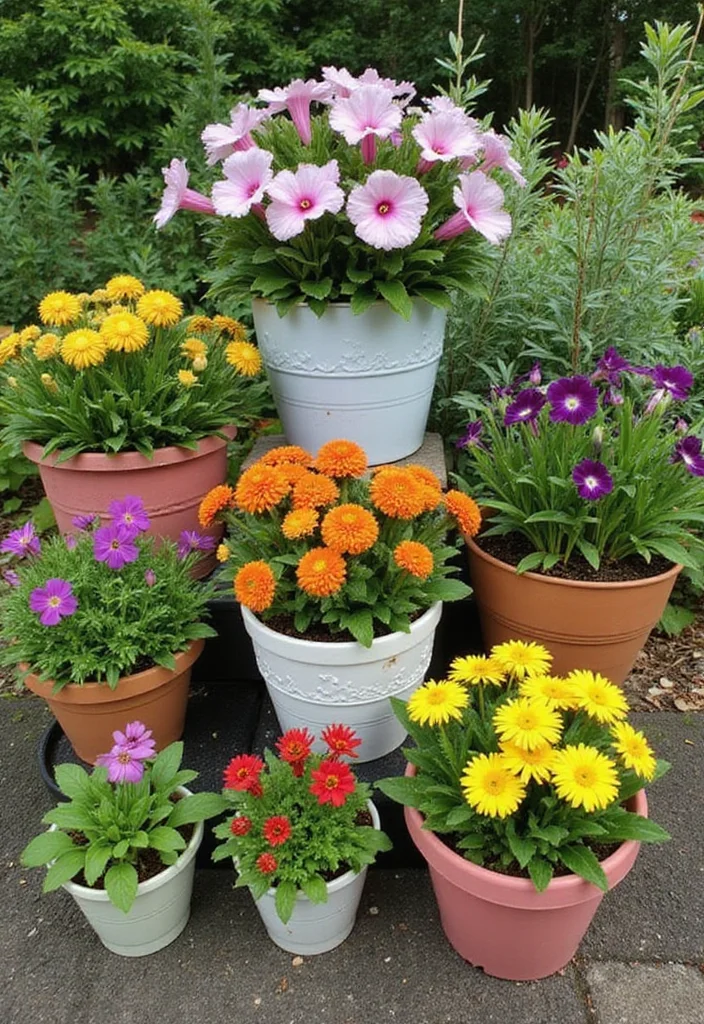
Container gardening is a flexible and creative way to grow a variety of plants in limited spaces. You can use pots, barrels, or even repurposed items to cultivate flowers, herbs, and vegetables. This method allows you to customize your garden layout based on your preferences and available space.
Group containers of different heights to add visual interest to your garden. Consider using wheeled containers for easy mobility, allowing you to rearrange your garden with the seasons. This adaptability makes container gardening an exciting option for any gardener.
• Use quality potting soil for healthy plants
• Check for drainage regularly to avoid water issues
• Mix and match plant types for diversity
• Position containers for optimal sunlight exposure
With container gardening, you can create a lush and vibrant space that reflects your creativity.
11. Recycled Materials Garden: Eco-Friendly Chic
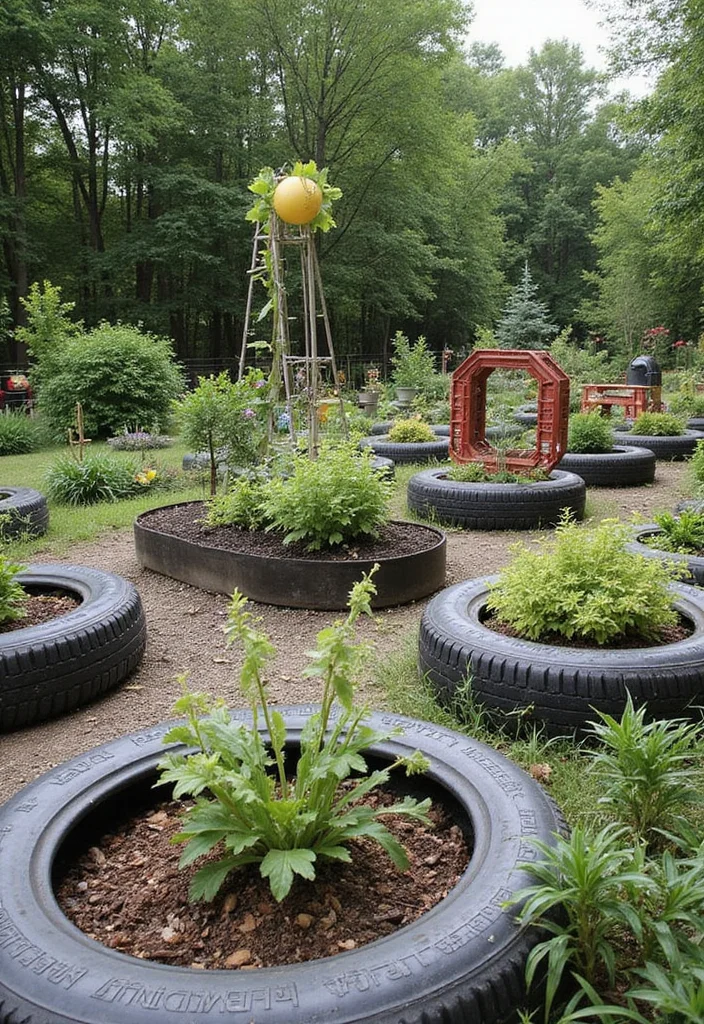
Using recycled materials in your garden is a fantastic way to be eco-friendly while adding unique touches. Items like old tires, bottles, and crates can be repurposed into charming planters or garden decor. For example, painting tires in bright colors and stacking them can create a playful flower bed that stands out.
Consider cutting plastic bottles to create vertical planters that can hang or attach to walls. This not only maximizes space but also makes for a creative garden that sparks conversation. Embrace your artistic side while helping the environment with these fun ideas.
• Paint old tires for colorful planters
• Cut bottles for unique vertical planters
• Use wooden crates for rustic shelves
• Repurpose furniture for plant stands
An eco-friendly garden showcases your creativity and helps promote sustainability, turning discarded items into treasures.
12. Gutter Gardens: A Unique Vertical Solution
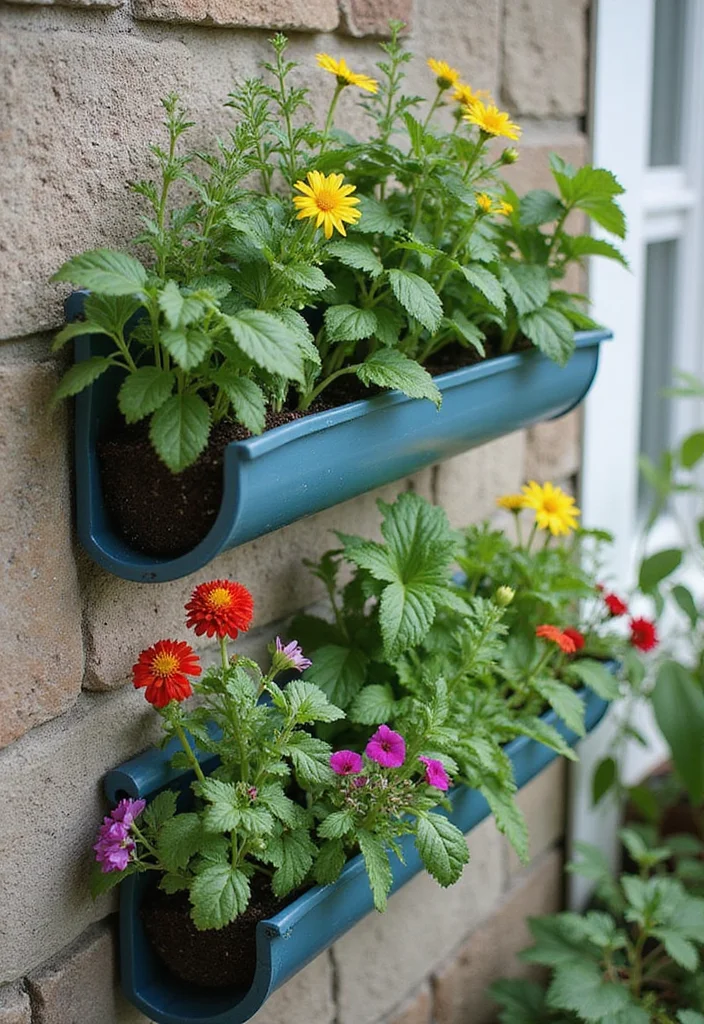
Transforming old gutters into planters is an innovative way to create vertical gardens. These narrow containers can be mounted on walls or fences, ideal for growing herbs, strawberries, or small flowers. Gutters allow for excellent drainage and can be slightly tilted to ensure water reaches your plants’ roots.
Paint your gutters to match your garden’s aesthetic or leave them to weather naturally for a rustic appearance. When installing, secure them at a slight angle for optimal drainage and line the bottoms with landscape fabric to hold soil in place. This fun and functional approach makes gardening accessible and enjoyable.
• Secure gutters at a slight angle for drainage
• Line bottoms with landscape fabric to retain soil
• Choose shallow-rooted plants for success
• Paint for a personal touch in your garden
Gutter gardens offer a creative solution to space constraints, making them a delightful addition to any outdoor space.
13. Focus on Color: Vibrant Vertical Gardens
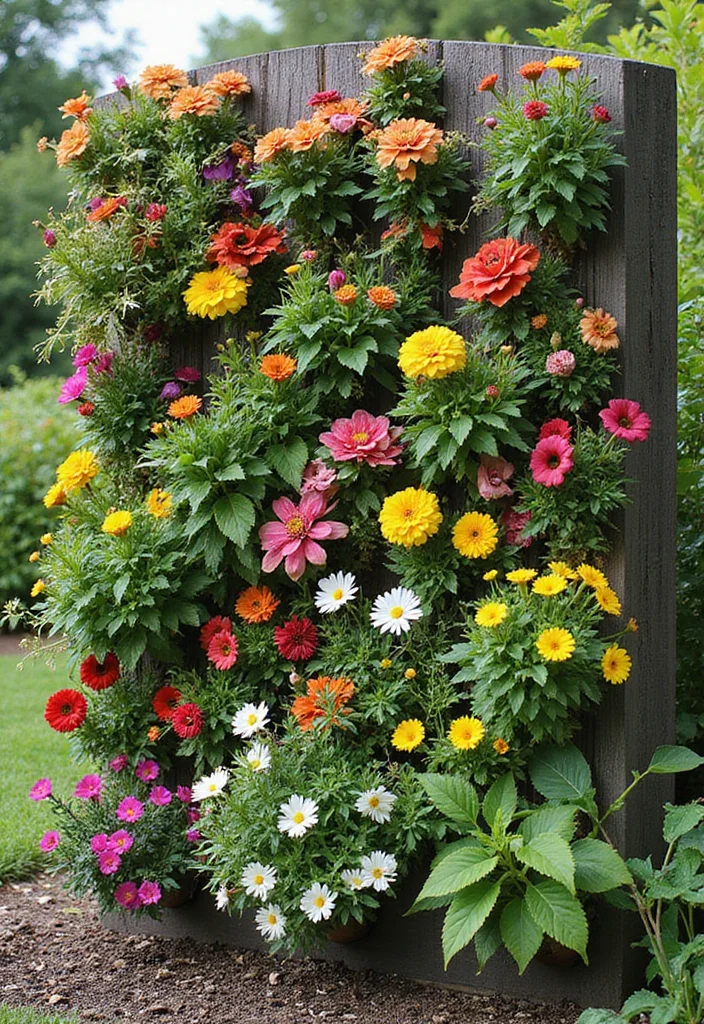
Adding color to your vertical garden can enhance its appeal and create a stunning visual experience. By combining flowering plants with lush foliage, you create a vibrant tapestry that draws the eye. Consider selecting a color scheme or contrasting colors for a bold effect, making your garden a lively focal point.
Bright flowers like marigolds paired with green vines create a cheerful atmosphere. This approach works well in container gardens, hanging baskets, or wall-mounted displays, offering endless possibilities for creativity. A well-planned color scheme can transform your garden into a favorite relaxation spot.
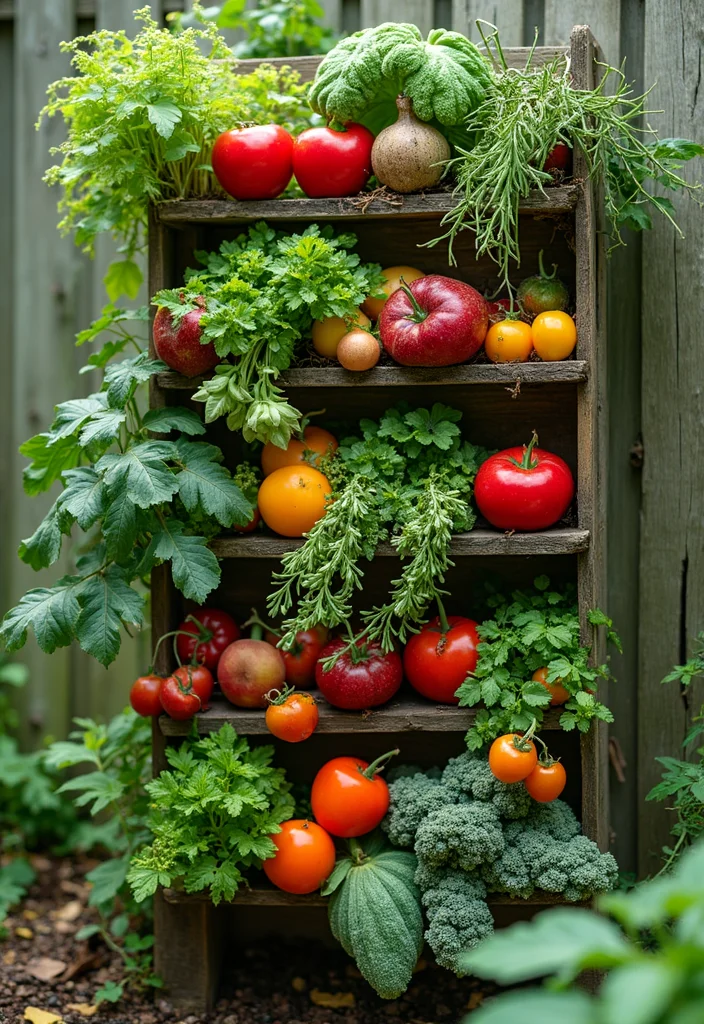
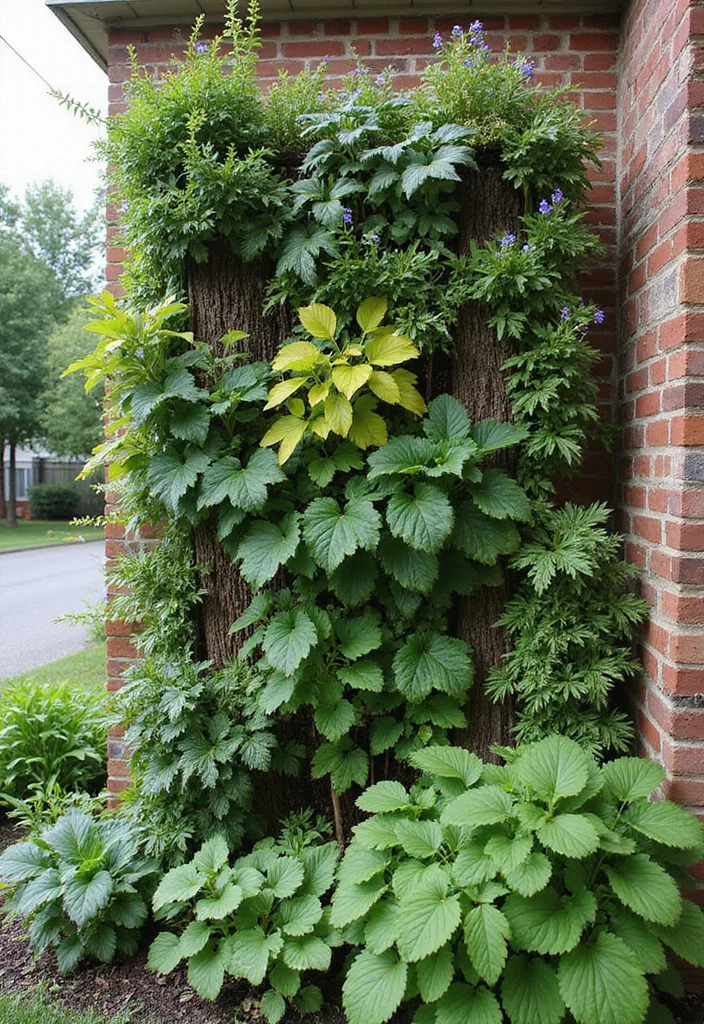
• Pair complementary colors for harmony Growing your own food is easier than ever with edible vertical gardens, perfect for those with limited space. This method allows you to cultivate fresh fruits, vegetables, and herbs right at home. You can use wall-mounted systems, railing planters, or hanging containers designed for strawberries and cherry tomatoes. Start with easy-to-grow herbs like basil and parsley in wall planters. Vertical systems are ideal for climbing plants like beans and peas that save space. Compact cultivars of lettuce and spinach work perfectly for small areas. Enjoy the satisfaction of growing your own food while enhancing your meals with fresh flavors. • Use wall-mounted planters for easy access Your edible vertical garden not only provides delicious produce but also offers the joy of nurturing your own food. Creating seasonal vertical displays keeps your garden fresh and exciting throughout the year. You can rotate plants to feature seasonal flowers or vegetables that thrive at different times. This practice ensures your vertical garden remains visually interesting and adapts beautifully to changing weather conditions. Consider planting spring bulbs, summer blooms, autumn veggies, and winter greens to keep your garden lively and colorful. This approach showcases your gardening skills and creativity while providing a dynamic outdoor space. Embrace the beauty of nature’s cycles with your seasonal displays. • Plant cool-weather crops for winter interest Vertical gardens can be both beautiful and functional, serving practical purposes in your outdoor space. For instance, they can act as natural privacy screens or windbreaks, enhancing your garden’s utility. By incorporating robust plants like jasmine or honeysuckle, you can create fragrant partitions while adding beauty to your garden. Position taller plants to block unwanted views and integrate trellises for support. Experiment with colors and textures to enhance the visual appeal of your garden while ensuring it meets your needs. This balanced approach adds both charm and practicality to your outdoor space. • Use dense plants for privacy Functional vertical gardens can elevate your outdoor experience, providing beauty and practicality all in one. Bringing art into your garden can infuse it with personality and creativity. Incorporate sculptures, decorative panels, or painted rocks alongside your vertical gardening solutions. Choose art that resonates with your style, whether whimsical or modern, to create a vibrant and immersive environment for your plants. Position these artistic elements strategically to draw attention to your plants and create a cohesive theme. This playful addition enhances the overall visual appeal of your garden, making it a unique space that reflects your personal touch. • Install sculptures for artistic contrast An outdoor green wall can transform any space into a living mural, offering beauty and environmental benefits. These structures house various plants in a vertical alignment, improving air quality and providing habitat for wildlife. Whether you build a permanent installation or choose modular systems, you can create a vibrant focal point that promotes sustainability. Select native plants that thrive in your climate to reduce maintenance and water usage. Implementing a drip irrigation system will help keep your plants healthy while minimizing waste. Regular care ensures your green wall remains flourishing and beautiful. • Choose native plants for low maintenance Designing a vertical garden that attracts wildlife is a rewarding way to support local ecosystems. By incorporating a variety of native flowers and plants, you can create a beautiful habitat for birds, butterflies, and beneficial insects. This not only enhances your garden’s aesthetic but also promotes biodiversity and life in your space. Incorporate vertical elements that provide food and shelter, such as berry bushes and flowering vines. This garden not only supports wildlife but also enriches your gardening experience, making it more vibrant and lively. • Use organic gardening methods for safety Integrating technology into your garden can make gardening more efficient and enjoyable. Smart garden solutions include automated watering systems, sensor-based lighting, and apps that help track plant growth. These tools are particularly useful for vertical gardens, where monitoring water and light needs can be challenging. Consider installing a smart drip irrigation system tailored to your garden’s needs. Utilize apps to keep track of your watering and fertilization schedules, ensuring your plants thrive. Adding technology to your gardening practices can enhance your experience while producing healthier plants. • Install a smart irrigation system for ease
• Incorporate various heights for visual depth
• Include unique foliage textures for interest
• Experiment with seasonal blooms for diversity14. Edible Vertical Gardens: Grow Your Own Food
• Incorporate climbing plants for vertical growth
• Choose compact varieties for limited space
• Rotate crops for optimal yields15. Seasonal Vertical Displays: Changing the Garden Story
• Transition to summer flowers as the season changes
• Integrate evergreens for year-round appeal
• Rotate plants for seasonal variety16. Functional Vertical Gardens: Beyond Aesthetics
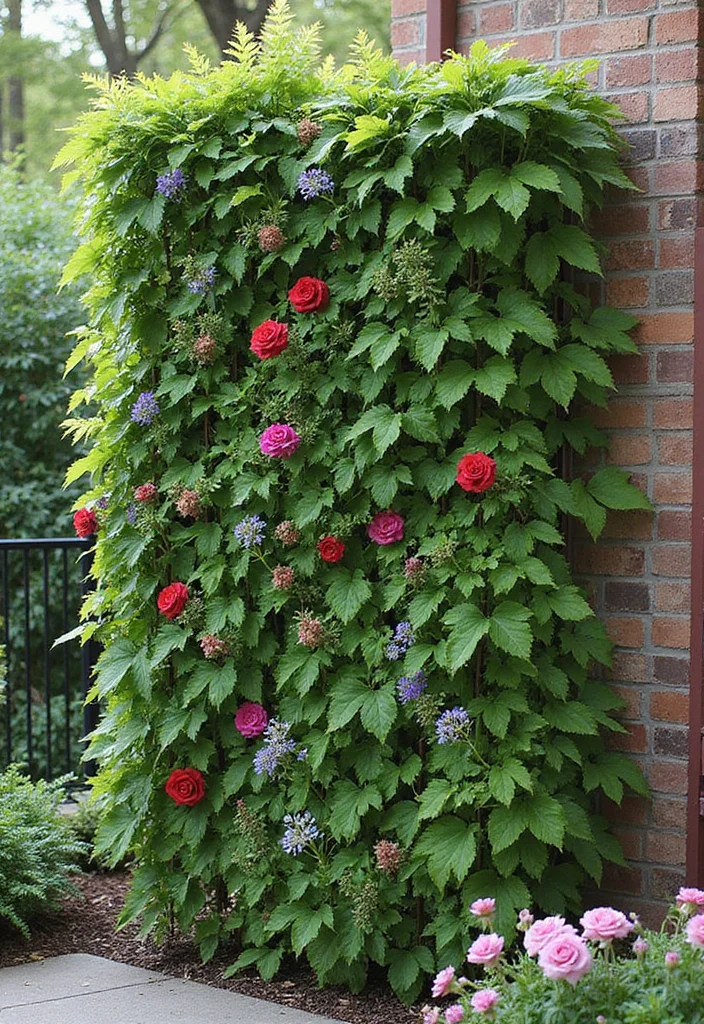
• Add trellises for climbing support
• Experiment with colors and textures for aesthetic appeal
• Position strategically to block views17. Garden Art Installations: Adding a Creative Edge
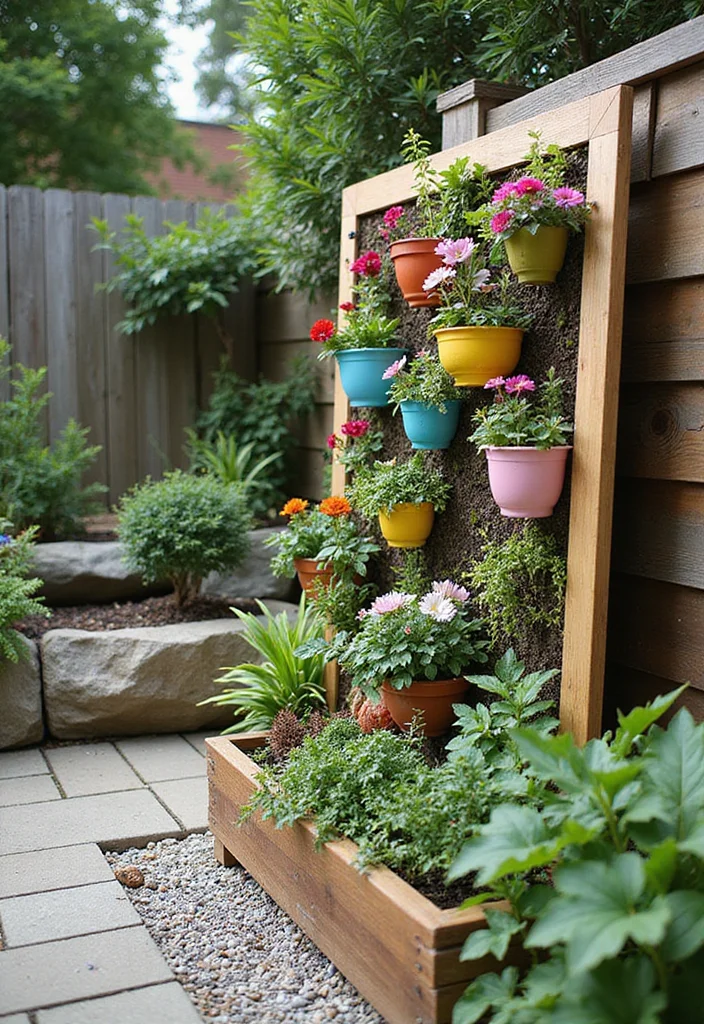
• Use vibrant colors to complement plants
• Incorporate wind chimes for an interactive experience
• Create a thematic garden design for unity18. Outdoor Green Walls: Sustainable Living
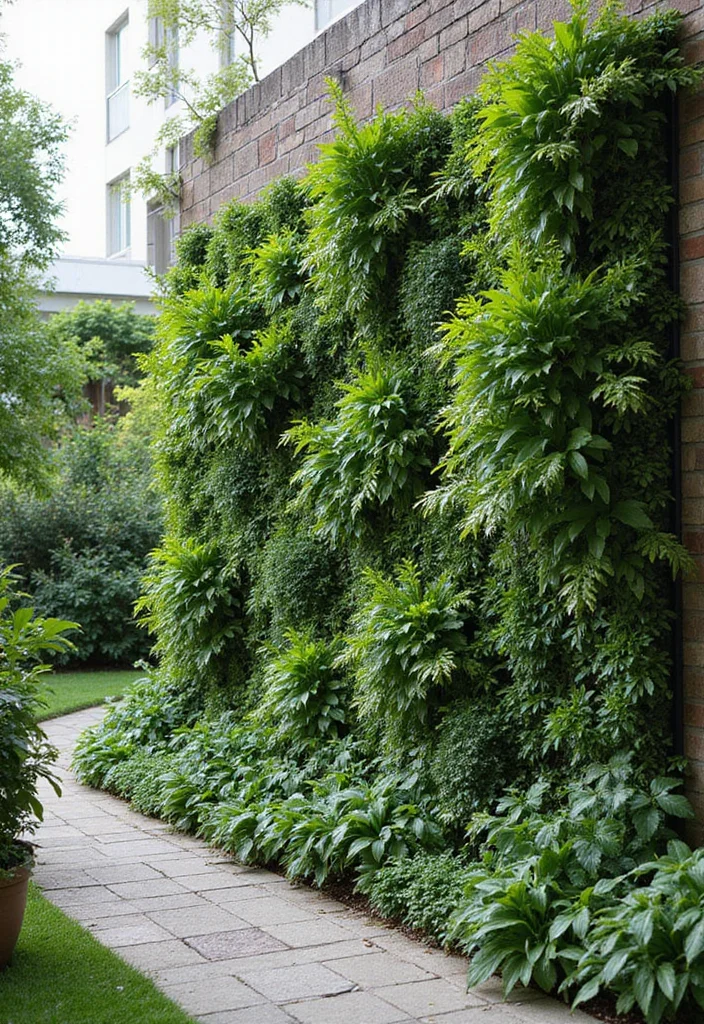
• Install a drip irrigation system for efficiency
• Maintain regularly for optimal health
• Create a diverse plant selection for year-round interest19. Planting for Wildlife: Creating a Habitat Garden
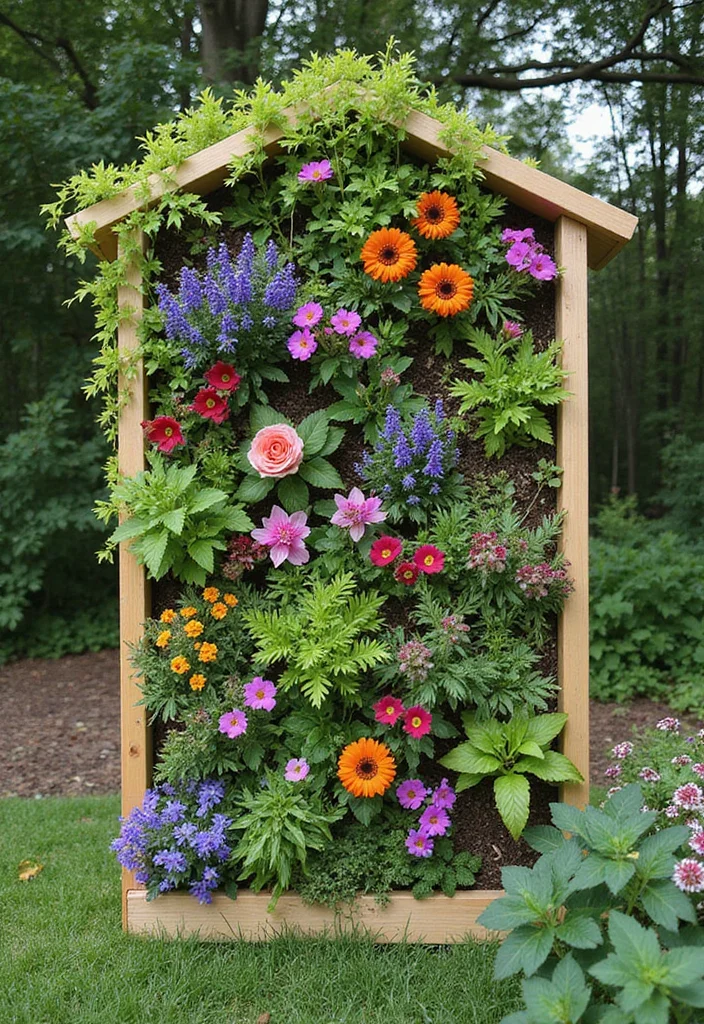
• Provide water sources like bird baths
• Choose seasonal plants for a continuous food supply
• Create hiding spots for insects and birds20. Smart Garden Solutions: Technology Meets Nature
• Use plant care apps for monitoring
• Experiment with grow lights for indoor setups
• Optimize your garden with tech solutions