

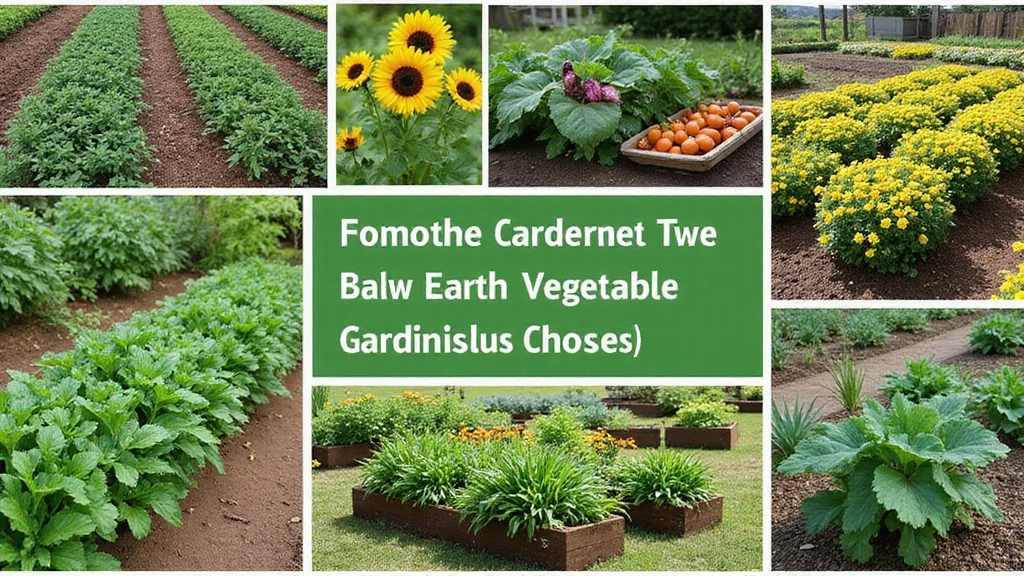
Have you ever stood in your backyard, looking at a patch of dirt, and felt overwhelmed by the idea of starting a vegetable garden? You’re not alone. Designing a vegetable garden, especially in raised beds, can seem daunting. That’s why I created this guide. It’s meant to make gardening approachable and fun. With a little planning and creativity, your yard can turn into a thriving oasis of fresh produce.
This post is for anyone who dreams of growing their own food but isn’t sure where to start. Whether you’re a complete beginner or someone looking to revamp your existing garden, these ideas will help you cultivate a garden that fits your needs. You’ll discover 18 easy-grow layout inspirations that not only look good but also maximize productivity.
In this guide, you’ll find practical tips on vegetable garden layout, raised bed gardening, and companion planting. Plus, we’ll touch on sustainable gardening practices that are good for the earth and your health. Each section is designed to give you concrete steps you can take to bring your garden vision to life. So grab your gardening gloves and let’s dig into some creative layouts that will make your vegetable garden flourish!
Key Takeaways
– Discover 18 different layouts to inspire your vegetable garden design, like the classic Square Foot Gardening approach.
– Learn about companion planting to boost growth and deter pests, enhancing your garden’s health and productivity.
– Explore the benefits of raised bed gardening for better soil quality and easier maintenance.
– Gain insights into sustainable gardening practices, including seasonal rotation to keep your soil healthy.
– Access practical garden planning tips that work for various spaces, whether you have a small yard or ample land.
1. Square Foot Gardening
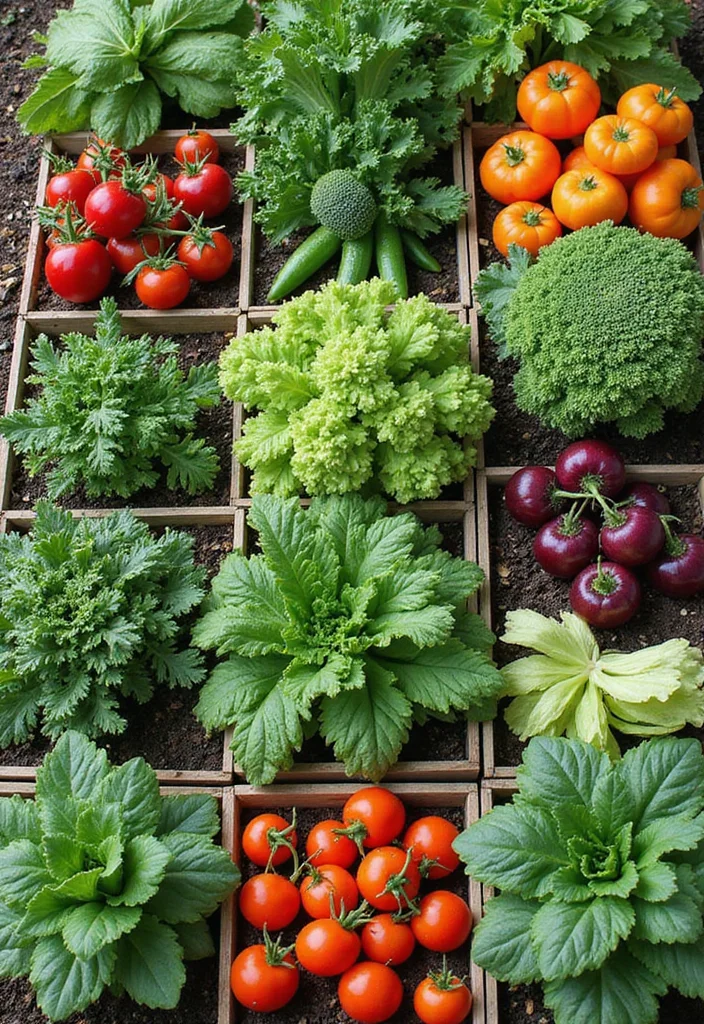
Square foot gardening is a smart choice when your space is limited. Imagine neat, square boxes, each one measuring just one foot, filled with a variety of vegetables like carrots, radishes, and lettuce. This method not only organizes your garden but also boosts your yield, making it a favorite among gardeners on Pinterest. You can have a colorful and productive garden without the chaos.
To start, use a good soil mix and create a grid to keep your plants in order. Consider companion planting; for instance, place carrots next to radishes. This setup helps maximize your harvest and keeps your garden growing throughout the season. It’s perfect for anyone looking to enjoy fresh veggies right from their backyard!
• Use 1-foot square boxes for organization
• Choose companion plants for better yields
• Add a grid layout to keep track
• Pick a nutrient-rich soil mix for growth
Square foot gardening helps you create a tidy and productive garden, perfect for small spaces.
2. Raised Bed Vegetable Garden
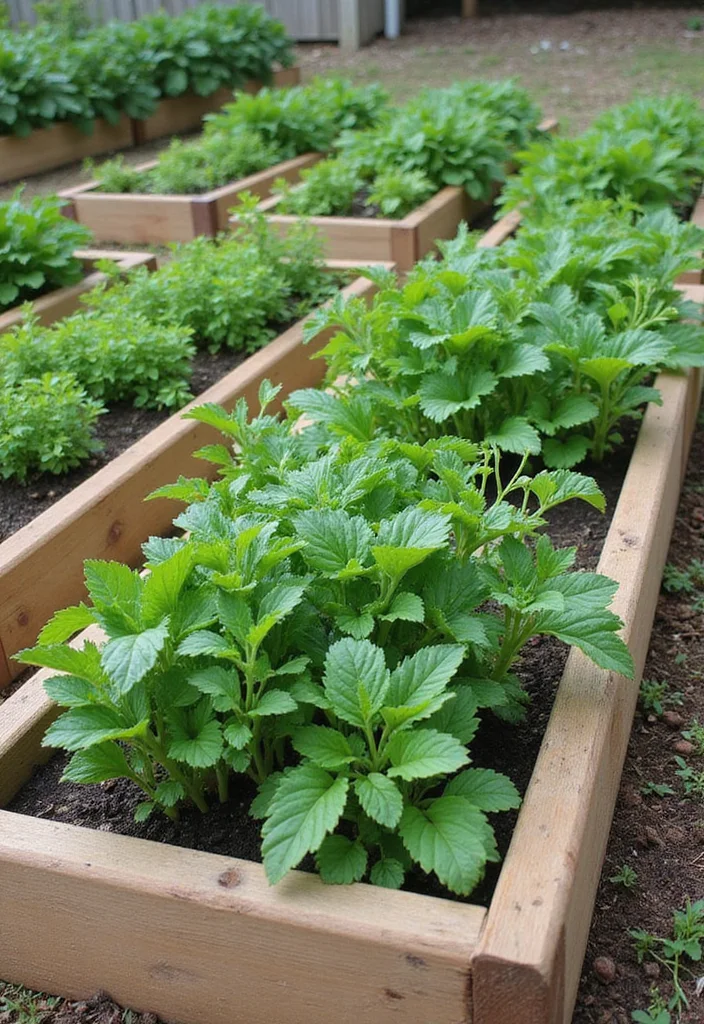
Raised bed gardens are becoming a popular trend because they look great and offer many benefits. Picture beautifully constructed wooden boxes filled with rich soil, flourishing with greens and colorful veggies. They not only improve drainage but also make your gardening tasks more comfortable.
When setting up your raised beds, think about easy access paths between them. A simple arrangement of three or four beds can create a cozy garden area. Try planting herbs like basil alongside tomatoes; they complement each other well and enhance your cooking. This design makes gardening enjoyable and accessible for everyone!
• Build wooden boxes for raised beds
• Choose herbs alongside veggies for flavor
• Design paths for easy access
• Use rich soil for better growth
Raised bed gardening gives you a beautiful and productive space, making it easier to enjoy your gardening experience.
3. Companion Planting Wisdom
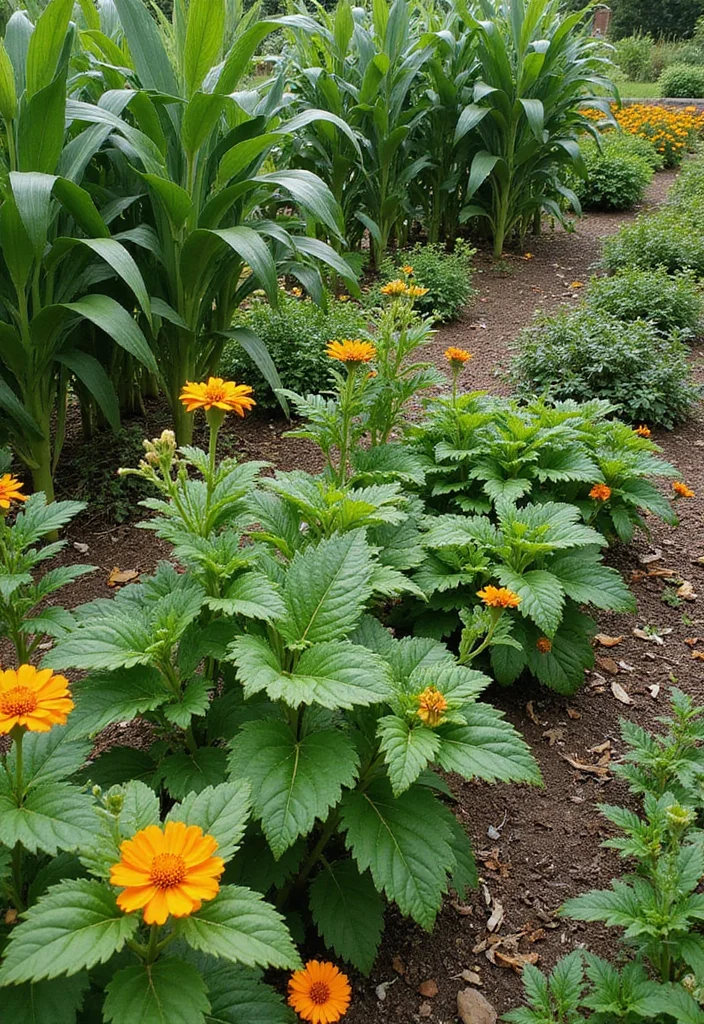
Companion planting is like teamwork in your garden. By pairing plants that help one another, you can boost productivity and keep pests away. Imagine rows of corn, beans, and squash growing together, each one supporting the others. This method not only helps plants thrive but also creates a lovely garden landscape.
For example, marigolds can deter pests when planted near your veggies. Lay out your garden with these beneficial pairings in mind. This approach not only enhances your harvest but also adds color and variety to your garden, making it visually appealing.
• Use marigolds to repel pests
• Plant corn, beans, and squash together for synergy
• Create a diverse layout for beauty and function
• Attract pollinators with flowering plants
Companion planting creates a productive garden that’s not only functional but also visually striking.
4. The 3 Sisters Garden
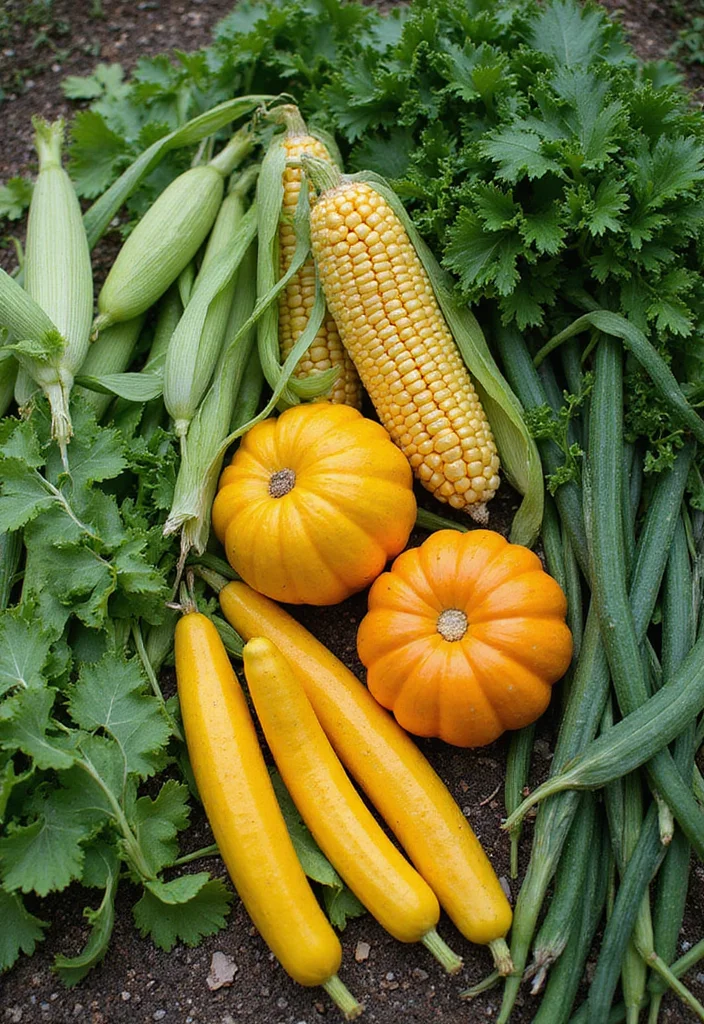
The ‘Three Sisters’ planting method is a traditional Native American technique that combines corn, beans, and squash. This arrangement is not only beautiful but also wonderfully efficient. Imagine corn providing a tall structure for beans to climb, beans enriching the soil, and squash spreading out to block weeds.
Plant your corn in a triangular formation to give beans the perfect space to weave through. The squash will thrive at the base, creating a stunning layered look. This method showcases sustainable gardening practices while producing a bountiful harvest.
• Plant corn in a triangle for support
• Use beans for nitrogen enrichment
• Add squash to smother weeds
• Ensure good spacing for growth
The Three Sisters garden celebrates harmony in planting, resulting in a productive and beautiful garden.
5. Vertical Gardening Techniques
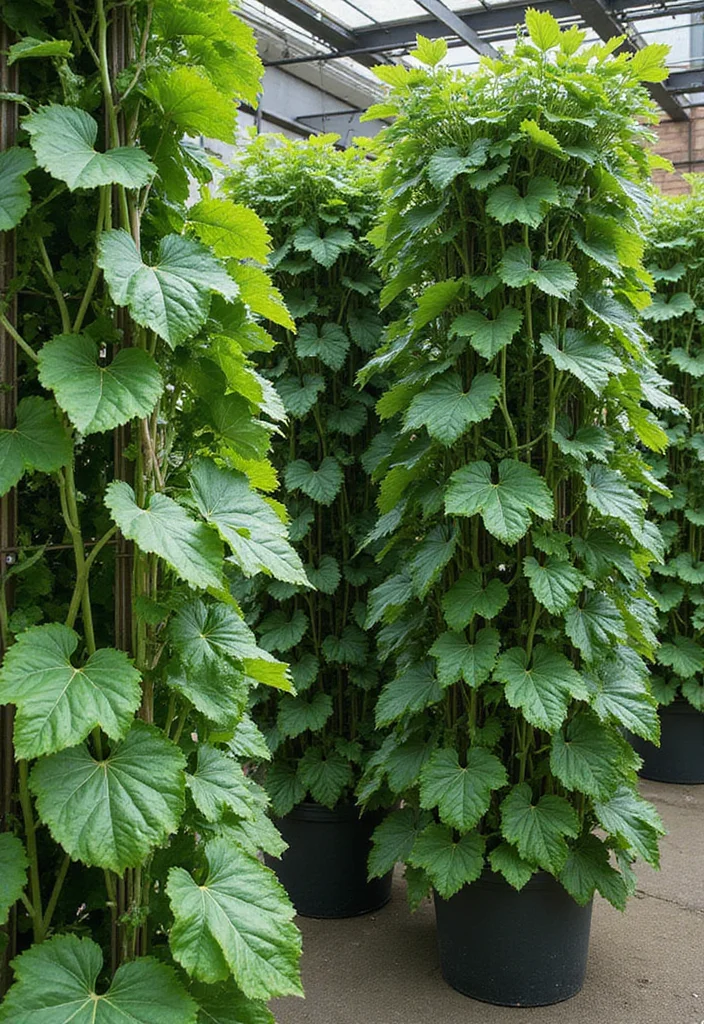
If you’re short on space, vertical gardening is your solution! Imagine climbing plants like cucumbers and peas reaching for the sky on trellises. This technique not only saves space but also adds visual interest to your garden.
Use trellises or wall planters to maximize your vertical space. Choose climbing veggies like tomatoes or pole beans. These plants will not only grow upwards but also create a stunning focal point. Plus, adding flowering vines can attract pollinators, further enhancing your garden’s productivity.
• Incorporate trellises for climbing plants
• Choose pole beans and tomatoes for vertical growth
• Add wall planters for extra space
• Use flowering vines to attract pollinators
Vertical gardening transforms small spaces into lush, productive areas, making your garden more vibrant.
6. Interplanting Design
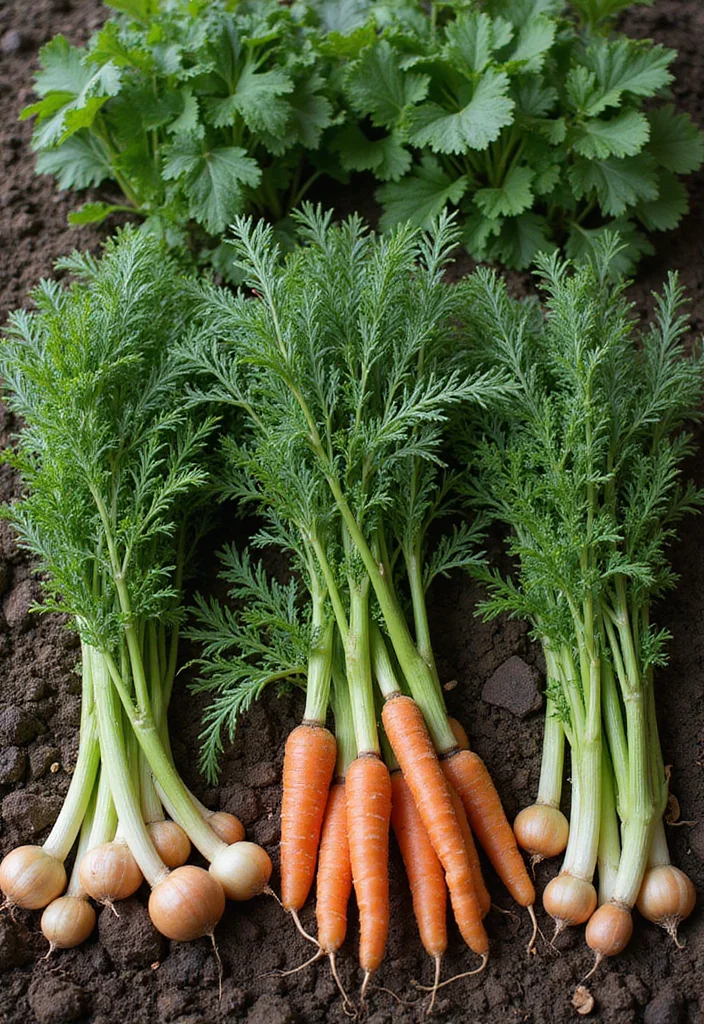
Interplanting is a clever way to grow different plants together to make the most of your space. It’s like a party in your garden, where different veggies mingle and thrive.
For instance, plant fast-growing lettuce with slower-growing tomatoes. The lettuce can use the space until the tomatoes fill out. Pairing onions with carrots is another smart move, as onions can deter carrot pests. This mix not only creates a lively garden but also promotes healthy growth and sustainability.
• Plant lettuce with tomatoes for space efficiency
• Combine onions and carrots for pest control
• Use diverse plants for better nutrient use
• Create a colorful layout for visual appeal
Interplanting helps your garden thrive while looking great, making it a fun and productive space.
7. Mediterranean-inspired Garden
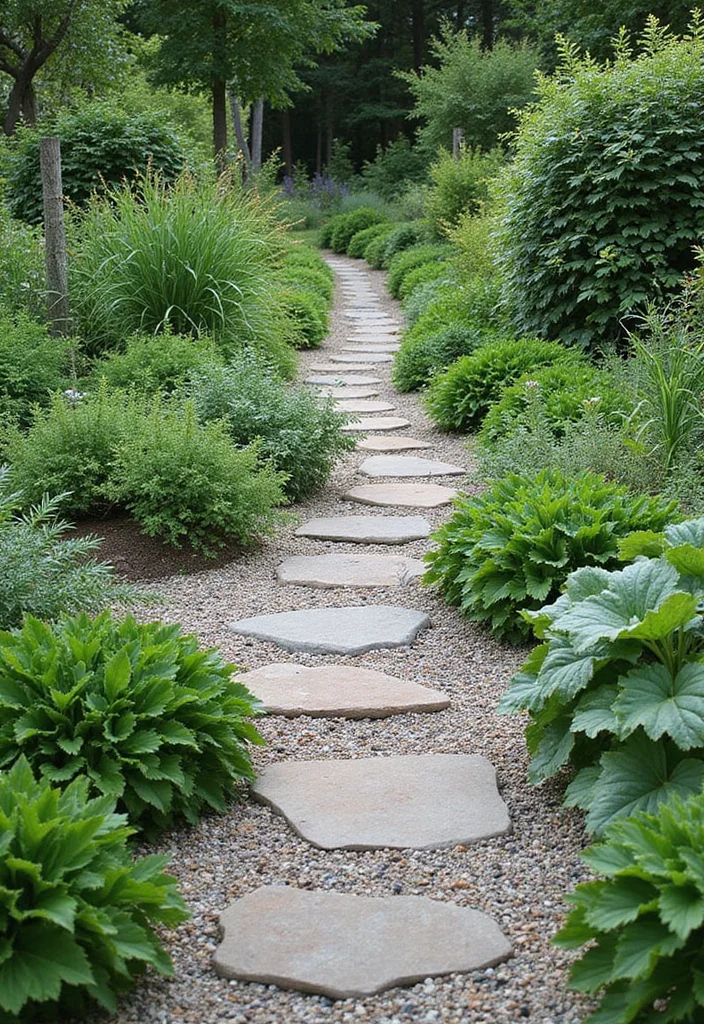
Bring a taste of the Mediterranean to your garden with drought-resistant plants like rosemary, thyme, and tomatoes. This design not only looks beautiful but also promotes a sustainable garden environment.
Use gravel paths and stone borders for a rustic feel. Create raised beds with well-draining soil for your plants. Grouping similar plants together makes caring for them easier. This design allows you to enjoy harvesting fresh herbs and veggies right from your garden, enhancing your meals.
• Use gravel paths for a rustic touch
• Create raised beds for easy care
• Group similar plants for convenience
• Incorporate herbs for fresh cooking
A Mediterranean-inspired garden is both beautiful and functional, perfect for enjoying fresh flavors at home.
8. Pollinator-Friendly Layout

Design a garden that welcomes bees, butterflies, and other pollinators by emphasizing flowering plants alongside your vegetables. Imagine colorful blooms mixed with healthy veggies, creating a haven for these important creatures.
Healthy pollinators lead to better yields and increased biodiversity. Choose a mix of perennial and annual flowers, like sunflowers and zinnias, to attract more pollinators. Plant these around your vegetable beds or dedicate a patch just for them. This layout enhances both the beauty and productivity of your garden.
• Choose flowers like sunflowers for attraction
• Plant annuals and perennials for variety
• Create a dedicated pollinator patch
• Surround vegetable beds with blooms
A pollinator-friendly layout supports local wildlife while making your garden more vibrant.
9. Edible Landscaping
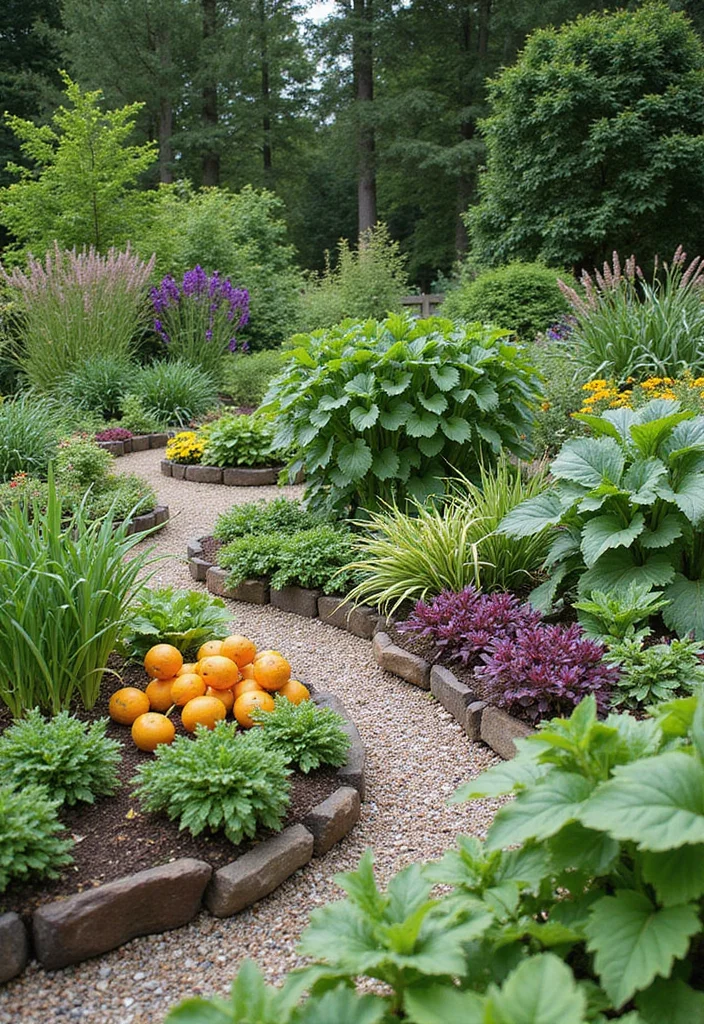
Blend beauty and function with edible landscaping, incorporating fruits, vegetables, and herbs into your ornamental garden. Imagine a stunning landscape filled with colorful veggies and lush fruits that can also be used in your meals.
Use fruit trees as focal points or place berry bushes along pathways. Mix ornamental plants with herbs for a striking contrast. Layer taller plants like sunflowers behind shorter ones like lettuce for a visually appealing setup. This design not only beautifies your yard but also provides fresh food right outside your door.
• Use fruit trees for focal points
• Mix berry bushes along pathways
• Pair ornamental plants with herbs
• Layer tall and short plants for depth
Edible landscaping creates a beautiful and productive garden, enriching your outdoor space.
10. Seasonal Rotation Layout
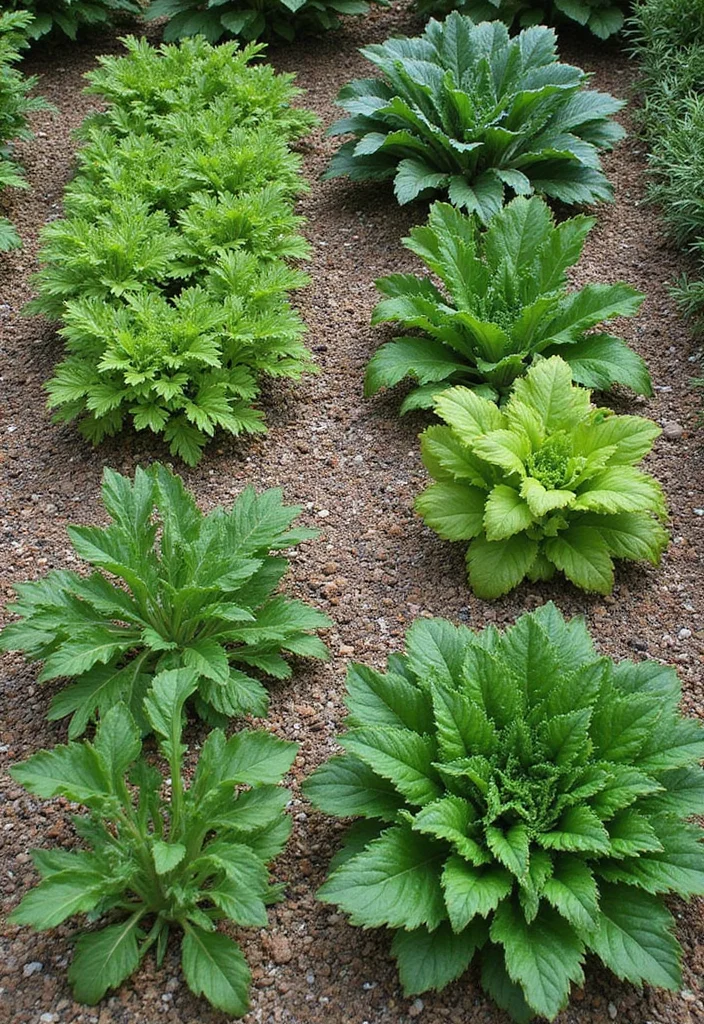
Planning your garden with seasonal rotation keeps the soil healthy and productive. By changing what you plant each season, your garden can be vibrant all year round. Imagine a garden that transforms with each season, offering a feast for the eyes!
Rotating prevents soil depletion, as different plants use various nutrients. It also disrupts pests and diseases, fostering biodiversity. Create a simple chart for your planting schedule, starting with cool-season crops like peas in the spring and transitioning to warm-season veggies like tomatoes in summer. This thoughtful layout ensures a lively and productive garden.
• Create a planting schedule chart
• Start with cool-season crops in spring
• Transition to warm-season veggies in summer
• Rotate crops annually for soil health
Seasonal rotation keeps your garden fresh and productive throughout the year.
11. Layered Garden Design
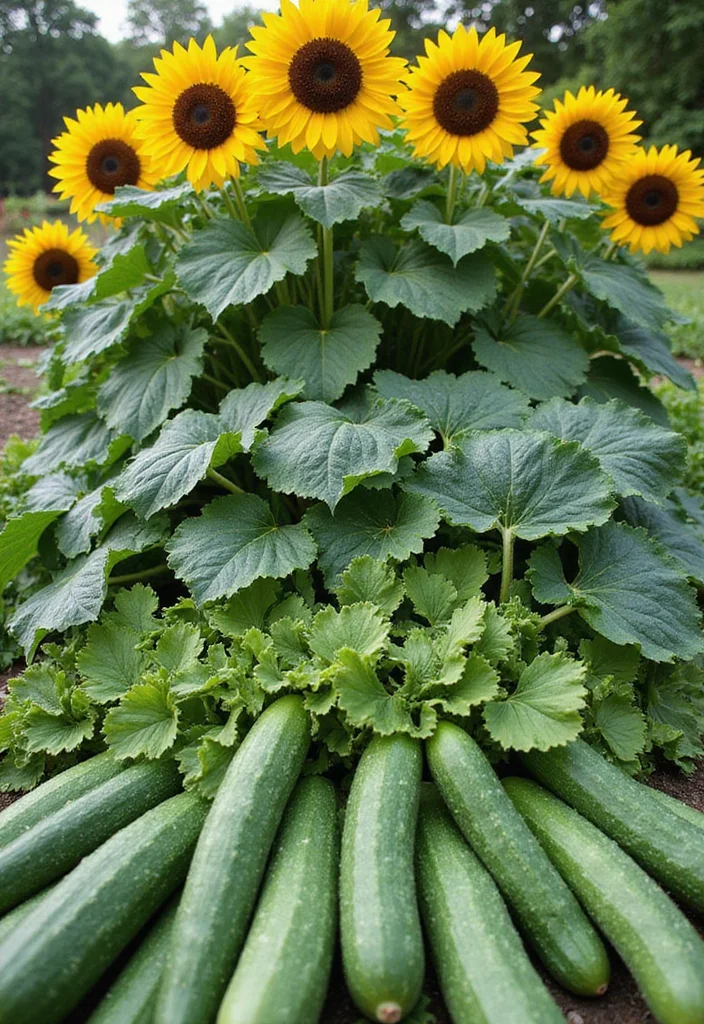
Layering is a fantastic gardening technique that adds depth and maximizes vertical space. Picture tall sunflowers standing proudly above shorter veggies like cucumbers and radishes. This tiered approach not only looks great but also enhances productivity.
Keep taller plants at the back and shorter ones in front. Mix sun-loving plants with those that tolerate shade. Consider plants with varying bloom times to ensure continuous beauty. This design improves air circulation and reduces disease risks, leading to healthier plants. Pair leafy greens with root vegetables for even better resource sharing.
• Place tall plants at the back
• Mix sun and shade-tolerant plants
• Choose plants with different bloom times
• Layer leafy greens and root vegetables
A layered garden design creates a productive and visually stunning space.
12. Permaculture Principles
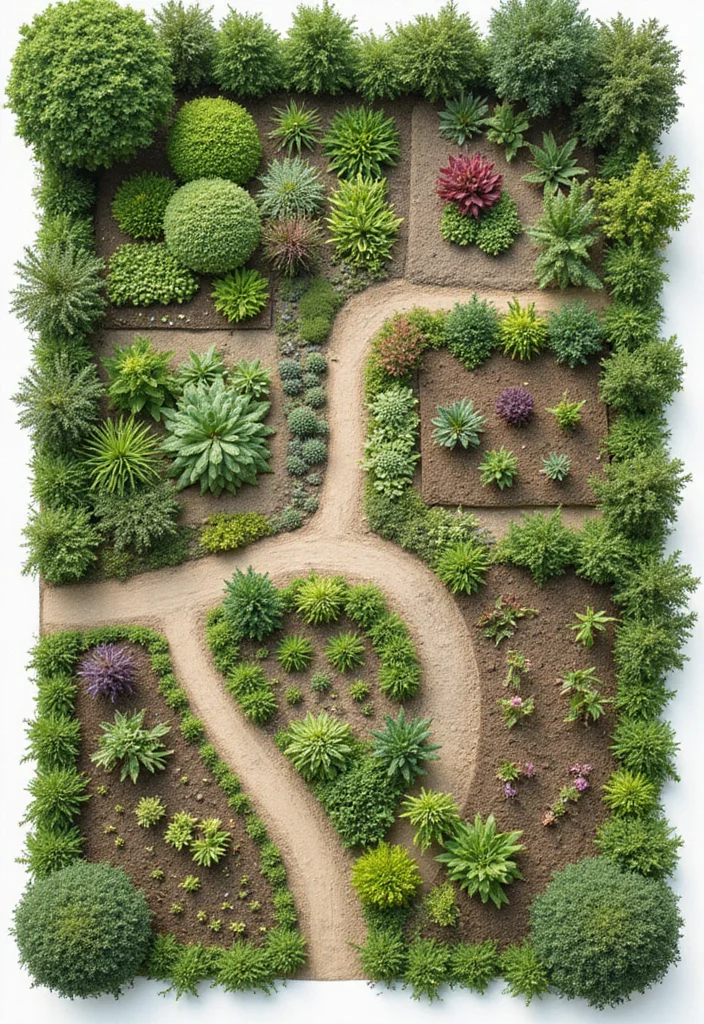
Permaculture focuses on creating a sustainable garden that works with nature. Imagine a thriving ecosystem where plants, animals, and insects coexist beautifully. This layout emphasizes harmony and longevity in your gardening practices.
Key features include closed-loop systems like composting and rainwater harvesting. Diversity is essential; incorporate plants that support one another. Organize your garden into zones based on how frequently you visit them, ensuring efficiency. This thoughtful planning promotes a thriving garden that is productive and environmentally friendly.
• Implement composting for waste reduction
• Collect rainwater for irrigation
• Design zones for different plant types
• Foster plant diversity for support
Permaculture principles create a sustainable and productive garden for years to come.
13. Garden Pathways
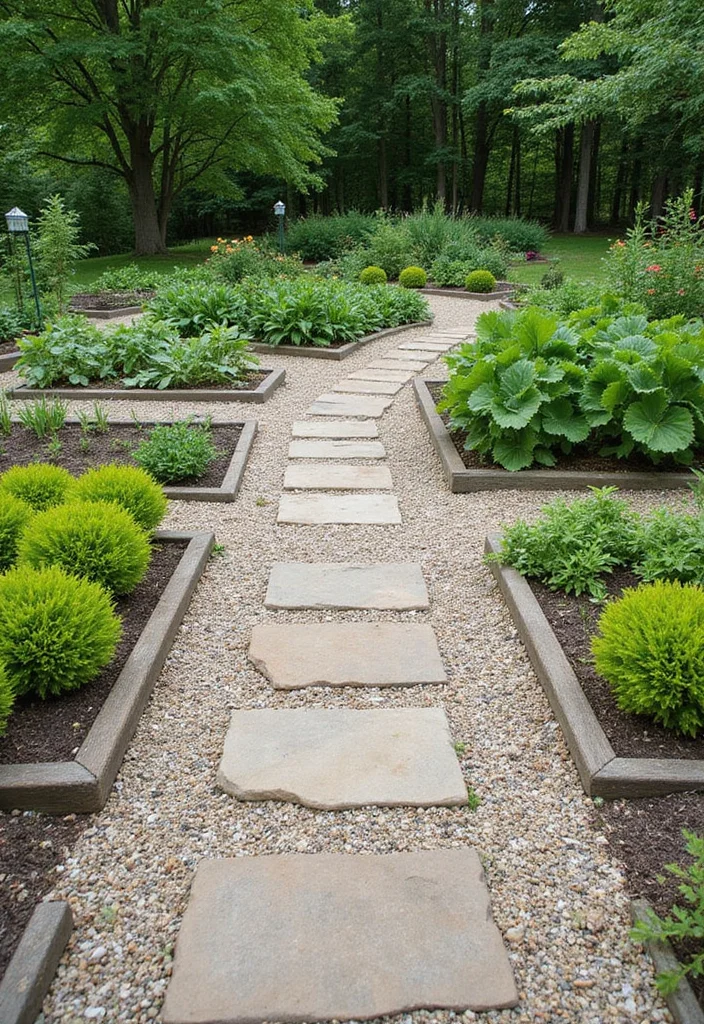
Adding pathways in your garden is more important than you might think. Imagine charming stone or gravel paths guiding you through rows of flourishing vegetables. These paths can greatly influence your garden’s design.
Pathways provide easy access for gardening tasks, add aesthetic value, and help control weeds. Consider using natural materials like mulch or stepping stones. Create winding paths or straight lines based on your garden layout. Not only do pathways enhance beauty, but they also encourage you to spend more time enjoying your plants.
• Use natural materials like mulch or gravel
• Design winding or straight paths
• Ensure easy access to all areas
• Create charming walkways for enjoyment
Garden pathways make your space inviting and functional, encouraging you to nurture your plants.
14. Low-Maintenance Gardens
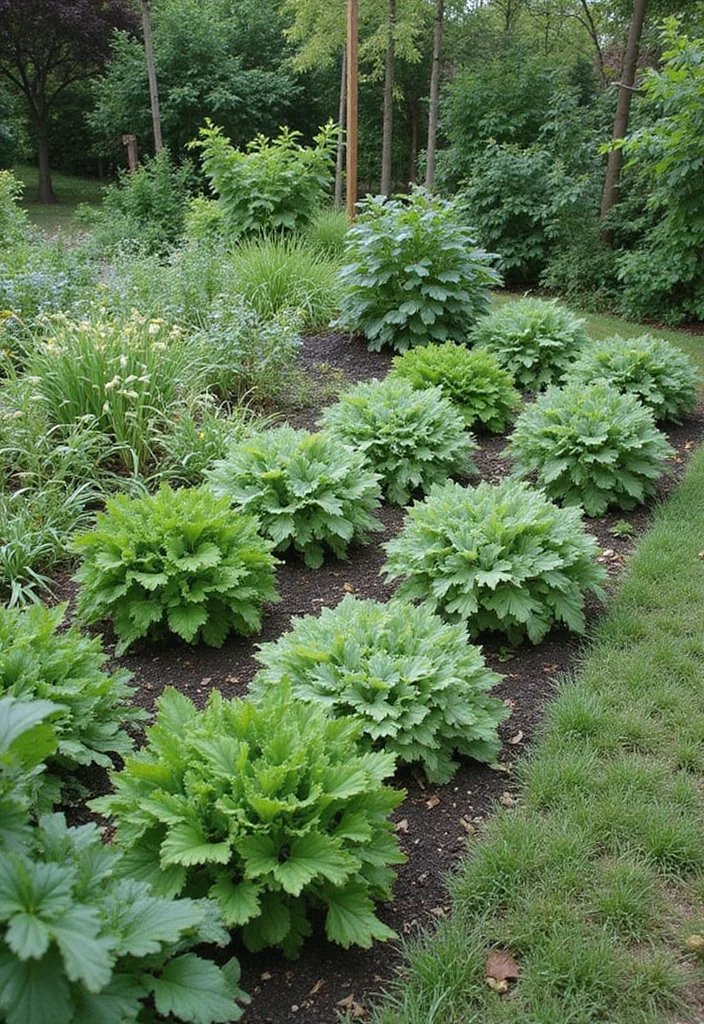
Low-maintenance gardens are ideal for those with busy lifestyles. Imagine a garden that takes care of itself, filled with hardy vegetables and resilient plants. This design lets you enjoy gardening without overwhelming commitment.
Focus on selecting drought-resistant plants that require less watering. Group plants with similar needs to simplify care. Don’t forget to mulch; it helps reduce weeds and keeps moisture in the soil. Look for easy-care veggies like tomatoes and peppers that thrive with minimal attention.
• Select drought-resistant plants for easy care
• Group similar plants for convenience
• Use mulch to retain moisture
• Incorporate perennial herbs for low maintenance
Low-maintenance gardens allow you to enjoy gardening while saving time and energy.
15. Food Forest Concept
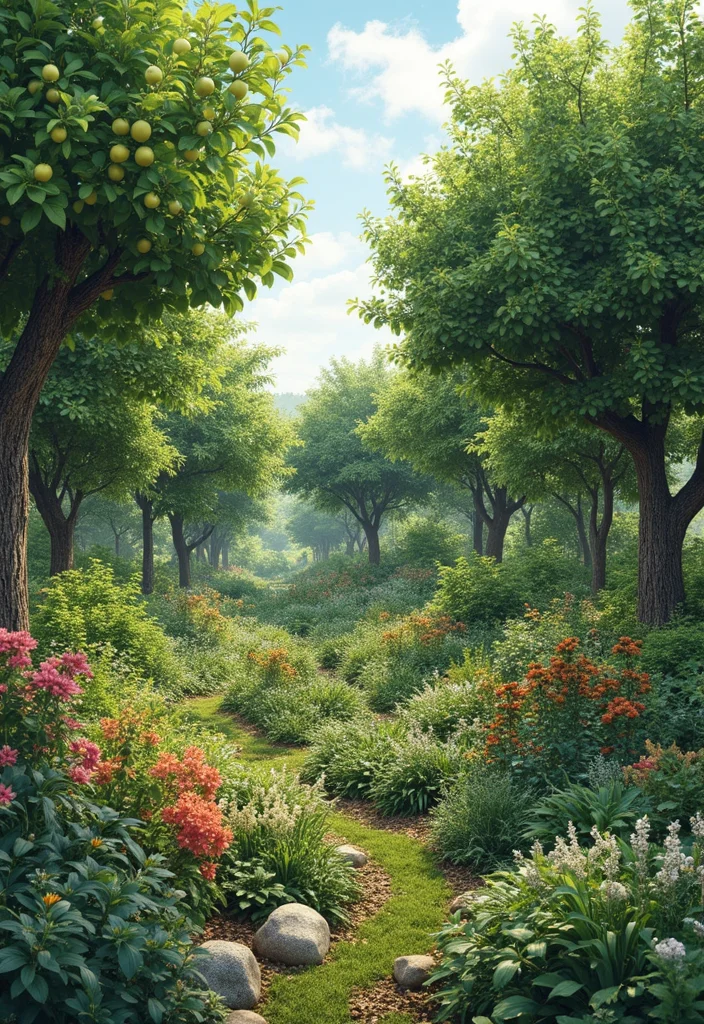
The food forest concept mimics a natural forest but focuses on food production. Picture a layered garden filled with fruit trees, shrubs, and ground cover plants that all work together. This design is both functional and visually appealing.
Key features include diversity, with multiple layers of plants providing various yields. This layout promotes a self-sustaining ecosystem and enhances local biodiversity. Start by incorporating fruit trees like apples as your canopy layer, with berry shrubs beneath and ground cover plants like strawberries. This design encourages cooperation among plants for a thriving garden.
• Use fruit trees for the canopy layer
• Add berry shrubs for diversity
• Choose ground cover plants like strawberries
• Foster plant cooperation for sustainability
The food forest concept creates a productive and beautiful garden for everyone to enjoy.
16. Container Gardening Options
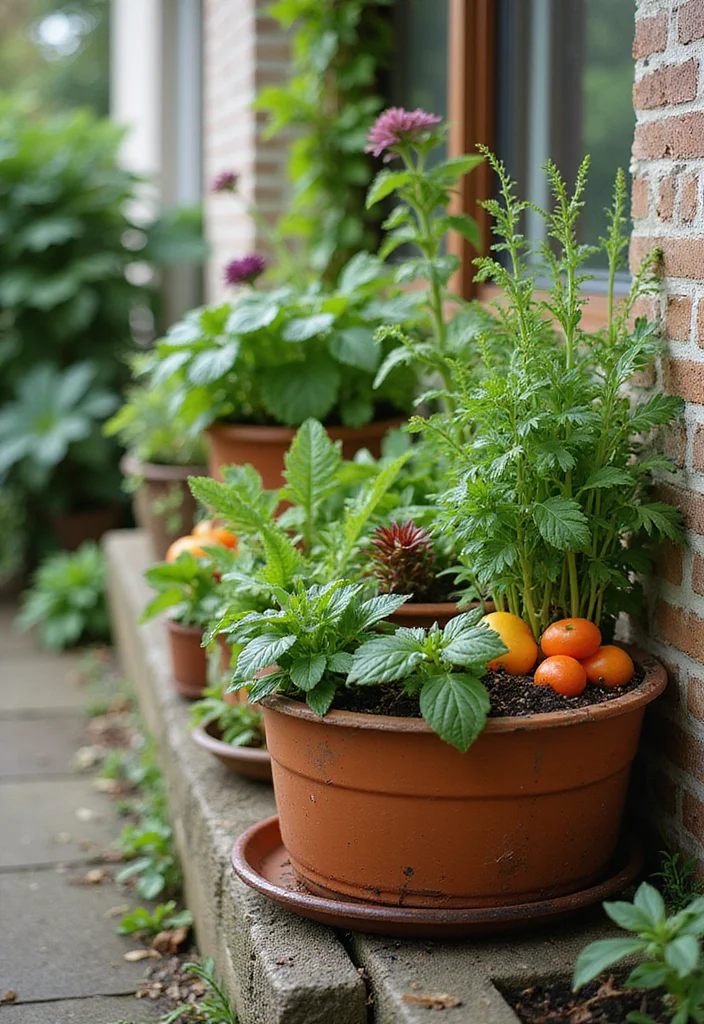
Container gardening is a great solution for those with limited space or poor soil. Picture colorful pots filled with fresh veggies, herbs, and flowers thriving on your patio or balcony. This flexible layout allows for creativity and mobility.
Containers let you move plants to find the best sun exposure. They’re perfect for small spaces, allowing you to maximize your gardening area. Choose a variety of containers and mix plants for visual interest; pairing herbs with veggies like peppers can create a stunning display.
• Choose various container sizes for diversity
• Mix herbs and vegetables for beauty
• Move containers for sun optimization
• Use bright colors for visual appeal
Container gardening transforms small spaces into vibrant, productive areas full of life.
17. Community Garden Inspiration
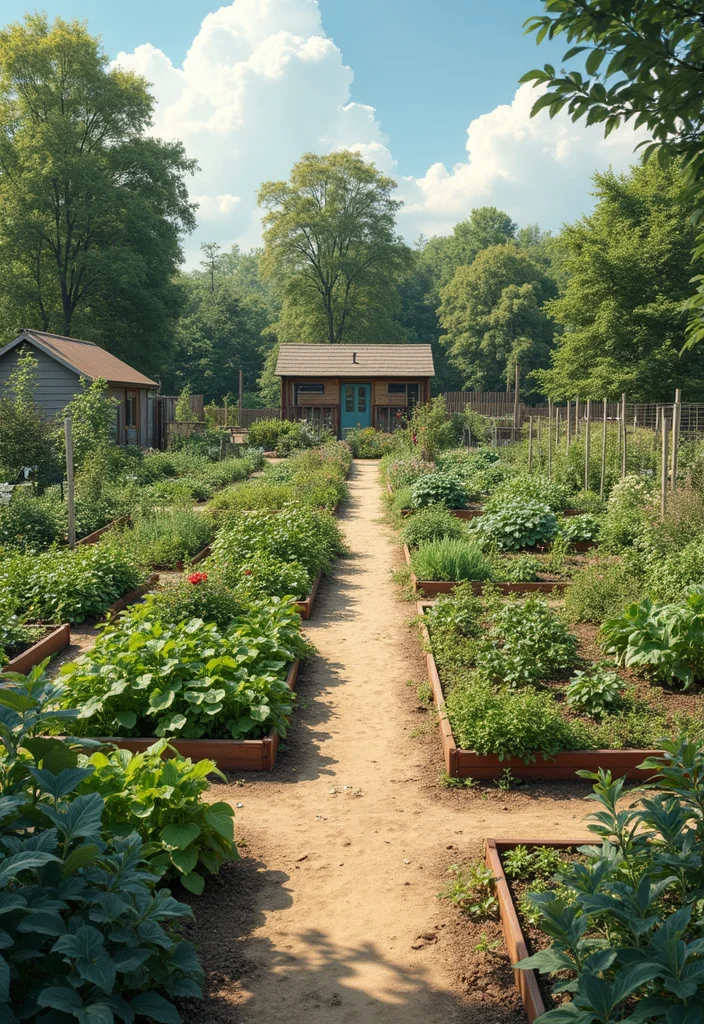
Community gardens are a wonderful way to build friendships and share resources. Imagine a space where neighbors come together to grow vegetables and enjoy each other’s company.
Starting a community garden promotes social interaction, enhances food security, and provides educational opportunities. Design your garden with separate plots for individuals and shared spaces for communal crops. Include seating areas for gatherings or workshops. This layout fosters a sense of belonging while encouraging sustainable gardening practices among members.
• Create individual plots for private gardening
• Incorporate shared spaces for community crops
• Design seating areas for gatherings
• Promote workshops for skill sharing
Community gardens create a welcoming environment where everyone can grow together and thrive.
18. Sustainable Gardening Practices
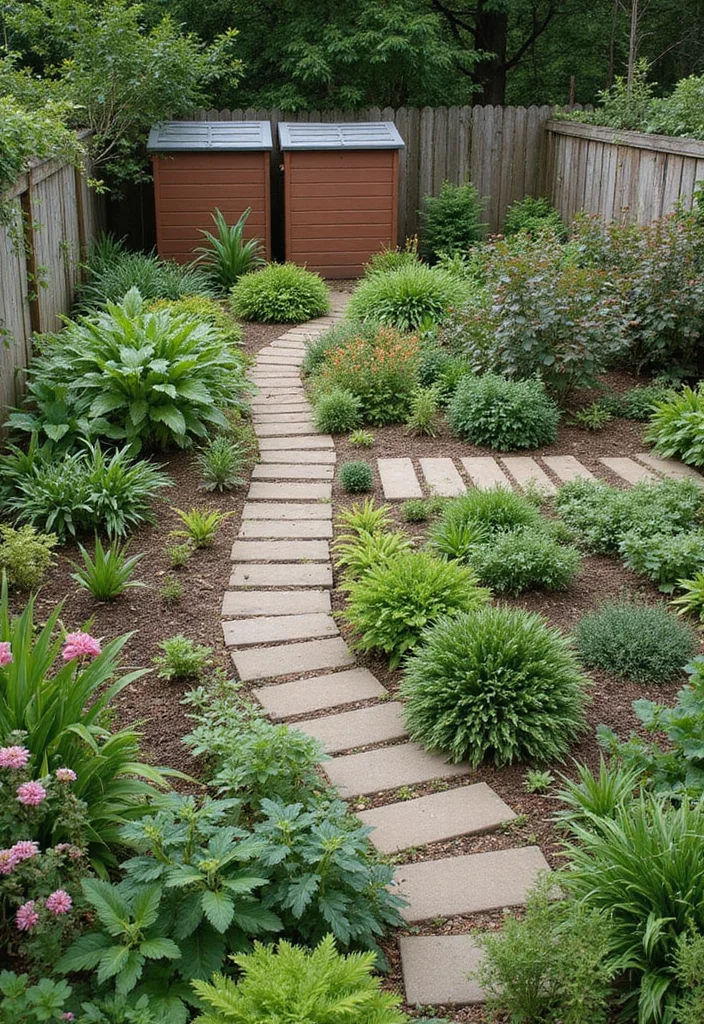
Sustainable gardening practices focus on working with nature, creating a harmonious garden. Picture a garden that thrives on organic methods, composting, and water conservation. This approach emphasizes longevity and balance.
Key principles include using organic methods to avoid synthetic chemicals, conserving water with drought-resistant plants, and maintaining soil health through crop rotation. Incorporate compost areas and rain barrels into your garden design along with native plants. This approach not only supports the environment but also results in a lush, thriving garden that benefits you and the planet.
• Use organic methods for plant care
• Implement water conservation techniques
• Create a compost area for waste reduction
• Incorporate native plants for sustainability
Sustainable gardening practices build a flourishing garden while caring for our earth.
Conclusion
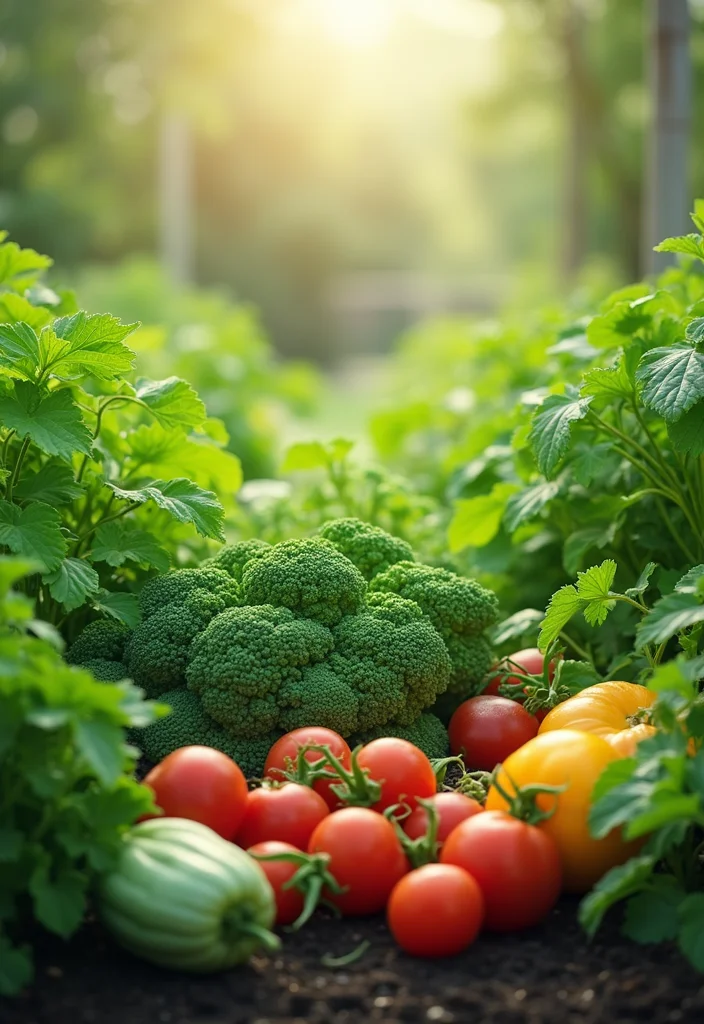
Your vegetable garden has the potential to be a beautiful sanctuary that nourishes both your body and soul. With the right design and planning, every inch of your garden can flourish with life and flavor.
As you explore these 18 inspirations, consider how you can personalize them to fit your space and style. With a little effort and creativity, your garden will soon become a productive paradise that you can proudly cultivate.
Frequently Asked Questions
What are the best vegetable garden layouts for beginners?
Starting your gardening journey? You might want to explore simple vegetable garden layouts like the square foot garden or row planting. These designs maximize space and yield, making it easier for beginners to manage their crops effectively.
Consider incorporating raised beds for better soil control and easier access. The key is to choose a layout that suits your space and gardening style while providing a productive environment for your vegetables.
How can companion planting enhance my vegetable garden?
Companion planting is like having gardening buddies that support each other’s growth! For instance, planting tomatoes with basil can enhance flavor and deter pests. This practice not only promotes a healthier garden but also improves your overall yield.
Research compatible plants and experiment with combinations in your raised bed gardening. You’ll find that some plants thrive better together, making your garden more productive and sustainable.
What sustainable gardening practices can I implement in my vegetable garden?
Sustainable gardening is all about working with nature, and there are many practices you can adopt! Start by practicing crop rotation to maintain soil health and reduce pests. Incorporate composting to enrich your soil naturally and minimize waste.
Using native plants and mulching can also conserve water and reduce the need for chemical fertilizers. Embracing these practices will make your vegetable garden more eco-friendly and resilient.
How do I choose the right vegetables for my garden layout?
Selecting the right vegetables is crucial for a thriving garden! Start by considering your climate and the growing season. Popular choices for beginners include zucchini, peppers, and carrots, as they are generally easy to grow.
Also, think about your family’s preferences and the amount of space you have. Mixing fast-growing crops with slower ones can create a diverse and productive layout. Remember, your vegetable garden should reflect your tastes and gardening goals!
What tools do I need for raised bed gardening?
To kickstart your raised bed gardening, a few essential tools will make your experience smoother! You’ll need a trowel for digging and planting, a garden fork for aerating soil, and pruning shears to maintain your plants.
Don’t forget a watering can or hose for irrigation and a rake for leveling soil. Investing in quality tools will enhance your gardening experience and help you create a bountiful vegetable garden!