

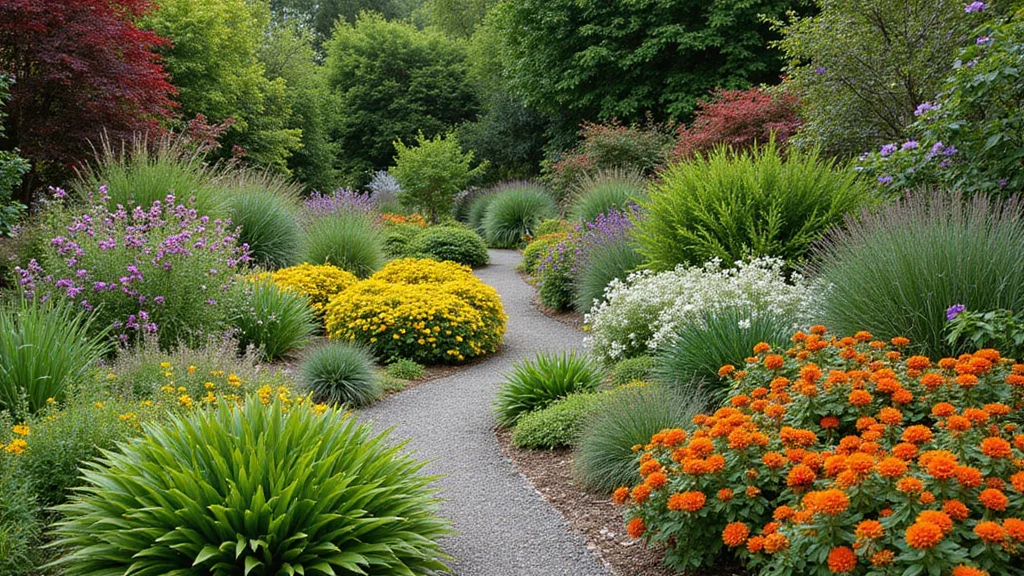
Creating a beautiful garden using New Zealand native plants is not just about aesthetics; it’s about embracing nature and promoting sustainability. I put this guide together because I want to help you design a native garden that not only looks stunning but also supports local biodiversity. Many of us are craving that connection to the outdoors, and there’s nothing more rewarding than creating a space that thrives with life.
If you’re passionate about gardening and care about sustainability, this guide is for you. Whether you’re a seasoned gardener or just starting out, you’ll find something valuable here. Gardening with native plants means you can reduce your environmental footprint while enjoying your outdoor space. You’ll learn how to incorporate local flora that attracts pollinators, provides food, and enhances the beauty of your surroundings.
In this expert guide, I’ve compiled 20 naturally-inspired visual concepts to inspire your garden design. From creating a peaceful meditative space to planning an edible garden, these ideas will help you personalize your outdoor area and make it truly yours. You’ll discover how to use native plants not just for their beauty, but for their resilience and ecological benefits. This guide will empower you with practical tips and inspiration to create a garden that feels alive and refreshing.
Get ready to dive into all the creative landscape design ideas you can implement at home! Together, we’ll explore how to bring the essence of New Zealand’s unique ecosystems into your own backyard.
Key Takeaways
– Discover 20 visually inspiring concepts that utilize New Zealand native plants for diverse gardening themes.
– Learn practical tips for creating an edible native garden that connects you with the land and promotes local biodiversity.
– Explore how to design meditative spaces that enhance relaxation and well-being in your outdoor environment.
– Find out ways to attract local pollinators and wildlife, supporting ecological health while enjoying your garden.
– Understand the importance of climate-resilient gardening practices and how they can future-proof your garden.
1. Coastal Serenity: Embrace the Beach Vibe
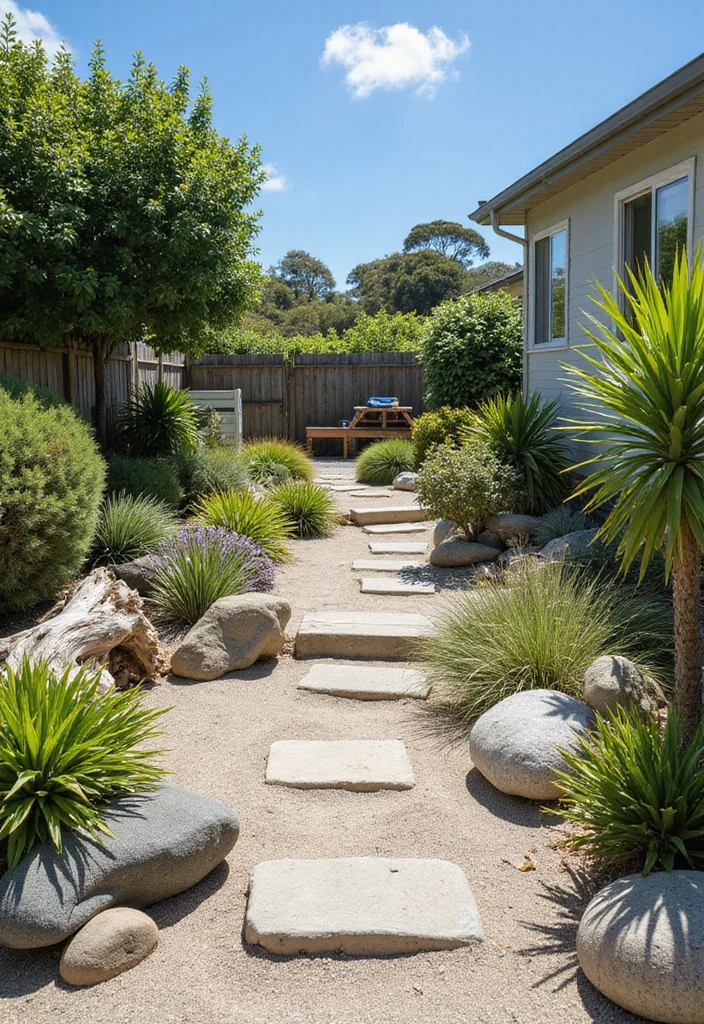
You can turn your garden into a coastal paradise with the right plants. Think of using pohutukawa trees and hardy grasses that love sandy soil. Picture a path lined with sea holly and waving muehlenbeckia—it creates a beachy feel right at home. Pinterest is full of these dreamy coastal garden ideas that inspire relaxation and beauty.To make this vision a reality, start with salt-tolerant plants that thrive in your area. You can find affordable options at local nurseries or even consider some DIY garden decor using driftwood and stones. This style not only looks great but also offers a sustainable way to enjoy nature, making your garden a perfect retreat for relaxation.- Use salt-tolerant natives for best results
– Incorporate beach pebbles and wooden fences for charm
– Create cozy seating areas to enjoy the breeze
– Add driftwood for a rustic touch
2. Bushland Retreat: A Lush Escape
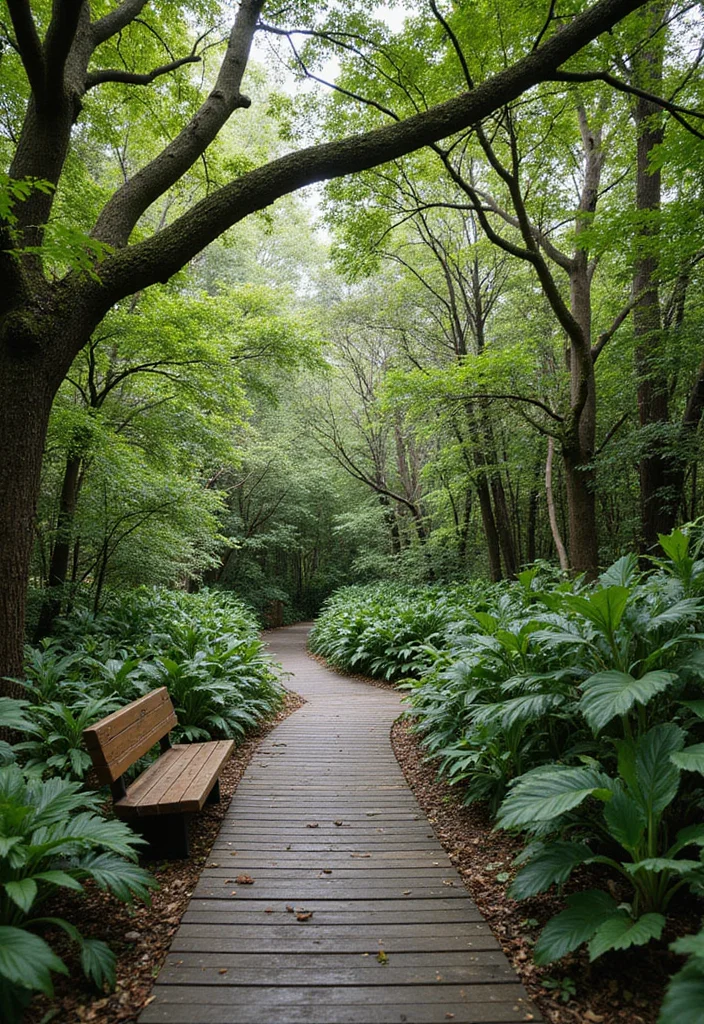
Transform your outdoor space into a lush bushland retreat filled with the vibrant greenery of New Zealand forests. Use plants like korokio and kanuka to create layers that invite birds and butterflies. Imagine walking through a natural sanctuary, where every turn reveals a new texture or color, enhancing your connection to nature.To achieve this, lay down wood chip mulch for paths that blend with the surroundings. Adding benches tucked among the greenery offers quiet spots for reflection. This approach creates a calming environment that’s perfect for unwinding and enjoying the beauty of nature.- Layer plants for depth and interest
– Create habitats using logs and rocks for wildlife
– Choose local species to support ecological health
– Incorporate paths to guide visitors through your garden
3. Edible Native Plants: Garden to Table
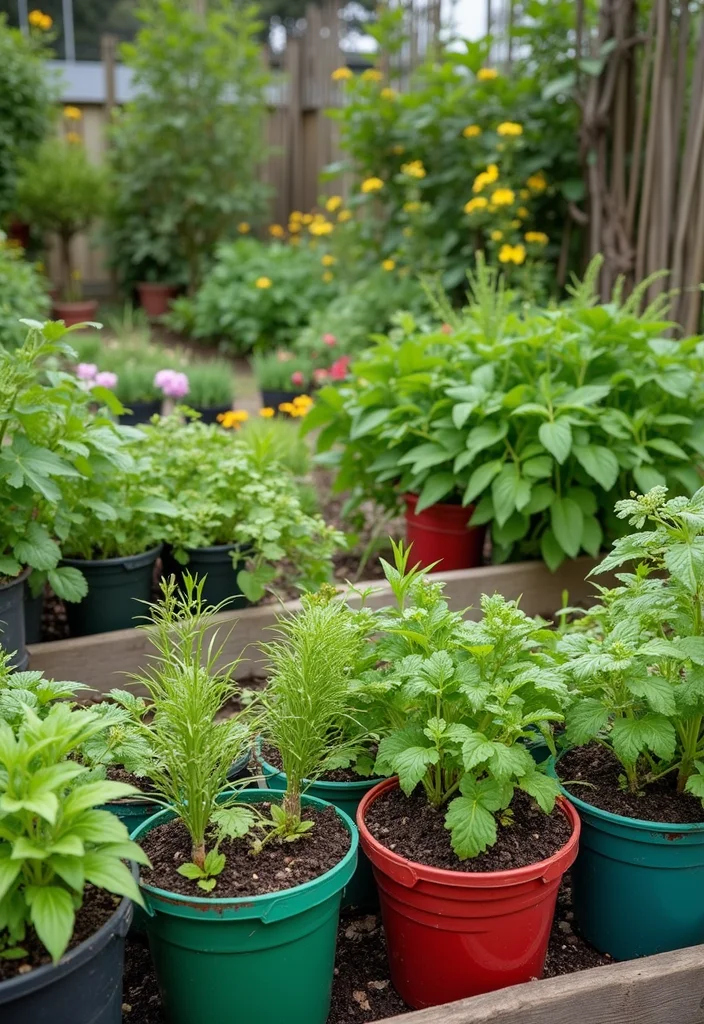
Imagine a garden that’s not just beautiful but also edible. By planting native edible varieties like rimu berries and kawakawa, you can enjoy fresh flavors right from your backyard. This garden can be a feast for the eyes and the palate, adding excitement and sustenance to your meals.Start with a small herb garden using native mints and pair them with common vegetables for a diverse harvest. Raised beds can help define your edible space while keeping it organized. This setup not only nurtures your body but also offers a rewarding gardening experience.- Use raised beds for easy access and organization
– Incorporate colorful pots for herbs to add charm
– Plan for seasonal growth with a variety of plants
– Include native fruits for a unique touch
4. The Meditative Garden: Creating Calm
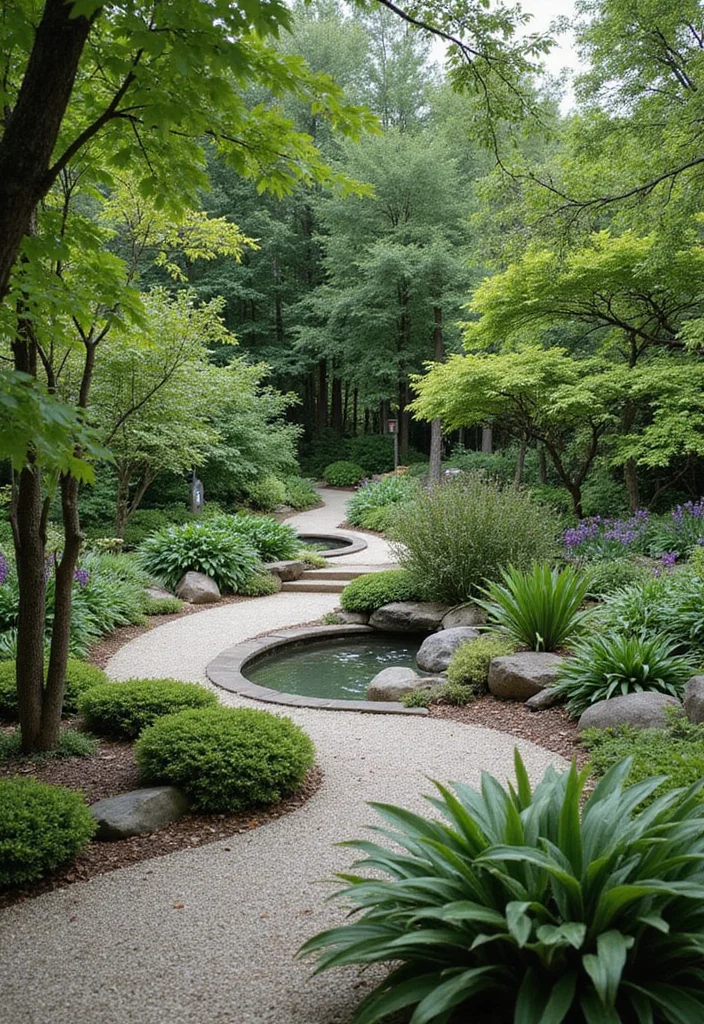
A meditative garden can serve as your personal retreat for relaxation and mindfulness. Choose soothing plants like lavender and native thyme to fill your space with calming scents. With winding paths and tranquil sitting areas, you can create a peaceful environment that invites reflection.Consider adding a small pond with native fish or a rock garden to enhance the serene atmosphere. The gentle sound of water and fragrant plants will make this garden a perfect spot for unwinding at the end of a busy day.- Use soft colors in plants to promote calmness
– Design winding paths that encourage slow walking
– Incorporate seating areas for quiet meditation
– Include water features for soothing sounds
5. Vertical Gardens: Space-Saving Solutions
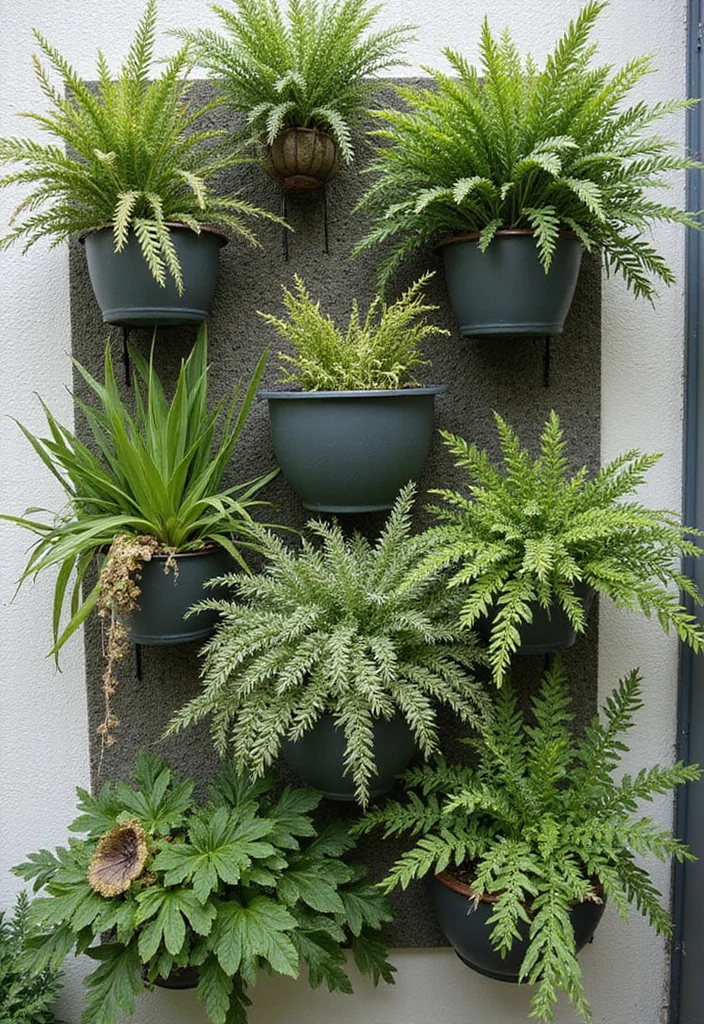
If you have limited outdoor space, consider a vertical garden to maximize your area. Wall planters and trellises can be filled with native climbing plants like clematis and twinflower. This not only saves space but also creates a beautiful display that draws the eye upward.Use a mix of flowering and foliage plants to keep your vertical garden lively throughout the seasons. This style not only looks great but can also improve air quality, making your garden a healthier space to enjoy.- Use recycled materials for creative planters
– Mix textures and colors for eye-catching displays
– Incorporate a simple irrigation system for easy care
– Choose sturdy support structures for climbing plants
6. Pollinator Paradise: Support Local Wildlife
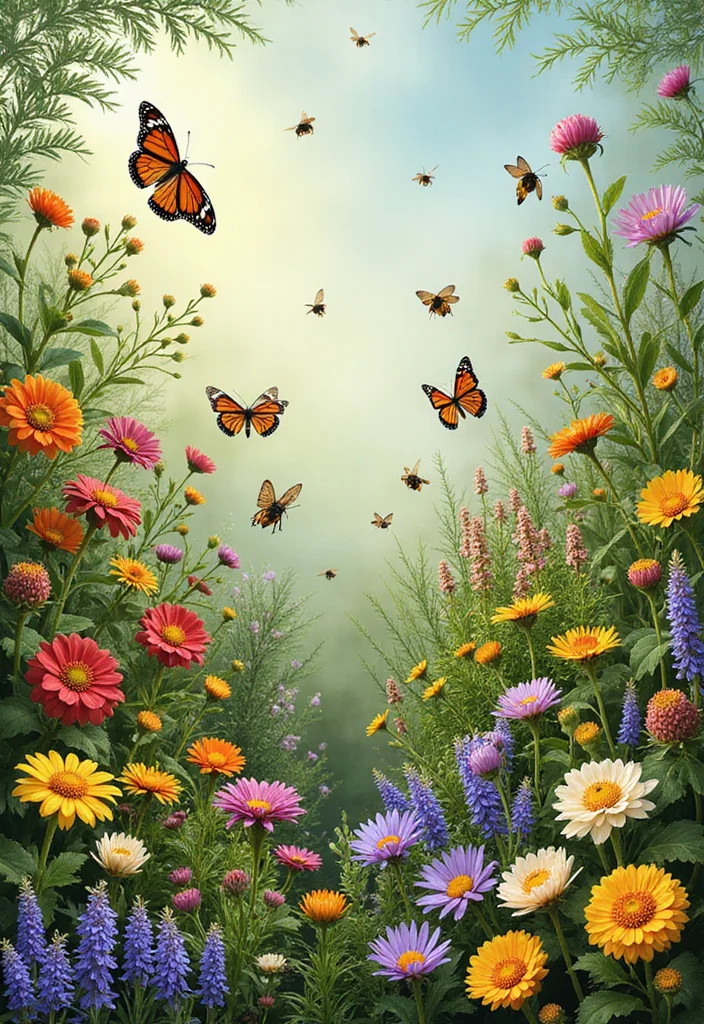
Creating a pollinator paradise in your garden not only enhances its beauty but also aids local wildlife. Use a variety of flowering native plants to attract bees, butterflies, and birds. Plants like hebe and flax offer essential nectar and shelter for these important garden allies.By ensuring a diverse selection of blooms, you can provide food sources for pollinators throughout the year. Grouping similar plants together can also help create habitats for these beneficial insects, making your garden a lively ecosystem.- Design a layered planting scheme for shelter
– Avoid using pesticides to keep pollinators safe
– Include a shallow water source for drinking
– Plant in clusters for better attraction
7. Colorful Contrast: Creating Visual Interest
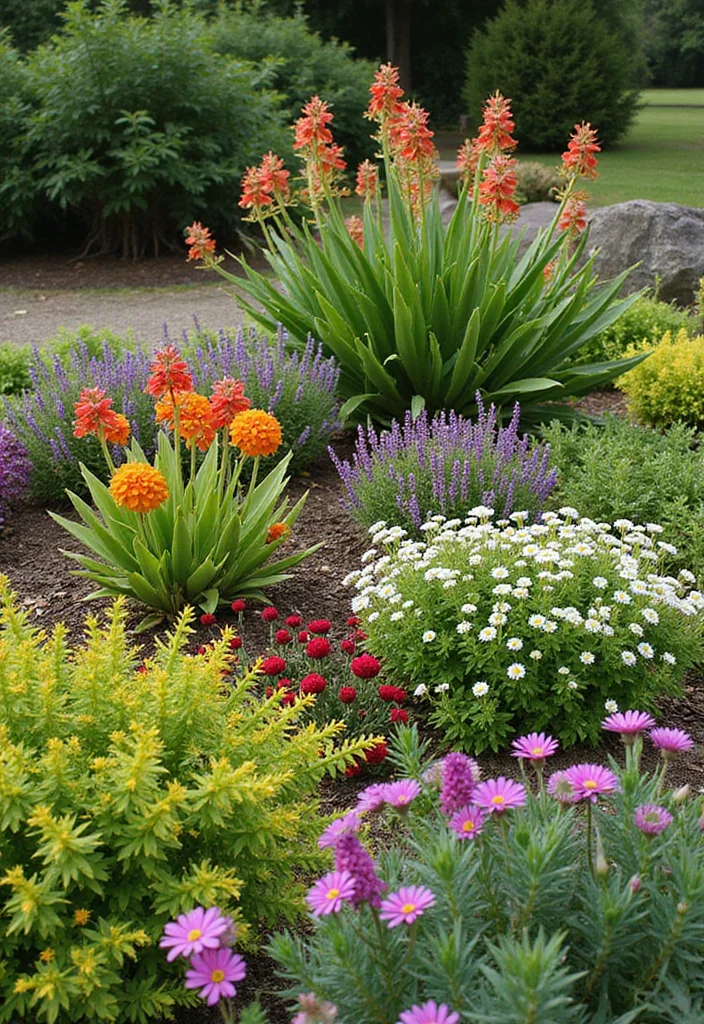
Color plays a vital role in making your native garden captivating. Use contrasting foliage and flowers to create a striking visual display. For example, the bold red of pohutukawa against soft green native ferns creates a stunning effect throughout your garden.Plan your garden layout with color in mind, ensuring that blooms complement each other across different seasons. Consider texture too; pairing smooth leaves with spiky foliage can add more visual excitement.- Group plants by color for a harmonious look
– Use borders to define colorful areas
– Change plant selections with the seasons for ongoing interest
– Incorporate annuals for quick pops of color
8. Rock Gardens: Natural Textures
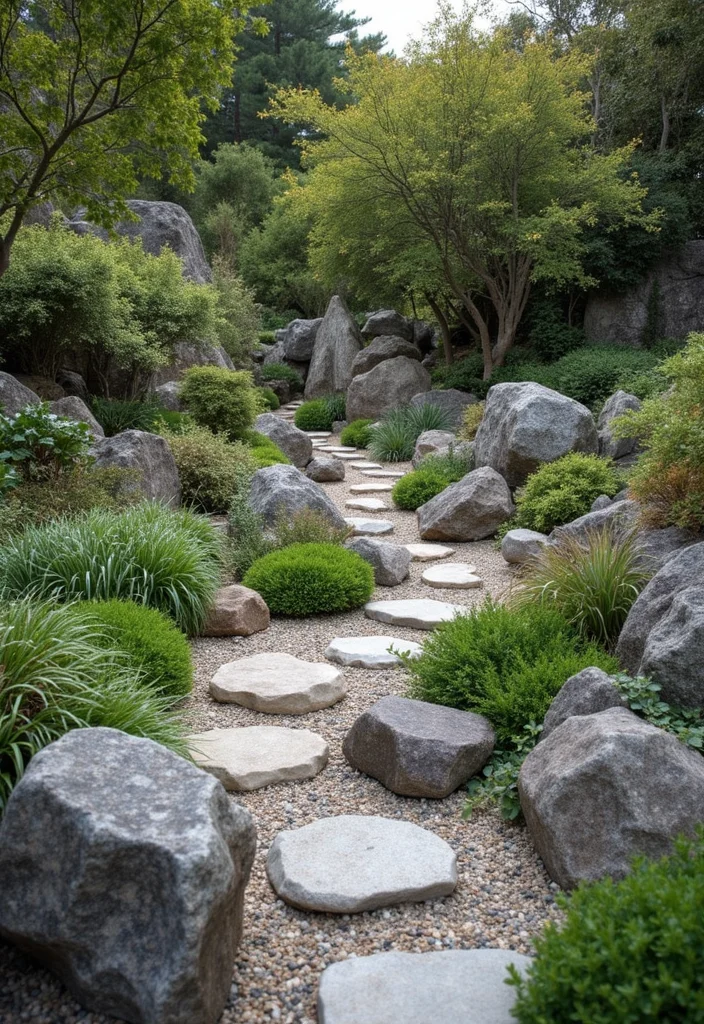
Rock gardens offer a unique way to add textures to your landscape. By using stones and boulders, you can mimic New Zealand’s natural scenery while providing a home for alpine plants like raoulia and native succulents. This combination creates a visually appealing and low-maintenance area.The rocks help retain heat, benefiting your plants during cooler months. By incorporating various textures and colors in both your stones and plants, you can create a dynamic and inviting space.- Create paths with smaller stones to guide visitors
– Use native mosses to fill gaps for added greenery
– Choose stones of different sizes for visual interest
– Add ground cover plants to soften rocky areas
9. Seasonal Sensations: Gardens That Change
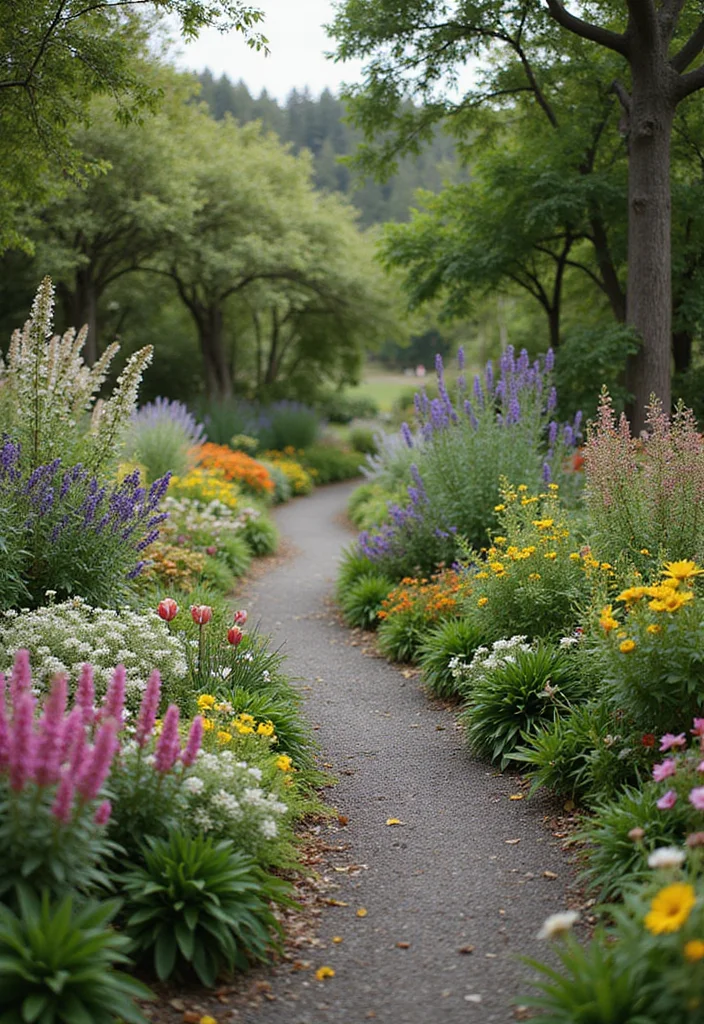
Your garden can be an ever-changing canvas with the right native plants. By choosing plants that bloom in different seasons, your landscape can remain vibrant year-round. For example, think of having flowering cabbage trees in spring and bright red flax flowers in summer.Planning your planting schedule will ensure blooms and interest from early spring through late autumn. This not only keeps your garden lively but supports local wildlife throughout the year.- Create a seasonal bloom calendar to track flowers
– Use contrasting plants for seamless month-to-month transitions
– Select foliage that remains interesting even when blooms fade
– Incorporate perennials for lasting beauty
10. Outdoor Living Spaces: Merge Nature and Comfort
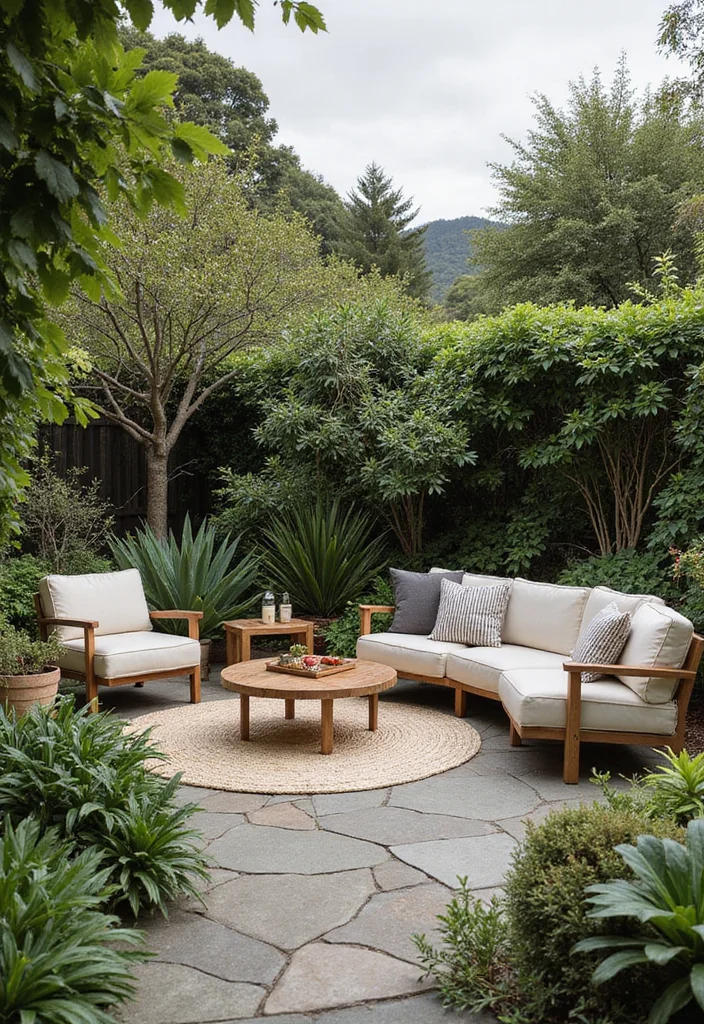
Designing outdoor living spaces is about blending comfort with the beauty of nature. Surround your patio or deck with native plants like native flax or cabbage trees to create a natural privacy screen. This not only enhances your space but also adds a touch of nature for a serene atmosphere.Think about your lifestyle when arranging seating—cozy fire pits or hammocks nestled among trees can create inviting spots. This design approach makes it easy to enjoy nature while relaxing in your own backyard oasis.- Use native plants to create privacy without obstructing views
– Choose outdoor furniture that complements your garden style
– Incorporate lighting that enhances evening ambiance
– Add outdoor rugs for comfort and warmth
11. Themes and Styles: Personalize Your Garden
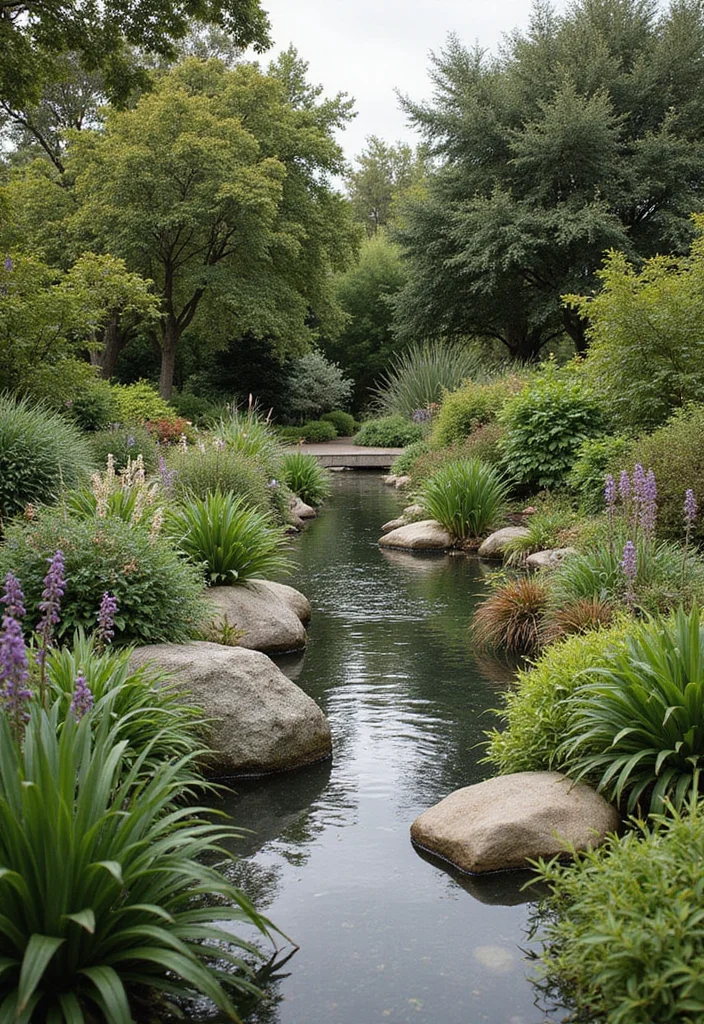
Having a clear theme can give your native garden a unique personality. Whether you want a rustic natural look or a sleek modern aesthetic, using native plants can help you achieve your vision. Look into traditional Maori garden designs or contemporary minimalist styles for inspiration.Ensure every aspect of your garden—plants, paths, and decorations—align with your overall theme. This creates a seamless experience as you explore different areas of your garden.- Choose plants that reflect your desired style
– Incorporate themed decor elements like sculptures or water features
– Use color schemes that enhance your chosen style
– Keep maintenance in mind to preserve the theme
12. Community Gardens: Growing Together
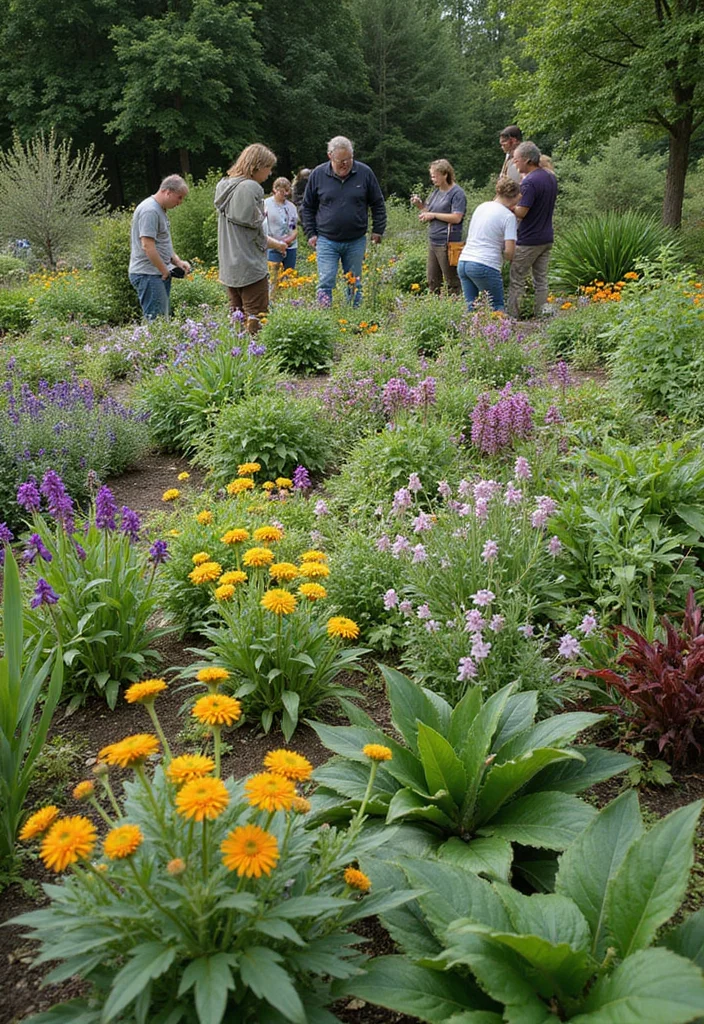
Getting involved in community gardens can elevate your gardening experience. Collaborating with others allows you to share knowledge about native plants and sustainable practices. Together, you’ll cultivate not just plants but friendships, creating a strong community bond.Community gardens also help improve local ecosystems by increasing biodiversity. Organizing workshops and events can further strengthen this community spirit.- Find a location that encourages gathering and participation
– Plan educational programs to share gardening knowledge
– Include communal edible spaces that everyone can enjoy
– Create a welcoming atmosphere for new members
13. Water Features: Enhance Your Space
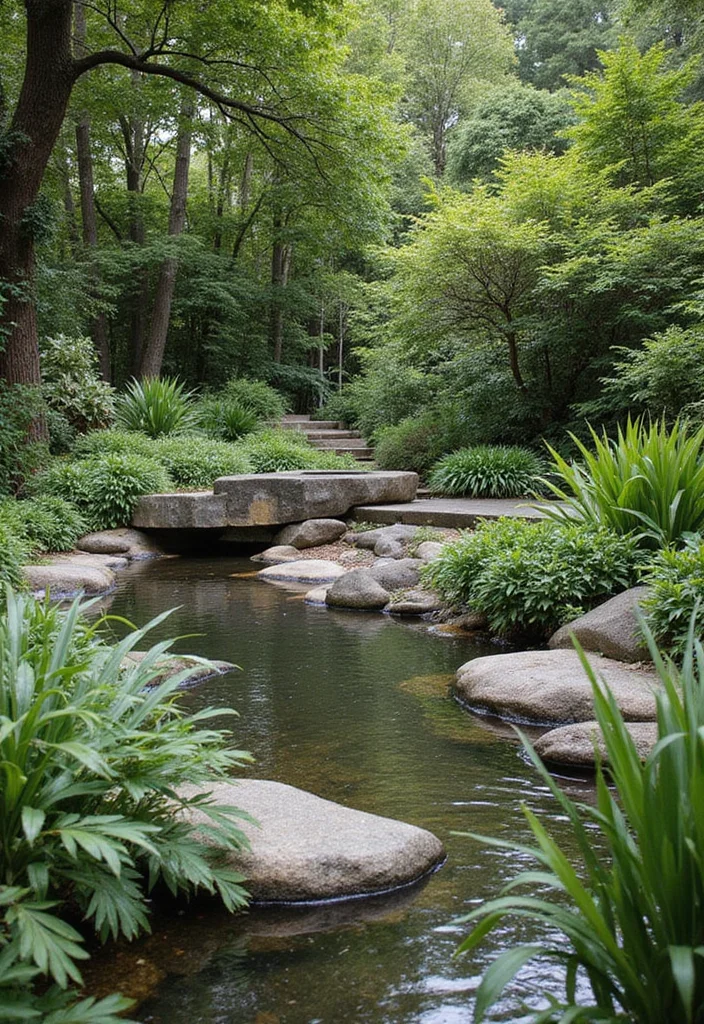
Adding a water feature to your garden can create a calm atmosphere while attracting local wildlife. Using native aquatic plants like water lilies and ribbonwood enhances the beauty and provides habitats for birds and insects. A simple pond or fountain can serve as a refreshing retreat for pollinators, offering hydration in hot weather.Choose designs that complement the overall theme of your garden. The gentle sound of flowing water can greatly enhance the peaceful ambiance of your outdoor space.- Plan for regular maintenance to keep water features clean
– Surround water features with rocks and plants for a natural look
– Position features where they can be easily viewed and enjoyed
– Incorporate lighting to highlight water features at night
14. Native Grasses: Adding Movement and Texture
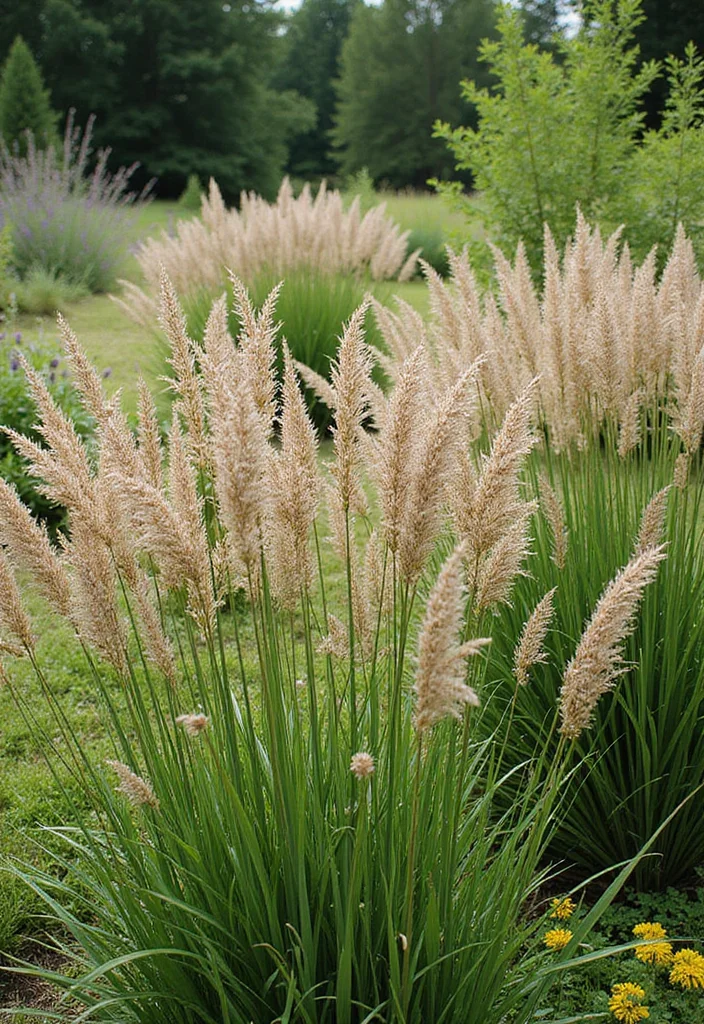
Incorporating native grasses into your garden can bring movement and texture to your landscape. Grasses like toe toe and flax create soft waves in the breeze, enriching the visual appeal of your garden. They are versatile and thrive in many conditions, making them great additions to various styles.Consider grouping grasses in clusters to create bold statements or using them as natural screens for privacy. Pairing them with flowering plants can provide a lush, layered effect that adds depth to your garden.- Cluster grasses together for a striking impact
– Mix different heights and textures for diversity
– Use grasses as natural privacy screens
– Incorporate seasonal grasses for changing beauty
15. Local Resources: Support Your Community
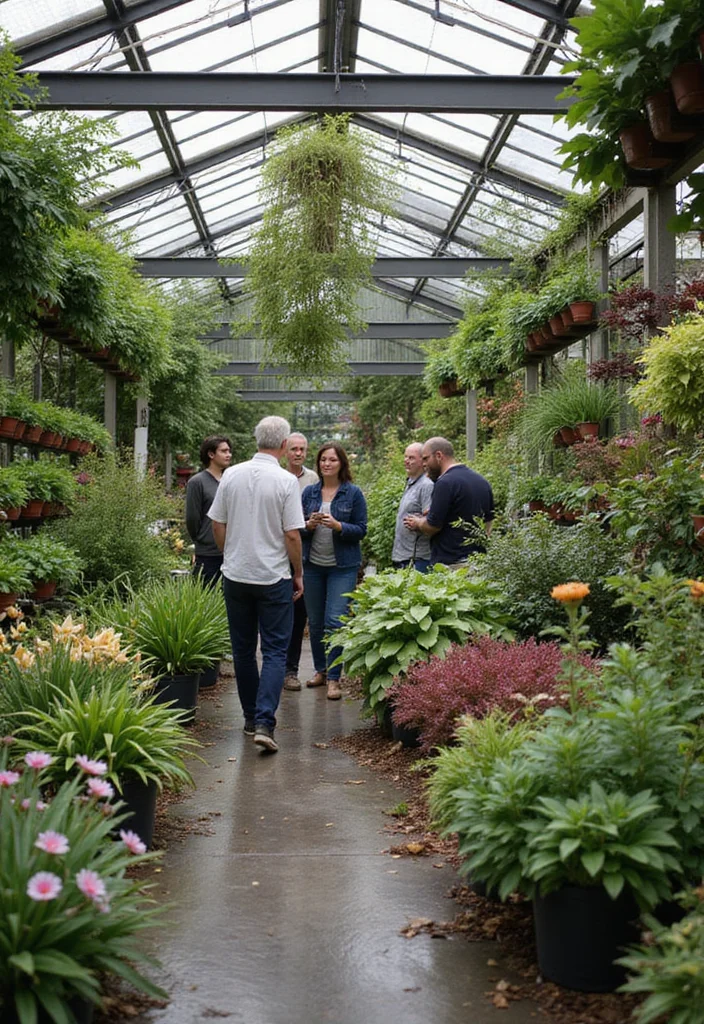
Using local resources benefits both your garden and the community. Sourcing native plants from nearby nurseries ensures you get quality plants suited to your region. Many local shops also provide helpful advice on plant care, guiding you to success in your gardening journey.Joining local gardening groups or events connects you with others who share your passion. This collaboration can foster a sense of responsibility toward the local environment while building community ties.- Visit local botanic gardens for inspiration
– Attend workshops or volunteer for community projects
– Share your gardening experiences to spread knowledge
– Collaborate with local schools for educational opportunities
16. Native Plant Education: Learn and Share
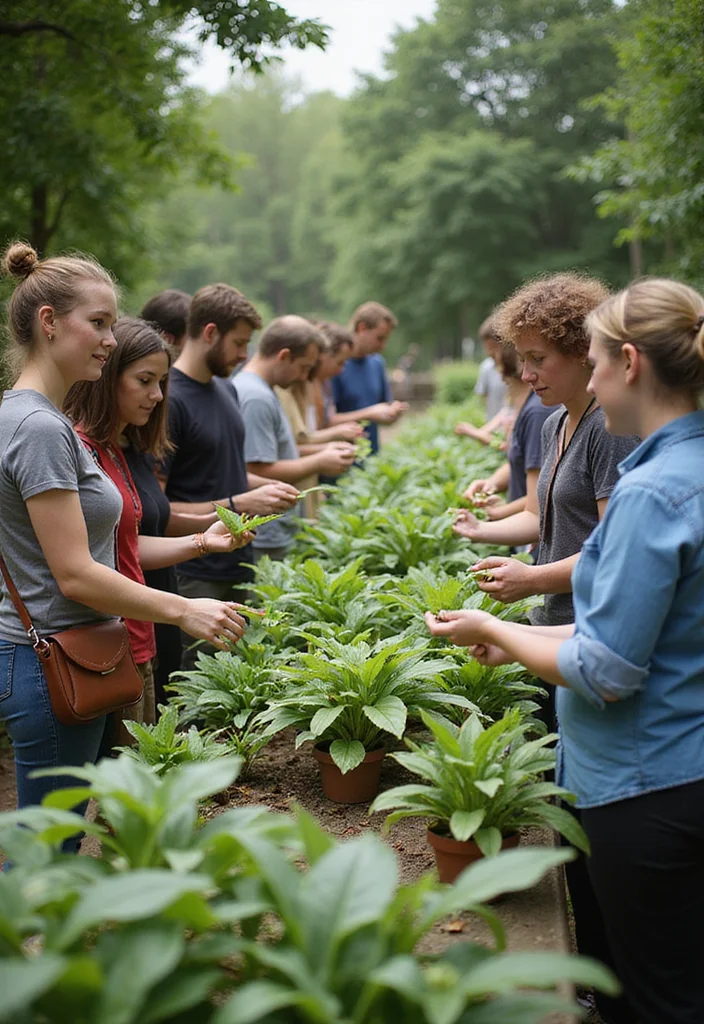
Learning about native plants is a rewarding journey that deepens your appreciation for your garden. By understanding New Zealand’s unique flora, you can select the best plants for your space and learn their environmental roles. This knowledge can not only beautify your garden but also enhance its ecological value.Sharing your knowledge with friends and family can inspire them to embrace native gardening too. Consider hosting workshops or tours to engage your community and foster a love for local plants.- Create informative signs to educate visitors
– Partner with schools or groups for educational events
– Use social media to document and share your gardening journey
– Encourage discussions about sustainable gardening practices
17. Climate-Resilient Gardens: Prepare for the Future
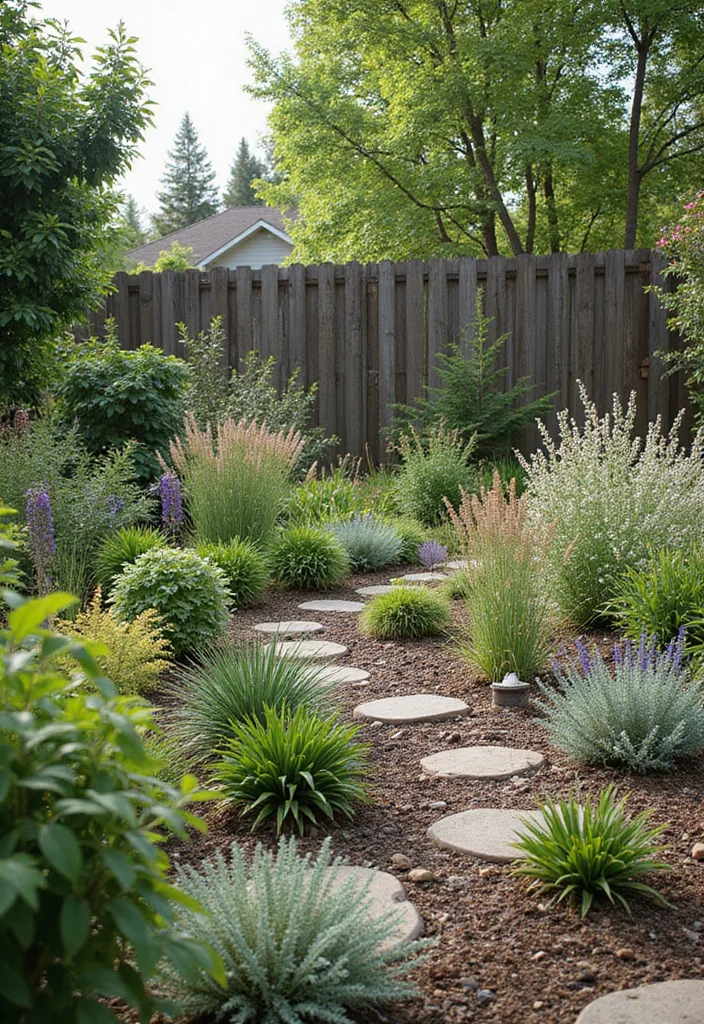
Building a climate-resilient garden is crucial in today’s changing environment. By selecting drought-tolerant native plants, you can create a thriving landscape that conserves water. Plants like native sedges and pohutukawa are perfect for this sustainable approach.Incorporating practices like mulching and rainwater collection will enhance the resilience of your garden. This not only helps your plants but also contributes positively to the local ecosystem.- Design your garden with water efficiency in mind
– Group drought-tolerant plants for easier care
– Explore xeriscaping techniques for sustainable design
– Use rain barrels to collect and utilize rainwater
18. Artistic Sculptures: Adding Focal Points
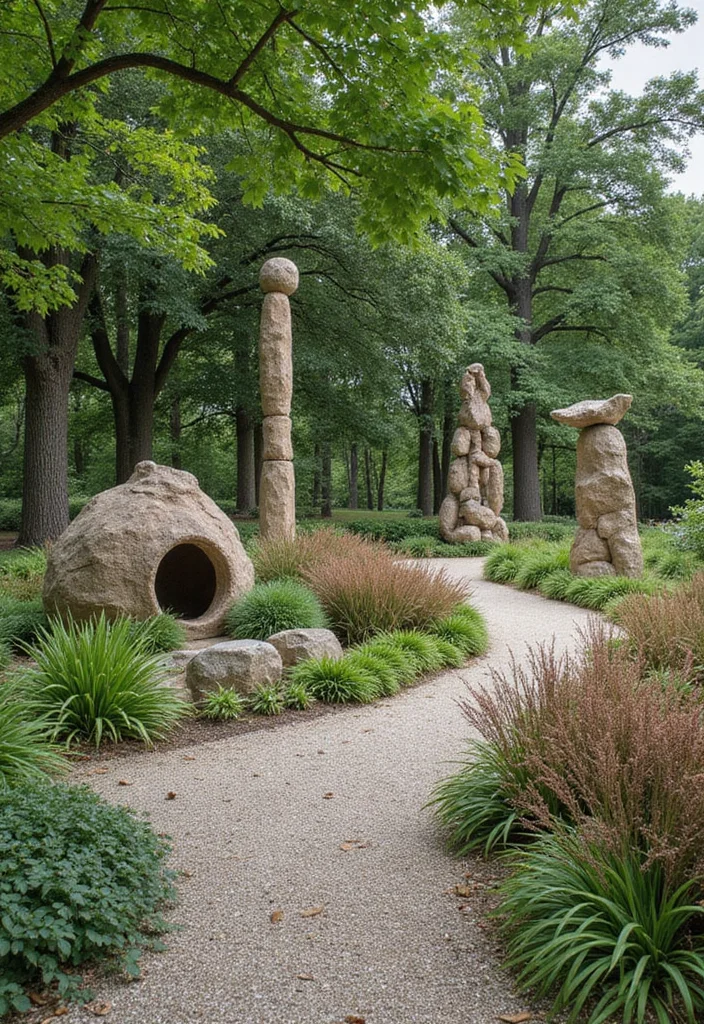
Adding artistic sculptures to your garden can create stunning focal points. These pieces can reflect the native environment, like bird shapes or natural materials like wood and stone, enhancing your connection to nature. Positioning sculptures thoughtfully can guide visitors through your garden, sparking curiosity and reflection.This artistic touch not only beautifies the space but also reflects your personality, making your garden uniquely yours. Consider how size and scale relate to your plants to maintain balance in the design.- Choose durable materials for outdoor sculptures
– Place sculptures to create visual pathways in your garden
– Consider the scale of sculptures in relation to plants
– Rotate sculptures seasonally for fresh perspectives
19. Garden Parties: Celebrate with Nature
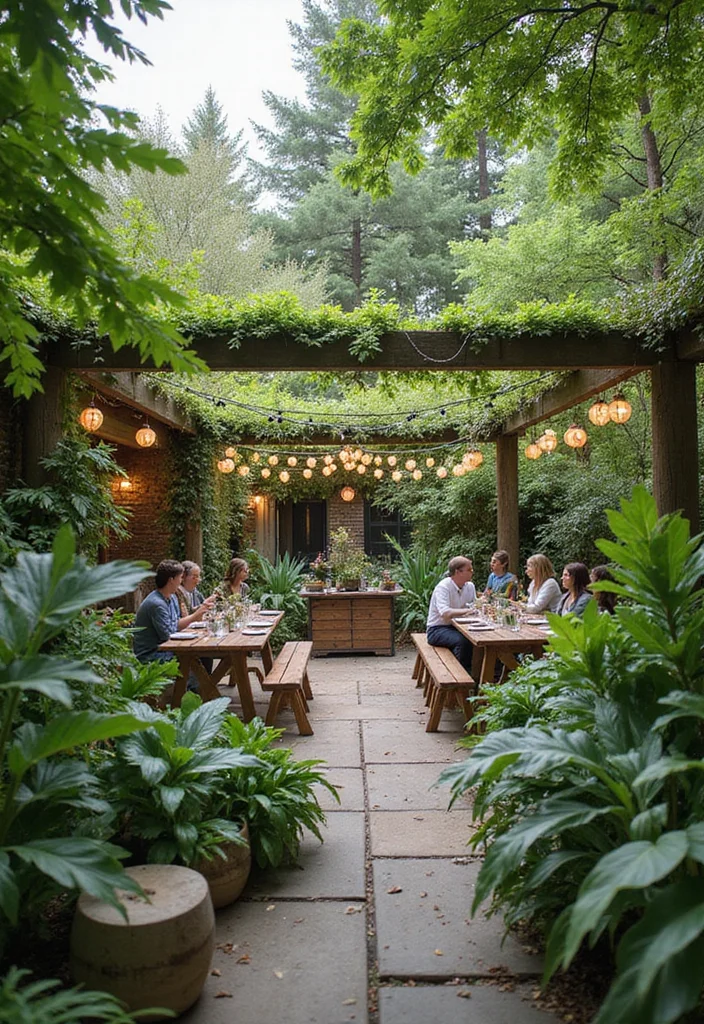
Turn your garden into a charming venue for celebrations. Whether hosting a small gathering or a larger event, using your native garden as a backdrop creates a memorable experience. Set up comfortable seating areas surrounded by beautiful plants, and consider ambient lighting for evening festivities.Incorporating fresh ingredients from your garden into your menu makes it a delightful farm-to-table experience. This connection to nature deepens appreciation for sustainability and local flavors.- Use natural decorations from your garden to enhance the atmosphere
– Plan seating to maximize garden views
– Offer guided tours of your garden to guests
– Create a themed menu that highlights seasonal produce
20. The Future of Gardening: Innovation Meets Tradition
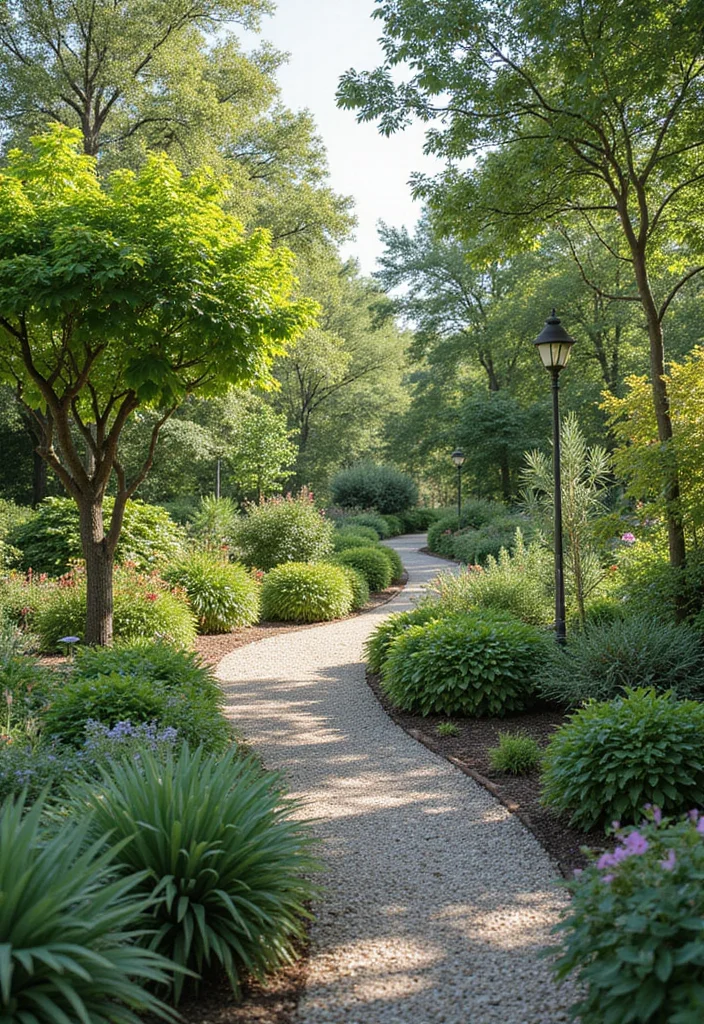
The future of gardening blends innovation with time-honored practices. New Zealand native gardens can benefit from modern techniques like permaculture or hydroponics, enhancing productivity while focusing on sustainability. Implementing technology, like smart irrigation systems, can optimize water usage and care.By combining traditional wisdom with new solutions, you can cultivate a thriving garden that honors the past while preparing for the future. As gardeners, embracing these innovations is essential to caring for our planet.- Keep informed about new gardening technologies
– Share your gardening successes with the community
– Advocate for sustainable gardening practices
– Experiment with new techniques to enhance your garden
Conclusion: Grow Your Sustainable Native Garden
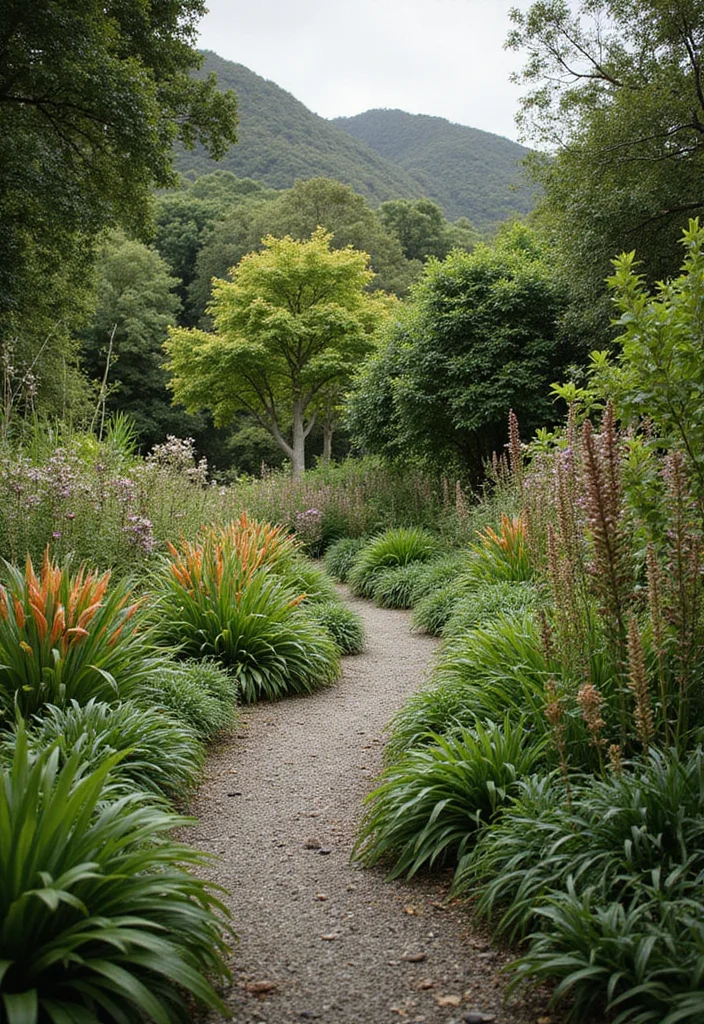
As you embark on this journey of creating a native garden, remember that every plant contributes to a larger ecosystem.
By integrating sustainable practices and celebrating New Zealand’s unique flora, you’ll not only beautify your space but also foster biodiversity and community connections. Let these ideas lead you toward a flourishing garden that reflects your love for nature and commitment to sustainability.
Frequently Asked Questions
What are the benefits of incorporating NZ native plants into my garden design?
Incorporating NZ native plants into your garden design offers a multitude of benefits! These plants are well adapted to the local climate, which means they require less water and maintenance compared to non-native species. By choosing native plants, you also support local biodiversity, creating a habitat for native wildlife like birds and insects. Plus, they add unique beauty and character to your outdoor space, enhancing the overall aesthetics of your garden.
How can I create a sustainable garden using native plants?
Creating a sustainable garden with native plants starts with understanding your local environment. Begin by selecting species that thrive in your area and match your garden’s conditions, such as soil type and sun exposure. Incorporate a variety of plants for biodiversity and to attract beneficial insects. Implement sustainable gardening practices like composting, mulching, and rainwater collection to minimize waste and conserve resources. This approach not only benefits the environment but also ensures a thriving garden!
What are some creative landscape design ideas using NZ native plants?
There are so many exciting landscape design ideas using NZ native plants! Consider creating a layered garden with taller native trees providing shade, mid-height shrubs for structure, and ground covers for a lush look. You could design a sensory garden with aromatic herbs and vibrant flowers, or even a native edible garden featuring species like kawakawa or harakeke. Use natural materials like stone and wood to enhance the organic feel of your garden, making it a beautiful retreat for you and local wildlife.
How do I choose the right native plants for my garden?
Choosing the right native plants involves a bit of research! Start by assessing your garden’s conditions, such as sunlight, soil type, and moisture levels. Visit local nurseries or botanical gardens to learn about native species that thrive in your area. Consider the size and growth habits of the plants to ensure they fit your garden design. Additionally, think about the ecological benefits they provide and how they can support local wildlife. With the right choices, you can create a vibrant and sustainable garden!
What role do native plants play in promoting biodiversity in gardening?
Native plants are crucial for promoting biodiversity in gardening! They provide essential habitats and food sources for local wildlife, including pollinators like bees and butterflies. By integrating native species into your garden, you help maintain the ecological balance and support the food web in your area. Moreover, native plants are better suited to cope with local pests and diseases, which means less need for chemical inputs. This not only enhances the health of your garden but also contributes to a more sustainable environment!