

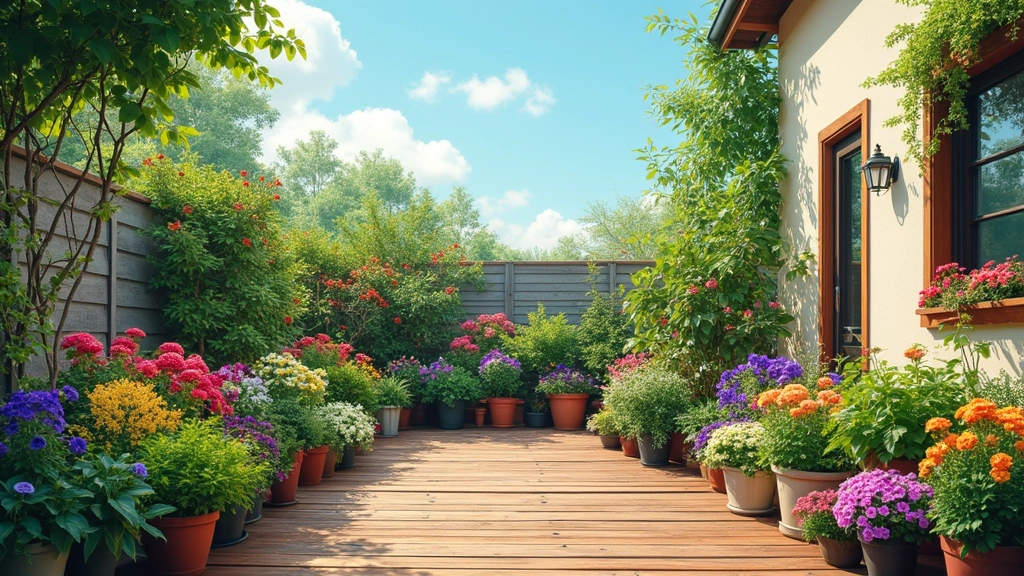
Spring is here, and it has me dreaming of lush gardens and vibrant flowers. If you’re like me and want to bring a little life to your yard without breaking the bank, you’re in the right place. Gardening can feel overwhelming, especially if you’re on a budget, but it doesn’t have to be.
This post is for homeowners who love the idea of a beautiful garden but worry about the costs. Whether you’re a seasoned gardener or just starting out, you probably want to make the most of your space without spending a fortune. The good news? You don’t need a big budget to create a stunning outdoor space.
I’ve put together a list of 30 easy garden ideas that are affordable, creative, and perfect for any yard or patio. These ideas will help you get your hands dirty and transform your garden into a cozy retreat. You’ll find tips on using recycled materials, clever planting techniques, and even a few DIY projects to make your space shine.
So grab your gardening gloves and let’s dive into these budget-friendly ideas that will inspire your green thumb and brighten up your home. Your dream garden is just a few simple steps away!
1. Upcycled Container Garden
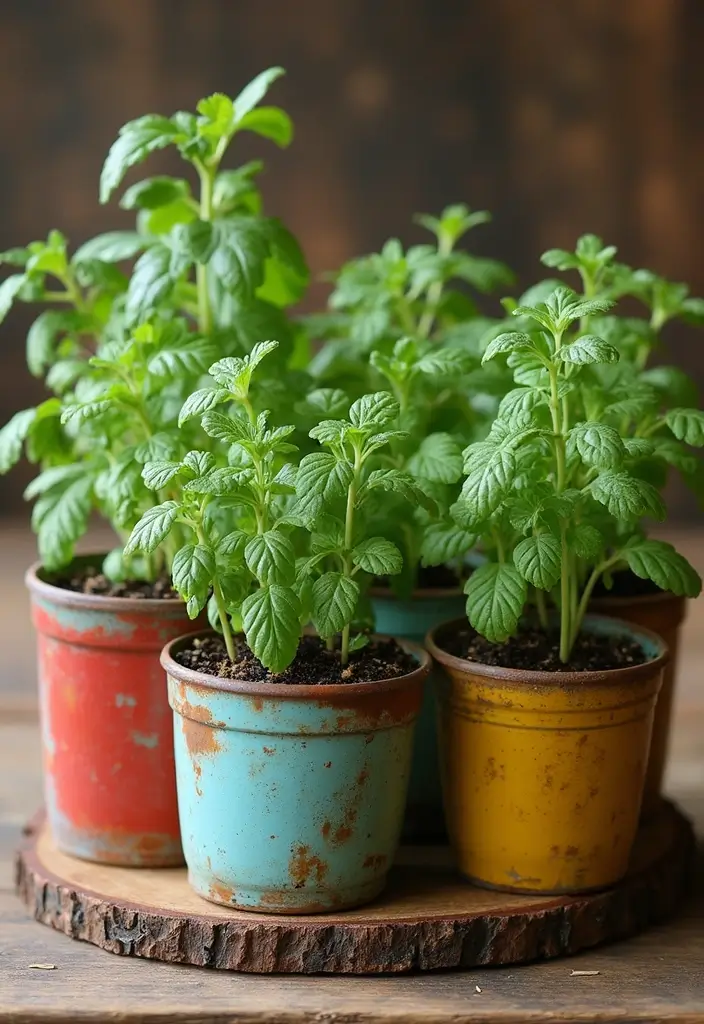
Create a vibrant upcycled container garden that showcases your creativity and love for the environment. You can turn everyday kitchen items into delightful planters. Imagine planting fresh herbs in colorful teacups, old colanders, or even rustic wooden crates. Each piece tells a story and adds character to your space. This trend is gaining popularity on platforms like Pinterest, where unique container gardens inspire many gardeners.
To start, gather containers from your home. Look for items that can hold soil and plants. If they don’t have drainage holes, simply drill a few to help prevent overwatering. Place your charming planters in a sunny spot on your balcony or patio to ensure your herbs grow strong. Not only is this a budget-friendly way to garden, but it also beautifies your home and makes it feel inviting.
• Choose colorful containers like teacups or colanders for a fun look
• Add drainage holes for healthy plants
• Arrange them in sunlight for optimal growth
• Paint or decorate them to match your style for extra flair
This approach not only saves you money but also promotes sustainability. Every time you glance at your upcycled garden, you’ll feel proud knowing you’ve transformed waste into something beautiful. Plus, growing your own herbs means you can enjoy fresh flavors in your cooking, making every meal a little more special.
2. Vertical Garden Solutions
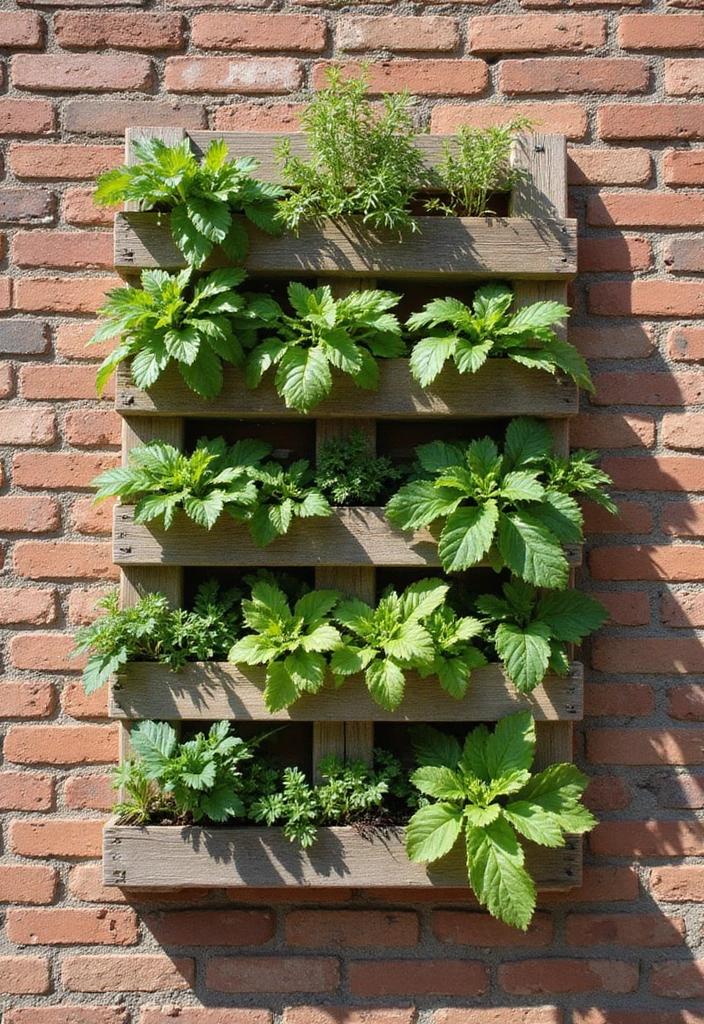
Turn your garden dreams into reality by going vertical! If you’re short on space, a vertical garden is the perfect solution. Imagine lush greenery climbing up a wall or cascading down from shelves. You can use rustic wooden pallets, repurposed ladders, or even stylish wall-mounted pockets. This not only saves ground space but also transforms bland walls into stunning focal points. Pinterest is buzzing with these creative ideas, and it’s easy to see why!
To get started, choose lightweight soil that won’t weigh down your structure. Opt for plants that naturally grow upwards, like climbing beans or sweet strawberries, which can thrive in small spaces. You can also make maintenance a breeze by installing simple irrigation systems or using self-watering planters. Mix ornamental plants with edible ones for a garden that’s both beautiful and functional. Imagine picking fresh herbs while enjoying the view of your unique green wall—it’s a fantastic way to enhance your outdoor space.
• Use lightweight soil to support vertical growth
• Choose climbing plants like beans and strawberries
• Install self-watering planters for easy care
• Mix edibles and ornamental plants for variety
Vertical gardens aren’t just a pretty sight; they can also purify the air in your home if you place them indoors. With a little creativity, you can create a gorgeous green space that feels fresh and inviting.
3. DIY Garden Edging
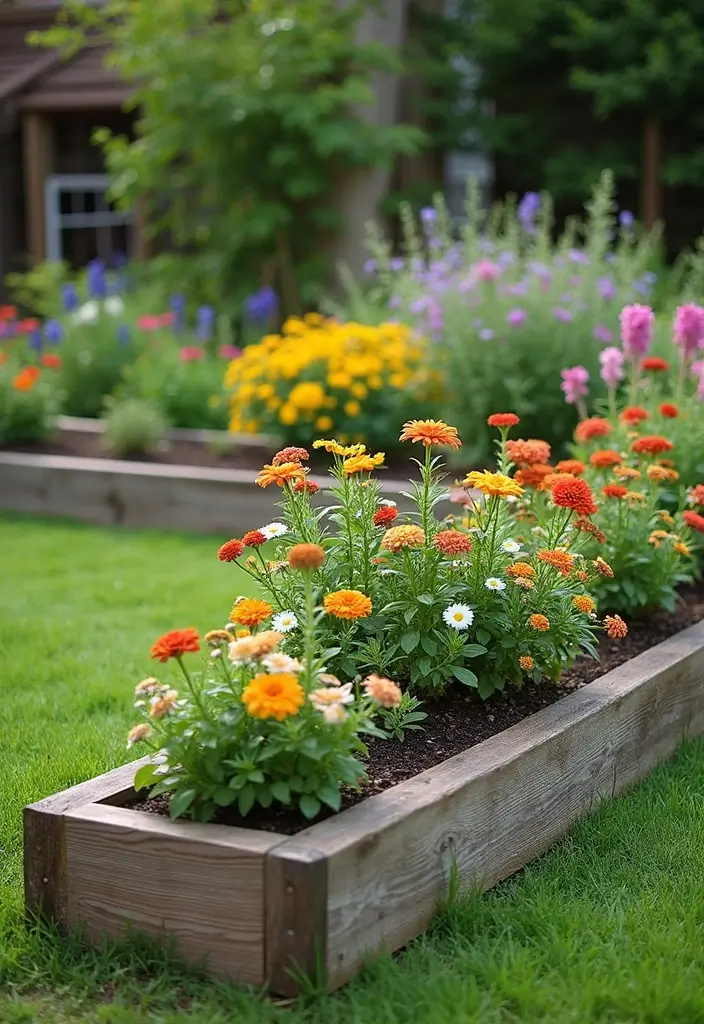
Elevate your garden’s style with DIY garden edging that doesn’t break the bank. A well-defined edge not only keeps your plants organized but also adds a touch of charm. Think about using materials like smooth stones, rustic bricks, or even reclaimed wood. These options create beautiful borders that fit right into nature. You might find inspiration on Pinterest, where many homeowners showcase their creative styles using these natural elements.
To get started, dig a shallow trench where you want to place your edging. This simple step keeps everything in place and looking neat. You can choose straight lines for a modern feel or go for curves to create a more traditional look. If you’re on a budget, consider sourcing materials from local recycling centers or even your backyard. This DIY project not only adds beauty but also gives your garden a polished, cared-for appearance, making your outdoor space feel inviting and well-thought-out.
• Use smooth stones for a natural look
• Choose reclaimed wood for rustic charm
• Pick bricks for a classic, sturdy edge
• Add mulch or gravel inside the border for extra texture
Creating your own garden edging is a fun way to express your personal style while enhancing the overall feel of your garden. With a bit of creativity, you can transform any outdoor space into a visually appealing retreat.
4. Repurposed Furniture Planters
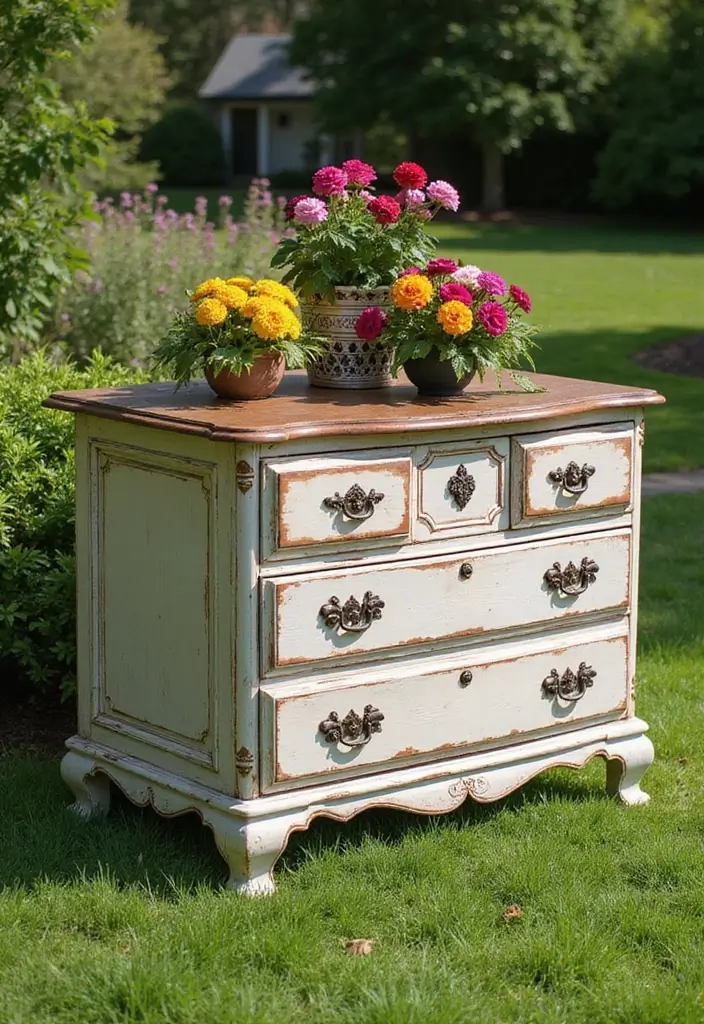
Turn your old furniture into charming garden planters and give your outdoor space a unique twist. Imagine that unused dresser or a broken chair transformed into a colorful plant display. You can paint it in bright hues or even go for a rustic look with a weathered finish. Pinterest is full of inspiration for this fun DIY project, and it’s a great way to express your style while saving money.
To create your own furniture planters, start by removing the drawers or seat. Line the interiors with landscaping fabric to hold the soil, and then fill them with potting mix. Choose plants that thrive in shallow spaces, such as succulents or herbs. Remember to seal any wooden surfaces with non-toxic varnish to protect against moisture. This budget-friendly approach not only enhances your garden but also adds character, making it feel inviting and lively.
• Remove drawers or seats for planting space
• Line with landscaping fabric to retain soil
• Choose shallow-rooted plants like herbs or succulents
• Seal wood with non-toxic varnish for protection
Using furniture as planters not only gives your garden a whimsical touch but also serves as a great conversation starter. Each piece tells a story and adds a personal flair to your outdoor retreat. So gather your old furniture and get creative—your garden deserves it!
5. Herb Spiral
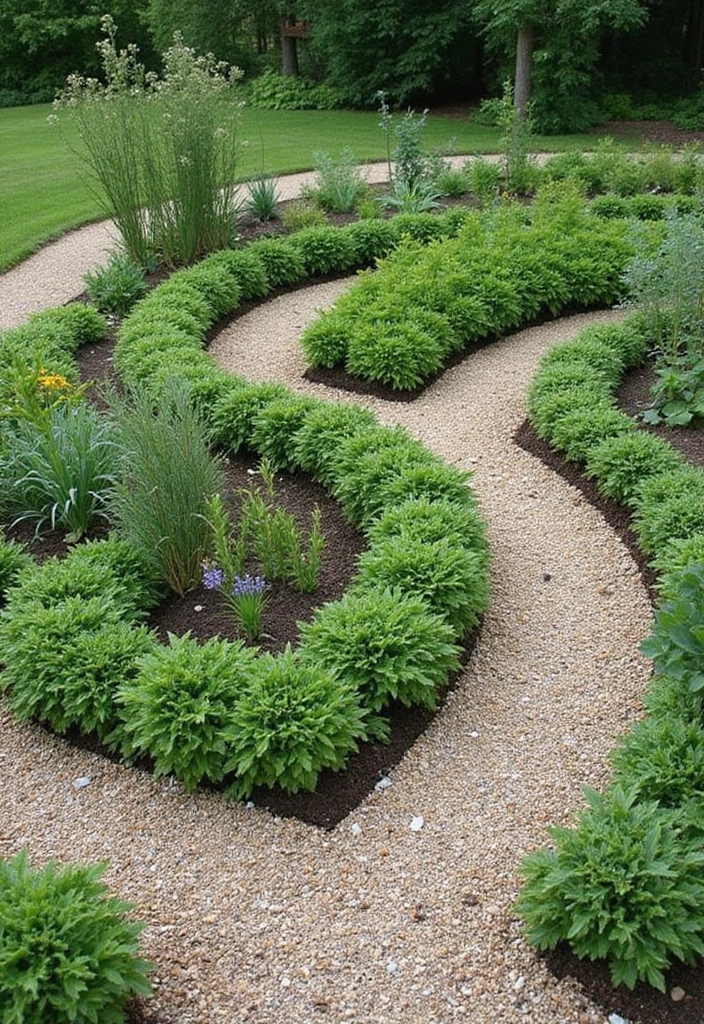
Create a stunning herb spiral for your garden and enjoy a variety of fresh herbs right at your fingertips. This unique, vertical garden design not only makes a striking visual statement but also optimizes your space. You can use natural materials like stones and soil to build your spiral, creating different microclimates for each herb. Pinterest is buzzing with these spirals, showcasing lush rosemary at the top and vibrant basil at the base, each thriving in its ideal environment.
Getting started with your herb spiral is simple and budget-friendly. Begin by laying down a sturdy foundation of stones for drainage. Stack soil in a spiral, rising higher as you go, to create the perfect growing conditions. Consider using reclaimed materials to keep costs low. This design not only saves space but also makes it easy to access your herbs, giving your cooking a fresh twist. Imagine stepping into your garden and snipping fresh thyme or mint whenever you need it. It feels rewarding and is perfect for those who love cooking with fresh ingredients.
• Start with stones for effective drainage.
• Stack soil in a spiral for varied climates.
• Choose herbs based on moisture needs: dry at the top, moist at the bottom.
• Add decorative stones or tiles for a polished look.
This herb spiral doesn’t just serve a functional purpose; it also attracts beneficial insects, enhancing your garden’s biodiversity. You’ll enjoy the process of growing your herbs while also contributing to a healthier environment. Dive into this project, and watch your culinary adventures flourish!
6. Mason Jar Herb Garden
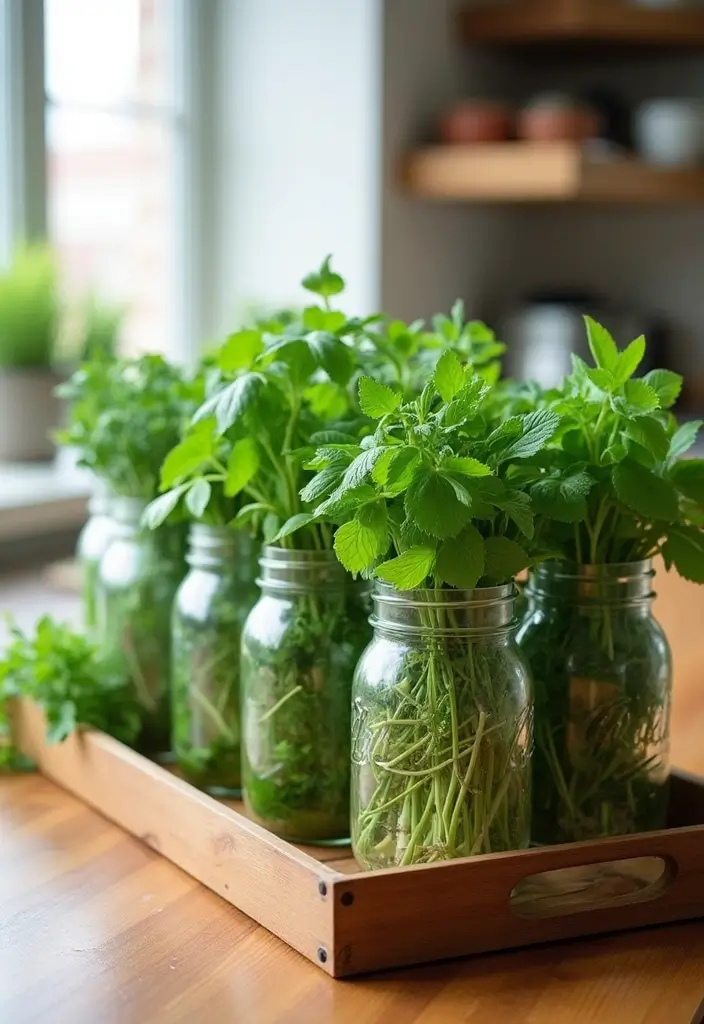
Create a stunning Mason jar herb garden that brings beauty and flavor to your kitchen. These jars are more than just containers for canning; they can be stylish homes for fresh herbs. Picture vibrant green basil, fragrant mint, and zesty cilantro right on your countertop or windowsill. This chic setup not only adds color but also makes cooking easier. As seen in trendy home decor circles, a Mason jar herb garden is an eye-catching way to spice up your space.
To get started, gather some mason jars and potting soil. Make sure to drill small drainage holes in the bottom of each jar. This prevents water from pooling and keeps your herbs healthy. Arrange your jars on a decorative tray or a rustic wooden board for a coordinated look. This setup is not just affordable; it also enhances your kitchen’s warmth and charm, creating a welcoming atmosphere for family and friends.
• Choose herbs like basil, mint, and cilantro for culinary use
• Drill drainage holes in jars to keep herbs healthy
• Arrange jars on a tray for a stylish presentation
• Personalize gifts with recipe cards for a special touch
With these simple steps, you’ll have a delightful herb garden that not only serves a practical purpose but also brightens your kitchen. Perfect for gifting or for your own cooking needs, Mason jar herb gardens are a fun and budget-friendly way to bring the joy of gardening indoors.
7. Straw Bale Gardening
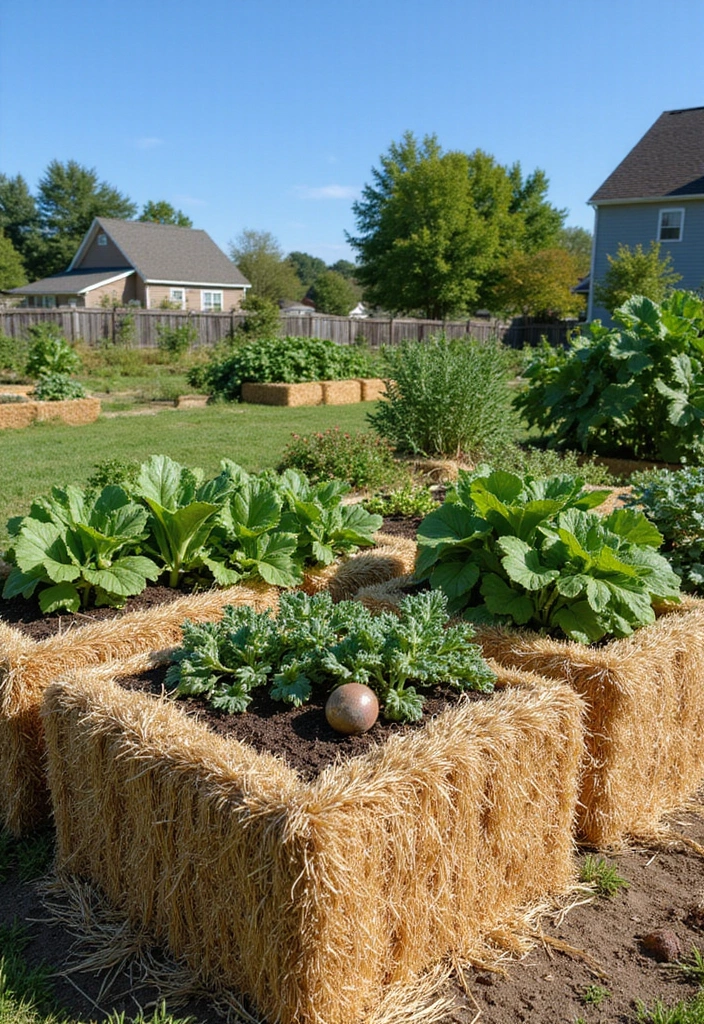
Discover the charm of straw bale gardening, a budget-friendly method that makes growing your own vegetables easy and fun! Imagine setting up bales of straw in a sunny spot in your yard. You can plant your seeds or seedlings right into the straw. As the bales break down, they release nutrients into the soil, feeding your plants as they grow. This technique is gaining popularity on social media for its simplicity and effectiveness.
Before you dive in, here are some practical tips to get started. First, soak the bales with water for a few days before planting. This jumpstarts the decomposition process, making the bales more welcoming for your plants. Fast-growing crops like lettuce, radishes, or herbs are perfect for this method. They’ll reward you with quick results, which is great for beginners. Plus, straw bales can double as raised beds, reducing strain on your back as you garden. This eco-friendly approach requires little maintenance, making it ideal for busy homeowners.
• Water the bales for a few days before planting
• Choose fast-growing seeds like lettuce or radishes
• Place the bales in a sunny location for best results
• Use straw bales to create a raised bed effect
Straw bale gardening is perfect for those with less-than-ideal soil conditions. You can grow your favorite veggies even in poor soil! This fun method not only helps you save money but also allows you to enjoy gardening in a way that suits your lifestyle. So grab some straw bales and start planting today!
8. Balcony/Patio Rail Planters
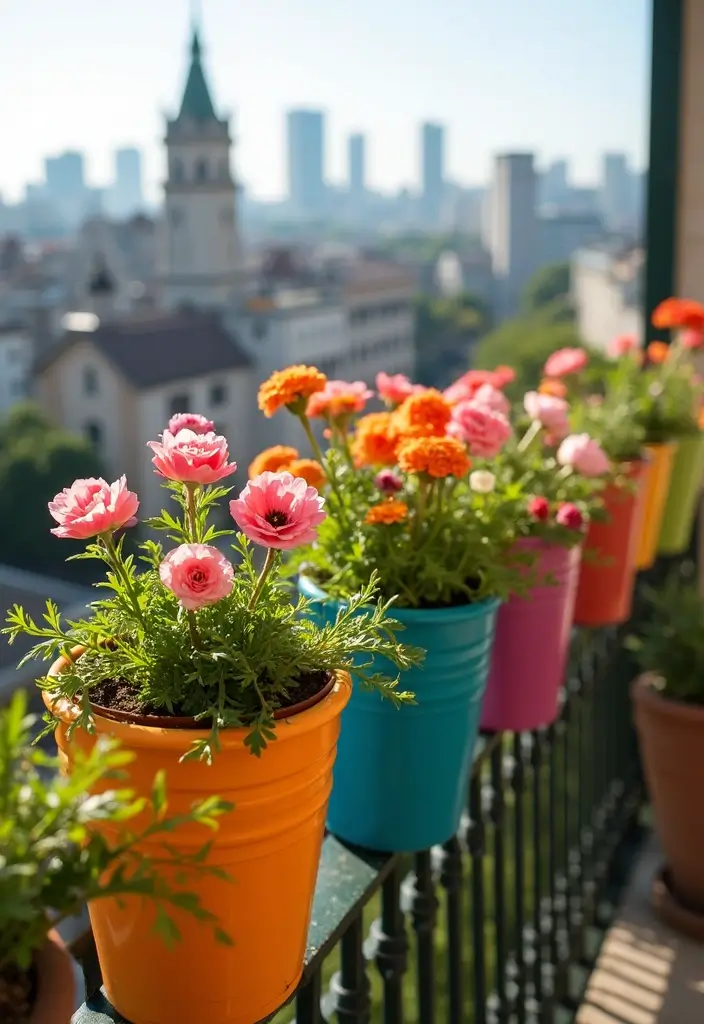
Transform your balcony or patio with rail planters that bring life to your outdoor space. These sleek boxes fit snugly along your railing, allowing you to grow vibrant flowers or fresh herbs without cluttering your floor area. Imagine cascading petunias in shades of purple and pink or fragrant basil and thyme just a reach away. As seen on popular gardening blogs, rail planters not only add color but also elevate the style of your home.
To get started, choose sturdy planters that attach securely and allow for proper drainage. You can find affordable options at local garden centers or online. Mix in trailing plants for a beautiful waterfall effect that draws the eye. This idea works well with both modern and rustic designs, making your outdoor area feel welcoming and cozy. Plus, you’ll enjoy the added benefit of a unique microclimate that provides warmth for your plants.
• Choose sturdy, weather-resistant planters for durability
• Pick a mix of herbs and flowering plants for variety
• Place trailing plants at the front for a cascading look
• Ensure good drainage to keep your plants healthy
With rail planters, your outdoor area can become a stunning garden display without breaking the bank. Enjoy the beauty and freshness just outside your door!
9. DIY Rain Barrel
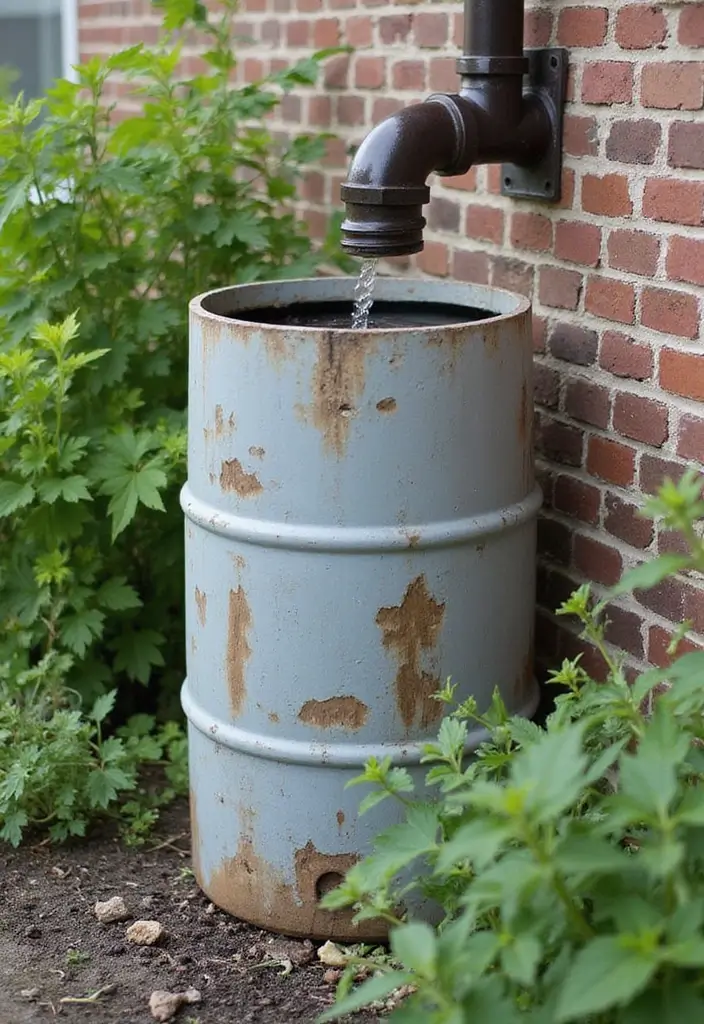
Collecting rainwater with a DIY rain barrel is a smart and eco-friendly way to nourish your garden. Not only does it help you save on your water bill, but it also promotes sustainable gardening practices. Imagine watching your plants thrive with the pure, chemical-free water collected right from your roof. This trend is gaining popularity among homeowners who want to make a positive impact on their environment.
To create your own rain barrel, start with a food-grade plastic barrel and a simple spigot kit. Position the barrel under a downspout to catch as much rainwater as possible. This setup is not only cost-effective but also aligns perfectly with the movement towards greener living. Using rainwater can lead to healthier plants since it’s usually softer and free from harsh chemicals. It’s a small investment with a big payoff for your garden!
Here are some practical tips to get started:
• Choose a food-grade plastic barrel to ensure safety for your plants.
• Place your rain barrel under a gutter downspout for maximum water collection.
• Add a screen or mesh to keep out debris and mosquitoes.
• Use the collected water for your garden, potted plants, or even washing your car.
By incorporating a rain barrel, you’re not just saving money; you’re also making your garden feel more alive and connected to nature. Enjoy the satisfaction of watering your plants with fresh rainwater while contributing to a more sustainable lifestyle. It’s a win-win for both you and the environment!
10. Colorful Flower Pots from Paint
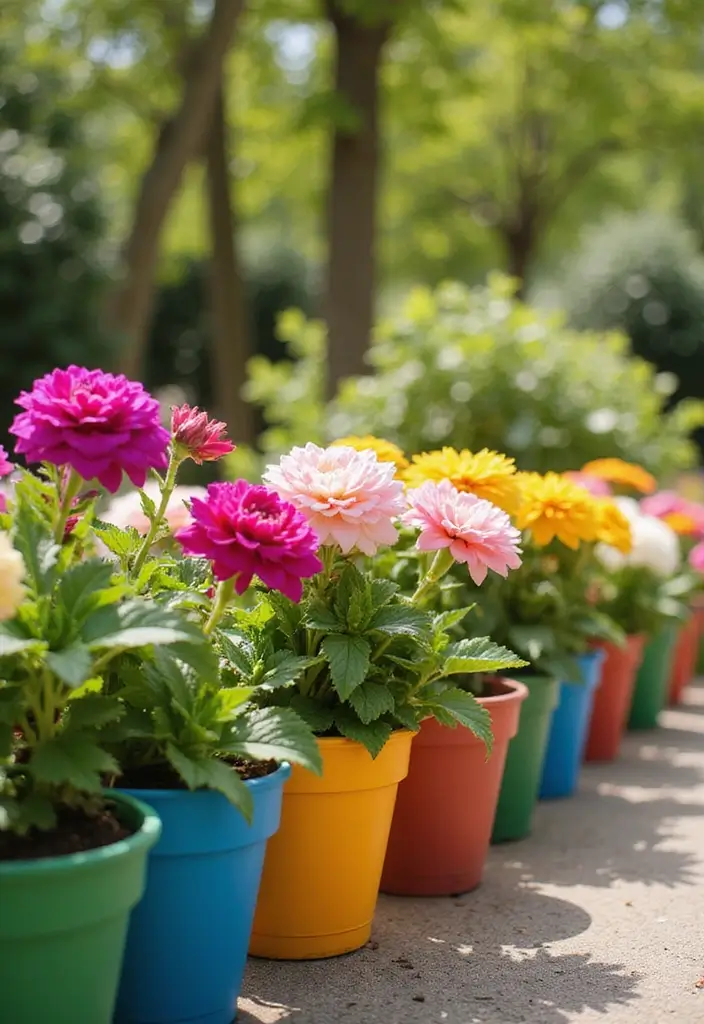
Brighten up your garden with colorful flower pots! Instead of tossing out your old, plain pots, give them a makeover with some paint. Imagine your pots splashed in bold shades of blue, sunny yellow, or even a soft lavender. You can use acrylic or spray paint to match your garden’s vibe. Pinterest is buzzing with these creative ideas, showcasing how a little color can transform your outdoor space into a lively retreat.
To get started, gather your supplies. Choose weather-resistant paint for durability. You can find affordable options at local craft stores or online. For a personalized touch, try using stencils to create eye-catching designs. Want to mix things up? Combine various colors and patterns for a fun, eclectic look. And don’t forget to seal your masterpiece with a clear coat. This step protects your design from the rain and sun, ensuring your pots remain stunning all season. Your garden will feel more inviting, making it a perfect spot for relaxation or entertaining friends.
• Use weather-resistant paint for long-lasting colors
• Choose stencils for detailed designs
• Mix and match colors for a playful effect
• Seal with a clear coat to protect your work
This simple project not only saves money but also allows you to express who you are. So grab those pots and let your creativity shine!
11. Plant Swap Events
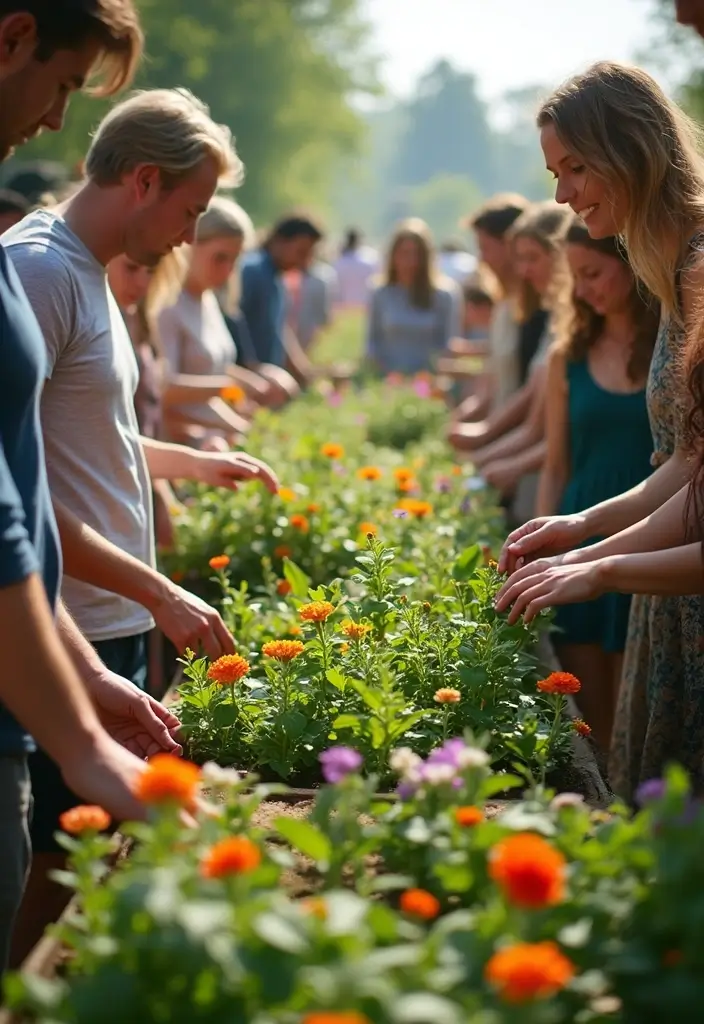
Join the fun of plant swap events to refresh your garden without spending much. These gatherings let you trade your extra seedlings or cuttings for new plants from local gardeners. Imagine swapping a few of your vibrant tomato plants for some rare herbs—what a great way to diversify your garden!
To get involved, start by checking community boards or online gardening groups for upcoming swaps. It’s a good idea to prepare your plants ahead of time. Label them clearly to help others make their choices easily. Plus, getting to know fellow gardeners can lead to future exchanges and valuable advice. You’ll not only bring home new plants but also build a local gardening community.
Here’s why you should consider plant swaps: they’re a treasure hunt for unique varieties that you won’t typically find at garden centers. You might discover unusual plants that make your garden stand out.
Tips for a Successful Plant Swap:
– Bring labeled plants to make trading easier.
– Engage with other gardeners for tips and ideas.
– Research plants that thrive in your local climate.
– Keep an open mind—try swapping for something new!
Plant swap events are a fantastic way to expand your garden while keeping your budget intact. Enjoy the thrill of the swap and watch your garden flourish!
12. Succulent Wall Art
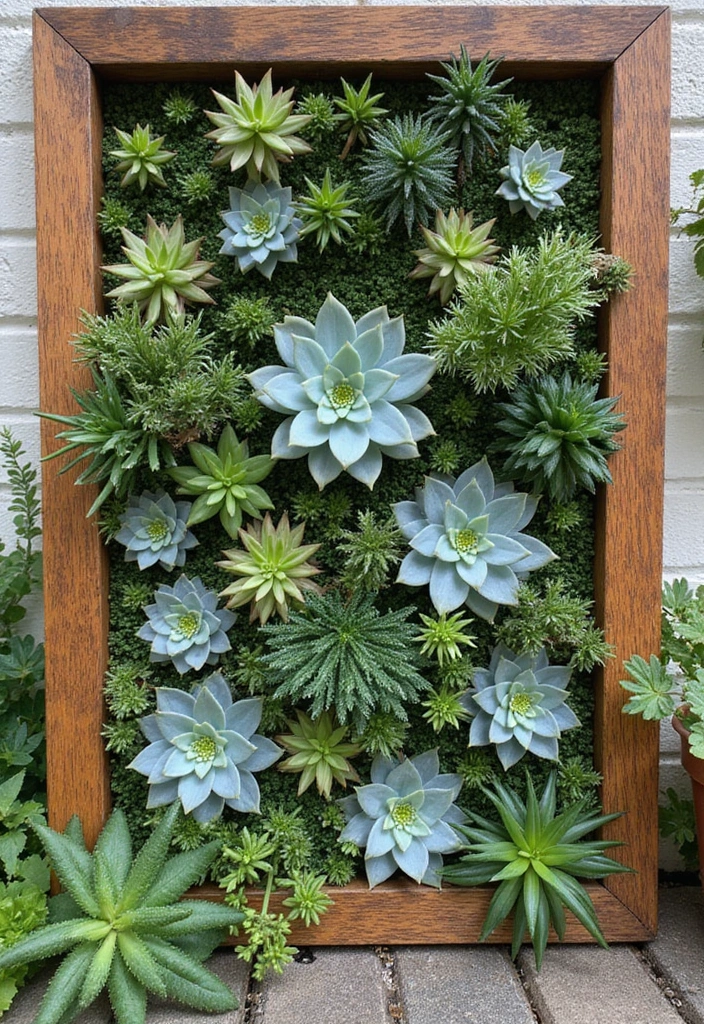
Transform your space with stunning succulent wall art. This creative idea brings nature indoors while saving precious floor space. You can easily turn a simple wooden frame into a living masterpiece. Picture a frame bursting with different succulent varieties, showcasing vibrant greens and unique shapes. It’s a trend that’s taking Pinterest by storm, and it instantly adds character to any room.
To make your succulent wall art, start by picking a frame with a mesh backing. This will hold the soil and plants securely in place. Look for affordable frames at thrift stores or online marketplaces. Choose a mix of succulents that thrive in your climate, focusing on colors and textures for added depth. This project not only beautifies your home but also provides a sense of tranquility, making your space feel more inviting.
• Use a mesh-backed frame to support plants
• Choose succulents that suit your local climate
• Mix colors and shapes for an eye-catching display
• Hang in a spot with indirect sunlight for best results
Creating succulent wall art is a fun and budget-friendly way to express your style. It’s low-maintenance and perfect for busy homeowners. With just a little effort, you can cultivate a piece of living art that brightens your space and brings joy.
13. Wildflower Garden
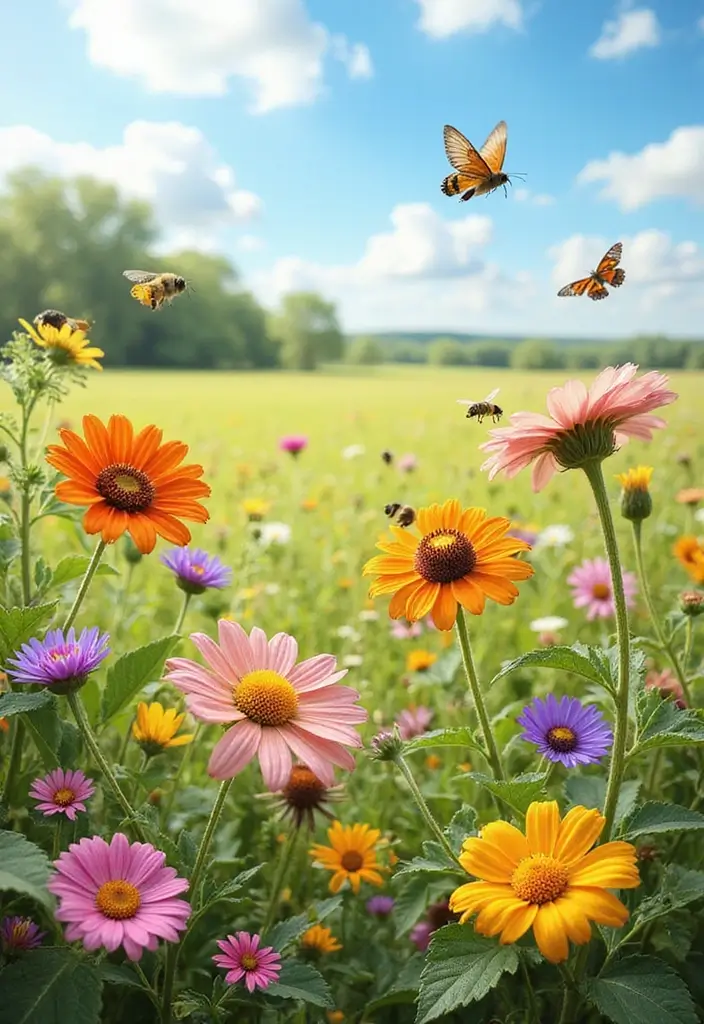
Imagine stepping into a garden filled with colorful wildflowers. A wildflower garden not only brightens your space but also invites butterflies and bees. Picture vibrant yellows, purples, and reds dancing in the breeze. This natural beauty is a hit on Pinterest and adds charm to any home.
Starting your wildflower garden is simple. First, choose a sunny spot in your yard. Then, scatter a mix of native wildflower seeds suited to your area. Native plants thrive better and support local wildlife. You don’t need to worry about watering or fertilizing much; these flowers love to grow in poor soil. Consider adding winding paths through your garden for easy access. This makes maintenance a breeze and gives it a rustic touch.
Creating a wildflower garden is not just budget-friendly but also eco-conscious. You’ll spend less time mowing your lawn and more time enjoying nature’s beauty. This garden style is perfect for anyone wanting a low-maintenance, colorful space that helps the environment.
• Choose native seeds for better growth
• Scatter seeds in a sunny area
• Create paths for easy access
• Enjoy minimal maintenance and vibrant beauty
14. DIY Compost Bin
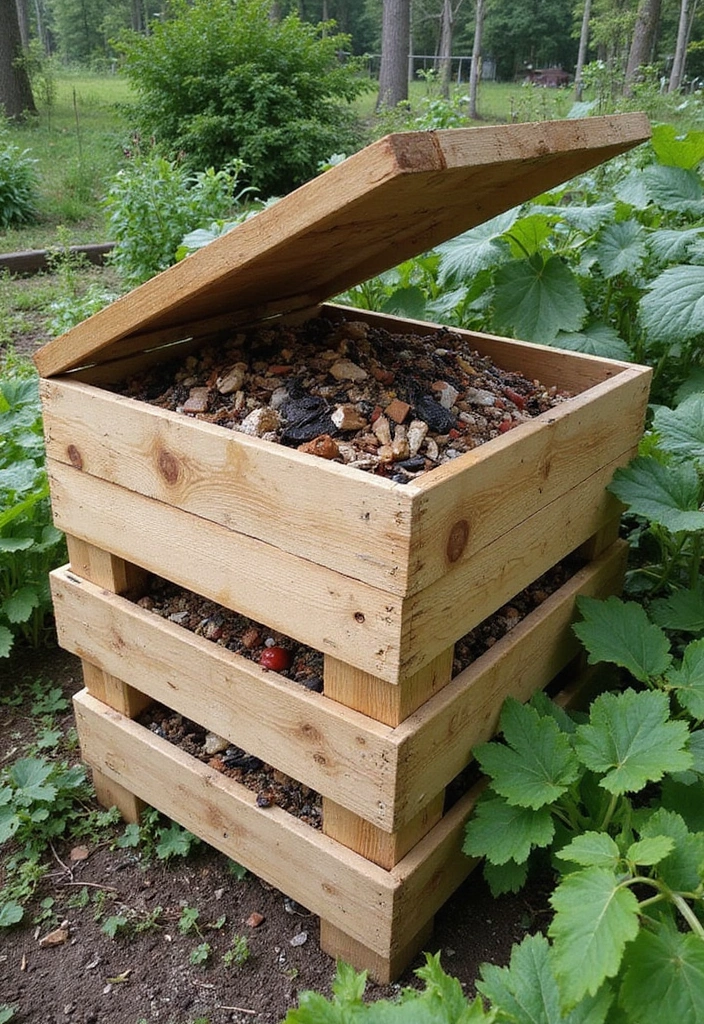
Creating your own compost bin is a fantastic way to turn kitchen scraps and yard waste into rich soil for your garden. Not only is it easy on your wallet, but it also helps the planet by reducing waste. Imagine using leftover vegetable peels and grass clippings to nourish your plants. This practice, embraced by eco-conscious gardeners everywhere, is a win-win for both your garden and the environment.
To get started, consider building a simple compost bin using wooden pallets. They are affordable and easy to find. Just stack them to create a sturdy enclosure. Remember to add the right materials; steer clear of meats and dairy, as they can cause odors and attract pests. Regularly turning your compost helps speed up the decomposition process, giving you nutrient-rich soil faster.
This approach not only supports a healthier garden but also fosters a sense of accomplishment. Watching your waste transform into something beneficial is incredibly rewarding.
• Use wooden pallets to build a budget-friendly compost bin.
• Add kitchen scraps like vegetable peels and fruit cores.
• Avoid meats and dairy to keep odors down.
• Turn your compost every few weeks for faster results.
By setting up a compost bin, you create a sustainable cycle that nourishes your plants while reducing landfill waste. It’s an easy and fulfilling project that makes your garden thrive and brings you closer to nature.
15. Container Vegetables
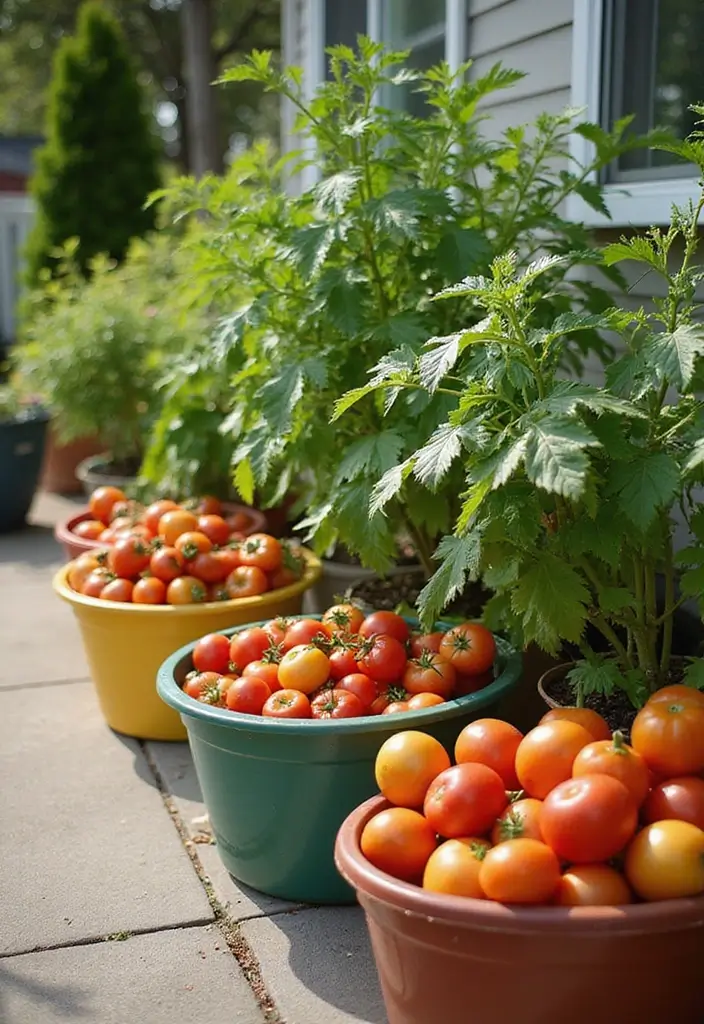
Growing vegetables in containers is a fantastic solution for anyone with limited space. Whether you have a tiny balcony or just a small patio, you can still enjoy fresh veggies. Imagine plucking ripe tomatoes or crunchy peppers right from your own home. It’s not just practical; it’s rewarding.
To get started, choose large pots that have good drainage. This helps prevent water from sitting at the bottom, which can harm your plants. Look for dwarf or compact vegetable varieties, as they thrive in small spaces. Think about placing your containers in sunny spots, where they can soak up those warm rays. This setup, often shared on gardening blogs, makes it easy to grow your favorites without needing a big yard.
But how do you make container gardening work for you? Here are some tips to keep your garden on a budget and thriving:
• Use large pots to give roots enough room
• Choose compact vegetable varieties for best growth
• Place containers where they get at least six hours of sunlight
• Add a layer of gravel at the bottom for extra drainage
Container gardening not only makes the most of your space but also simplifies pest control. You can easily move your plants to avoid pests or chase the sun. This method brings fresh produce to your doorstep, making every meal a little more special.
Imagine enjoying a summer salad made with veggies you grew yourself. It’s a simple pleasure that makes any meal feel like a celebration. So grab those pots, and let’s get growing!
16. Cinder Block Gardens
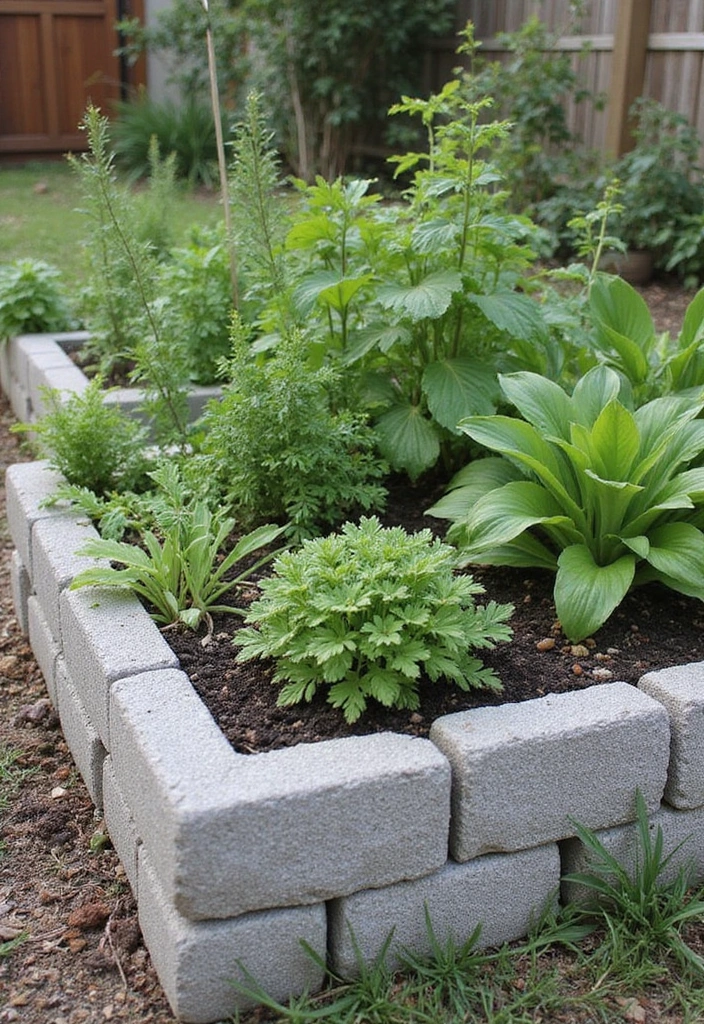
Transform your outdoor space with cinder block gardens. These sturdy blocks are not just for construction; they can become a beautiful and functional part of your garden. You can fill the holes with soil and vibrant plants. Picture a mix of herbs and colorful flowers peeking out of the openings. This trendy garden idea is popping up on Pinterest, inspiring homeowners to add unique touches to their yards.
Creating a cinder block garden is easy and budget-friendly. You can stack the blocks in various heights to create a tiered look, which adds depth and interest. This method works well on patios or even small backyards with limited soil. Just make sure the blocks are clean and free of harmful chemicals. With a little creativity, your cinder block garden will become a lively and inviting space, perfect for growing fresh herbs or showcasing flowers.
• Use cinder blocks of different sizes for variety
• Choose colorful plants to brighten up the design
• Add soil to the holes for planting herbs or succulents
• Place blocks in a sunny area to maximize growth
17. Garden Tool Organizer
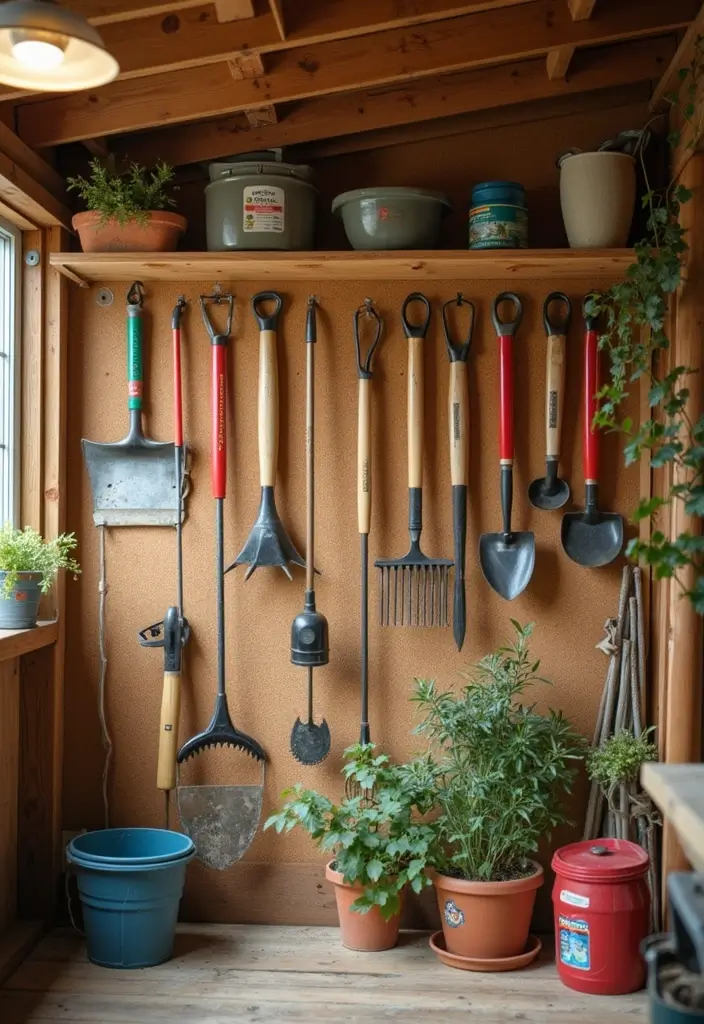
Organizing your gardening tools can make your life easier and your garden more enjoyable. A DIY garden tool organizer is a simple and cost-effective solution. Imagine a pegboard installed in your shed, where every tool has its spot. You can paint it in bright colors or add fun designs to match your garden’s vibe. This not only keeps everything tidy but also adds a splash of personality to your workspace. Pinterest is filled with inspiring ideas for this trendy project.
To create your own tool organizer, start by measuring your available space. Choose a pegboard and some sturdy hooks. You can usually find these at a local hardware store for a reasonable price. Hang the pegboard at eye level to make tools easy to grab. Use baskets and small containers to sort your hand tools, gloves, and other supplies. This setup saves you from searching through clutter, allowing you to focus on the joy of gardening.
Here are some practical tips to help you get started:
• Choose a pegboard that fits your space and style
• Use hooks to hang larger tools like shovels and rakes
• Add small bins for seeds and hand tools
• Paint or decorate to personalize your organizer
With an organized tool area, you’ll feel more prepared and excited to dig in the dirt. Enjoy the process of gardening without the hassle of misplaced tools!
18. Seed Bombs
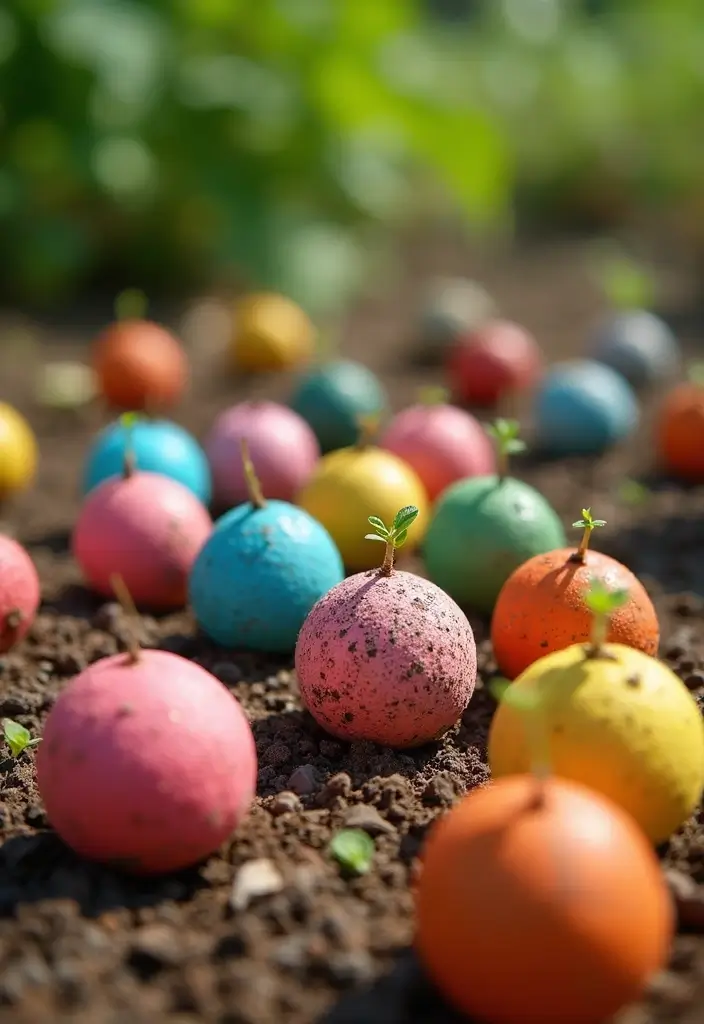
Unleash your inner gardener by making seed bombs! These delightful little balls, packed with seeds, clay, and compost, are a playful way to brighten up any dull spot in your yard or neighborhood. Toss them into bare patches or vacant lots, and watch nature do its magic. Imagine a burst of colorful wildflowers or fragrant herbs popping up where once there was nothing. Pinterest and garden blogs are buzzing about this trend, and it’s easy to see why!
Creating seed bombs is not just fun; it’s also budget-friendly. Gather some native wildflower seeds, clay, and compost from local sources or even your kitchen. Mix them with a splash of water to help everything stick together, then roll them into small balls. Let them dry, and you can store them or give them as eco-friendly gifts. It’s a simple way to contribute to your community’s greenery and create a buzz for pollinators. Plus, it makes your space feel more alive and welcoming!
• Use native wildflower seeds to attract local pollinators.
• Mix clay and compost with a splash of water for easy binding.
• Shape into small balls and let them dry thoroughly.
• Disperse in neglected areas to boost biodiversity and beauty.
With seed bombs, you can turn any area into a garden oasis. They’re perfect for anyone wanting to add a touch of nature, especially in urban settings. Not only does this project bring joy, but it also contributes to a healthier planet. So why wait? Start tossing those seed bombs today and watch your surroundings blossom!
19. Low-Cost Bird Feeders
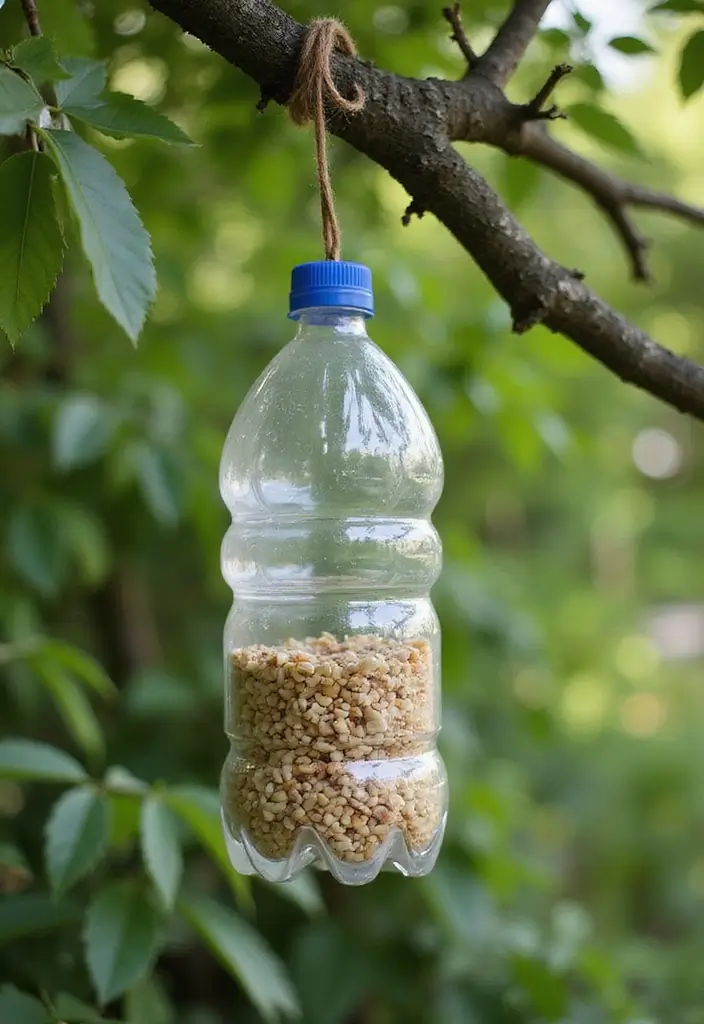
Bring life to your garden with budget-friendly bird feeders that are easy to make. You can create unique feeders using items you already have at home, like recycled plastic bottles or wooden spoons. Not only do these feeders attract beautiful birds, but they also play a crucial role in pollinating your plants. Imagine watching colorful birds flit around your garden while you enjoy your morning coffee!
Start with a simple idea: use a half orange filled with peanut butter and birdseed. Hang this cheerful feeder from a tree branch, and you’ll soon see feathered friends stopping by for a snack. Pinterest is buzzing with creative designs, making it easy to find inspiration. These feeders can brighten up any outdoor space, giving it a lively, welcoming feel.
To get started, here are some practical tips for making your own bird feeders:
Tips:
– Use recycled materials like plastic bottles or tin cans to keep costs low.
– Choose a variety of seeds to attract different bird species.
– Hang feeders at different heights to create a diverse bird haven.
– Regularly clean feeders to prevent the spread of disease among birds.
Creating bird feeders is an affordable way to enhance your garden’s beauty, making it a joyful retreat for both you and local wildlife. You’ll feel satisfaction knowing you’re helping the environment while enjoying nature’s colorful show right in your backyard!
• Use plastic bottles for easy DIY feeders
• Choose sunflower seeds to attract popular birds
• Hang feeders near shrubs for safety and shelter
• Get kids involved for a fun family project
20. Planting for Pollinators
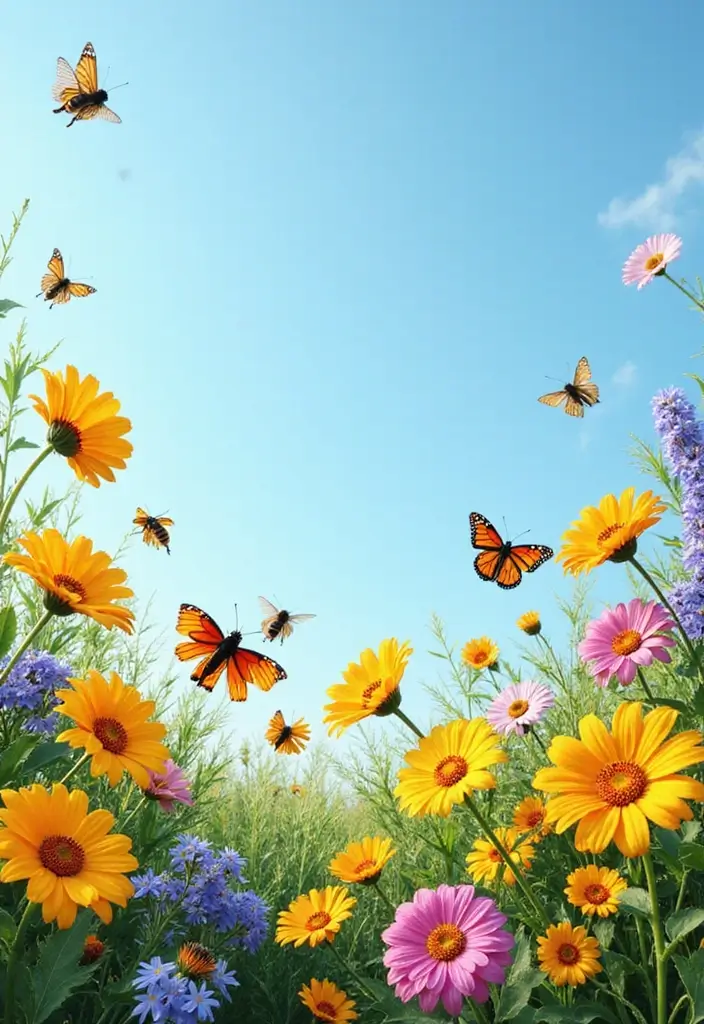
Creating a pollinator garden is a fantastic way to beautify your yard while supporting essential creatures like bees and butterflies. These vibrant flowers not only add color but also play a vital role in our ecosystem. Imagine stepping outside to see butterflies flitting among blooms, their colors dancing in the sunlight. Popular plants include coneflowers, milkweed, and lavender, all of which attract these helpful pollinators. Garden trends on social media show how these gardens can thrive in any space, from sprawling backyards to cozy balconies.
To get started, choose a variety of native flowers that provide nectar and pollen. Native plants are well-suited to your region and often require less maintenance. Avoid harmful pesticides that can harm these beneficial insects. Instead, you can use natural alternatives like neem oil if needed. Plant your flowers in clusters or groups. This layout helps pollinators find food quickly and makes your garden more visually appealing. Your pollinator garden will not only look lovely but will also create a lively atmosphere, perfect for relaxing or entertaining guests.
• Choose native flowers that attract local pollinators
• Avoid pesticides to protect beneficial insects
• Plant in clusters for easy foraging by pollinators
• Incorporate flowers with varying bloom times for continuous color
Designing a pollinator garden is a rewarding project that can enhance your outdoor space and support nature at the same time. This simple addition can boost your vegetable and fruit yields by improving pollination. You’ll love watching your garden come alive with activity, making it a perfect retreat for anyone seeking a connection with nature.
21. DIY Trellis
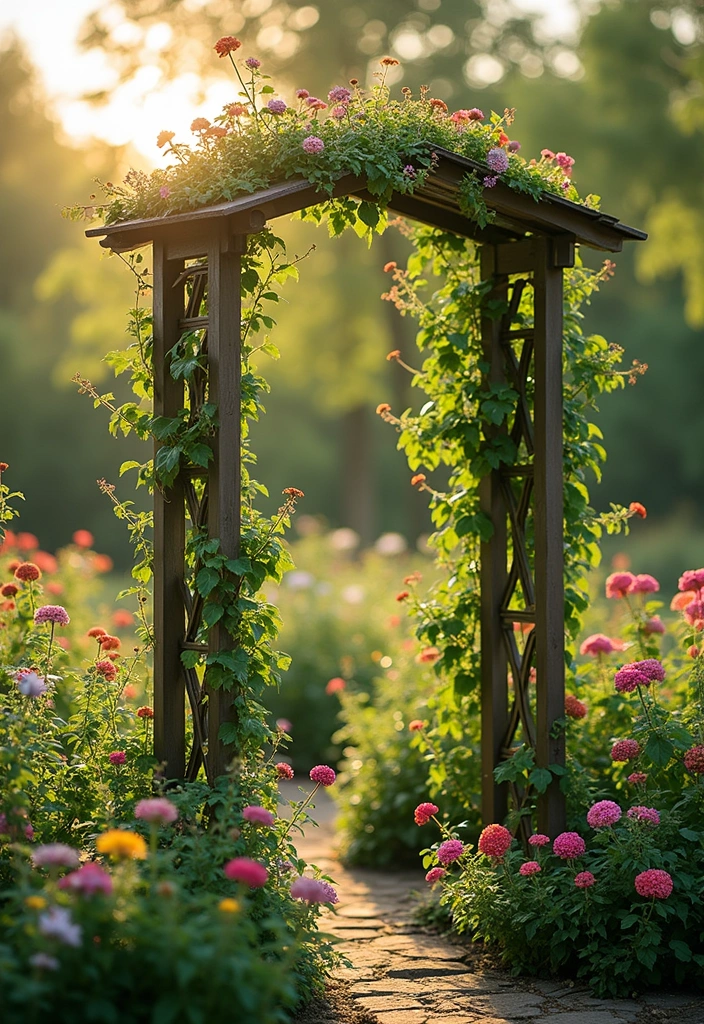
Building your own trellis is a fantastic way to enhance your garden while staying within budget. You can use inexpensive materials like bamboo, reclaimed wood, or even old window frames. A trellis not only supports climbing plants like tomatoes and beans but also adds a touch of charm to your outdoor space. Plus, with the rising trend of vertical gardening, a DIY trellis can help you maximize your space and bring a fresh look to your garden.
To get started, think about where you want to place your trellis. Choose a sunny spot to promote healthy plant growth. Gather your materials and consider painting or staining your trellis to match your garden’s color scheme. This small touch can make a big difference in the overall aesthetic. Also, ensure that your trellis is sturdy enough to hold the weight of your plants. This will keep your garden healthy and visually appealing.
Here are some practical tips to make your trellis project a success:
Use sturdy materials like wood or metal for durability.
Choose a design that suits your garden style, from rustic to modern.
Pick a location that gets plenty of sunlight to boost plant growth.
Add climbing plants that thrive on trellises, such as cucumbers or morning glories.
Creating your own trellis not only beautifies your garden but also allows for better air circulation around your plants. This can reduce the risk of diseases and promote healthier growth. It’s a project that’s both rewarding and practical, making your garden feel more inviting and flourishing.
22. Pebble Pathways
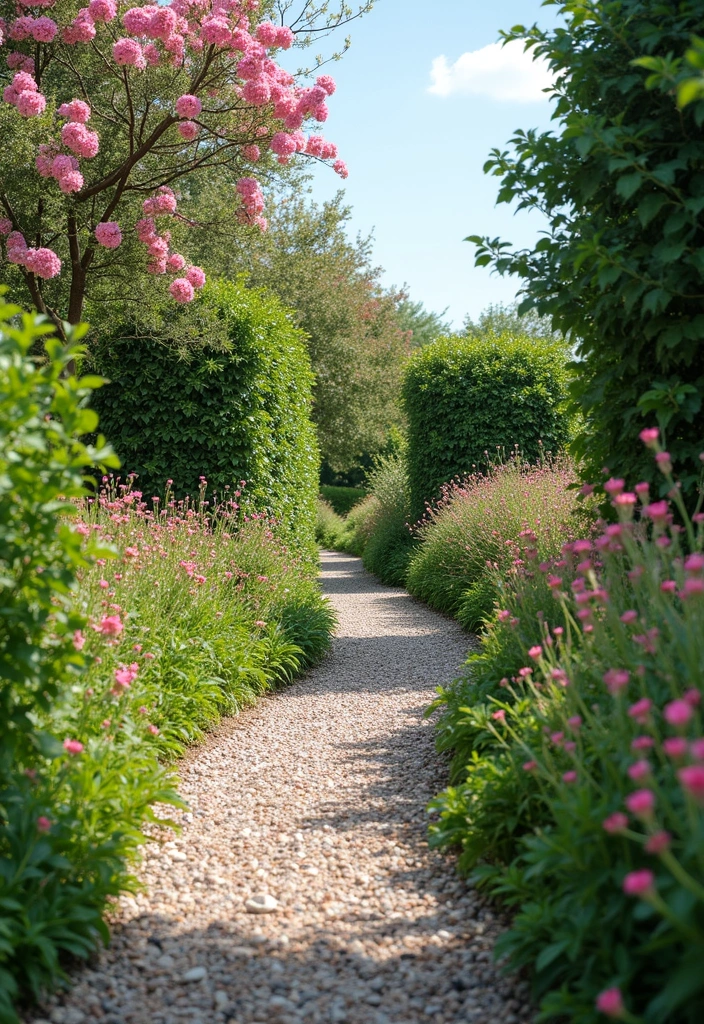
Create stunning DIY pebble pathways that can enhance the beauty of your garden without straining your wallet. These charming paths not only guide you through your outdoor space but also add a refined touch to your landscape. Imagine a mix of smooth river stones and colorful pebbles, creating a natural mosaic that draws the eye. This trendy design, often seen on Pinterest, fits seamlessly with any garden style, be it minimalist or rustic.
To get started, lay a layer of landscaping fabric to keep pesky weeds at bay. This simple step saves you time and effort in maintenance. Next, outline your desired path with stakes and string to visualize the layout. When it comes to choosing pebbles, mix different sizes and hues for a captivating look. Plus, pebble pathways are affordable, making them perfect for budget-conscious homeowners. Creating this walkway will not only beautify your garden but also improve drainage, keeping your plants healthy and thriving.
• Use landscaping fabric to prevent weeds
• Choose a mix of colors and sizes for visual interest
• Mark your path with stakes and string for accuracy
• Place stones tightly to ensure stability and ease of walking
With these easy steps, you can transform your garden into a picturesque retreat that feels both inviting and functional. Enjoy your new pebble pathways and the charm they bring to your outdoor space!
23. Seasonal Container Arrangements
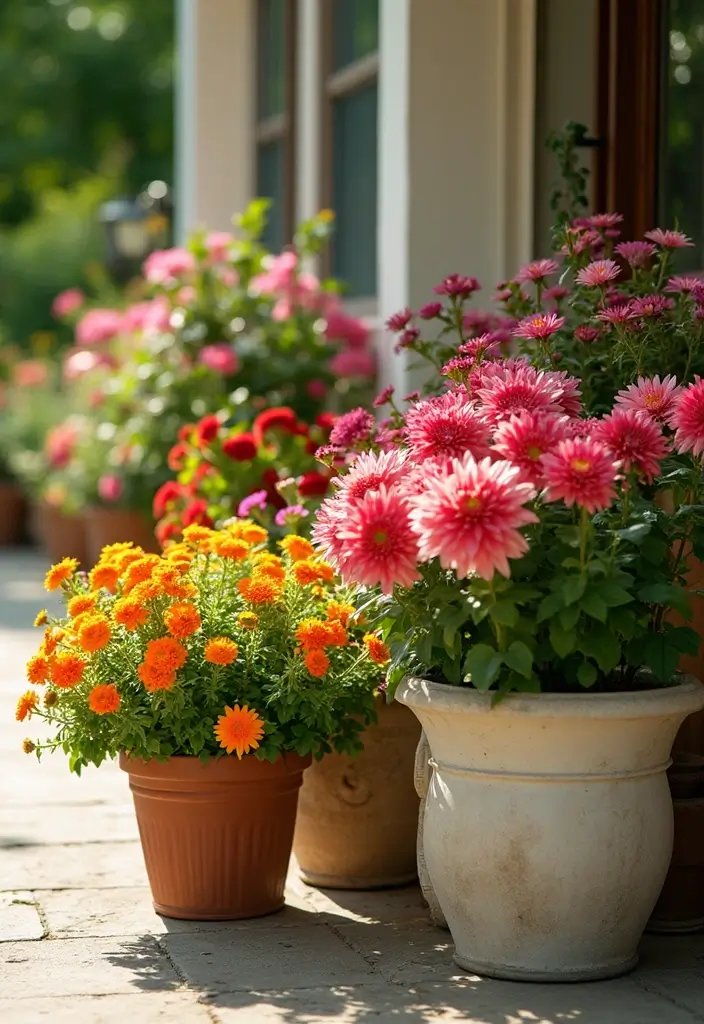
Brighten up your garden with stunning seasonal container arrangements! Changing your plants with the seasons keeps your outdoor space lively and engaging. Picture vibrant spring tulips transitioning to bold summer sunflowers. This not only adds color but also fresh scents and excitement to your garden throughout the year. Pinterest is buzzing with ideas for these delightful displays, showing how simple changes can elevate your home’s charm.
To get started, choose a mix of flowers that bloom in different seasons. This way, your containers stay full of life all year round. You don’t need to break the bank either. Many nurseries offer affordable seasonal plants, and you can even explore local farmers’ markets for unique finds. Keeping a planting schedule helps you plan ahead, ensuring your garden reflects the beauty of each season. Imagine walking outside to see fresh blooms each time the weather changes—it makes your garden feel welcoming and alive.
Here are some practical tips to create your seasonal displays:
Use high-quality potting soil to promote healthy growth.
Choose a mix of colors and textures for visual excitement.
Pick seasonal flowers that thrive in your local climate.
Add accents like ornamental grasses or ivy for depth.
With these strategies, your garden will not only look beautiful but also feel welcoming, perfect for family gatherings or quiet moments in nature.
24. Creative Upcycled Signs
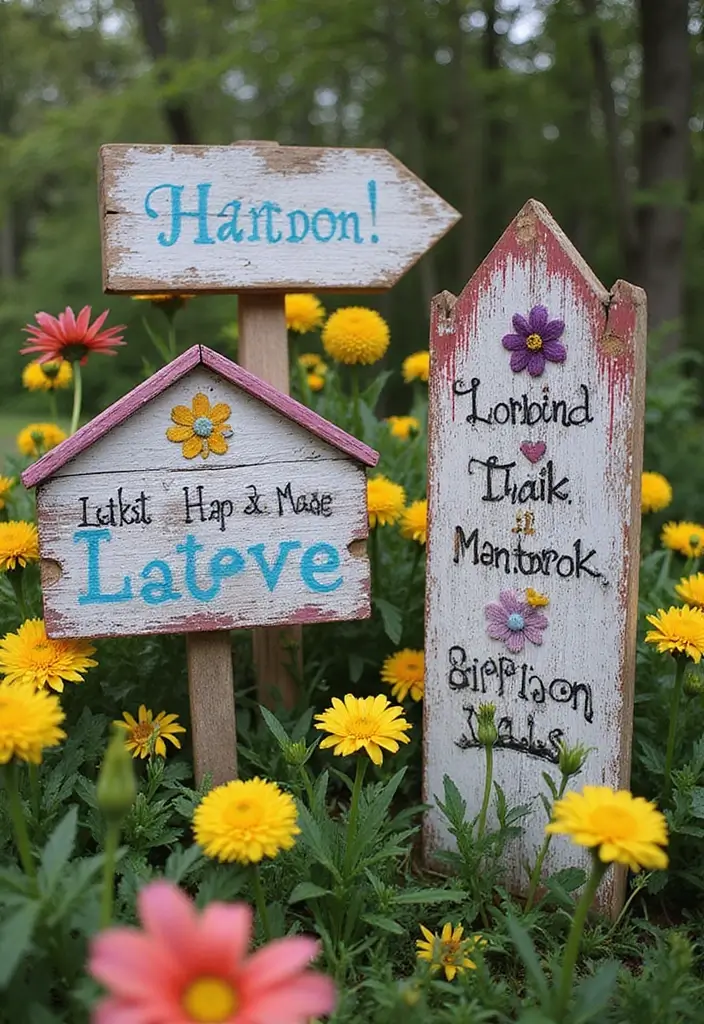
Spruce up your garden with charming upcycled signs made from old wood or vintage shutters. These creative touches can transform your outdoor space, giving it a unique personality. Imagine painting bright colors or stenciling fun messages that reflect your gardening journey. Pinterest users love these ideas for their whimsy and style, making them a popular trend among home gardeners.
To get started, gather materials like scrap wood, old shutters, or even leftover fence panels. You can find these treasures at thrift stores or garage sales, keeping your project budget-friendly. Use non-toxic paints to ensure safety for your plants. Choose simple designs that highlight your garden’s names or playful sayings. Position your signs where guests will easily see them, adding both flair and functionality to your space. These signs not only make your garden feel inviting but also help you keep track of your plants.
• Use recycled materials like wood or shutters for a rustic look
• Choose bright, non-toxic paints for safety and vibrancy
• Stencil fun messages or plant names for personalization
• Position signs prominently to enhance your garden’s charm
With these creative upcycled signs, your garden can become a delightful reflection of your style. They spark conversations and make your outdoor oasis feel even more special. Enjoy the process of personalizing your space, and watch as your garden comes to life with your unique touch!
25. Edible Landscaping
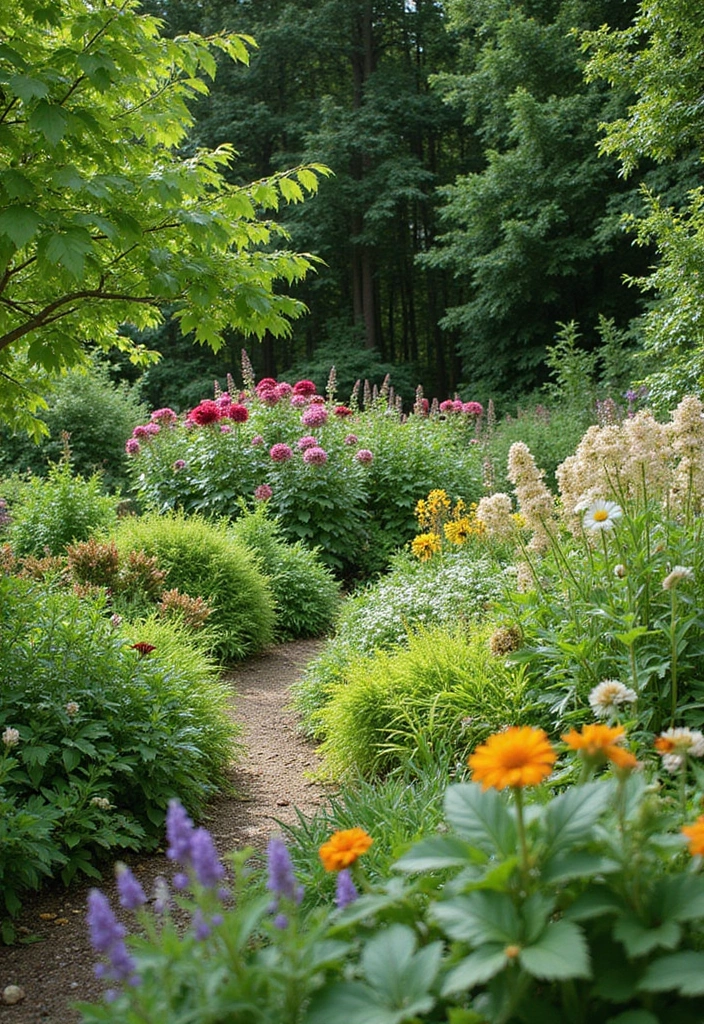
Turn your garden into a feast for the eyes and the taste buds with edible landscaping. This creative approach allows you to grow fruits, herbs, and vegetables right alongside your favorite flowers. Imagine vibrant tomatoes peeking through cheerful marigolds or aromatic basil mingling with colorful petunias. This trend is popping up everywhere, from Pinterest inspiration boards to local gardens. It’s not just practical; it’s a chance to express your style and enjoy homegrown goodness.
To get started, choose easy-to-grow herbs like parsley or thyme. These can thrive beautifully between flowering plants. Consider adding fruit-bearing shrubs like blueberries, which not only taste great but also provide lovely blooms. Mix and match your plants to create a cohesive look that delights the senses. Keep in mind that some plants prefer more sun than others, so check their needs before planting. This method is budget-friendly too, as it reduces your grocery bills while adding beauty to your outdoor space.
• Plant herbs like basil and mint for flavor and fragrance
• Choose colorful fruit shrubs like raspberries and blueberries
• Arrange plants to ensure they have enough sunlight
• Harvest fresh produce right from your garden
Edible landscaping not only beautifies your yard but also makes it a practical space. It’s perfect for families wanting to grow their own food or anyone looking to save money while enjoying fresh flavors. You’ll love stepping outside to pick your own salad ingredients or herbs for dinner. This approach makes your garden feel alive and connected to your kitchen—what could be better than that?
26. DIY Potting Bench
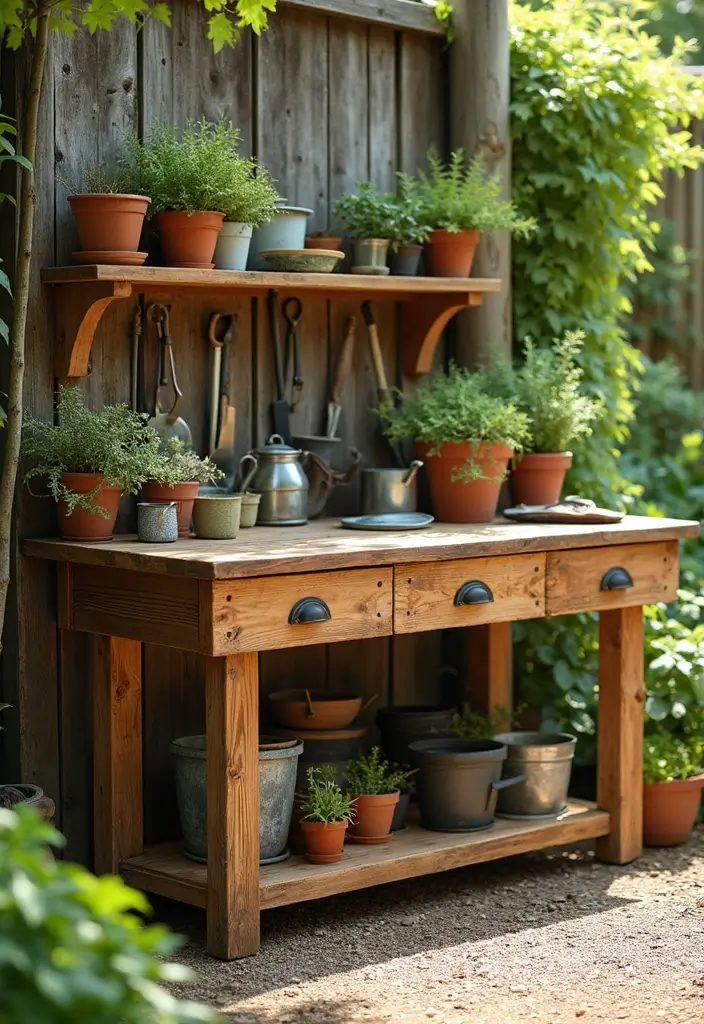
Build a potting bench that transforms your gardening experience. Think of using reclaimed wood or an old piece of furniture you no longer need. This bench will serve as your favorite spot for planting and repotting. Imagine a rustic wooden surface paired with colorful pots, making your gardening space not only functional but also beautiful. Pinterest is buzzing with these DIY potting bench ideas, where creativity meets practicality.
To get started, choose a height that feels comfortable for you. A bench that’s too low or too high can make gardening a chore. Incorporate shelves or hooks underneath for your tools and pots. A small sink or even a bucket on the side makes cleanup a breeze. You can find affordable materials at thrift stores or salvage yards, ensuring your bench is both budget-friendly and stylish. Making this dedicated potting space will not only organize your gardening essentials but also bring a sense of joy to your outdoor activities.
• Choose reclaimed wood for a rustic look
• Incorporate shelves for easy storage
• Add a bucket for quick cleanups
• Personalize with paint or decorations to showcase your style
Creating this potting bench means you’ll enjoy gardening more. Keep your mess contained while working in a space that reflects your personality. It’s a project that adds charm to your garden while making your planting tasks easier and more enjoyable.
27. Seasonal Bulb Planting
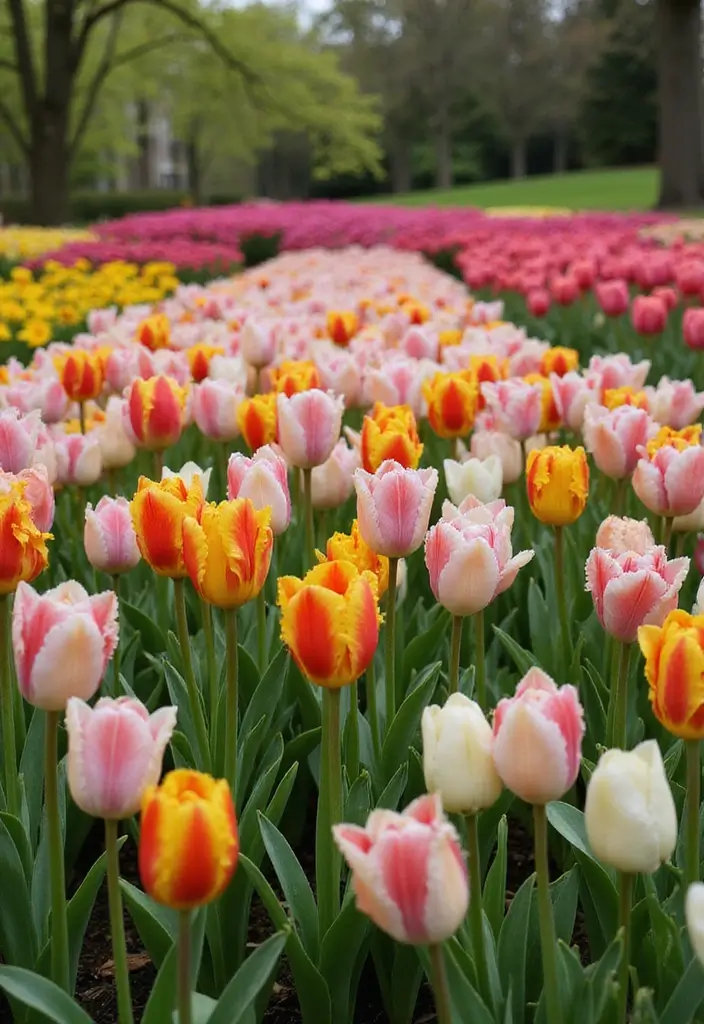
Bring life to your garden with seasonal bulb planting! This budget-friendly approach adds splashes of color throughout the year. Imagine vibrant tulips dancing in the spring breeze or cheerful daffodils brightening up the late winter landscape. These blooming beauties can transform your outdoor space into a stunning display. Pinterest is buzzing with bulb garden ideas, and you can easily join the trend.
Start by choosing a mix of bulbs that bloom at different times. This way, your garden remains lively from early spring to late summer. Planting bulbs in groups creates a more striking visual effect. You can even create a lovely path lined with colorful blooms. Labeling your bulbs helps you remember what’s where, making it easier to plan for future seasons.
To get started, select a variety of bulbs that fit your climate and soil type. Check local garden centers or online shops for affordable options. You don’t need fancy tools—just a trowel and some mulch will do! Once planted, these bulbs are low-maintenance and reward you with beauty year after year.
• Choose bulbs that bloom at different times for continuous color.
• Plant in clusters for a fuller, eye-catching display.
• Label each type of bulb for easy identification.
• Look for local sales or bulk discounts to save money.
With seasonal bulbs, you can create a garden that feels alive and inviting. Enjoy the beauty of nature while keeping your budget in check!
28. DIY Garden Gnome
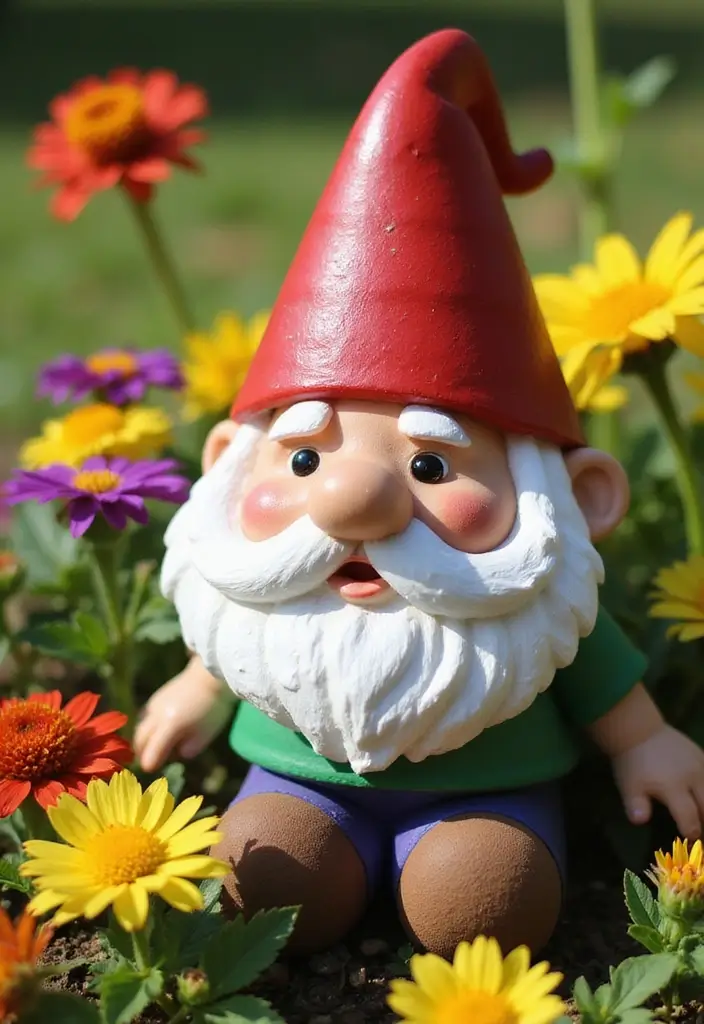
Bring a touch of magic to your garden with a charming DIY garden gnome. This delightful project lets you express your creativity using simple materials like terracotta pots, painted rocks, or even recycled items. Imagine a vibrant gnome dressed in bright colors, smiling at everyone who strolls by. Pinterest is full of inspiration, showcasing these whimsical figures as a must-have for any garden enthusiast.
Creating your garden gnome is not only budget-friendly, but it’s also a fun activity for the whole family. Gather your supplies from local craft stores or even your backyard, where you might find the perfect stones or branches. As you paint and decorate, let your personality shine through with unique colors and designs. Placing your gnome in a visible spot can spark joy and serve as a conversation starter for guests, making your garden feel warm and inviting.
• Use non-toxic paint for safety outdoors
• Choose bright colors to make your gnome pop
• Pick a special spot that can be admired
• Add personal touches to reflect your style
Embrace the joy of gardening with this fun tradition. Each year, a new gnome can tell a story, creating memories that make your garden even more special.
29. Natural Mulching
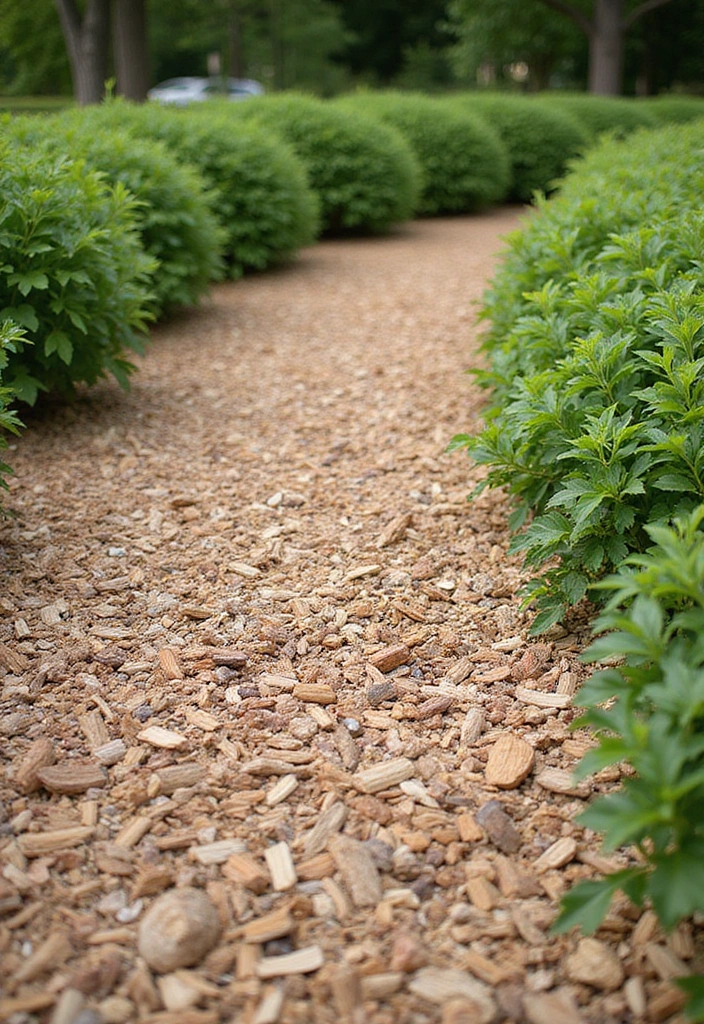
Transform your garden with natural mulching, a simple yet powerful technique. Using materials like leaves, straw, and wood chips, you can create a protective layer that keeps weeds at bay and locks in moisture. This eco-friendly approach not only saves you money but also enriches your soil over time. Think about how beautiful your garden can look with a rustic layer of straw or a vibrant blanket of autumn leaves. Pinterest is full of inspiring images showcasing these natural mulches, making them a trendy choice for any gardener.
To get started, choose materials that are easily available to you. Leaves from your yard, straw from a local farm, or even wood chips from a nearby landscaping company can work wonders. Aim for a mulch layer that’s about 2-3 inches thick around your plants to help maintain consistent soil temperatures. Be sure to refresh your mulch every season for the best results. This practice is not only budget-friendly but also aligns beautifully with sustainable gardening principles. Imagine walking through your garden, knowing you’ve made choices that nurture both your plants and the environment.
• Use leaves, straw, or wood chips as mulch
• Apply a 2-3 inch layer around plants
• Refresh mulch every season for effectiveness
• Avoid grass clippings that may harbor weed seeds
Natural mulching makes your garden easier to care for while supporting beneficial insects and microorganisms. It’s a simple change that can have lasting effects on your garden’s health and beauty.
30. DIY Garden Path Lighting
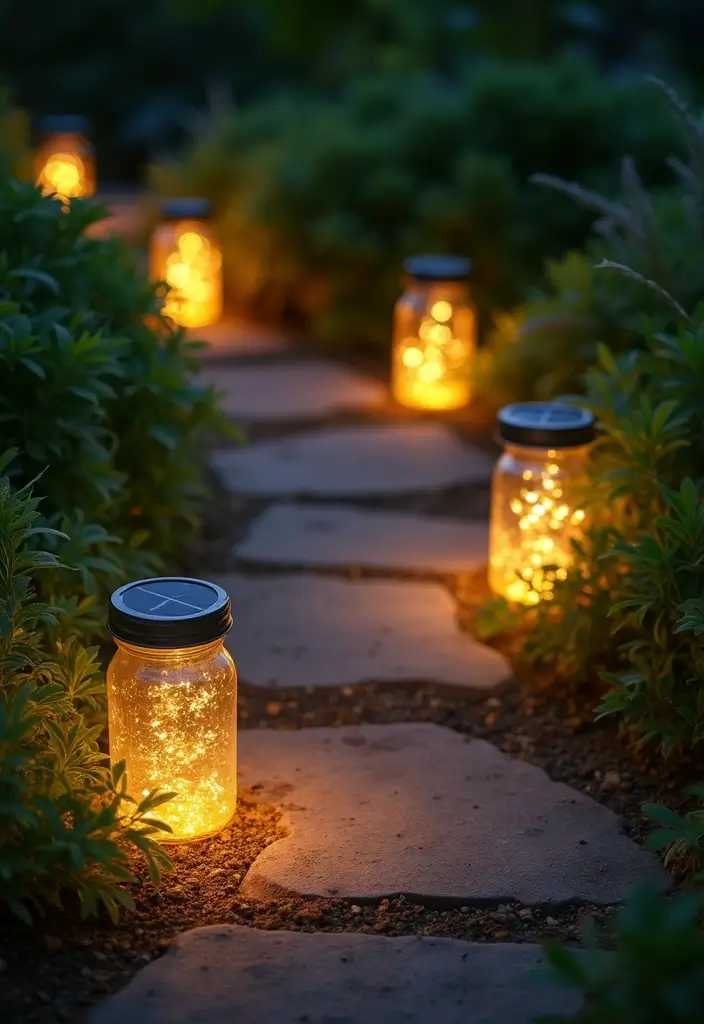
Light up your garden path with simple and affordable DIY lighting. Using solar lights or repurposed glass jars can transform your outdoor space into a magical wonderland after sunset. Imagine walking through a softly lit path, where flickering lights create a cozy atmosphere. This trendy idea not only boosts safety but also adds charm to your garden, making it a delightful place to relax.
To get started, gather some solar lights or empty glass jars. Solar lights are a breeze to set up—no wiring needed! If you choose jars, place tea lights or fairy lights inside for a whimsical effect. As you arrange them along your path, think about highlighting specific features like flower beds or garden sculptures. This not only enhances beauty but creates a welcoming vibe.
Here are some easy tips to implement this idea without spending much:
Choose solar lights that match your garden style. Look for options in warm colors for a soft glow.
Use jars of different shapes and sizes to add visual interest. Clear glass works great for showing off the light.
Add pebbles or sand at the bottom of jars for stability. This prevents them from tipping over in the wind.
Place lights strategically to guide guests along pathways. This not only looks good but keeps everyone safe at night.
With your garden path illuminated, you’ll enjoy late-night strolls and gatherings. It’s a simple upgrade that makes your outdoor space feel inviting and special. Get creative and watch your garden shine!
Conclusion
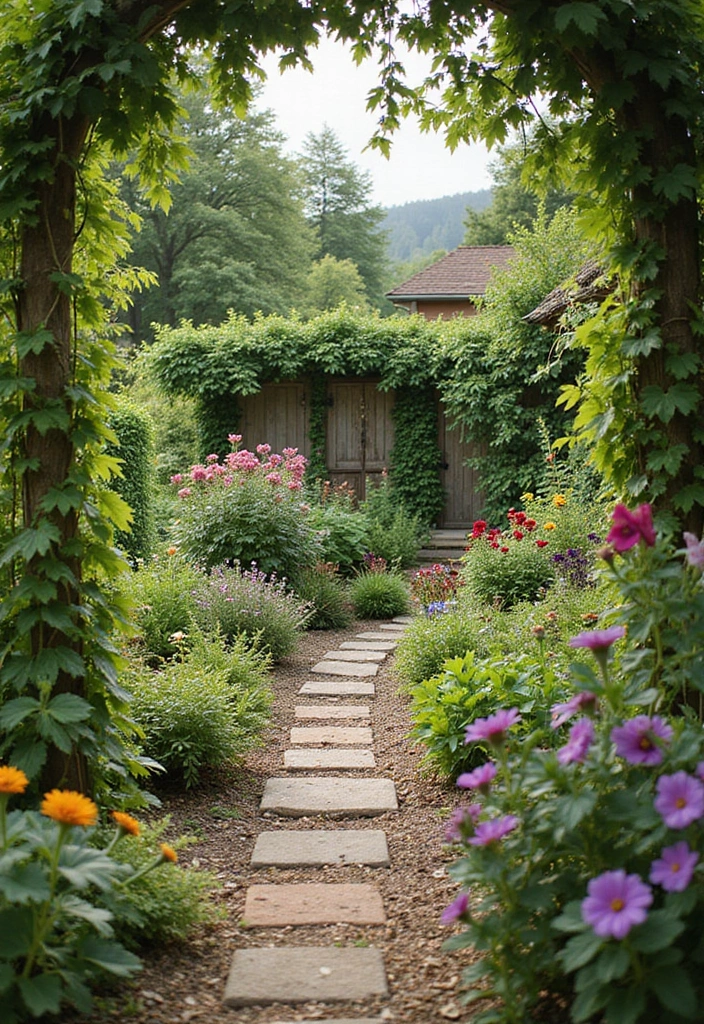
Creating a beautiful garden on a budget is entirely possible with these 30 inspiring ideas. From DIY projects to upcycling, each tip offers a unique way to elevate your gardening game without spending a fortune. Embrace your creativity, and remember that every small effort contributes to a greener, more vibrant home environment.
Consider sharing your own gardening tips or favorite budget-friendly projects to inspire others in their gardening journey!
Frequently Asked Questions
What Are Some Easy Garden Ideas on a Budget for Small Spaces?
If you’re looking to make the most of your small space, consider container gardening as a fantastic option. You can use recycled materials like old buckets or pallets to create unique planters! Additionally, vertical gardening can save space while adding a beautiful green touch to your home. Just remember, even small spaces can flourish with the right budget-friendly garden designs!
How Can I Start a DIY Garden Project Without Breaking the Bank?
Starting a DIY garden project is easier than you think, especially with a tight budget! Begin by gathering affordable gardening tips, like using seeds instead of seedlings, which are often cheaper. You can also look for local plant swaps or community gardens to find plants at little to no cost. Remember, creativity is key, so don’t hesitate to repurpose items you already have around the house!
What Are Some Simple Gardening Hacks to Save Money?
You’d be surprised how many simple gardening hacks can save you money! For instance, using kitchen scraps like potato peels or coffee grounds can enrich your soil and reduce waste. Additionally, consider making your own compost using leftover kitchen waste; it’s a sustainable way to nourish your plants without purchasing expensive fertilizers. These low-cost landscaping ideas can keep your garden thriving without straining your wallet!
Can Container Gardening Be Effective for Vegetables on a Budget?
Absolutely! Container gardening is a fantastic way to grow your own vegetables, even in limited spaces. You can maximize your yield by choosing easy garden ideas on a budget like growing herbs, tomatoes, or peppers in pots. Just ensure you pick the right containers and soil for optimal growth. Plus, it’s a rewarding way to enjoy fresh produce without the high costs of store-bought veggies!
Where Can I Find Inspiration for Budget-Friendly Garden Designs?
Finding inspiration for budget-friendly garden designs has never been easier! Check out social media platforms like Pinterest or Instagram, which are filled with creative ideas from fellow gardeners. Local gardening groups and community centers often host workshops and share resources too. Don’t forget to explore blogs and websites focused on DIY garden projects—they’re treasure troves of creativity that can fit your budget!